Advertisement
Counterfeit FWD parts are a growing threat to the safety, reliability, and value of legacy FWD truck fleets. Owners, mechanics, and fleet managers must understand the risks, recognize the warning signs, and know where to source genuine replacements. This guide provides a comprehensive look at the prevalence of counterfeit FWD components, how to spot them, and the best practices for ensuring your fleet’s integrity—starting with a direct path to genuine FWD Trucks OEM Parts: Heritage, Technical Reference & Expert Sourcing | AutoPartEx.
The Immediate Answer: Why Counterfeit Parts Are a Critical Risk for FWD Trucks
Counterfeit parts can look nearly identical to OEM components, but their hidden flaws threaten the safety, longevity, and operational performance of legacy FWD trucks. Using these substandard parts can result in catastrophic failures, compromised safety systems, and costly downtime. For operators of legacy FWD fleets—where authentic parts are already scarce—counterfeit risks are especially acute. The best defense is a proactive approach to sourcing, identification, and maintenance.
The Hidden Problem: The Growing Prevalence of Counterfeit FWD Parts
Counterfeit automotive parts have infiltrated the aftermarket supply chain at an alarming rate, with legacy brands like FWD (Four Wheel Drive Auto Company) being particularly vulnerable due to the rarity of their original components. As original FWD parts become harder to find, unscrupulous suppliers increasingly target collectors, restorers, and fleet operators with imitation components. These fakes may be visually convincing but are often manufactured with inferior materials and substandard processes.
The National Highway Traffic Safety Administration (NHTSA) warns that counterfeit parts can jeopardize critical safety systems, including braking, steering, and drivetrain assemblies—areas where FWD trucks are especially sensitive due to their unique engineering and legacy status [NHTSA Equipment].
Understanding the Counterfeit Supply Chain
The counterfeit parts problem is not limited to a few isolated sellers. Global supply chains and online marketplaces have made it easier for counterfeiters to distribute fake FWD parts worldwide. These components may be:
- Poorly reverse-engineered knockoffs
- Rebranded or relabeled generic parts
- Used or worn-out components passed off as new
Legacy FWD fleets are at heightened risk because genuine NOS (New Old Stock) parts are rare, and the specialized nature of these trucks often means only a handful of trusted suppliers exist. Unsuspecting buyers may be lured by lower prices, only to discover later that the part fails prematurely or does not meet OEM specifications.
Technical Risks: How Counterfeit Parts Compromise FWD Truck Performance
Counterfeit FWD parts can have far-reaching consequences for fleet performance and safety. Here are the most common technical risks:
1. Safety System Failure
Counterfeit brake components, steering linkages, and suspension parts may not meet the rigorous standards required for heavy-duty FWD trucks. Subpar materials and poor tolerances can lead to sudden failure, loss of vehicle control, and increased accident risk.
2. Powertrain and Drivetrain Issues
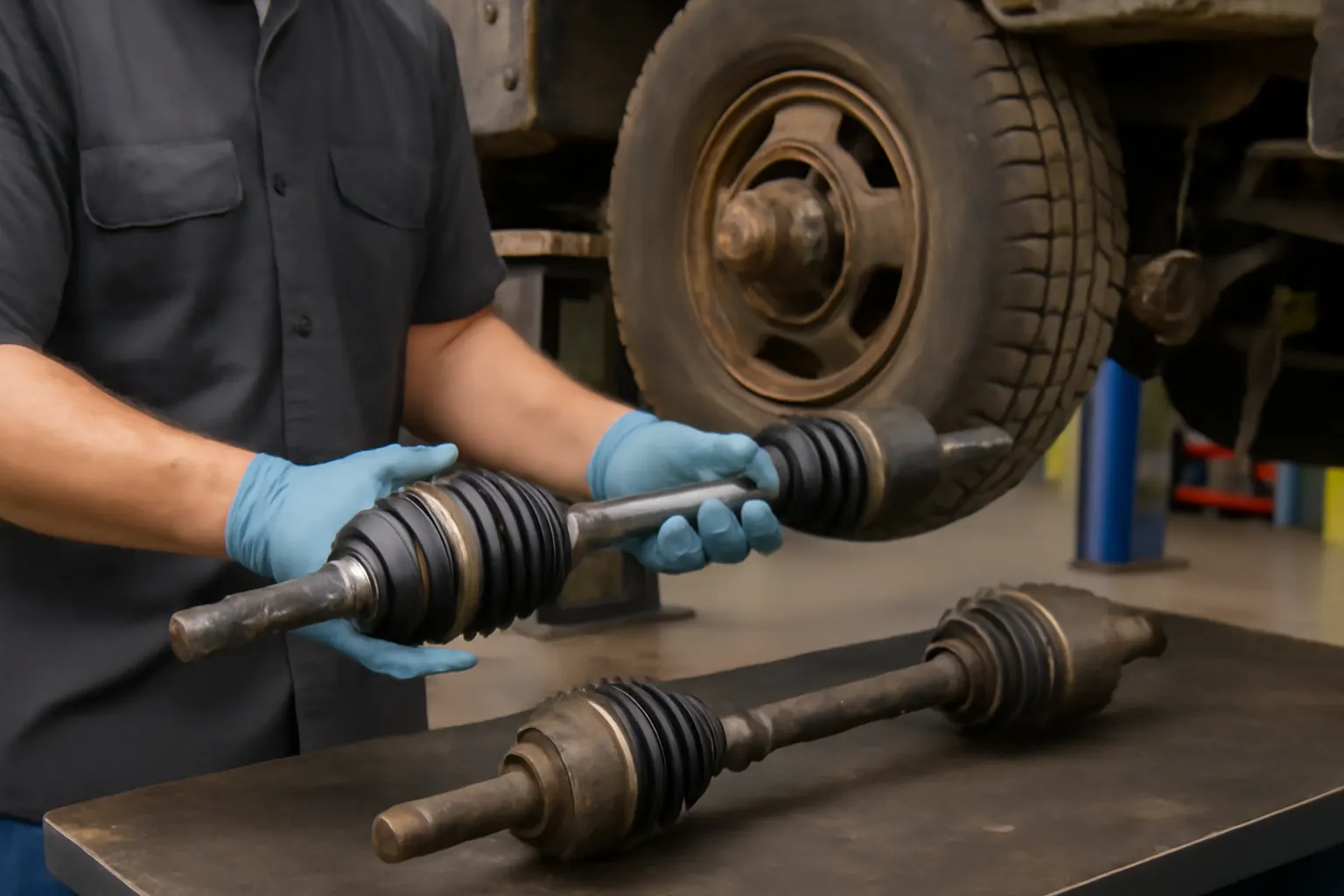
FWD trucks are renowned for their specialized powertrain and drivetrain assemblies. Counterfeit gears, bearings, or seals can cause excessive wear, overheating, and catastrophic mechanical failure. For in-depth technical reference, see the FWD Trucks Powertrain & Drivetrain Reference.
3. Fuel Efficiency and Emissions
Counterfeit engine management components and sensors can disrupt fuel-air mixtures, ignition timing, and emissions controls. This not only reduces efficiency but may also increase environmental impact [DOE Fuel Efficiency].
4. Structural Integrity
Legacy FWD trucks often rely on robust castings and forgings. Counterfeit structural parts may use inferior alloys, compromising strength and leading to frame or body failure under load [DOE Materials Technologies].
Recognizing Counterfeit FWD Parts: Key Warning Signs
Identifying counterfeit parts before installation is crucial. Here’s a practical checklist for FWD truck owners and technicians:
Advertisement
Counterfeit FWD Parts Diagnostic Checklist
| Inspection Point | Genuine OEM Part | Counterfeit Warning Signs |
|---|---|---|
| Packaging | Branded, high-quality, correct logos and part numbers | Generic, misspelled, or poorly printed packaging |
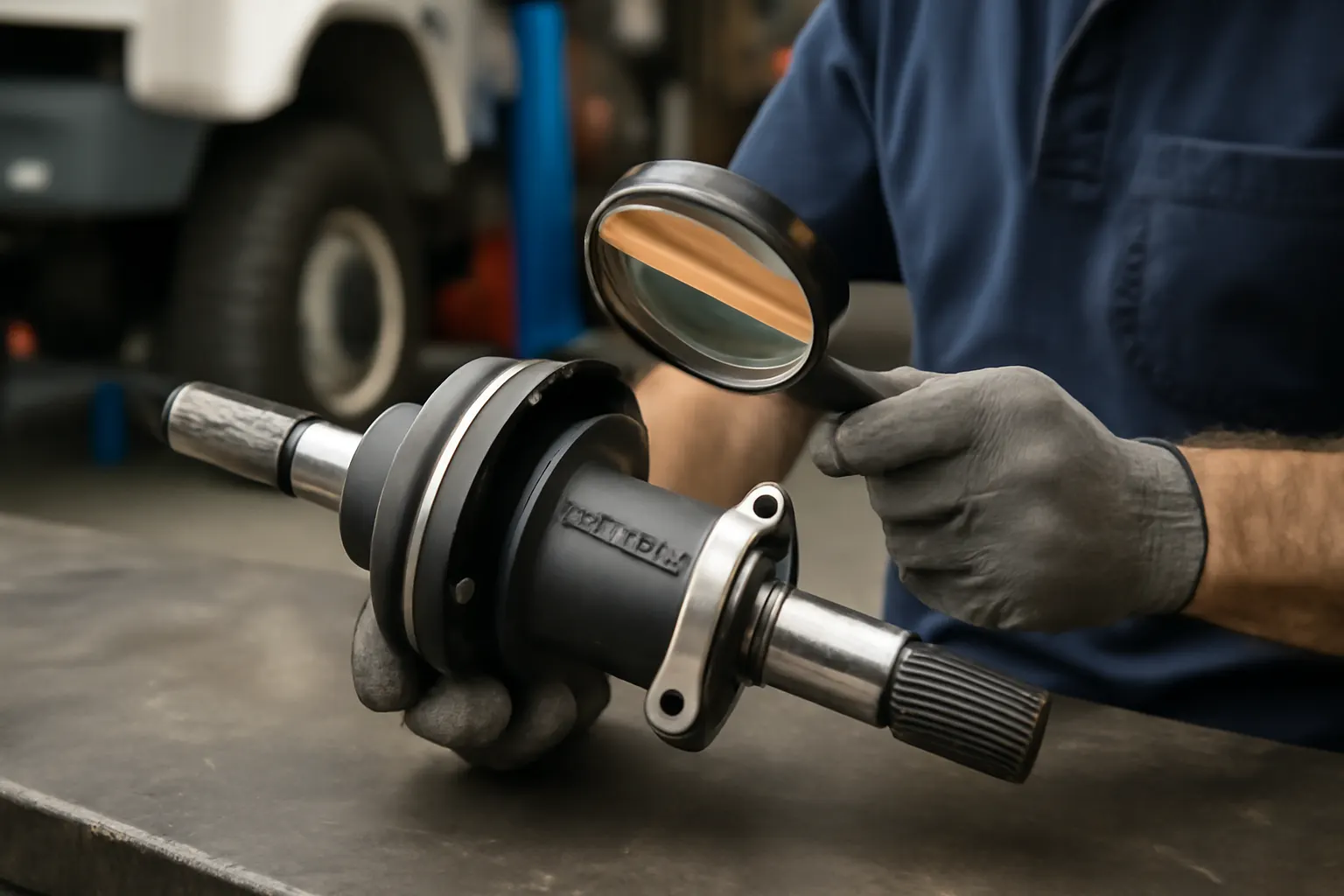
| Casting/Stamping Marks | Crisp, accurate FWD logos, part numbers, date codes | Fuzzy, missing, or inconsistent markings |
| Material Quality | Correct weight, finish, and material for application | Odd color/texture, lightweight, rough surfaces |
| Fit and Dimensions | Matches OEM specifications exactly | Requires force to install, loose fit, misaligned |
| Price | Consistent with market value for rare parts | Dramatically below market price |
| Source | Trusted supplier, documented provenance | Unverified seller, no track record |
| Documentation | Includes technical sheets, installation instructions | Lacks paperwork or generic documents |
If in doubt, consult the How to Identify Authentic FWD Parts editorial for a deeper dive into visual and technical authentication.
Why Legacy FWD Fleets Are Especially Vulnerable
The unique history of FWD trucks, from military applications to municipal use, means their parts supply is inherently limited. Many OEM suppliers no longer exist, and legitimate New Old Stock is dwindling. This scarcity drives up prices and incentivizes counterfeiters. Additionally, FWD trucks often require specialized components not shared with other makes, making it harder to substitute or cross-reference parts.
Fleet operators may be tempted by lower-cost alternatives, especially when faced with long lead times or high prices for authentic components. However, the risks of counterfeit parts—including loss of vehicle, safety incidents, and even regulatory penalties—far outweigh any short-term savings.
Real-World Consequences: Case Studies from the Field
Fleet managers and restoration experts have reported numerous incidents where counterfeit FWD parts led to costly failures:
- Brake System Failure: A municipal snowplow equipped with counterfeit brake pads experienced total brake loss during operation. Post-incident analysis revealed the friction material was substandard and delaminated from the backing plate.
- Drivetrain Catastrophe: An off-road FWD fire truck suffered catastrophic transfer case failure due to counterfeit gears. The gears were made from low-grade steel, leading to tooth breakage under moderate load.
- Steering Column Collapse: A restored FWD Model B exhibited steering play and eventual column collapse after installation of a counterfeit steering shaft sourced from an online auction.
These cases underscore the importance of rigorous sourcing and inspection protocols for all FWD truck parts.
The Technical Details: How Counterfeit Parts Differ from OEM
Understanding the technical differences between genuine FWD parts and counterfeits is key to effective fleet management. Here are the most critical differentiators:
Materials and Metallurgy
OEM FWD parts are engineered using specific alloys, heat treatment processes, and quality control standards. Counterfeiters often substitute cheaper metals, skip critical treatments, and forgo testing, resulting in parts that may look correct but fail under stress [DOE Materials Technologies].
Manufacturing Tolerances
Legacy FWD components are built to precise tolerances to ensure fitment and function. Counterfeit parts often have inconsistent dimensions, leading to installation difficulties, increased wear, and premature failure.
Engineering Standards
OEM parts adhere to established standards, such as those published by SAE International [SAE Standards]. Counterfeiters rarely meet these benchmarks, and their products may lack essential safety or performance features.
Diagnostic Procedures: How to Verify Legacy FWD Parts
A systematic approach to verification is essential for every FWD fleet operator or restorer. Here’s how to protect your fleet:
- Visual Inspection: Scrutinize packaging, markings, and overall appearance. Look for telltale signs of poor quality or inconsistencies.
- Weight and Material Testing: Compare suspect parts to known-good OEM samples. Significant weight differences can indicate inferior materials.
- Dimensional Checks: Use calipers or micrometers to verify critical dimensions against OEM specifications.
- Supplier Verification: Only purchase from reputable suppliers with documented histories of providing genuine FWD parts.
- Documentation Review: Demand technical sheets, certificates of authenticity, and installation instructions.
- Professional Consultation: When in doubt, consult with FWD specialists or reference technical documentation available through trusted sources like FWD Trucks OEM Parts: Heritage, Technical Reference & Expert Sourcing | AutoPartEx.
Advertisement
Sourcing Reliable FWD Parts: Best Practices
The safest way to avoid counterfeit FWD parts is to implement a rigorous sourcing protocol:
1. Buy from Established Specialists
Rely on established FWD parts specialists and networks. These suppliers have reputations to maintain and are more likely to provide genuine components with proper documentation.
2. Verify Part Numbers and Provenance
Cross-reference part numbers with original FWD documentation. Look for provenance, such as old dealership inventory, NOS packaging, or traceable supply chains.
3. Utilize Technical Reference Guides
Use technical reference materials and exploded diagrams to verify correct part applications. The FWD Trucks Maintenance & Service Guide is an excellent resource for maintenance intervals and part fitment.
4. Avoid “Too Good to Be True” Deals
If a part is offered at a fraction of the going rate, be skeptical. Counterfeiters often use low prices to move inventory quickly.
5. Document Every Purchase
Maintain detailed records of suppliers, invoices, and part numbers. This documentation is invaluable if an issue arises and is also helpful for future restorations or fleet audits.
Installation and Maintenance: Minimizing Counterfeit Risks
Even after sourcing, installation and maintenance protocols play a crucial role in minimizing the impact of counterfeit parts:
- Pre-Installation Inspection: Always inspect parts for defects or inconsistencies before installation.
- Test Fit: Temporarily install the part to check for fit and function before final assembly.
- Monitor Performance: Track part performance post-installation. Unusual noises, rapid wear, or unexpected failures may indicate a counterfeit component.
- Routine Audits: Regularly review fleet maintenance records for patterns of premature failure that could signal counterfeit parts.
Regulatory and Safety Implications
Using counterfeit parts can have significant regulatory and safety implications:
- NHTSA Recalls: Vehicles equipped with counterfeit safety components may be subject to recalls or regulatory action [NHTSA Recalls].
- Insurance and Liability: In the event of an accident, the use of counterfeit parts can complicate insurance claims or expose operators to liability.
- Compliance: Maintaining compliance with safety standards is critical, especially for municipal or commercial FWD fleets.
The Role of Documentation in Combatting Counterfeit Parts
Comprehensive documentation is your strongest ally. Maintain:
- Parts Inventories: Catalog all parts used, including batch numbers and supplier details.
- Service Records: Log all maintenance and repairs, noting any issues with part quality or fitment.
- Photographic Evidence: Take photos of parts before and after installation for future reference.
This level of documentation not only helps prevent counterfeit infiltration but also enhances your fleet’s value and compliance posture.
AutoPartEx: Your Partner in Authentic FWD Parts Sourcing
AutoPartEx is committed to supporting legacy FWD truck operators with expert sourcing, technical guidance, and access to authentic components. Our resources—including the FWD Trucks OEM Parts: Heritage, Technical Reference & Expert Sourcing | AutoPartEx hub—connect you to trusted suppliers, detailed technical references, and diagnostic tools. We recommend leveraging our curated guides and checklists, such as the How to Identify Authentic FWD Parts, for every part purchase or installation.
Taking Action: Expert Steps for FWD Fleet Managers
To safeguard your legacy FWD fleet:
- Audit Your Current Inventory: Review all parts in stock for authenticity using the checklist above.
- Train Your Team: Educate technicians and purchasing staff on the risks and warning signs of counterfeit parts.
- Standardize Your Sourcing: Commit to buying only from reputable, traceable suppliers.
- Leverage AutoPartEx Resources: Use our technical guides and sourcing tools to verify every part.
- Report Suspect Parts: If counterfeit parts are discovered, document and report them to both your supplier and regulatory authorities.
Conclusion: Protecting the Legacy and Safety of FWD Truck Fleets
The risks posed by counterfeit parts to legacy FWD fleets are real, persistent, and costly. By understanding the scope of the problem, learning to spot fakes, and rigorously vetting every purchase, you can protect your fleet’s safety, performance, and historical value. AutoPartEx stands ready to assist with technical expertise, trusted supplier networks, and authoritative reference materials—ensuring your FWD trucks remain roadworthy for generations to come.
References
Advertisement