Advertisement
Counterfeit parts are a persistent and growing threat in the heavy-duty aftermarket, especially for high-value brands like Freightliner. Identifying, avoiding, and reporting these fake components is critical to ensure safety, maintain vehicle reliability, and protect your investment—whether you manage a fleet or operate a single truck. This comprehensive guide from AutoPartEx delivers practical methods for detecting counterfeit Freightliner parts, explores the risks and technical challenges, and provides actionable steps to prevent counterfeit infiltration in your supply chain. For more technical fitment and sourcing guidance, see our Freightliner OEM Parts: Technical Guide, Fitment, and Sourcing | AutoPartEx.
Why Counterfeit Freightliner Parts Are an Immediate Threat
Counterfeit Freightliner parts are not just a nuisance—they pose serious safety, operational, and financial risks to fleets and independent operators alike. Fake parts can cause catastrophic failures, trigger regulatory violations, and undermine fuel efficiency and emissions compliance. The National Highway Traffic Safety Administration (NHTSA) underscores that substandard equipment and parts are a leading cause of vehicle safety recalls and on-road incidents. For Freightliner owners, the stakes are even higher due to the brand’s prevalence in long-haul, vocational, and critical service applications.
What Makes Freightliner Parts a Target?
Freightliner’s high-volume, high-value product lines—such as Cascadia, M2, and Business Class—drive enormous demand for replacement parts. This demand, combined with the complexity and cost of genuine components, creates a lucrative market for counterfeiters. These illicit suppliers often replicate packaging and part numbers, making detection difficult even for experienced technicians.
The Hidden Problem: How Counterfeit Parts Slip into the Supply Chain
While most operators believe they are buying genuine parts, counterfeit Freightliner components routinely enter the market through unauthorized distributors, online marketplaces, and even some brick-and-mortar outlets. The problem is exacerbated by globalized supply chains, inconsistent regulatory enforcement, and the increasing sophistication of counterfeiters.
Supply Chain Vulnerabilities
- Unauthorized Distributors: Non-OEM dealers may offer parts at suspiciously low prices, sometimes unknowingly selling counterfeits acquired from gray market sources.
- Online Marketplaces: E-commerce platforms often lack robust vetting, making it easy for counterfeiters to blend their products with legitimate listings.
- Bulk Importers: Some importers mix counterfeit parts with legitimate bulk shipments, making detection at the point of sale challenging.
The Impact on Fleets and Operators
Once installed, counterfeit parts can cause unpredictable failures, impact warranty status, and result in failed DOT inspections. These failures are not always immediate—counterfeit components may degrade rapidly or fail under stress, leading to expensive breakdowns or safety incidents months after installation.
Recognizing the Signs: How to Identify Counterfeit Freightliner Parts
Detecting a counterfeit Freightliner part requires a combination of visual inspection, supplier vetting, and technical knowledge. The following checklist provides a practical starting point for any fleet manager, technician, or parts buyer:
Counterfeit Parts Detection Checklist
| Step | What to Inspect | Red Flags |
|---|---|---|
| 1 | Packaging | Misspelled words, poor-quality printing, missing Freightliner logo or hologram |
| 2 | Part Number | Inconsistent with Freightliner OEM catalog, missing or altered barcodes |
| 3 | Physical Quality | Inferior materials, rough edges, mismatched colors or finishes |
| 4 | Fit & Finish | Parts do not fit as expected, require force to install, or feel lighter/heavier than OEM |
| 5 | Supplier Credentials | No Freightliner authorization, lack of verifiable business address, reluctance to provide documentation |
| 6 | Price | Prices significantly below market average, especially for high-demand items |
| 7 | Documentation | Missing or poorly photocopied warranty cards, installation instructions, or safety notices |
Visual and Physical Cues
- Packaging Quality: Genuine Freightliner parts feature high-quality packaging with accurate branding and security features such as holograms, serialization, or QR codes.
- Material Quality: OEM parts use specific alloys, coatings, and plastics that are difficult to replicate. Counterfeit parts often feel lighter, rougher, or less robust.
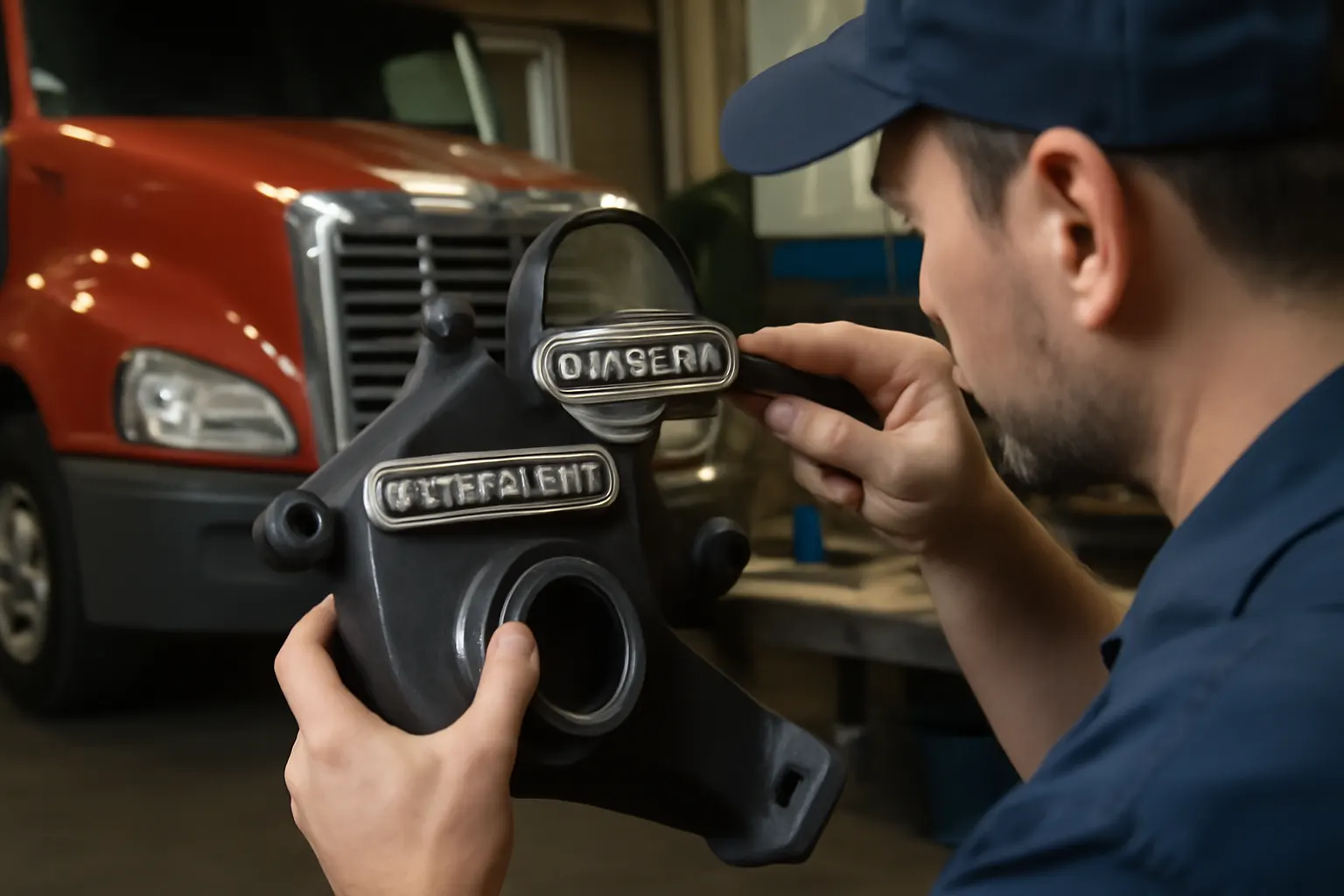
- Markings and Labels: Check for correct Freightliner part numbers, clear laser-etched logos, and consistent font usage.
Technical Consequences: Why Counterfeit Parts Fail
The technical shortcomings of counterfeit Freightliner parts go far beyond superficial appearance. These components typically fail to meet SAE and OEM engineering standards, leading to a cascade of operational and safety issues.
Advertisement
Material and Structural Deficiencies
The United States Department of Energy highlights the importance of advanced materials and precise manufacturing for vehicle performance and durability. Counterfeit parts often substitute inferior metals, plastics, or rubbers, resulting in:
- Reduced Strength: Lower-grade metals can deform, crack, or corrode under load, especially in suspension, steering, or brake components.
- Poor Fitment: Inaccurate machining leads to misalignment, vibration, and premature wear.
- Thermal Instability: Substandard plastics may melt, warp, or become brittle under engine bay temperatures.
Safety and Compliance Risks
NHTSA warns that non-compliant equipment can compromise critical systems such as braking, lighting, and steering. Counterfeit Freightliner parts are rarely tested to OEM or SAE standards, increasing the risk of:
- Brake Failure: Pads, rotors, or calipers made from inferior materials may overheat or fracture.
- Electrical Hazards: Wiring harnesses and sensors may short-circuit or provide inaccurate signals.
- Failed Inspections: DOT and FMCSA inspections routinely flag vehicles with non-compliant or unapproved parts.
The Broader Impact: Fuel Efficiency, Emissions, and Warranty Concerns
Counterfeit parts can have far-reaching effects on Freightliner vehicle performance, especially in areas regulated for emissions and fuel economy.
Fuel Efficiency Degradation
The Department of Energy links proper component design and material selection directly to fuel efficiency. Counterfeit parts—particularly in the drivetrain, engine, and aerodynamic assemblies—can increase rolling resistance, disrupt airflow, and cause engine inefficiencies, leading to higher fuel consumption and operating costs.
Emissions Compliance
Modern Freightliner trucks rely on precise sensor and exhaust aftertreatment systems. Non-genuine sensors, EGR valves, or DPF components can cause check-engine lights, failed emissions tests, and even engine derating or shutdown.
Warranty and Liability Risks
Freightliner warranties typically exclude failures caused by non-OEM or counterfeit parts. A single counterfeit installation can void coverage, leaving the owner responsible for costly repairs and regulatory penalties.
Real-World Diagnostic Patterns: How Counterfeits Are Detected in the Field
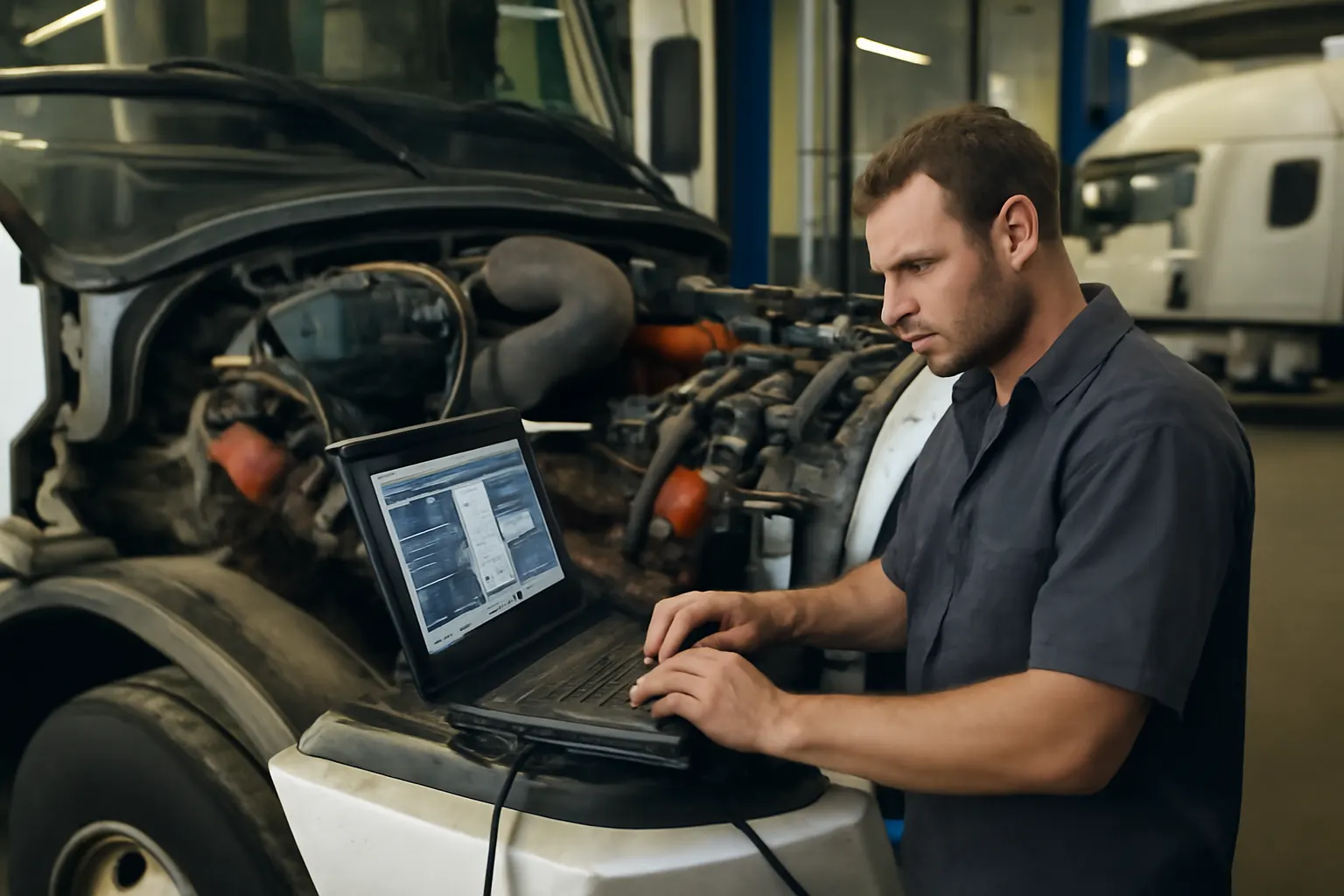
Field diagnostics often reveal the presence of counterfeit parts after symptoms emerge. Common diagnostic patterns include:
- Unexpected Fault Codes: Incompatible or low-quality sensors triggering persistent DTCs (Diagnostic Trouble Codes).
- Premature Wear: Components such as bushings, belts, or filters failing well before their expected service interval.
- Unusual Noises or Vibrations: Counterfeit suspension or drivetrain parts causing clunks, squeaks, or excessive vibration.
- Visual Mismatches: Technicians noticing subtle differences in casting marks, fastener types, or surface finishes during routine service.
For more diagnostic patterns specific to Freightliner Cascadia and other models, see our Field Report: Freightliner Cascadia Diagnostic Patterns.
Sourcing Strategies: How to Avoid Counterfeit Freightliner Parts
Avoiding counterfeit parts requires a systematic sourcing strategy, from supplier selection to purchase documentation.
Buy Only from Authorized Sources
- OEM Dealers: Purchase Freightliner parts directly from authorized dealerships or certified OEM distributors.
- Verified Online Retailers: Use platforms with established anti-counterfeiting policies and clear return procedures.
- Check Supplier Credentials: Demand proof of Freightliner authorization, business registration, and physical address.
Maintain a Sourcing Audit Trail
- Retain Invoices and Packaging: Keep detailed records of all purchases, including batch numbers and supplier invoices.
- Request Certificates of Authenticity: For critical or high-value parts, request documentation verifying OEM origin.
Train Staff and Technicians
- Awareness Training: Educate all parts buyers and technicians on counterfeit risks and detection methods.
- Regular Updates: Stay current with Freightliner and industry bulletins related to parts recalls and known counterfeit threats.
Installation and Fitment: Red Flags During Service
Technicians are often the last line of defense against counterfeit parts. During installation and fitment, be alert for:
- Unexpected Fitment Issues: Genuine Freightliner parts are engineered for precise fit. If a component requires modification, excessive force, or does not align as expected, suspect a counterfeit.
- Missing or Incorrect Fasteners: Counterfeit kits may include generic or mismatched hardware.
- No Installation Instructions: Lack of Freightliner-branded documentation is a common red flag.
For advanced fitment verification, utilize our Freightliner VIN Lookup & Fitment Guide to cross-reference part numbers and compatibility.
Maintenance Protocols: Preventing Counterfeit Parts from Entering Your Fleet
A proactive maintenance protocol is essential to minimize the risk of counterfeit part installation.
Advertisement
Develop a Parts Verification Process
- Pre-Installation Inspection: Require technicians to inspect and verify all parts before installation using the detection checklist above.
- Inventory Segregation: Separate suspect or unverified parts from confirmed OEM inventory.
- Report and Quarantine: Immediately report and quarantine any suspected counterfeit parts for further investigation.
Schedule Regular Audits
- Inventory Audits: Perform periodic inventory checks to ensure all parts meet OEM standards.
- Supplier Reviews: Regularly evaluate supplier performance and compliance with Freightliner sourcing requirements.
Reporting Counterfeit Freightliner Parts
If you encounter a suspected counterfeit part, it is critical to report it promptly to protect your operation and the broader industry.
Who to Notify
- Freightliner/Daimler Trucks North America: Contact Freightliner’s customer support or your authorized dealer.
- NHTSA: File a report with the National Highway Traffic Safety Administration for equipment safety concerns.
- Local Law Enforcement: In cases of fraud or significant financial loss, notify the appropriate authorities.
What Information to Provide
- Part Details: Part number, description, and any batch or serial numbers.
- Supplier Information: Where and when the part was purchased.
- Supporting Evidence: Photos of packaging, labels, and the part itself.
Prompt reporting helps manufacturers and regulators identify counterfeit trends and take enforcement action, reducing risks for all operators.
Industry Standards and Regulatory Initiatives
Counterfeit part prevention is supported by a network of industry standards and regulatory frameworks:
- SAE Standards: SAE International provides detailed specifications for materials, testing, and labeling of automotive parts. Counterfeit parts nearly always fall short of these standards.
- NHTSA Regulations: The NHTSA regulates equipment safety and issues recalls for non-compliant or dangerous parts. Operators are responsible for ensuring installed parts meet all applicable standards.
- OEM Traceability Initiatives: Freightliner and other manufacturers are increasingly using serialization, QR codes, and blockchain-based tracking to enhance supply chain transparency.
For more on Freightliner platform compatibility and technical standards, see our Freightliner Platform Evolution: Parts Compatibility.
The Role of Technology in Counterfeit Detection
Advancements in technology are transforming how fleets and technicians detect and prevent counterfeit parts:
- Digital Authentication: Many OEMs now use QR codes or RFID tags for instant verification via smartphone apps.
- Blockchain Tracking: Some supply chains are piloting blockchain solutions to ensure end-to-end traceability of parts.
- AI-Based Image Recognition: Emerging tools can analyze part images and packaging for subtle counterfeiting cues.
Fleets should stay informed about new authentication tools and incorporate them into their sourcing and maintenance workflows.
The Cost of Counterfeit Parts: Calculating the True Risk
The upfront savings from counterfeit parts are quickly eclipsed by the true costs:
- Increased Downtime: Unscheduled repairs and breakdowns can sideline high-value assets, impacting revenue and customer satisfaction.
- Safety Incidents: A single failure can result in injuries, liability claims, and reputational damage.
- Regulatory Fines: Failed inspections or emissions violations can lead to fines, impoundments, or loss of operating authority.
- Warranty Loss: OEM warranty coverage is often voided by counterfeit part installation, shifting all risk to the owner.
Savvy operators recognize that genuine Freightliner parts are an investment in uptime, safety, and long-term profitability.
AutoPartEx: Your Partner in Genuine Freightliner Parts
At AutoPartEx, we are committed to helping fleets, technicians, and independent operators source only genuine, high-quality Freightliner parts. Our platform connects you with authorized suppliers, provides VIN-based fitment guidance, and maintains rigorous standards for supplier verification. For the latest technical guides, sourcing strategies, and diagnostic resources, explore our Freightliner OEM Parts: Technical Guide, Fitment, and Sourcing | AutoPartEx page.
Expert Action: What to Do Next
- Audit Your Current Inventory: Use the detection checklist to inspect all Freightliner parts in stock.
- Review Supplier Relationships: Confirm that all suppliers are authorized and can provide authenticity documentation.
- Train Your Team: Implement regular counterfeit awareness training for technicians and parts buyers.
- Upgrade Your Sourcing Processes: Use VIN-based fitment and supplier verification tools to ensure every part is genuine.
- Report and Quarantine Suspect Parts: Don’t hesitate to report questionable parts to Freightliner, NHTSA, and law enforcement.
By following these steps, you protect your fleet, your business, and the broader Freightliner community from the dangers of counterfeit parts.
References
Advertisement