Advertisement
Field Report: Freightliner Cascadia Diagnostic Patterns
When a Freightliner Cascadia rolls into the service bay, technicians face a unique blend of advanced technology, heavy-duty engineering, and a diagnostic landscape shaped by real-world wear, regulatory standards, and evolving parts compatibility. This field report delivers immediate, actionable insights for identifying and resolving the most common diagnostic patterns seen in Cascadia trucks. Whether you’re a fleet manager, independent repair shop owner, or OEM parts buyer, understanding these patterns can streamline troubleshooting and prevent costly downtime.
For a comprehensive technical resource on OEM fitment, sourcing, and platform compatibility, visit our Freightliner OEM Parts: Technical Guide, Fitment, and Sourcing | AutoPartEx page. This guide complements your diagnostic workflow by ensuring you source the correct parts for the specific Cascadia variant under your care.
The Immediate Answer: Top Cascadia Diagnostic Patterns in 2026 Service Bays
Freightliner Cascadia service bays consistently report several recurring diagnostic themes. The most prevalent patterns include:
- Aftertreatment System Faults (especially DPF and SCR inefficiencies)
- Electrical Harness Failures (notably in chassis and cab integration points)
- Sensor Communication Errors (wheel speed, NOx, and fuel delivery sensors)
- HVAC and Body Control Module (BCM) Malfunctions
- Recurring ABS Fault Codes
- Fuel System Irregularities (including injector and rail pressure issues)
- Suspension and Ride Height Sensor Alerts
Each of these patterns reveals not only a technical issue but also an underlying challenge in sourcing the right replacement components, interpreting evolving fault code standards, and maintaining compliance with safety and efficiency mandates.
The Hidden Problem: Why Cascadia Diagnostics Are Increasingly Complex
While Cascadia’s modular design and robust electronics architecture are intended to streamline repairs, the reality is more nuanced. Modern Freightliner models, especially post-2018 Cascadia, integrate advanced emissions systems, multiplexed wiring, and proprietary control modules. This complexity produces:
- Intermittent Faults: Many service codes are context-dependent, triggered only under specific load, temperature, or driving conditions.
- Parts Variant Confusion: Due to platform evolution and mid-cycle updates, fitment data can be ambiguous, leading to incorrect part sourcing or installation errors.
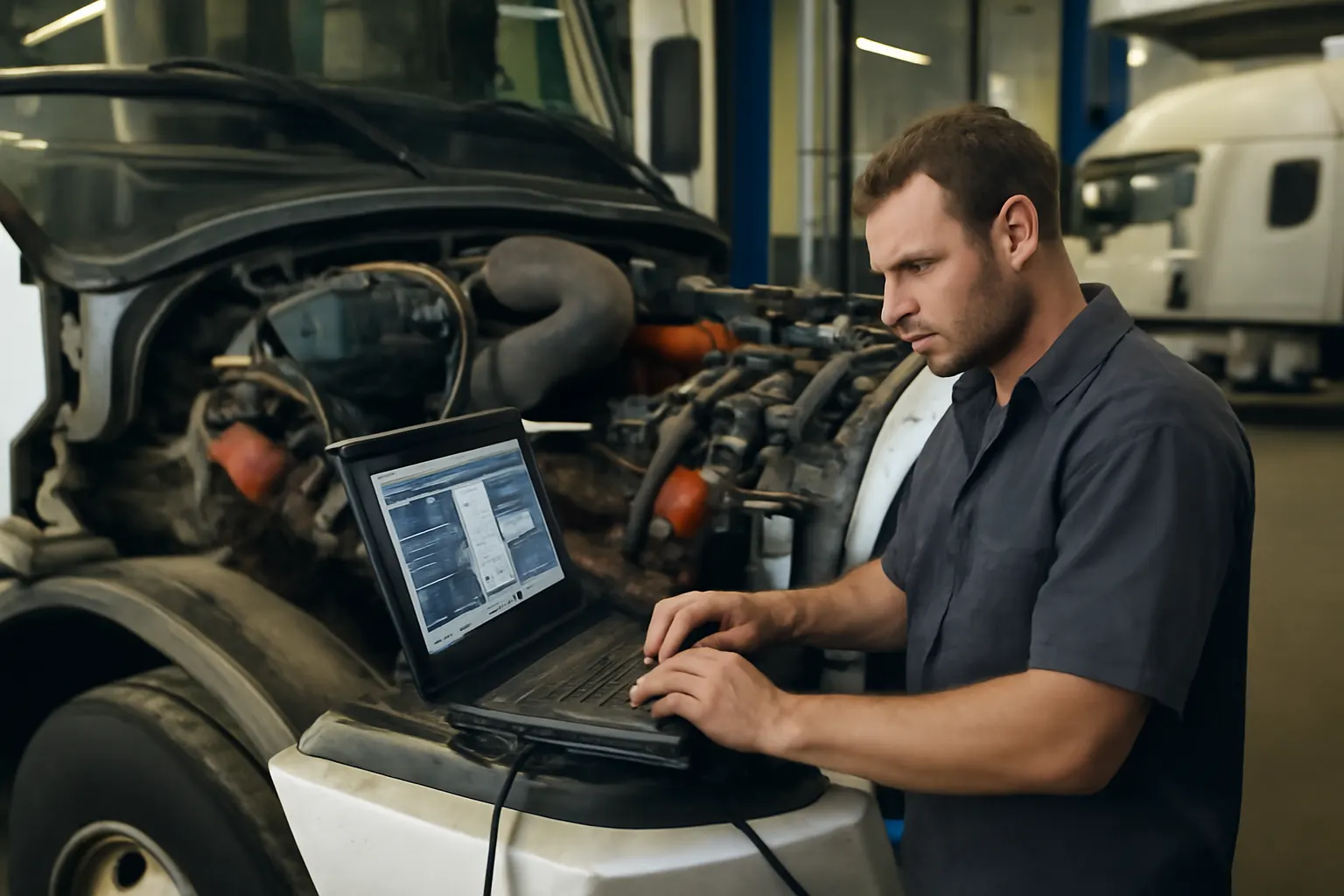
- Diagnostic Tool Limitations: Generic scan tools may fail to access proprietary parameters, and software updates are required to interpret new or revised fault codes.
These factors often result in repeated service visits, increased labor hours, and frustration for both technicians and fleet operators.
Deeper Technical Explanation: Core Systems Behind Recurring Faults
1. Aftertreatment System Faults
Cascadia’s aftertreatment system, which includes the Diesel Particulate Filter (DPF) and Selective Catalytic Reduction (SCR) components, is a frequent source of diagnostic trouble codes (DTCs). Problems typically stem from:
- DPF Regeneration Failures: Blockages or sensor errors prevent complete soot burn-off.
- SCR NOx Sensor Drift: Sensor aging or wiring issues lead to inaccurate emissions readings.
- DEF Quality Concerns: Poor DEF (Diesel Exhaust Fluid) quality or tank sensor errors can trigger derate conditions.
2. Electrical Harness and Connector Issues
Multiplexed wiring harnesses in the Cascadia are subject to vibration, moisture ingress, and wear at bend points. Common manifestations include:
- Intermittent Power Loss: Chafed wires or corroded connectors interrupt communication between modules.
- Phantom Fault Codes: Spurious DTCs caused by fluctuating voltages or ground faults.
3. Sensor and Module Communication
A proliferation of sensors—wheel speed, fuel rail pressure, ambient temperature, and more—means that a single loose connector or failed sensor can cascade into multiple system alerts. The CAN (Controller Area Network) bus architecture is robust but sensitive to resistance changes and voltage drops.
4. ABS and Brake System Alerts
ABS faults often relate to wheel speed sensor issues, tone ring contamination, or harness damage. These can trigger not only warning lights but also affect cruise control and stability systems.
Advertisement
Case Studies: Real-World Diagnostic Scenarios
Case Study 1: Recurrent DPF Regeneration Codes
A 2023 Cascadia arrives with a persistent “DPF Incomplete Regeneration” message. Technician review reveals:
- Fault Code: SPN 3719 FMI 0 (Aftertreatment SCR Operator Inducement - Severe)
- Root Cause: DEF tank sensor intermittently reading low fluid quality, despite recent fill with certified DEF.
- Resolution: Sensor harness replaced; software recalibration performed.
Case Study 2: Phantom ABS Faults
Fleet operators report sporadic ABS warning lights during wet weather. Diagnostic workflow:
- Initial Scan: Multiple wheel speed sensor codes.
- Physical Inspection: Front harness connector shows signs of water ingress and green copper corrosion.
- Repair: Connector cleaned and resealed; dielectric grease applied; fault codes cleared.
Case Study 3: HVAC Module Intermittency
Driver reports inconsistent cab climate control. Diagnostic path:
- Symptom: Blower fan cuts out during highway operation.
- Investigation: BCM scan reveals intermittent communication loss with HVAC controller.
- Solution: Chassis-to-cab harness connector replaced; system retested under vibration.
The Solution Path: Best Practices for Cascadia Diagnostics
1. Begin with a Comprehensive Code Scan
Always use a Freightliner-compatible scan tool with current software to read all control modules. Record all active and pending codes before clearing or re-testing.
2. Visual and Physical Inspection
Many Cascadia faults have a physical root cause. Inspect:
- Wiring harnesses at known pinch points (firewall, frame rails)
- Connectors for corrosion or water ingress
- Sensor mounting points for contamination or misalignment
3. Confirm Part Fitment Before Replacement
Given the frequency of mid-cycle updates, always verify part numbers using a VIN-specific lookup. For detailed fitment data and part compatibility, consult the Freightliner VIN Lookup & Fitment Guide.
4. Test in Real-World Conditions
Some faults only appear under load, at specific speeds, or during regeneration cycles. Perform road tests or simulate operating conditions as needed.
Diagnostic Checklist: Cascadia Service Bay Workflow
To streamline diagnostics and reduce repeat visits, use this checklist with every Cascadia intake:
| Step | Action | Notes |
|---|---|---|
| 1 | Record VIN and mileage | Confirm model year and platform variant |
| 2 | Perform full system scan | Use OEM-compatible diagnostic tool |
| 3 | Document all codes | Capture both active and pending faults |
| 4 | Inspect wiring harnesses | Focus on chassis-cab, DPF, and ABS harnesses |
| 5 | Check connectors | Look for moisture, corrosion, and secure fit |
| 6 | Validate sensor outputs | Compare live data to spec; wiggle test connectors |
| 7 | Confirm part numbers | Use VIN lookup for all replacement parts |
| 8 | Simulate operating conditions | Test under load, regen, or road conditions |
| 9 | Clear codes and retest | Ensure repair effectiveness before release |
| 10 | Document repairs | Maintain detailed service records for future reference |
Sourcing the Right Freightliner Cascadia Parts
The Challenge of Platform Evolution
Freightliner has introduced multiple platform updates, affecting everything from emissions equipment to electrical architecture. This means that two Cascadias built just months apart may require different parts—even for seemingly identical repairs.
OEM vs. Aftermarket: The Fitment Equation
While aftermarket options exist, OEM parts remain the gold standard for compatibility, safety, and regulatory compliance. According to NHTSA guidelines, use of certified and properly tested replacement parts is crucial for maintaining vehicle safety and performance.
VIN-Driven Sourcing
Always use the full 17-digit VIN for part lookups. This ensures precise compatibility, especially for:
- DPF and SCR modules
- Electrical harnesses
- Control modules (BCM, ABS, HVAC)
- Sensors and actuators
For a step-by-step guide to platform differences and sourcing, see our Freightliner Platform Evolution: Parts Compatibility.
Common Missteps: Avoiding Repeat Repairs
1. Overlooking Harness Damage
Physical inspection is often skipped under time pressure. However, many “electronic” faults are rooted in mechanical damage to wiring or connectors.
Advertisement
2. Ignoring Software Updates
Control modules may require the latest software to recognize new parts or interpret updated sensor signals. Always check for OEM technical service bulletins (TSBs) and recommended software versions.
3. Using Non-Specific Parts
Generic or “universal” sensors and modules may fit physically but fail to communicate properly with Cascadia’s multiplexed systems. This can trigger persistent DTCs or degraded system performance.
Regulatory and Safety Considerations
Mandated Equipment and Recall Awareness
The National Highway Traffic Safety Administration maintains databases of equipment recalls and safety notices. Always check for open recalls or safety campaigns on the specific Cascadia VIN before performing repairs—especially when dealing with brake, steering, or emissions systems.
Materials and Efficiency
The United States Department of Energy emphasizes the importance of materials technologies and fuel efficiency in modern truck design (DOE Materials Technologies, DOE Fuel Efficiency). Repairs and component replacements must not compromise these engineering priorities, especially regarding weight, structure, and emissions compliance.
Advanced Troubleshooting: When Standard Diagnostics Aren’t Enough
1. CAN Bus Analysis
If multiple systems report communication errors, use a CAN bus analyzer to check for abnormal resistance, voltage drops, or signal noise. Pay special attention to splice packs and ground points.
2. Oscilloscope Testing
For intermittent sensor faults, back-probe connectors and use an oscilloscope to observe waveforms. This can reveal dropouts or noise not seen in scan tool data.
3. Component Substitution
In cases where diagnostics are inconclusive, temporarily swap suspect modules or harnesses with known-good units (when available) to isolate the fault.
Preventive Maintenance to Reduce Diagnostic Surprises
Scheduled Inspections
Incorporate regular checks of high-failure areas:
- DPF and SCR sensors (clean and inspect at each PM interval)
- Chassis and cab harnesses (inspect for chafing, especially after body repairs)
- ABS connectors (clean and reseal annually)
Fluid Quality
DEF and fuel quality directly impact aftertreatment system health. Use only certified fluids and regularly inspect tanks for contamination.
Software and Calibration Updates
Schedule periodic software checks and updates for all control modules—especially after major repairs or parts replacements.
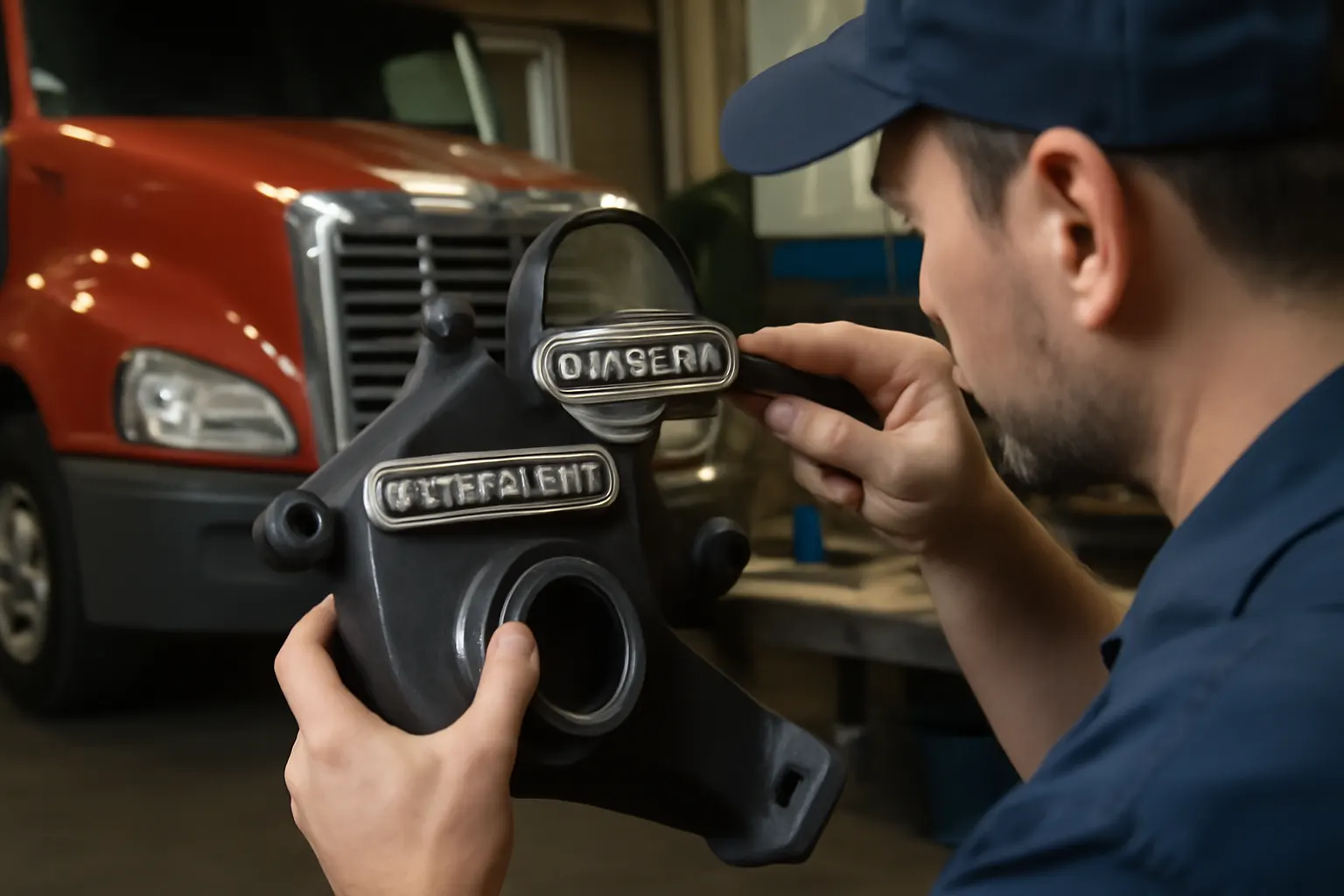
Fitment and Counterfeit Detection: Protecting Your Investment
Counterfeit Parts Risk
The prevalence of counterfeit or substandard parts in the heavy-duty market is a growing concern. These parts can cause:
- Persistent fault codes due to incorrect electrical parameters
- Premature failure of sensors or modules
- Safety system malfunctions
For detailed guidance on identifying and avoiding counterfeit Freightliner parts, see our Counterfeit Freightliner Parts: Detection & Prevention editorial.
Fitment Verification
Always cross-check any part—OEM or aftermarket—against Freightliner’s VIN-based fitment data. Even minor deviations in connectors, mounting tabs, or calibration can trigger system errors.
The AutoPartEx Approach: Why Accurate Diagnostics and Sourcing Matter
At AutoPartEx, we recognize that successful Cascadia service is built on accurate diagnostics, precise fitment, and quality parts sourcing. Our technical resources, VIN lookup tools, and OEM-focused guides are designed to help technicians and fleet managers:
- Reduce diagnostic time and repeat repairs
- Source guaranteed-compatible Freightliner parts
- Stay informed about platform changes and regulatory updates
For a full catalog of Freightliner OEM components and technical fitment data, visit the Freightliner OEM Parts: Technical Guide, Fitment, and Sourcing | AutoPartEx page.
Expert Action: Next Steps for Technicians and Fleet Managers
- Implement the Diagnostic Checklist: Standardize your Cascadia intake workflow to catch common issues early.
- Leverage VIN-Specific Resources: Use AutoPartEx fitment guides and lookup tools for every part replacement.
- Stay Informed on Platform Updates: Regularly consult technical bulletins and update your diagnostic equipment.
- Prioritize OEM Parts: Protect your fleet’s safety, efficiency, and regulatory compliance.
- Document and Share Insights: Maintain detailed repair records and share diagnostic trends with your team.
By following these best practices, you’ll minimize downtime, maximize safety, and ensure the long-term reliability of every Freightliner Cascadia in your care.
References
Advertisement