Advertisement
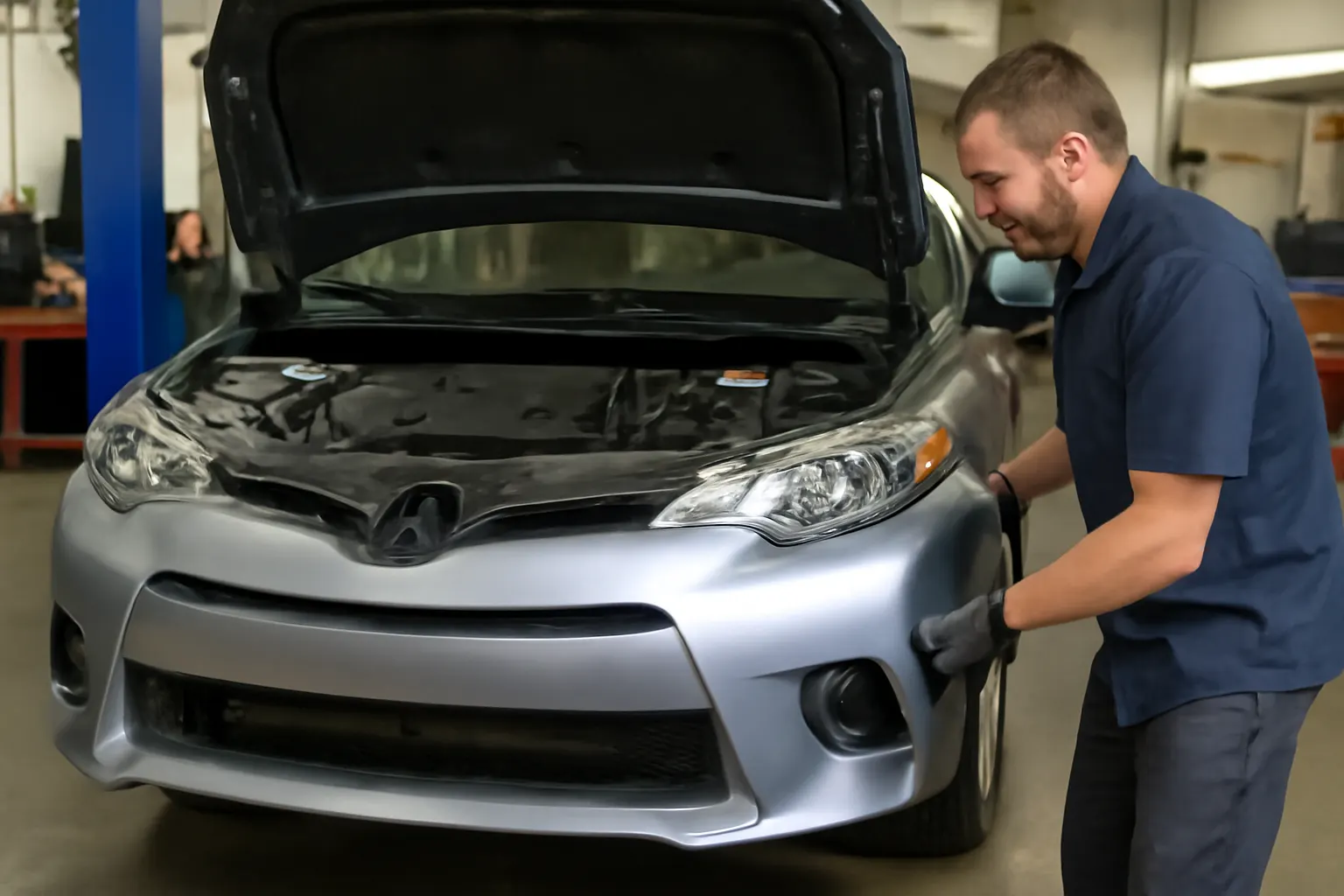
Genuine OEM Toyota bumpers are essential for ensuring optimal fit, safety, and performance on your Toyota vehicle. Whether you’re repairing collision damage, restoring a classic, or upgrading your vehicle’s appearance, sourcing the correct bumper assembly—including the cover—can be the difference between a seamless repair and a frustrating, costly mistake. This guide delivers actionable steps for identifying, sourcing, and verifying authentic OEM Toyota bumpers, while highlighting the risks of relying on aftermarket alternatives. For a comprehensive overview of Toyota front bumper assemblies, including fitment and failure patterns, visit the Toyota Front Bumper Assembly (Includes Cover): Fitment, Failure Patterns, and Expert Sourcing Guide.
Why Genuine OEM Bumpers Matter: The Immediate Answer
OEM (Original Equipment Manufacturer) Toyota bumpers are engineered to meet the exact specifications, safety standards, and material requirements set by Toyota and verified by regulatory agencies like the National Highway Traffic Safety Administration (NHTSA). These bumpers are designed to:
- Integrate seamlessly with vehicle safety systems (airbags, sensors, crumple zones)
- Deliver precise fitment and alignment
- Maintain factory appearance and paint match
- Comply with federal safety and material standards, supporting both occupant protection and fuel efficiency
By choosing an OEM Toyota bumper, you’re ensuring the replacement part will perform identically to the original, preserving both the vehicle’s safety and value. Aftermarket bumpers, while often less expensive, can introduce subtle but critical issues in safety, fitment, and durability.
The Hidden Problem: Pitfalls of Aftermarket and Counterfeit Bumpers
Many Toyota owners and repair shops attempt to save money by purchasing aftermarket or imitation bumpers. However, these alternatives often fail to meet Toyota’s strict engineering and quality standards. The most common hidden problems include:
- Substandard Materials: Aftermarket bumpers may use lower-grade plastics or metals that are more prone to cracking, warping, or failing during a collision (DOE Materials Technologies).
- Imprecise Fitment: Slight dimensional inaccuracies can lead to installation difficulties, misaligned panels, or interference with other components.
- Safety System Compromises: Bumpers not designed for your model year may interfere with sensors, radar, or airbag deployment, undermining critical safety features (NHTSA Equipment).
- Paint and Finish Issues: Non-OEM surfaces may not accept factory paint codes properly, leading to mismatched or peeling finishes.
- Legal and Insurance Concerns: Some insurers may not cover repairs using non-OEM parts, and aftermarket parts can complicate claims or resale value.
These risks are often hidden until after installation, when correcting them becomes far more expensive and time-consuming.
Understanding Toyota Bumper Assemblies: More Than Just a Cover
A Toyota front bumper assembly is a complex, multi-component system. It typically includes:
- Bumper Cover: The visible, painted exterior shell.
- Reinforcement Bar: The structural element that absorbs impact.
- Energy Absorber: Foam or plastic inserts that dissipate energy.
- Mounting Brackets and Hardware: Ensure proper alignment and secure attachment.
- Trim, Grilles, and Sensor Housings: Model-dependent features for styling and function.
Each component is engineered for a specific Toyota model, year, and trim. Replacing only the cover or using a generic assembly can result in incomplete protection or poor vehicle integration. For a detailed breakdown of how assemblies differ by vehicle, see our Toyota Bumper Replacement guide.
How to Identify OEM Toyota Bumpers
Before purchasing, confirm the part’s authenticity using these practical steps:
1. Check the Part Number
Toyota assigns a unique part number to every bumper assembly and cover. Genuine OEM bumpers will have:
- Toyota Logo and Part Number: Imprinted or labeled directly on the part.
- Supersession Information: If the part has been updated, the latest OEM part number will supersede the previous one. Verify fitment using a reliable database or consult our Toyota Supersession Fitment resource.
2. Inspect the Packaging
OEM bumpers typically arrive in Toyota-branded packaging with:
- Factory barcodes and serial numbers
- Manufacturer’s information (often “Toyota Motor Corporation” or approved suppliers)
- Clear labeling of model, year, and trim compatibility
Advertisement
3. Evaluate the Material and Finish
Authentic Toyota bumpers use high-quality materials that meet strict durability and safety standards. Look for:
- Consistent thickness and weight
- Smooth, even finish ready for paint or pre-painted to match Toyota codes
- Proper mounting tabs and bracket reinforcements
4. Buy from Authorized Sources
Purchase directly from Toyota dealerships, certified online retailers, or trusted OEM parts distributors. Avoid third-party marketplaces unless the seller is verified.
Checklist: OEM Toyota Bumper Verification
Use this checklist before finalizing your purchase:
| Step | What to Look For | Why It Matters |
|---|---|---|
| Toyota part number present | Imprinted/stamped on the bumper | Confirms originality and fitment |
| Toyota packaging | Branded box, barcodes, and documentation | Reduces counterfeit risk |
| Material quality | Durable, consistent, correct thickness | Ensures safety and longevity |
| Mounting points | All tabs, holes, and brackets intact | Guarantees straightforward installation |
| Seller reputation | Authorized Toyota dealer or OEM supplier | Protects against fraud and poor quality |
| Supersession/fitment check | Confirmed for your model/year | Avoids compatibility surprises |
Common Failure Patterns in Non-OEM Bumpers
Understanding the risks of non-OEM bumpers can help you avoid costly mistakes. Typical failure modes include:
- Stress Cracking: Inferior plastics are more likely to develop cracks from minor impacts or temperature changes.
- Fastener Breakage: Poorly designed mounting points can shear off or fail to align, leading to rattling or detachment.
- Sensor Malfunction: Radar, parking, or collision sensors may not seat properly, causing warning lights or system errors (NHTSA Equipment).
- Paint Defects: Aftermarket surfaces may not be compatible with Toyota’s paint systems, resulting in bubbling, peeling, or rapid fading.
- Aerodynamic Issues: Incorrect bumper geometry can increase drag or disrupt airflow, potentially affecting fuel efficiency (DOE Fuel Efficiency).
These patterns often only become apparent after installation, making preventive verification essential.
Technical Overview: Why OEM Bumpers Are Engineered Differently
Toyota’s bumper assemblies are designed to meet stringent safety and material standards, including:
- Federal Motor Vehicle Safety Standards (FMVSS): Mandate impact absorption, pedestrian safety, and integration with airbags.
- SAE International Standards: Define material properties, testing protocols, and performance benchmarks (SAE Standards).
- Material Science: Use of advanced plastics, composites, and energy absorbers to balance lightweight construction with crash performance (DOE Materials Technologies).
- Precision Tooling: OEM bumpers are molded using high-precision tools, ensuring exact fitment and consistent quality.
Aftermarket bumpers, by contrast, often cut costs by using generic molds, lower-grade materials, and less rigorous testing—compromising both safety and appearance.
Sourcing Genuine OEM Toyota Bumpers: Step-by-Step Guide
Finding and purchasing the correct OEM bumper involves several practical steps:
1. Gather Vehicle Information
- VIN (Vehicle Identification Number)
- Model, year, trim, and body style
- Optional equipment (fog lights, sensors, sport packages)
2. Use Official Toyota Parts Catalogs
Access Toyota’s online or dealership parts catalogs to identify the correct part number for your bumper assembly. Cross-reference any supersession notes.
3. Compare With Existing Part
If possible, inspect your original bumper for the part number and compare dimensions, mounting points, and features.
4. Contact Authorized Suppliers
Purchase from:
- Toyota dealership parts departments
- Certified online parts retailers specializing in OEM Toyota components
- Local auto body suppliers with access to Toyota’s distribution network
5. Confirm Return/Exchange Policies
Even with careful research, fitment mistakes can occur. Choose suppliers with clear return policies for peace of mind.
Installation Considerations: Preparing for a Seamless Fit
Installing an OEM Toyota bumper is typically straightforward, but attention to detail is crucial:
- Pre-fit the bumper: Before painting or full assembly, test-fit the bumper to the vehicle to confirm alignment and mounting.
- Transfer Components: Move any sensors, grilles, or trim from the old bumper to the new one, following Toyota’s service manual instructions.
- Use OEM Hardware: Replace any worn or damaged fasteners with Toyota-specified hardware for secure attachment.
- Check Sensor Calibration: After installation, verify that all sensors function correctly and recalibrate as needed.
- Inspect for Gaps: Ensure even panel gaps and flush fitment with adjacent body panels.
Advertisement
For detailed step-by-step installation, refer to your vehicle’s Toyota service manual or consult professional repair guides.
Maintenance and Longevity: Maximizing the Life of Your OEM Bumper
Proper maintenance extends the life and appearance of your bumper:
- Regular Cleaning: Use pH-neutral car wash soap and avoid harsh chemicals that can degrade plastic or paint.
- Inspect for Damage: Check for chips, cracks, or loose fasteners after minor impacts or curb contact.
- Protect the Finish: Apply wax or paint protection film to shield against UV rays and minor abrasions.
- Address Issues Promptly: Repair any damage quickly to prevent further deterioration or sensor malfunction.
OEM bumpers are designed to withstand daily driving conditions, but proactive care will preserve their safety and aesthetics.
Diagnostic Tips: Identifying Fitment and Quality Issues
Even with OEM parts, installation or vehicle-specific quirks can cause problems. Watch for:
- Warning Lights: Malfunction indicator lamps after bumper replacement may signal sensor misalignment.
- Unusual Noises: Rattling or vibration can indicate misaligned brackets or missing fasteners.
- Panel Gaps: Excessive or uneven gaps suggest improper installation or the wrong part number.
- Paint Mismatch: Even OEM pre-painted bumpers may require blending for a perfect match; consult a professional body shop if in doubt.
If issues persist, double-check part numbers and installation steps, or seek professional assistance.
The Role of Bumpers in Safety and Efficiency
Bumpers are not just cosmetic—they play a vital role in:
- Crash Energy Management: Absorbing and redirecting impact forces to protect occupants and critical components (NHTSA Equipment).
- Pedestrian Safety: Modern bumpers are designed to reduce injury risk in pedestrian impacts.
- Aerodynamics and Fuel Efficiency: Properly designed bumpers contribute to vehicle drag reduction, supporting fuel economy goals (DOE Fuel Efficiency).
- Integration with Advanced Driver-Assistance Systems (ADAS): Many Toyota models incorporate radar, cameras, and parking sensors into the bumper assembly.
Non-OEM bumpers can compromise any of these functions, making genuine parts a critical safety investment.
How to Avoid Counterfeit and Grey-Market Parts
Counterfeit bumpers are a growing concern, especially in online marketplaces. Protect yourself by:
- Verifying Seller Credentials: Check for Toyota authorization or certification.
- Requesting Documentation: Ask for proof of origin, part numbers, and packaging photos before purchase.
- Avoiding “Too Good to Be True” Deals: Deeply discounted bumpers are often counterfeit or substandard.
- Checking Reviews and Ratings: Look for consistent positive feedback from other Toyota owners and repair shops.
- Consulting Toyota’s Recall/Equipment Database: Ensure the part is not subject to recalls or known quality issues (NHTSA Recalls).
Expert Action: When to Consult a Professional
While sourcing and installing an OEM Toyota bumper is within reach for many DIYers, certain situations demand expert attention:
- Severe Collision Damage: Structural repairs or frame alignment may be required before bumper installation.
- Advanced Safety Systems: Vehicles equipped with radar, adaptive cruise, or parking sensors may require recalibration by a Toyota-certified technician.
- Paint and Finish Matching: Professional body shops have the tools and expertise to blend new bumpers with existing paint for a flawless result.
- Persistent Fitment Issues: If you encounter ongoing alignment or sensor problems, consult a Toyota dealer or certified repair facility.
AutoPartEx partners with leading Toyota parts specialists and repair shops nationwide to ensure you receive expert guidance and authentic OEM parts every time.
Why Choose AutoPartEx for Toyota Bumper Sourcing
AutoPartEx is committed to delivering reliable, technically accurate guidance for all Toyota owners and repair professionals. Our curated network of OEM parts suppliers, in-depth fitment databases, and hands-on technical resources ensure you receive the right bumper for your vehicle—every time. For more insights on Toyota bumper fitment, failure patterns, and expert sourcing, explore our Toyota Front Bumper Assembly (Includes Cover): Fitment, Failure Patterns, and Expert Sourcing Guide and related articles such as Toyota Bumper Safety Design.
References
Advertisement