Advertisement
Fiat Maintenance Schedules: Model-by-Model Analysis
Fiat vehicles are celebrated for their Italian heritage, clever engineering, and city-friendly design. But to extract the best performance, reliability, and value from any Fiat, it’s vital to follow a precise maintenance schedule tailored to your specific model. This in-depth guide delivers actionable, model-by-model Fiat maintenance intervals and expert recommendations for timing belts, spark plugs, fluid changes, and more—so you can keep your Fiat running at its best and avoid costly surprises.
If you're seeking genuine Fiat parts or want to learn more about Fiat’s engineering legacy, visit our Fiat Auto Parts: Heritage, Fitment Precision & OEM Quality | AutoPartEx page for authoritative resources and parts fitment support.
Why Fiat Maintenance Schedules Demand Close Attention
Fiat’s diverse lineup—ranging from the nimble 500 to the versatile 500X and the stylish 124 Spider—means that maintenance needs are not one-size-fits-all. Each model, engine type, and generation brings unique service intervals, especially for high-impact items like timing belts, spark plugs, and transmission fluids. Overlooking these intervals can lead to preventable breakdowns, compromised safety, and higher ownership costs.
Immediate Answer:
For most Fiat models, oil changes are recommended every 7,500 to 10,000 miles, but critical items like timing belts (for select engines) often require replacement at 60,000 to 100,000 miles. Spark plug intervals typically range from 30,000 to 60,000 miles, and brake fluid should be replaced every two years regardless of mileage.
The Hidden Problem: Overlooked Intervals and Model-Specific Pitfalls
Many Fiat owners and even some independent shops rely on generic maintenance schedules, missing nuances that can impact performance and safety. For example, the Fiat 500 Turbo’s timing belt interval differs from the non-turbo 500, and the 500X’s 2.4L Tigershark engine has unique oil and coolant requirements. Skipping or delaying service on these critical components can result in engine damage, sudden breakdowns, or even safety risks—especially if recalls or updated technical bulletins have altered the original schedule.
How Maintenance Schedules Affect Safety, Longevity, and Efficiency
The Impact of Deferred Maintenance
Neglecting or misinterpreting Fiat’s maintenance intervals can have cascading effects:
- Safety Risks: Worn timing belts, neglected brake fluid, or degraded tires may cause sudden failures, increasing accident risk (NHTSA Equipment).
- Lower Fuel Efficiency: Dirty air filters, worn spark plugs, and improper fluid levels reduce engine efficiency and increase fuel consumption (DOE Fuel Efficiency).
- Costly Repairs: A missed timing belt change can result in catastrophic engine failure, while ignoring transmission fluid intervals can lead to expensive gearbox rebuilds.
Model-Specific Example
A 2017 Fiat 500 Abarth owner who follows a standard oil change interval but overlooks the turbocharged engine’s need for high-spec synthetic oil and more frequent spark plug changes risks premature turbo wear and misfires.
Fiat Model-by-Model Maintenance Interval Table
Below is a quick-reference table outlining common maintenance intervals for popular Fiat models. Always consult your owner’s manual and check for updated manufacturer bulletins or recalls (NHTSA Recalls).
| Model/Engine | Oil Change | Timing Belt | Spark Plugs | Brake Fluid | Transmission Fluid |
|---|---|---|---|---|---|
| 500 (1.4L NA) | 7,500 mi / 12mo | 105,000 mi / 7 yrs | 30,000 mi | 2 years | 60,000 mi |
| 500 Turbo/Abarth | 5,000 mi / 6mo | 60,000 mi / 4 yrs | 30,000 mi | 2 years | 60,000 mi |
| 500X (2.4L Tigershark) | 7,500 mi / 12mo | N/A (chain) | 100,000 mi | 2 years | 60,000 mi |
| 124 Spider (1.4L Turbo) | 7,500 mi / 12mo | 60,000 mi / 4 yrs | 30,000 mi | 2 years | 60,000 mi |
| 500L (1.4L Turbo) | 7,500 mi / 12mo | 60,000 mi / 4 yrs | 30,000 mi | 2 years | 60,000 mi |
Advertisement
Intervals may vary by year, region, and driving conditions. Always verify with your vehicle’s VIN and consult your service manual.
Timing Belt and Chain Service: What Fiat Owners Must Know
Timing Belt: Critical for Many Fiat Engines
Fiat’s 1.4L MultiAir turbocharged engines (found in 500 Abarth, 500L, 124 Spider, and others) use a timing belt, not a chain. This belt is a maintenance item and should be replaced at 60,000 miles or every 4 years—whichever comes first. Failure to do so can result in severe engine damage due to the interference design.
Checklist: When to Replace Your Fiat Timing Belt
- Engine is a 1.4L MultiAir Turbo (most US-market 500 Abarth, 500L, 124 Spider)
- Vehicle has reached 60,000 miles or 4 years (whichever comes first)
- Signs of age: visible cracks, fraying, oil contamination, or noise
- You notice timing-related trouble codes or engine misfire
Timing Chain: Lower Maintenance, Not Maintenance-Free
The Fiat 500X’s 2.4L Tigershark engine uses a timing chain, which is generally “lifetime” but still requires periodic inspection for tensioner and guide wear, especially past 100,000 miles.
Spark Plug and Ignition Service: Frequency and Fitment
Why Spark Plug Intervals Matter
Turbocharged Fiat engines are particularly sensitive to spark plug condition and gap. Worn or fouled plugs can cause misfires, rough idling, reduced power, and even catalytic converter damage.
- Fiat 500 Turbo/Abarth, 124 Spider, and 500L: Replace spark plugs every 30,000 miles.
- Fiat 500X (2.4L): Replace at 100,000 miles, but inspect at every major service.
Pro Tip: Use only OEM-spec spark plugs—aftermarket or incorrect heat range plugs can trigger check engine lights, especially in MultiAir turbo engines. See How to Identify Genuine Fiat OEM Parts for sourcing guidance.
Fluid Changes: Oil, Transmission, Coolant, and Brake Fluid
Engine Oil
Fiat engines, especially turbocharged variants, require high-quality synthetic oil. For the 1.4L MultiAir turbo, 5W-40 full synthetic meeting Fiat’s MS-12991 spec is mandatory.
- Interval: 5,000 to 7,500 miles, depending on driving style (short trips, hot climates, or heavy loads require more frequent changes).
Transmission Fluid
Many Fiat models use specialized transmission fluids—incorrect fluids can cause shifting issues or premature failure.
- Manual transmissions: Change fluid every 60,000 miles.
- Automatic/Dual Dry Clutch (DDCT): Change every 60,000 miles; use only Fiat-approved fluids.
Coolant and Brake Fluid
- Coolant: Replace every 10 years or 150,000 miles, but inspect annually for contamination.
- Brake Fluid: Replace every 2 years, regardless of mileage, to maintain braking performance and ABS reliability.
Air, Cabin, and Fuel Filter Service
Air Filter
A clogged air filter reduces engine efficiency and performance. Replace every 30,000 miles or more frequently in dusty environments.
Cabin Filter
Replace the cabin (pollen) filter every 15,000 to 20,000 miles to maintain HVAC performance and air quality.
Fuel Filter
Most modern Fiats have a “lifetime” in-tank fuel filter, but if you experience hesitation or fuel delivery issues, consider a diagnostic inspection.
Tire, Brake, and Suspension Maintenance
Tire Rotation and Inspection
- Rotate tires: Every 7,500 miles to ensure even wear.
- Inspect: Tread depth, sidewalls, and signs of uneven wear at every service.
Brake Pads and Rotors
- Pads: Inspect every oil change; replace if below 3mm.
- Rotors: Inspect for scoring, warping, or corrosion.
Suspension
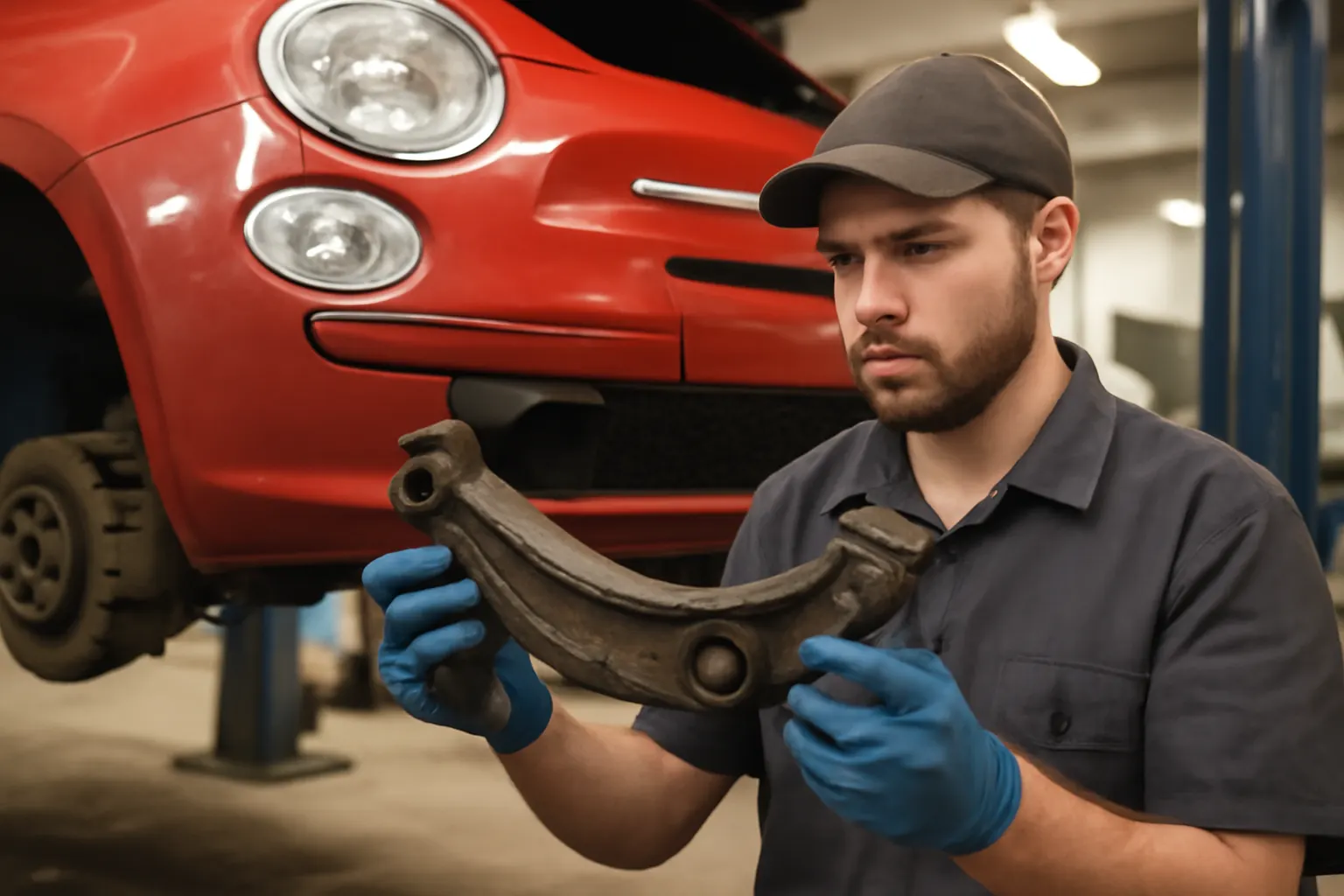
- Check: Ball joints, bushings, and struts for wear or leaks every 30,000 miles.
Diagnosing and Addressing Common Fiat Maintenance Issues
Warning Lights and Diagnostic Trouble Codes
Fiat’s MultiAir engines and advanced electronics can trigger a range of warning lights. Common issues include:
Advertisement
- Check Engine Light: Often related to spark plugs, coil packs, or MultiAir actuator oil flow.
- Service Electronic Throttle Control: Can indicate throttle body or sensor issues.
- Brake/ABS Lights: May signal low fluid or sensor malfunctions.
Step-by-Step Diagnostic Approach
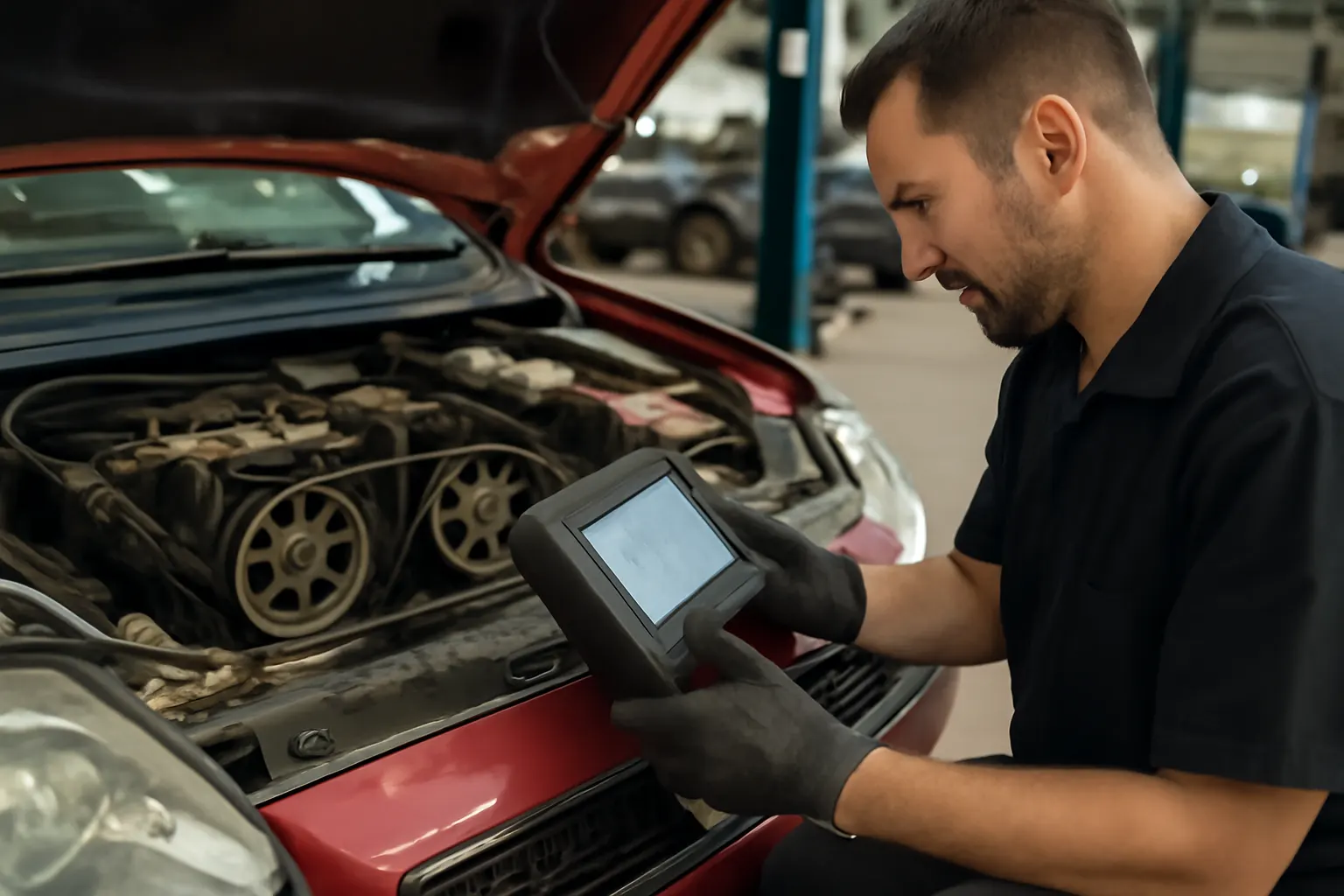
- Scan for Trouble Codes: Use an OBD-II scanner to retrieve codes.
- Visual Inspection: Check for obvious leaks, loose connectors, or worn components.
- Consult Technical Bulletins/Recalls: Some issues may be covered by Fiat technical bulletins or recalls (NHTSA Recalls).
- Address Root Cause: Replace parts only with OEM-quality components to avoid fitment or reliability issues.
Sourcing Genuine Fiat Parts for Maintenance
Using genuine or OEM-equivalent parts is essential for maintaining performance and safety. Counterfeit or off-spec parts can cause fitment issues, premature wear, or even safety hazards. Review our Counterfeit Fiat Parts: Risks and Real-World Failures to understand the risks.
Checklist: Sourcing the Right Fiat Parts
- Use your VIN to verify part numbers.
- Purchase from reputable suppliers or authorized dealers.
- Inspect packaging and labeling for authenticity.
- Cross-reference part numbers with Fiat’s official catalog.
- Consult Fiat Model Fitment Compatibility Explained to ensure correct application.
Customizing Your Maintenance Plan for Driving Conditions
Severe vs. Normal Service
- Severe Service: Includes frequent short trips, stop-and-go traffic, extreme temperatures, towing, or dusty conditions. Follow the more aggressive schedule (e.g., 5,000-mile oil changes).
- Normal Service: Highway driving and moderate conditions allow for longer intervals.
Seasonal Considerations
- Winter: Inspect battery, wipers, and tire tread depth.
- Summer: Pay extra attention to cooling system and air conditioning performance.
Recalls, Technical Bulletins, and Safety Updates
Fiat periodically issues recalls and technical service bulletins (TSBs) that may impact maintenance intervals or required procedures. Always check your VIN for outstanding recalls at the NHTSA Recalls portal before major service.
Examples of Recalls Affecting Maintenance:
- Timing Belt Tensioner Recalls: Some models required tensioner replacement ahead of schedule.
- Brake System Updates: Software or hardware updates for ABS/ESC systems.
The Role of Fuel Efficiency in Maintenance Planning
Maintaining your Fiat according to schedule not only preserves reliability but also maximizes fuel economy. Dirty filters, worn spark plugs, and old fluids can reduce efficiency by up to 10% (DOE Fuel Efficiency). This is especially critical for smaller-displacement Fiat engines, where efficiency losses are more noticeable.
When to Seek Professional Help vs. DIY
DIY-Friendly Fiat Maintenance
Many routine items—oil changes, air and cabin filters, spark plugs—are accessible to competent DIYers with basic tools. However, timing belt replacement, transmission service, and MultiAir actuator service require specialized knowledge and tools.
When to Use a Fiat-Specialist Shop
- Timing belt or chain service
- Transmission fluid changes (especially DDCT)
- Diagnosing persistent warning lights or electronic issues
- Recalls and TSBs
Professional shops have access to Fiat’s latest diagnostic tools, technical bulletins, and software updates.
AutoPartEx: Your Partner for Fiat Maintenance Excellence
AutoPartEx delivers model-specific maintenance expertise, genuine parts sourcing, and fitment guidance for every Fiat owner. Our database and technical content help you avoid costly mistakes and keep your vehicle performing at its peak. For a comprehensive range of OEM-quality Fiat components and fitment support, start at our Fiat Auto Parts: Heritage, Fitment Precision & OEM Quality | AutoPartEx portal.
Conclusion: Proactive Maintenance is the Key to Fiat Longevity
Fiat’s charm and engineering prowess shine brightest when supported by disciplined, model-specific maintenance. By following the right schedule—paying special attention to timing belts, spark plugs, and fluids—you’ll ensure safety, efficiency, and driving enjoyment for years to come. Always source genuine parts, consult updated technical resources, and adapt your schedule to your driving reality. For deeper insights, see Fiat Model Fitment Compatibility Explained and trust AutoPartEx for your Fiat’s every need.
References
Advertisement