Advertisement
Counterfeit Fiat Parts: Risks and Real-World Failures
Counterfeit and subpar aftermarket parts are a growing threat to Fiat owners, causing everything from engine breakdowns to compromised safety systems. This article delivers practical guidance, real-world case studies, and expert strategies to help you identify, avoid, and resolve the dangers of counterfeit Fiat components—safeguarding your investment and your safety from the very first mile.
If you own, maintain, or repair a Fiat, understanding the risks of counterfeit parts is essential. Many issues begin invisibly, with parts that look legitimate but fail under stress, endangering both vehicle performance and occupant safety. As the market for Fiat vehicles expands, so does the black market for imitation parts—making informed sourcing and fitment decisions more critical than ever. For authoritative guidance on sourcing genuine components, see our Fiat Auto Parts: Heritage, Fitment Precision & OEM Quality | AutoPartEx category.
The Immediate Risks: What Happens When Counterfeit Parts Are Installed
Counterfeit Fiat parts can trigger immediate and severe consequences:
- Sudden Mechanical Failures: Engine components such as timing belts or oil filters that seem visually identical to OEM units may shear, clog, or disintegrate prematurely, leading to catastrophic engine damage.
- Safety System Compromise: Airbags, brake pads, and suspension components made from substandard materials may not deploy or function as intended, dramatically increasing the risk of injury in an accident.
- Electrical System Malfunctions: Fake sensors and control modules can cause erratic behavior in advanced driver-assist and infotainment systems, sometimes disabling critical safety alerts or leaving owners stranded.
These failures are rarely predictable. Many Fiat owners only discover the issue after a breakdown or, worse, an accident. The costs—both financial and personal—can be staggering.
The Hidden Problem: Why Counterfeiting Is So Prevalent in Fiat Parts
Fiat’s global popularity and the modularity of its parts have made it a prime target for counterfeiters. The issue is compounded by:
- Complex Supply Chains: As Fiat sources components globally, unauthorized intermediaries can slip fake parts into the distribution network.
- Online Marketplaces: Many counterfeiters exploit online platforms, offering “OEM-equivalent” parts at suspiciously low prices, often with forged packaging and fake serial numbers.
- Visual Similarity: Modern counterfeiters produce parts that are nearly indistinguishable from genuine Fiat components—until they’re tested under real-world conditions.
The National Highway Traffic Safety Administration (NHTSA) and the United States Department of Energy (DOE) warn that counterfeit parts not only undermine safety but can also void manufacturer recalls and compromise vehicle efficiency and structural integrity [NHTSA Equipment][DOE Materials Technologies].
Case Study: Real-World Failures Caused by Counterfeit Fiat Parts
1. Catastrophic Engine Failure in a Fiat 500
Scenario: A Fiat 500 owner purchased what was advertised as a “genuine” timing belt online. The part failed after just 4,000 miles, resulting in bent valves and a ruined cylinder head. Post-mortem analysis revealed that the belt was made from inferior rubber compounds and lacked the correct internal reinforcement.
Impact: Repair costs exceeded $2,000—more than double the price of a genuine timing belt replacement. The owner also lost use of the vehicle for over two weeks.
2. Brake Failure in Fiat Panda
Scenario: After installing aftermarket brake pads from an unverified source, a Fiat Panda owner experienced reduced braking power and excessive noise. Inspection showed the pads were made of low-grade material that glazed and cracked under normal driving.
Impact: Emergency braking distance increased by over 30%, putting the driver and others at risk. Genuine pads, when installed, restored braking performance and eliminated the safety hazard.
Advertisement
3. Airbag Non-Deployment in Fiat Punto
Scenario: A collision involving a Fiat Punto resulted in the airbag failing to deploy. Investigation uncovered that counterfeit airbag modules had been installed by a previous owner.
Impact: The driver sustained injuries that could have been prevented. The insurance company denied claims due to the presence of non-genuine safety equipment.
Technical Deep Dive: How Counterfeit Parts Compromise Fiat Performance and Safety
Inferior Materials and Engineering
Genuine Fiat parts are engineered to precise standards, often guided by SAE International and Fiat’s own rigorous testing protocols [SAE Standards]. Counterfeits typically cut costs by:
- Using substandard metals and polymers that can fatigue, corrode, or deform rapidly.
- Skipping critical manufacturing steps such as heat treatment, surface hardening, or pressure testing.
- Failing to meet the tight tolerances required for modern Fiat engines, transmissions, and chassis systems.
Impact on Fuel Efficiency and Emissions
The United States Department of Energy highlights that low-quality engine and drivetrain components can dramatically reduce fuel efficiency and increase emissions [DOE Fuel Efficiency]. Examples include:
- Imitation Oxygen Sensors: Inaccurate readings lead to improper fuel-air mixtures, reducing miles per gallon and potentially damaging the catalytic converter.
- Fake Fuel Injectors: Poor spray patterns cause incomplete combustion, higher fuel consumption, and increased pollutant output.
Electronics and Diagnostics Failures
Modern Fiats rely on sophisticated CAN-bus networks and electronic modules. Counterfeit sensors, relays, and control units can:
- Trigger false diagnostic trouble codes (DTCs), making genuine faults harder to diagnose.
- Cause intermittent failures that are difficult to trace, leading to wasted labor and unnecessary part replacements.
The Cost of Counterfeit: Financial and Safety Implications
Direct Costs
- Repair Bills: As seen in the case studies, repairing damage caused by fake parts often exceeds the cost of using genuine Fiat components in the first place.
- Insurance Denials: Many insurers refuse to cover damage or injuries caused by non-genuine parts, leaving owners financially exposed.
Indirect Costs
- Reduced Vehicle Value: Vehicles with a history of counterfeit or subpar parts typically fetch lower resale prices, especially if documented in service records.
- Increased Risk of Accidents: The ultimate cost is human—counterfeit safety components have repeatedly been linked to preventable injuries and fatalities.
How to Identify Genuine Fiat Parts: Practical Steps and Red Flags
Visual Inspection Checklist
- Packaging: Genuine Fiat parts arrive in branded packaging with correct logos, holograms, and barcodes.
- Labeling: Check for Fiat part numbers, manufacturing dates, and country of origin markings. Counterfeits often have misspelled words or incorrect fonts.
- Finish: OEM parts have consistent, high-quality finishes. Look for uneven casting, rough edges, or mismatched paint.
- Documentation: Authentic parts include installation instructions, warranty information, and sometimes a certificate of authenticity.
Purchase Source Checklist
| Source Type | Genuine Risk | Common Red Flags |
|---|---|---|
| Authorized Fiat Dealer | Very Low | None |
| Trusted Specialist | Low | None if reputable |
| Online Marketplace | High | Unusually low prices, no return policy |
| Private Seller | High | No receipts, vague part history |
For an in-depth guide, see our article on How to Identify Genuine Fiat OEM Parts.
When to Suspect Counterfeit: Common Symptoms and Diagnostic Tips
Counterfeit parts are often discovered only after symptoms appear. Watch for:
- Unusual Noises: Grinding, squealing, or rattling after recent parts replacement.
- Warning Lights: Persistent check engine, ABS, or airbag lights that professional diagnostics can’t resolve.
- Premature Wear: Parts such as brake pads or filters requiring replacement far sooner than expected.
- Performance Drops: Noticeable reductions in power, fuel economy, or ride quality after a recent repair.
Diagnostic Steps:
Advertisement
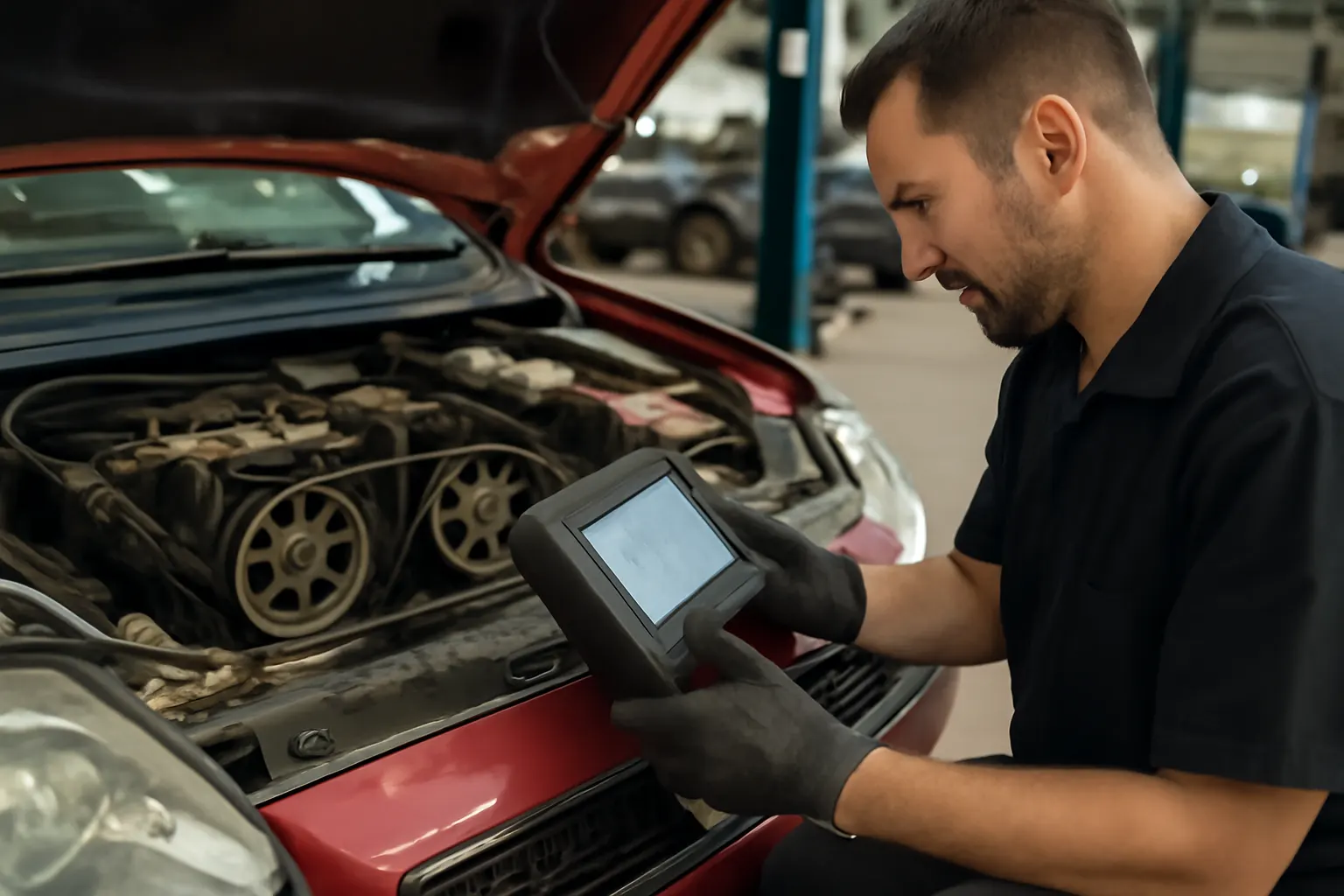
- Scan for DTCs using a professional-grade OBD-II tool.
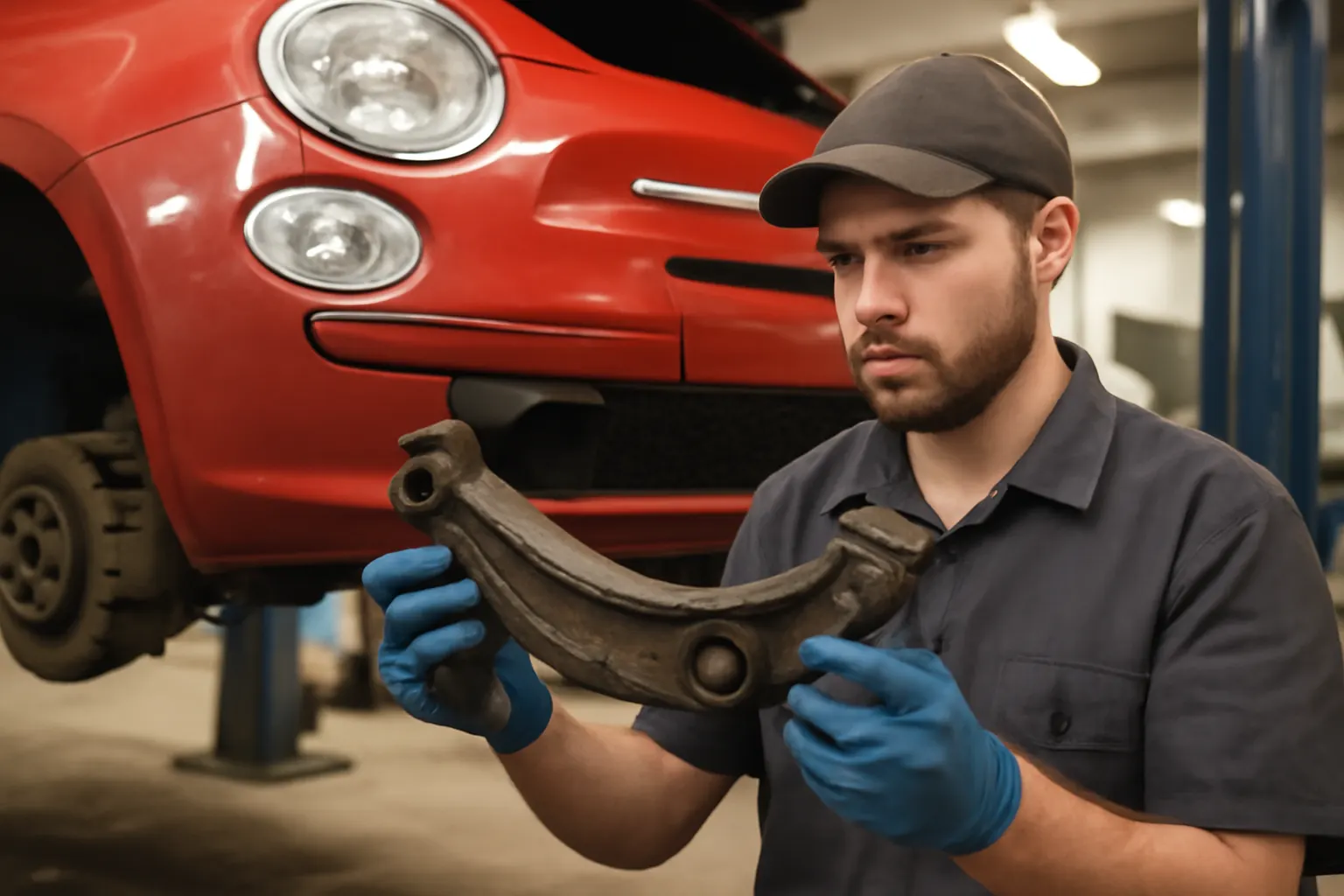
- Visually inspect recent replacement parts for authenticity markers as described above.
- Compare suspect parts to known OEM components for differences in weight, finish, or markings.
- Consult your service records to verify the source and history of each part installed.
The Role of Fitment Precision: Why Counterfeits Fail Fiat’s Engineering
Fiat vehicles, especially recent models, are engineered with tight tolerances for every component—from engine internals to electronic modules. Counterfeit parts often:
- Do Not Fit Properly: Resulting in leaks, vibrations, or misalignment.
- Cause Systemic Issues: A single fake sensor or relay can disrupt the entire vehicle network, affecting everything from traction control to infotainment.
Proper fitment is essential for maintaining Fiat’s performance and safety standards. For more on this topic, read our Fiat Model Fitment Compatibility Explained.
Preventing Counterfeit Installation: Sourcing and Installation Best Practices
Sourcing Tips
- Buy Only from Authorized Dealers or Trusted Specialists: Avoid online sellers unless they are verified Fiat partners.
- Request Documentation: Insist on receipts, warranty cards, and installation instructions.
- Verify Part Numbers: Cross-reference part numbers with Fiat’s official catalog.
Installation Best Practices
- Professional Installation: Have parts installed by certified Fiat technicians who can recognize counterfeits.
- Keep Records: Maintain detailed service records, including part sources and installation dates.
Pre-Installation Checklist
| Step | Action Required |
|---|---|
| Inspect Packaging | Look for correct branding |
| Check Serial/Part Numbers | Verify against Fiat catalog |
| Compare to OEM | Check weight, finish, markings |
| Confirm Source | Use authorized or reputable shop |
| Document Everything | Save receipts and instructions |
Maintenance and Inspection: Ongoing Protection for Your Fiat
Regular maintenance is crucial, not just for longevity but also for early detection of counterfeit parts. Follow these steps:
- Adhere to Fiat Maintenance Schedules: Refer to Fiat Maintenance Schedules: Model-by-Model Analysis for your specific model.
- Request OEM Parts: When booking service, specify that only OEM or certified parts be used.
- Annual Inspections: Have your vehicle inspected annually by a Fiat specialist, especially after purchasing a used vehicle or if you’re unsure about part provenance.
What to Do If You Suspect a Counterfeit Part
If you believe a counterfeit part has been installed:
- Stop Driving: Especially if the suspected part affects safety systems (brakes, airbags, steering).
- Document Everything: Take photos of the part, packaging, and receipts.
- Contact Your Dealer: Report the issue to an authorized Fiat dealer for inspection.
- Report to Authorities: File a report with NHTSA and provide all relevant information.
- Replace with Genuine Parts: Have all suspect components replaced with OEM parts as soon as possible.
The AutoPartEx Approach: Your Partner in Genuine Fiat Parts
AutoPartEx is committed to helping Fiat owners and technicians source only genuine, OEM-quality components. Our curated catalog, fitment verification tools, and expert support ensure:
- Guaranteed Authenticity: Every part is sourced directly from Fiat or certified suppliers.
- Fitment Precision: Our system checks compatibility for your specific Fiat model and year.
- Technical Guidance: Access to installation manuals, maintenance schedules, and authenticity guides.
For peace of mind and long-term value, always start your search at our Fiat Auto Parts: Heritage, Fitment Precision & OEM Quality | AutoPartEx page.
Expert Action: Secure Your Investment, Protect Your Fiat
Counterfeit Fiat parts are a hidden hazard with real-world consequences. By understanding the risks, learning how to identify genuine components, and relying on trusted sources like AutoPartEx, you can:
- Protect your safety and that of your passengers.
- Preserve your Fiat’s performance, value, and efficiency.
- Avoid costly repairs and insurance complications.
Don’t leave your Fiat’s reliability to chance. Use the checklists and sourcing strategies above, consult our related guides, and work only with reputable suppliers and certified technicians.
References
- Vehicle Safety and Equipment – National Highway Traffic Safety Administration
- Fuel Efficiency – United States Department of Energy
- Materials Technologies – United States Department of Energy
- SAE Standards – SAE International
- Vehicle, Car Seat, Tire, and Equipment Recalls – National Highway Traffic Safety Administration
Advertisement