Advertisement
The Evolution of Door Panel Technology: From Manual to Smart
Front door interior trim panels have transformed from simple, utilitarian covers to complex, technology-laden modules that are central to comfort, safety, and connectivity in modern vehicles. Today’s door panels are engineered to integrate electronics, advanced materials, and safety features, reflecting decades of innovation. This article explores the journey from manual crank handles to smart panels, and what every vehicle owner, restorer, or technician needs to know to diagnose, fit, or restore these critical components. For a comprehensive overview of current fitment and restoration practices, see the Front Door Interior Trim Panels: Engineering, Fitment, and Restoration Guide.
The Immediate Answer: Door Panels Are Now High-Tech Hubs
Modern front door panels are no longer just aesthetic covers—they are engineered assemblies packed with controls, sensors, wiring harnesses, safety reinforcements, and even speakers or ambient lighting. Where once a door panel simply covered the window regulator, today’s designs must accommodate power windows, side airbags, electronic locks, seat memory modules, and much more. As a result, door panels are now a focal point for both automotive engineering and user experience.
The Hidden Problem: Complexity Brings New Challenges
As door panels have evolved, so too have the challenges for maintenance, repair, and diagnosis. The integration of electronics and safety systems means that even minor faults—such as a failed switch or loose connector—can lead to loss of critical functions, warning lights, or even airbag system errors. Owners and technicians must be aware that working on or replacing a door panel is no longer a simple task, but one that may involve careful disassembly, reprogramming, and precise fitment to prevent issues ranging from rattles to compromised safety.
From Simplicity to Sophistication: Historical Overview
Early Door Panels: Function Over Form
The earliest automotive door panels, dating back to the 1920s and 1930s, were basic wooden or metal covers, sometimes upholstered for comfort. Their primary purpose was to hide structural elements and provide a surface for mounting handles and window cranks. They were easy to remove and replace, and failures were rare—usually limited to worn fabric or broken clips.
The Rise of Plastics and Ergonomics
By the 1960s and 1970s, molded plastics and vinyl became standard, enabling more complex shapes, integrated armrests, and better ergonomics. This era saw the introduction of padded panels for improved comfort and safety during side impacts. As consumer expectations grew, so did the demand for quieter, more refined interiors, leading to more sophisticated mounting methods and sound-deadening materials.
The Advent of Electronics: Power Windows and Central Locking
Power Windows Revolutionize the User Experience
The late 1970s and 1980s saw power windows and central locking systems become mainstream, especially in higher-end vehicles. Door panels now had to accommodate motors, switches, and wiring harnesses. This shift marked the beginning of the electronic era, necessitating new engineering standards for electrical safety and durability.
Central Locking and Child Safety Features
Central locking brought solenoids and actuators into the door cavity, while child safety locks required additional internal linkages. These advancements improved convenience and safety but introduced new failure points, including electrical shorts, broken wires, and actuator wear.
Advertisement
Integration of Advanced Safety Features
Side Airbags and Crash Sensors
In the 1990s and 2000s, the push for improved crash safety led to the integration of side airbags and crash sensors directly into the door or its panel. This required panels to be engineered for controlled deployment, using breakaway seams and specialized mounting brackets. The presence of airbags means that improper panel removal or installation can compromise occupant safety—a critical consideration emphasized by NHTSA safety standards.
Structural Reinforcements
To meet evolving side-impact protection regulations, door panels began to incorporate steel or composite reinforcements. These not only protect occupants but also maintain the panel’s integrity during deployment of side airbags. Consequently, panels became heavier and more complex, affecting both vehicle weight and assembly processes.
Materials Innovation: Lighter, Stronger, Greener
The Move to Lightweight Composites
Driven by the need for improved fuel efficiency and lower emissions, manufacturers have increasingly turned to lightweight materials such as thermoplastic composites, magnesium, and aluminum for door panel construction. According to the U.S. Department of Energy, these materials help reduce overall vehicle weight, improving fuel economy without sacrificing strength or durability.
Eco-Friendly Materials and Recycling
Sustainability is now a major factor in interior trim design. Modern door panels often include recycled plastics, natural fibers, or bio-based resins. This shift not only reduces environmental impact but also aligns with global regulations and consumer demand for greener vehicles.
Smart Panels: The Digital Revolution
Touch Controls and Haptic Feedback
The latest generation of door panels feature touch-sensitive controls, capacitive switches, and haptic feedback systems. These interfaces replace traditional mechanical buttons, offering sleeker designs and customizable functions. However, they also require advanced electronics integration and precise assembly to ensure reliability.
Integrated Lighting and Ambient Effects
Ambient lighting strips, LED accent panels, and illuminated logos are now common in premium vehicles. These features are not merely decorative—they enhance user experience, aid visibility, and can even serve as status indicators for lock/unlock or entry modes.
Connectivity and Personalization
Memory Functions and User Profiles
High-end door panels often incorporate memory modules that store seat, mirror, and climate preferences for multiple drivers. These systems communicate with the vehicle’s central computer, requiring secure connections and robust software integration.
Wireless Charging and Device Integration
Some modern door panels feature built-in wireless charging pads, USB ports, or smartphone cradles. These additions require careful electrical design to prevent interference, overheating, or component failure.
Diagnostics and Troubleshooting: New Skills Required
Common Failure Points in Modern Door Panels
With complexity comes the risk of more frequent and varied failures. Typical issues include:
- Faulty window or lock switches
- Broken wiring harnesses or connectors
- Malfunctioning side airbag modules
- Rattles or squeaks due to improper fitment
- Software errors in memory or touch control modules
Diagnostic Checklist for Smart Door Panels
Use this checklist to diagnose issues with advanced door panels:
| Diagnostic Step | Details |
|---|---|
| Check for warning lights | Airbag or door module errors may trigger dashboard alerts |
| Test all electronic functions | Operate windows, locks, memory, and lighting to identify non-responsive features |
| Inspect wiring harnesses | Look for pinched, frayed, or disconnected wires during panel removal |
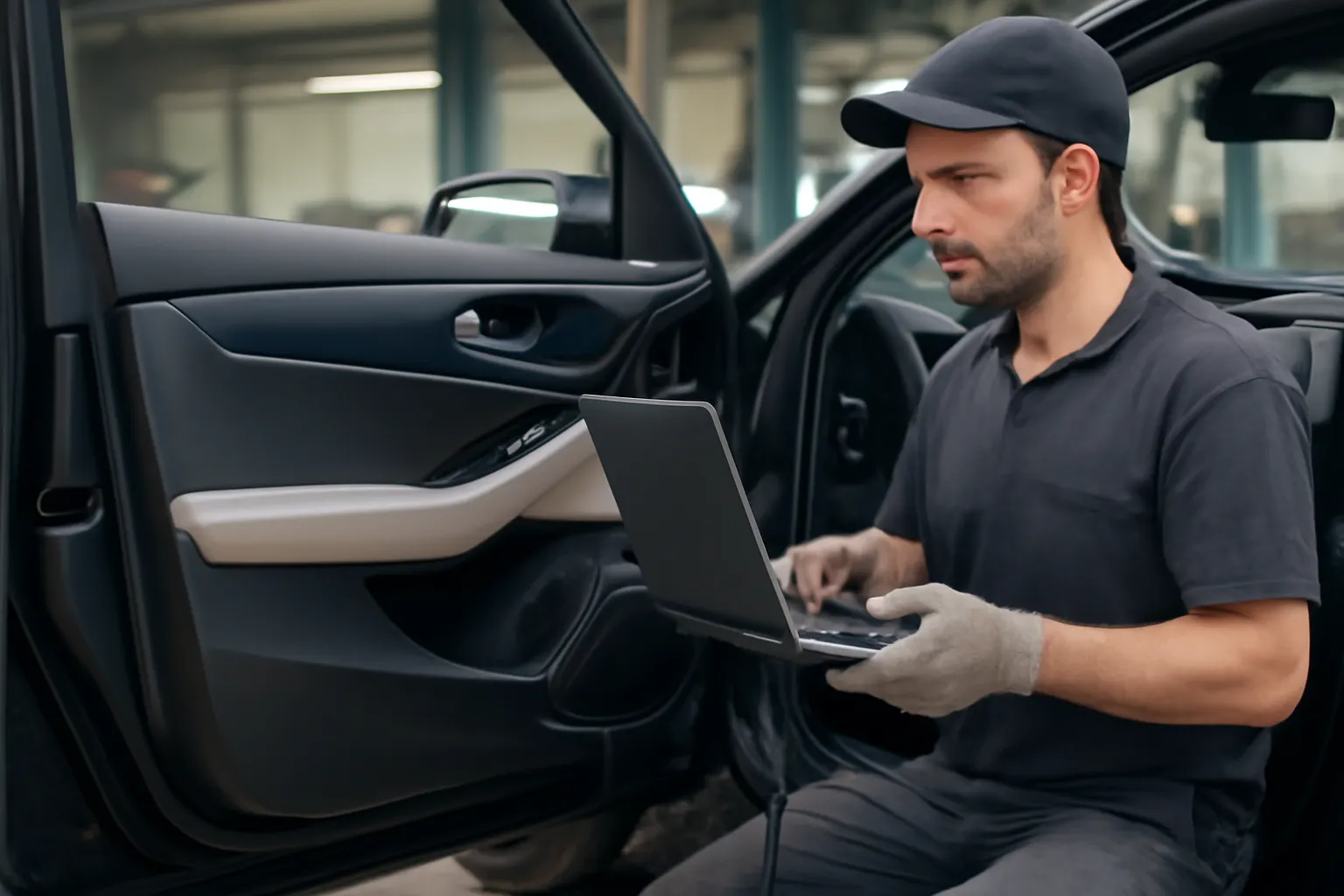
| Scan for fault codes | Use OBD-II or manufacturer-specific tools to read door module errors |
| Verify physical fit and alignment | Ensure panel sits flush and all fasteners are secure |
| Listen for rattles or squeaks | Road test vehicle and note any unusual noises from the door area |
For a deeper dive into noise diagnostics, see Diagnosing Rattles and Squeaks in Door Panels.
Advertisement
Installation and Fitment: Best Practices for Modern Panels
Preparation and Safety
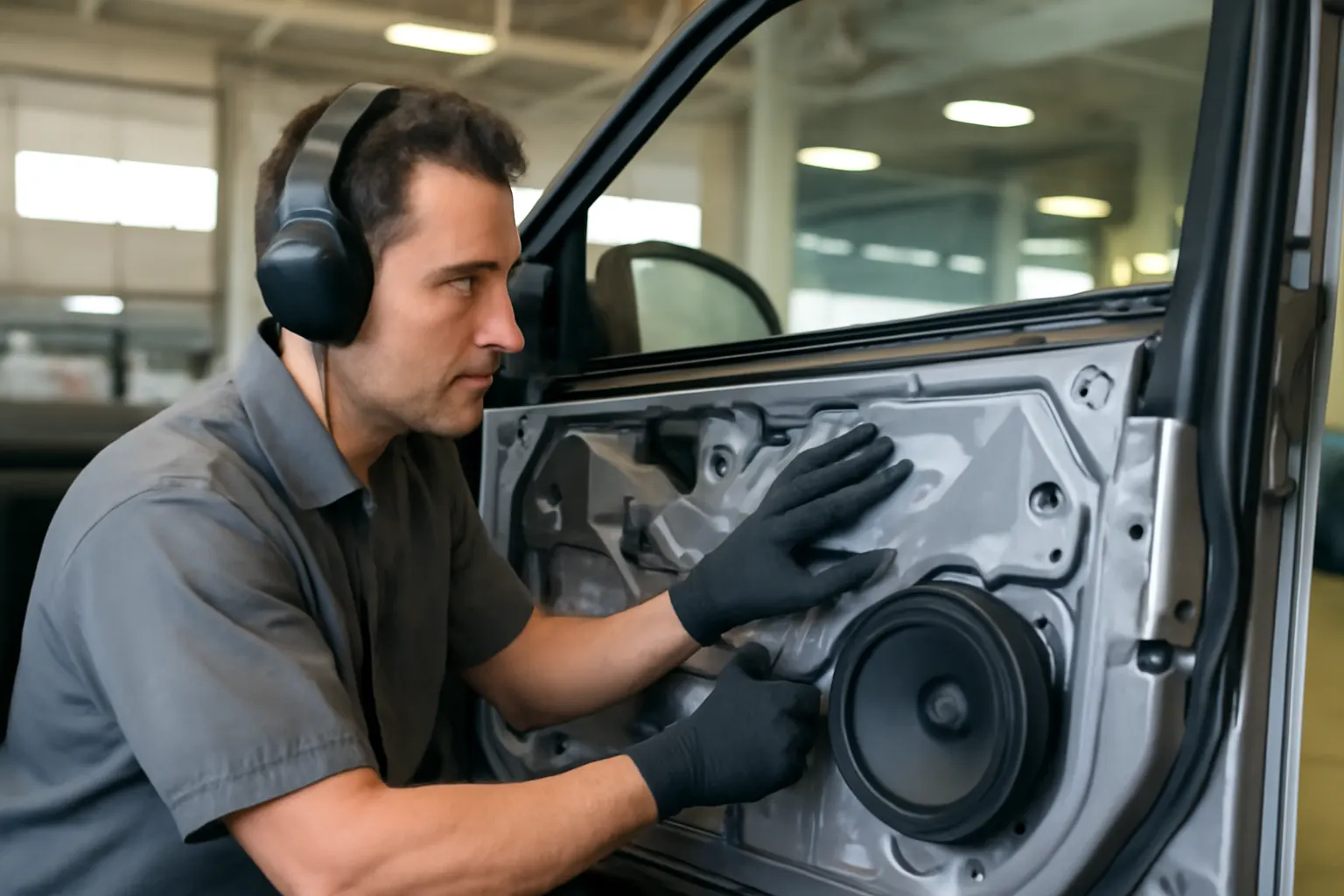
Before removing or installing a door panel, always disconnect the vehicle battery—especially if the panel contains airbag modules or sensitive electronics. Consult manufacturer service manuals for specific procedures and torque specifications.
Handling Electronics and Connectors
Carefully disconnect all wiring harnesses, noting their orientation and attachment points. Use trim removal tools to avoid damaging plastic clips or scratching painted surfaces. When reinstalling, ensure all connectors are fully seated and routed to prevent pinching.
Ensuring Proper Fit and Function
After installation, test all panel-mounted functions before fully securing fasteners. Check for proper alignment, flush fit, and absence of gaps. A poorly installed panel can cause electrical faults, water leaks, or excessive cabin noise.
For step-by-step fitment guidance, refer to How to Replace Front Door Trim Panels: Step-by-Step Guide.
Maintenance and Longevity: Keeping Panels in Top Shape
Cleaning and Care
Use only approved cleaners and soft cloths on door panel surfaces. Harsh chemicals can degrade plastics, vinyl, or touch-sensitive surfaces. Regular cleaning prevents buildup of dirt and oils, which can interfere with switches and sensors.
Preventing and Addressing Wear
Inspect panels periodically for signs of wear, such as loose trim, cracked plastics, or fading. Address minor issues promptly to prevent further damage. For those restoring classic vehicles, maintaining OEM appearance and function is possible with the right techniques—see Restoring OEM Finish on Interior Trim Panels for expert tips.
Buying and Sourcing: What to Look For
OEM vs. Aftermarket Panels
OEM (Original Equipment Manufacturer) panels guarantee precise fitment and material quality but can be costly. Aftermarket options may offer savings and customization, but require careful vetting for compatibility with your vehicle’s electronics and safety systems.
Compatibility and Recalls
Always verify part numbers and compatibility with your specific make, model, and trim level. Check for active recalls related to door panels, electronics, or airbags via the NHTSA recall database to avoid purchasing problematic components.
Key Buying Checklist
- Confirm fitment for year/make/model
- Check for integrated features (e.g., airbags, lighting, memory)
- Verify warranty and return policy
- Inspect for shipping damage before installation
- Retain original fasteners and clips for reuse
Regulatory and Safety Considerations
Compliance with Safety Standards
All door panels—whether OEM or aftermarket—must comply with federal safety regulations, such as those outlined by the National Highway Traffic Safety Administration. This includes crashworthiness, airbag deployment, and electrical safety.
Importance of Proper Installation
Improper installation can compromise side-impact protection, disable airbags, or cause electrical faults. Only trained technicians should handle panels with integrated safety or electronic features. Following SAE International standards helps ensure correct procedures and outcomes.
The Future: Toward Smarter, More Sustainable Panels
Modular Designs and Over-the-Air Updates
The next wave of door panel technology will likely feature modular components, allowing for easier upgrades or repairs. Over-the-air software updates may enable new functions or bug fixes for integrated controls, further blurring the line between hardware and software in automotive interiors.
Advanced Materials and Manufacturing
Expect continued innovation in sustainable materials—such as bioplastics and recycled composites—alongside additive manufacturing techniques that enable bespoke designs and rapid prototyping.
AutoPartEx: Your Partner in Door Panel Evolution
As door panel technology continues to advance, AutoPartEx remains committed to supporting DIYers, restorers, and professional technicians with expert advice, premium parts, and up-to-date fitment data. Whether you’re troubleshooting a smart panel, restoring a vintage classic, or upgrading for the latest features, our resources and inventory are designed to help you succeed. For more on engineering, fitment, and restoration, visit our Front Door Interior Trim Panels: Engineering, Fitment, and Restoration Guide.
References
- Vehicle Safety and Equipment – National Highway Traffic Safety Administration
- Materials Technologies – United States Department of Energy
- Vehicle, Car Seat, Tire, and Equipment Recalls – National Highway Traffic Safety Administration
- SAE Standards – SAE International
- Fuel Efficiency – United States Department of Energy
Advertisement