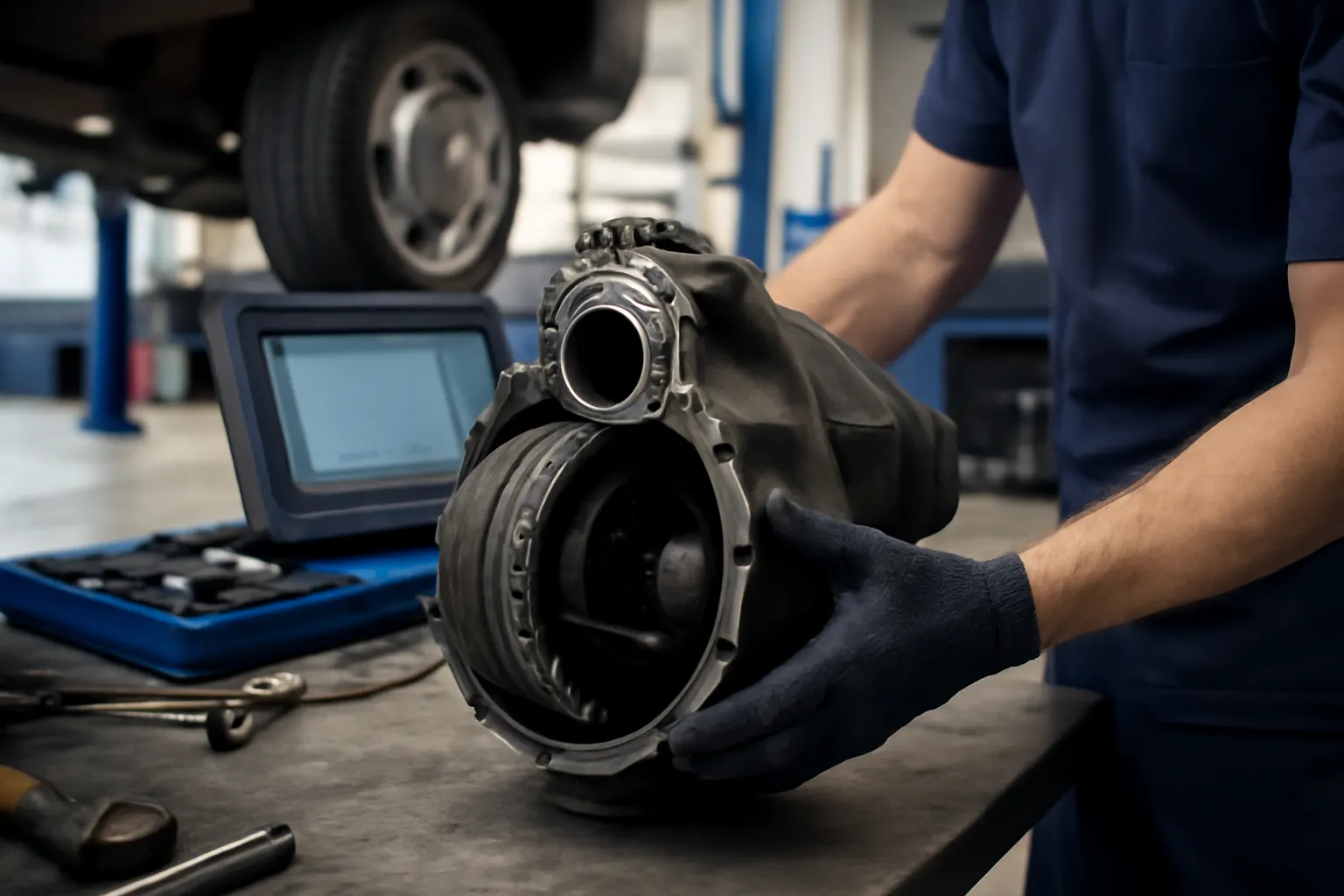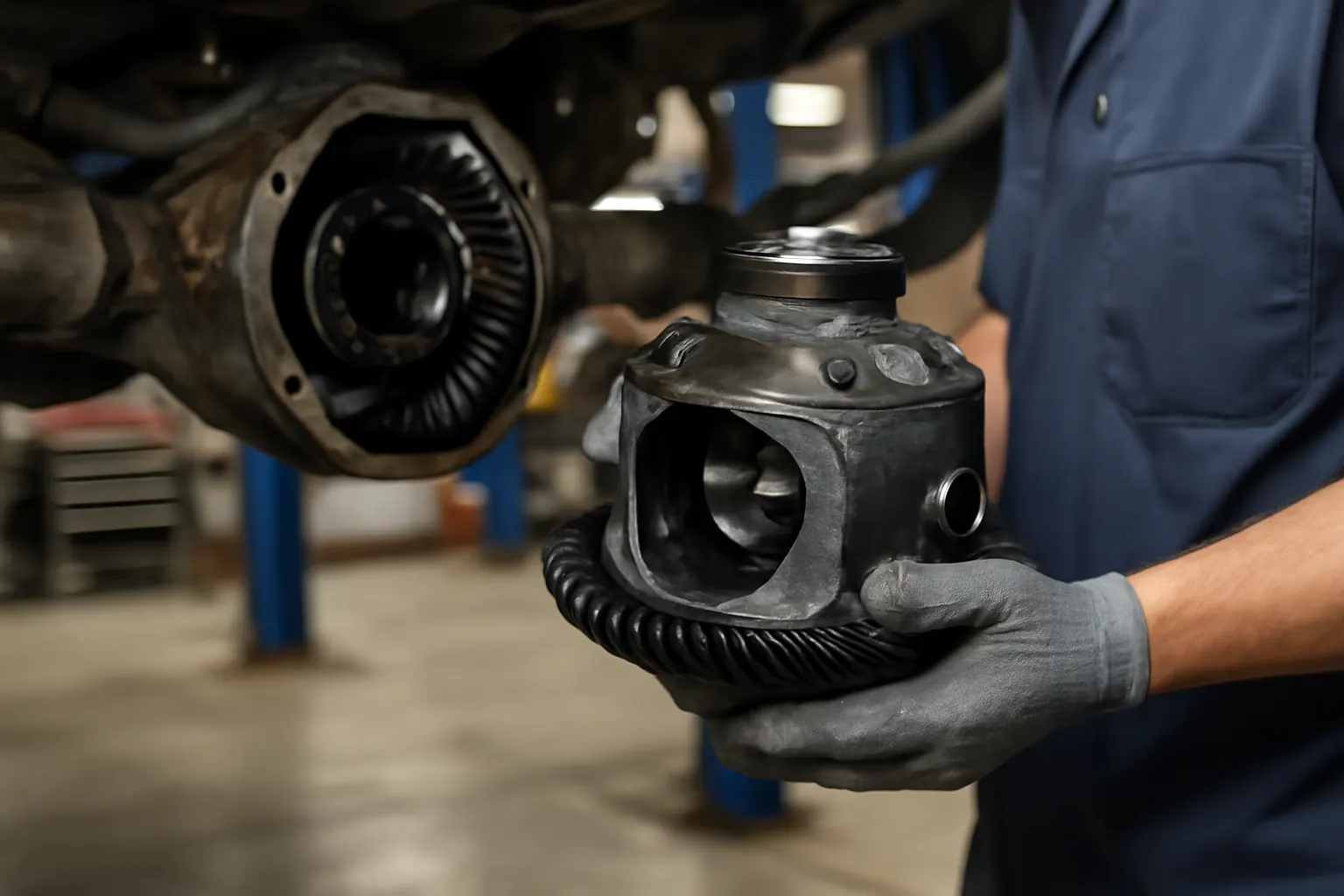
Differential Case Upgrades: When and Why to Upgrade
Upgrading your differential case can be the key to unlocking drivetrain reliability and performance, especially in high-torque or off-road applications. Whether you’re building a dedicated rock crawler, a high-horsepower street car, or simply want to future-proof your daily driver, knowing when and why to upgrade your differential case is essential for drivetrain longevity and safety. In this comprehensive guide, we’ll explain the real-world triggers for differential case upgrades, the benefits they bring, and how to make the best choice for your vehicle. For a broader look at precision housings and their impact on drivetrain health, see our Differential Case Only: Precision Housings for Drivetrain Longevity category.
Why Upgrade Your Differential Case? The Immediate Answer
A differential case upgrade becomes necessary when your vehicle’s stock housing can no longer handle increased power, torque, or the punishing conditions of off-road use. Stock cases are engineered for factory performance levels and typical driving scenarios. If you add significant horsepower, regularly tow heavy loads, or venture off the beaten path, a performance or reinforced differential case ensures that your drivetrain remains robust, reliable, and safe.
Key Benefits of Upgrading:
- Withstands higher torque and shock loads
- Reduces risk of catastrophic differential failure
- Improves traction and power delivery
- Enhances safety and vehicle control
- Extends the lifespan of related drivetrain components
The Hidden Problem: Stock Differential Case Limitations
Most factory differential cases are cast from standard-grade iron or aluminum alloys. These materials and designs are chosen for cost-efficiency and average use, not for extreme conditions. As a result, stock cases are vulnerable to:
- Cracking or warping under high torque
- Fatigue from repeated heavy loads or aggressive driving
- Premature bearing or gear failure due to case flex
- Poor sealing, leading to lubricant leaks and contamination
What’s often overlooked is that even minor increases in engine output or tire size can overstress the differential case, causing it to flex or fail and putting the entire drivetrain at risk. This is especially true for vehicles modified for performance or off-road use.
When Is a Differential Case Upgrade Necessary?
Recognizing the right time to upgrade your differential case is critical. Here are the most common scenarios where an upgrade is strongly recommended:
1. Power and Torque Increases
- Engine swaps or turbo/supercharger installations: Substantial increases in horsepower and torque can easily exceed the structural limits of a stock case.
- Aftermarket tuning: Even moderate ECU tunes can raise torque output enough to stress the OEM differential housing.
2. Off-Road and Heavy-Duty Use
- Rock crawling, mudding, or desert racing: Repeated impacts, wheel hop, and high shock loads demand a reinforced case.
- Towing and hauling: Consistent heavy loads increase stress on the case, especially during starts and hill climbs.
3. Larger Tires or Axle Upgrades
- Oversized tires: Larger rolling diameters multiply torque loads on the differential.
- Upgraded axles: Stronger axles can transfer more force to the case, exposing weaknesses in stock housings.
4. Evidence of Wear or Failure
- Cracks, leaks, or abnormal noises: Any signs of case damage, excessive flex, or gear misalignment should prompt immediate inspection and likely replacement.
For a step-by-step approach to identifying case failure, see our guide on Common Causes of Differential Case Failure.
The Technical Details: How Upgraded Differential Cases Improve Drivetrain Performance
Upgraded differential cases are engineered with advanced materials and precision manufacturing to address the shortcomings of OEM housings:
Material Advancements
- High-strength nodular iron or forged steel: Offers superior resistance to cracking, fatigue, and distortion compared to standard cast iron or aluminum.
- Heat-treated components: Enhance hardness and durability, especially in critical bearing and mounting areas.
- Alloy enhancements: Incorporation of elements like nickel, molybdenum, or chromium for improved toughness and wear resistance.
Design Improvements
- Thicker walls and reinforced ribs: Reduce flex and maintain gear alignment under load.
- Precision machining: Ensures tight tolerances for optimal gear mesh and bearing support.
- Improved sealing surfaces: Minimize leaks and keep contaminants out.
Performance Benefits
- Stable gear mesh: Reduces noise, vibration, and wear.
- Consistent bearing preload: Prevents premature bearing failure.
- Better heat dissipation: Critical for high-performance or heavy-duty applications.
These technical enhancements combine to deliver a housing that not only survives but thrives under stress, ensuring power is delivered reliably to your wheels.
Diagnosing the Need for a Differential Case Upgrade
Before investing in an upgraded case, it’s vital to determine whether your current setup is at risk. Here’s a diagnostic checklist to guide your assessment:
Differential Case Upgrade Diagnostic Checklist
| Symptom/Condition | Upgrade Recommended? | Notes |
|---|---|---|
| Engine output increased >20% | Yes | Stock cases often not rated for significant power increases |
| Regular off-road/rock crawling | Yes | Reinforced case critical for shock loads |
| Frequent towing/hauling | Yes | Heavy loads increase case stress |
| Oversized tires (>33" diameter) | Yes | Larger tires multiply torque on the case |
| Visible cracks or case leaks | Yes | Indicates imminent failure |
| Abnormal gear/bearing noise | Maybe | May indicate internal misalignment or case flex |
| Upgraded axles or lockers | Yes | Stronger axles transfer more force to the case |
| Stock power, mild use | No | OEM case typically sufficient |
If you check “Yes” for any of the first six items, an upgrade is highly advisable.
The Impact of Differential Case Upgrades on Safety and Longevity
A compromised differential case doesn’t just threaten your drivetrain—it can undermine vehicle safety. According to the National Highway Traffic Safety Administration, critical drivetrain components must meet stringent safety and durability standards. A failed differential can result in:
- Sudden loss of drive power
- Loss of vehicle control (especially in rear- or four-wheel-drive vehicles)
- Catastrophic axle or wheel separation in severe cases
Upgrading your differential case is not just a performance decision—it’s an investment in safety and peace of mind. Reinforced cases reduce the risk of on-road failures and the potential for costly collateral damage.
Material Selection: What to Look for in an Upgraded Differential Case
Not all aftermarket cases are created equal. The United States Department of Energy highlights the importance of advanced materials in automotive structures. Here’s what to seek:
Preferred Materials
- Nodular (ductile) iron: Superior to gray iron; offers greater toughness and fatigue resistance.
- Forged steel: The gold standard for extreme builds, with unmatched strength and impact resistance.
- Billet aluminum (for select racing applications): Lightweight, but should only be used where weight savings are critical and loads are moderate.
Manufacturing Quality
- Precision casting or forging: Reduces porosity and internal flaws.
- CNC machining: Guarantees dimensional accuracy and fitment.
- Heat treatment: Look for cases that specify post-casting heat treatment for added durability.
Design Features
- Thickened mounting flanges
- Reinforced bearing caps
- Integrated cooling fins (for severe duty applications)
When comparing options, prioritize cases from reputable manufacturers with proven track records in motorsports or heavy-duty applications.
Fitment and Compatibility Considerations
Upgrading your differential case isn’t as simple as swapping out a cover or bolt-on accessory. Fitment is critical for both performance and safety:
Key Fitment Factors
- Axle compatibility: Ensure the case matches your axle model (e.g., Dana 44, Ford 9", GM 10-bolt).
- Carrier and gear set compatibility: Some high-performance cases require specific carriers or gear ratios.
- Locker and limited-slip fitment: If you run aftermarket lockers or LSDs, verify that the upgraded case supports these devices.
- Mounting points and hardware: High-strength cases may use larger bolts or require modified brackets.
Before purchasing, consult the manufacturer’s fitment guide and, if possible, speak with technical support to confirm compatibility with your build. For more on choosing the right case, see our editorial Choosing the Right Differential Case for Your Build.
Installation Overview: What to Expect
While a differential case upgrade is within the realm of a skilled DIYer, it is a labor-intensive job requiring precision and specialized tools. Here’s an overview of the process:
Basic Installation Steps
-
Vehicle Preparation
- Safely raise and support the vehicle.
- Remove wheels, brake assemblies, and axles as needed.
-
Differential Disassembly
- Drain fluid and remove the differential cover.
- Mark and remove bearing caps, carrier, and gear set.
- Inspect all internal components for wear or damage.
-
Case Swap
- Transfer gears, bearings, and any lockers or LSDs to the new case.
- Install new bearings and races if necessary.
- Set up gear backlash and bearing preload to manufacturer specifications.
- Reassembly
- Reinstall carrier assembly, bearing caps, and axles.
- Torque all fasteners to spec.
- Refill with fresh differential fluid.
- Test for noise, leaks, and proper operation.
Tools and Equipment Needed
- Bearing puller/press
- Dial indicator for backlash measurement
- Torque wrench
- Gear marking compound
- Shop press (for bearing installation)
- High-quality gasket or RTV sealant
If you’re unsure about any step, consider professional installation—correct setup is crucial for both performance and longevity.
Maintenance Best Practices After Upgrading
A high-performance or reinforced differential case is only as reliable as its ongoing maintenance. Here’s how to protect your investment:
Post-Upgrade Maintenance Checklist
- Break-in period: For new gears or bearings, follow the manufacturer’s break-in procedure (usually involves short drives and fluid changes).
- Regular fluid checks: Inspect and replace differential oil at intervals recommended for your use case (more frequent for off-road or towing).
- Inspect for leaks: Check around the case, seals, and cover after heavy use or long trips.
- Monitor for noise or vibration: Any new or unusual sounds should be investigated immediately.
- Torque checks: Periodically re-torque bearing caps and cover bolts, especially after the first few hundred miles.
Proper maintenance ensures your upgraded case delivers maximum durability and performance for years to come.
The Relationship Between Differential Case Upgrades and Fuel Efficiency
While differential case upgrades are primarily about strength and reliability, they can also play a role in fuel efficiency. According to the United States Department of Energy, drivetrain losses are a significant factor in overall vehicle efficiency. Here’s how:
- Reduced friction and flex: Precision-machined, rigid cases maintain optimal gear alignment, minimizing energy losses due to friction or misalignment.
- Improved heat dissipation: High-quality materials and design features prevent overheating, which can degrade lubricant and increase drag.
- Tighter tolerances: Less slop in the system means more power delivered to the wheels and less wasted as heat or vibration.
While the efficiency gains may be modest compared to engine or transmission upgrades, every bit helps—especially in modified or heavily loaded vehicles.
How to Source the Right Differential Case for Your Application
Choosing the correct upgrade involves more than just picking the strongest case on the shelf. Here’s a step-by-step sourcing strategy:
1. Define Your Use Case
- Daily driving, towing, off-road, racing, or a combination?
- Expected power and torque levels?
- Tire size and axle type?
2. Research Proven Brands
- Look for manufacturers with a reputation for durability and quality.
- Check for certifications or compliance with industry standards (see SAE Standards).
3. Confirm Compatibility
- Use manufacturer fitment guides.
- Consult with technical support if running aftermarket lockers, axles, or custom gear ratios.
4. Compare Features
- Material type and manufacturing process
- Design enhancements (reinforcement ribs, cooling features)
- Warranty and support
5. Purchase from a Trusted Source
- Choose suppliers with expert support and clear return policies.
- Avoid used or “rebuilt” cases unless certified by a reputable remanufacturer.
For additional sourcing and fitment advice, visit our Differential Case Only: Precision Housings for Drivetrain Longevity page.
AutoPartEx: Your Partner for Reliable Differential Upgrades
At AutoPartEx, we understand that the right differential case is the foundation of a reliable, high-performance drivetrain. Our curated selection of differential case only components features industry-leading brands, advanced materials, and expert fitment support. Whether you’re building a trail rig, a street machine, or a tow vehicle, we provide the guidance and parts you need for a seamless upgrade.
Explore our full range of differential case only solutions, or consult with our technical team for personalized recommendations. For those ready to tackle the job, see our guide on How to Inspect and Replace a Differential Case.
Conclusion: Upgrade for Strength, Safety, and Performance
A differential case upgrade is more than just a performance mod—it’s a strategic investment in your vehicle’s durability, safety, and capability. Whether you’re responding to increased power, heavier loads, or the challenges of the trail, a reinforced case ensures your drivetrain delivers when it matters most. By understanding the signs, technical benefits, and sourcing process, you can make an informed decision that protects your vehicle for the long haul.
Ready to upgrade? Start your search with AutoPartEx’s precision housings and take the first step toward drivetrain confidence.
References
- Fuel Efficiency, United States Department of Energy
- Materials Technologies, United States Department of Energy
- Vehicle Safety and Equipment, National Highway Traffic Safety Administration