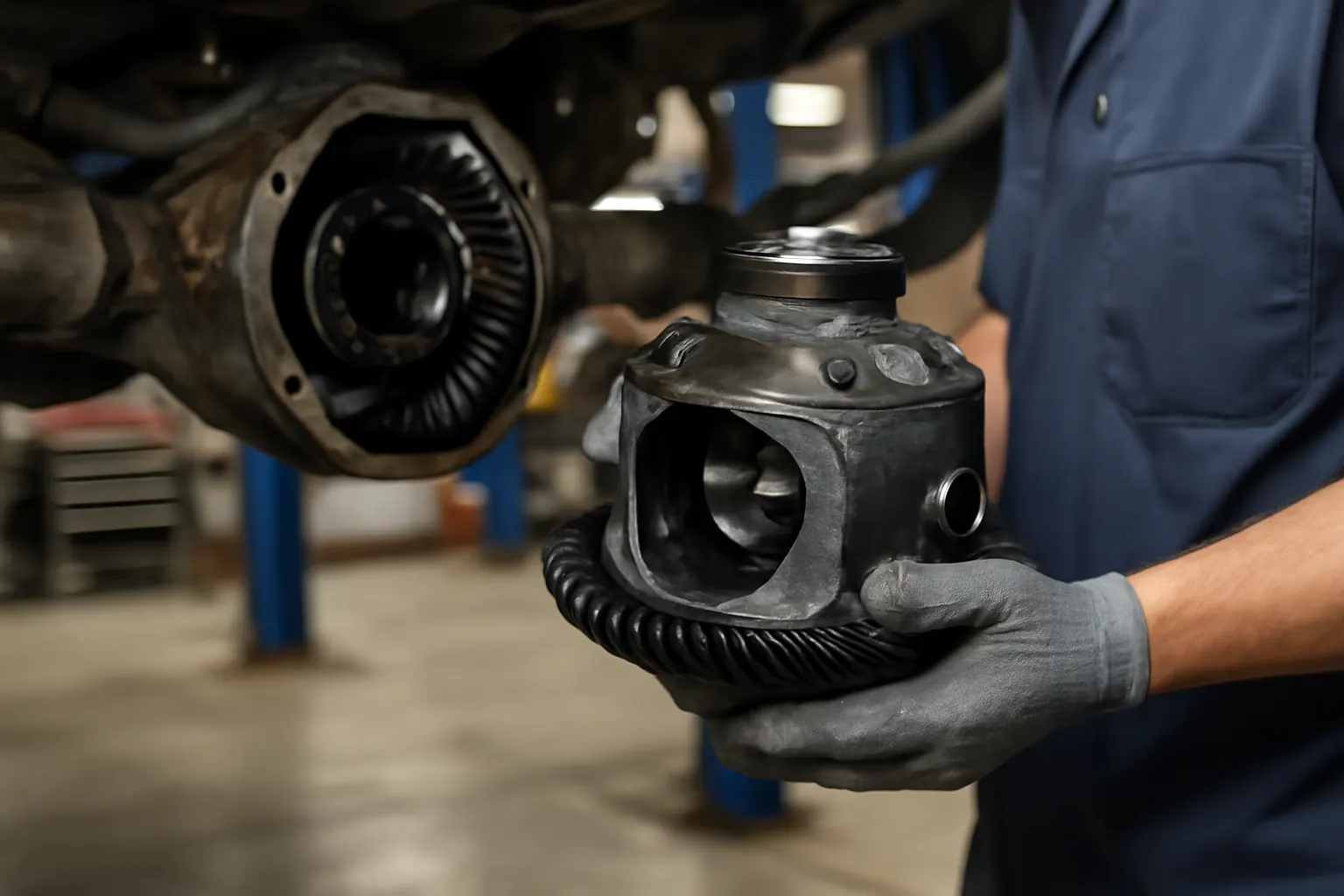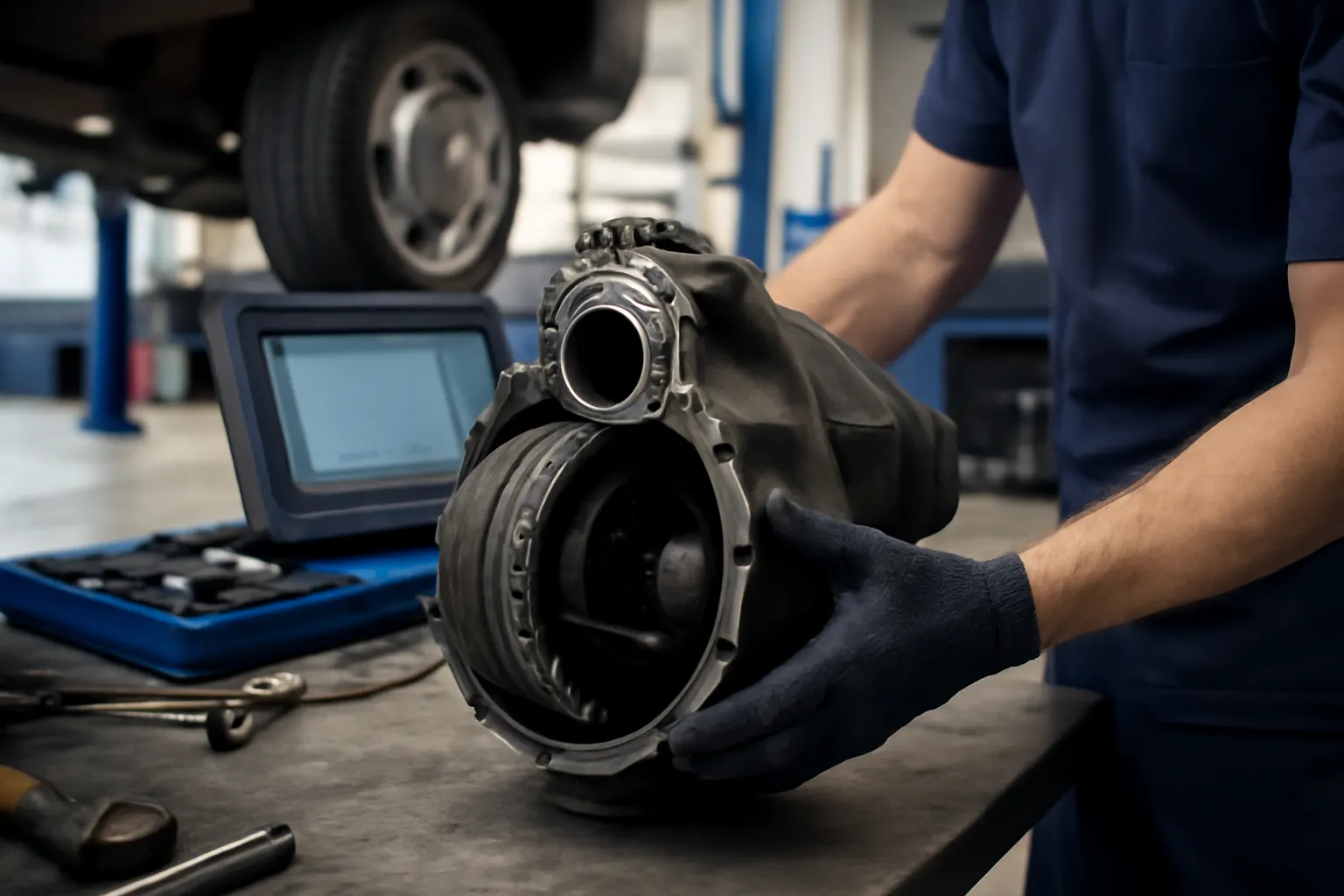
Common Causes of Differential Case Failure
Differential case failure is a critical issue that can halt a vehicle in its tracks, leading to costly repairs and even more severe drivetrain damage if left unchecked. Understanding the most common causes of differential case failure arms vehicle owners, technicians, and off-road enthusiasts with the knowledge needed to prevent catastrophic breakdowns. In this comprehensive guide, we’ll explore the top reasons for differential case damage, from off-road impacts and improper installation to overlooked maintenance and material fatigue. If you’re looking to keep your drivetrain running smoothly for years to come, this article provides the technical depth and practical solutions you need. For more on the role of the differential case in drivetrain longevity, see our Differential Case Only: Precision Housings for Drivetrain Longevity category overview.
1. Immediate Answer: What Causes Differential Case Failure Most Frequently?
The most common causes of differential case failure include:
- Physical impacts (off-road obstacles, road debris)
- Improper installation or torqueing
- Inadequate lubrication or contaminated fluid
- Overloading and excessive torque
- Material fatigue and manufacturing defects
- Neglected maintenance and inspection schedules
Each of these issues can independently or collectively lead to cracks, warping, excessive wear, and ultimately, catastrophic case failure. Identifying these threats early is essential for preserving both the differential case and the entire drivetrain system.
2. The Hidden Problem: Why Differential Case Failures Are Often Overlooked
While the symptoms of differential case failure—such as unusual noises, vibration, or fluid leaks—may seem straightforward, the root causes are frequently misunderstood or missed during routine checks. Many failures develop gradually, masked by normal vehicle operation or mistaken for unrelated drivetrain issues. Compounding this, modern differential cases are engineered to tight tolerances and manufactured from advanced alloys, which can delay obvious signs of damage until the point of failure.
This hidden nature means that by the time a problem becomes apparent, significant internal damage may have already occurred. The result: higher repair costs, potential collateral damage to gears and bearings, and increased downtime for repairs. Understanding the subtle warning signs and underlying causes is the first step toward proactive differential case care.
3. Off-Road Impacts and Road Debris: Silent Killers of Differential Housings
One of the leading causes of differential case damage is physical impact. Off-road enthusiasts, in particular, are at risk when traversing rocks, tree stumps, or uneven terrain. Even street-driven vehicles can suffer from road debris strikes or hitting potholes at speed.
How Impacts Cause Damage
- Direct Deformation: A hard strike can dent or crack the differential case, compromising its structural integrity.
- Seal Disruption: Impact may deform sealing surfaces, leading to fluid leaks.
- Shock Loading: Sudden impacts can transmit shock loads through the gears, causing internal misalignment and case stress.
Preventive Measures
- Install skid plates or differential guards for off-road use.
- Inspect the underside of the vehicle regularly after rough terrain driving.
- Avoid overloading vehicles when navigating challenging surfaces.
4. Improper Installation: The Dangers of Poor Fitment and Torque
Incorrect installation is an often-overlooked culprit behind premature differential case failure. Whether replacing a case or reassembling after gear work, improper torque on fasteners, misaligned mating surfaces, or the use of incorrect gaskets and sealants can have dire consequences.
Common Installation Errors
- Under- or Over-Torquing Bolts: Can lead to case warping or fastener failure.
- Misalignment: Causes uneven load distribution and accelerated wear.
- Incorrect Sealant Usage: May result in leaks or contaminated lubricant.
Best Practices
- Always follow the manufacturer’s torque specifications.
- Use high-quality gaskets and sealants compatible with your differential case material.
- Double-check alignment before final tightening.
For a step-by-step installation guide, see How to Inspect and Replace a Differential Case.
5. Inadequate Lubrication and Contaminated Fluid: An Unseen Threat
Differential cases rely on a consistent supply of clean, high-quality lubricant to protect gears and bearings from friction and heat. Low fluid levels, incorrect lubricant type, or contamination (from water, dirt, or metal shavings) can rapidly accelerate case failure.
Lubrication-Related Failure Modes
- Overheating: Inadequate lubrication allows excessive heat build-up, weakening the case material.
- Corrosion: Water ingress leads to rust and pitting, especially in vented differentials.
- Abrasive Wear: Contaminants act as abrasives, scoring both the internal surfaces and the case itself.
Maintenance Checklist
- Check fluid levels at every oil change.
- Use the lubricant grade recommended by your vehicle manufacturer.
- Inspect for fluid discoloration or metallic particles.
- Replace differential fluid at intervals specified in your owner’s manual.
6. Overloading and Excessive Torque: When Power Becomes a Problem
Modern vehicles—especially trucks and performance builds—often push their drivetrains to the limit. Towing heavy loads, aggressive launches, or high-horsepower modifications can subject the differential case to forces far beyond its original design.
Effects of Overloading
- Case Flexing: Excessive torque can deform the case, leading to gear misalignment.
- Crack Propagation: Repeated stress cycles encourage small cracks to grow, eventually causing catastrophic failure.
- Bearing Seat Distortion: Overload can deform bearing seats, resulting in noisy operation and accelerated wear.
Prevention Tips
- Match your differential case to your vehicle’s intended use—consider upgrades for high-torque applications.
- Avoid exceeding manufacturer-specified towing or payload limits.
- Inspect the case for stress cracks if you frequently tow or drive aggressively.
For guidance on selecting the right case for your build, visit Choosing the Right Differential Case for Your Build.
7. Material Fatigue and Manufacturing Defects
Even with perfect maintenance, differential cases are subject to material fatigue over time. Repeated heat cycles, vibration, and stress can cause microfractures in the metal, especially in cases made from lower-grade alloys or those with casting defects.
Key Risk Factors
- Inferior Materials: Cheaper cases may use alloys with lower fatigue resistance.
- Casting Flaws: Voids or inclusions from the manufacturing process act as stress risers.
- Design Limitations: Some OEM cases are not designed for heavy-duty or modified applications.
How to Mitigate
- Choose differential cases from reputable manufacturers adhering to SAE Standards.
- Consider aftermarket cases engineered for higher strength and durability.
- Inspect for visible cracks or unusual wear during routine maintenance.
8. Neglected Maintenance: The Slow Road to Failure
Routine maintenance is the first line of defense against differential case failure. Neglecting to check fluid levels, ignoring minor leaks, or delaying scheduled inspections allows minor issues to compound over time.
Maintenance Checklist for Differential Case Longevity
| Task | Frequency | What to Look For |
|---|---|---|
| Fluid Level Check | Every oil change | Low fluid, discoloration |
| Fluid Replacement | As per manual | Metal shavings, burnt smell |
| Visual Inspection | Every 6 months | Leaks, cracks, corrosion |
| Fastener Torque Check | Annually or after off-road use | Loose bolts, case distortion |
| Seals and Gaskets | Annually | Hardening, leaks, swelling |
Regular adherence to this checklist can identify problems early and extend the life of your differential case.
9. Environmental and Chemical Exposure
Differential cases are exposed to harsh environments, including moisture, salt, mud, and chemicals from the road or off-road trails. Over time, these elements accelerate corrosion and weaken the case structure.
Environmental Hazards
- Road Salt: Promotes rapid corrosion, especially in winter climates.
- Mud and Water: Can infiltrate seals, leading to internal rust and lubricant contamination.
- Chemical Exposure: Oil, fuel, or cleaning agents may degrade gaskets and seals.
Protection Strategies
- Wash the undercarriage regularly, especially after exposure to salt or mud.
- Inspect and replace seals at the first sign of wear or leakage.
- Apply anti-corrosion treatments to exposed metal surfaces.
10. Diagnostic Techniques: How to Spot Early Signs of Failure
Early detection of differential case issues is vital to prevent further damage. Technicians and savvy DIYers should be familiar with the following diagnostic methods:
Visual Inspection
- Look for visible cracks, dents, or deformation on the differential housing.
- Check for fluid leaks around the case, pinion seal, and axle seals.
Auditory Cues
- Listen for whining, grinding, or clunking noises from the rear or front axle area.
- Noise during acceleration, deceleration, or turning can indicate internal misalignment due to case distortion.
Fluid Analysis
- Drain and inspect the differential fluid for metallic particles or milky appearance (indicative of water ingress).
- Use a magnet to check for excessive metal debris.
Vibration and Handling
- Unusual vibrations, especially under load, may signal case or bearing issues.
- Poor handling or “binding” during turns can indicate internal misalignment.
If any of these signs are present, immediate inspection and potential replacement of the differential case are recommended.
11. Sourcing and Selecting the Correct Replacement Case
When a differential case is damaged, selecting the correct replacement is critical for both fitment and long-term reliability. Here’s what to look for:
Fitment Considerations
- Vehicle Specificity: Ensure the case matches your vehicle’s make, model, year, and axle type.
- Material Quality: Opt for cases constructed from high-strength alloys or enhanced composites.
- OEM vs. Aftermarket: OEM cases guarantee fitment but may not offer strength upgrades; aftermarket options often provide performance enhancements.
Sourcing Checklist
- Use trusted suppliers with a track record for quality.
- Verify compliance with industry standards such as those set by SAE International.
- Cross-check part numbers and compatibility using your VIN or axle code.
For a curated selection of precision-engineered housings, browse our Differential Case Only: Precision Housings for Drivetrain Longevity category.
12. Installation Guidance: Ensuring Long-Term Durability
Proper installation is just as important as selecting the right part. Follow these steps to maximize the lifespan of your new differential case:
Installation Steps
- Preparation: Clean all mating surfaces and remove old gasket material.
- Inspection: Check gears, bearings, and seals for wear—replace as necessary.
- Alignment: Carefully align the case halves or cover, ensuring even gasket compression.
- Torque: Tighten all fasteners to the manufacturer’s specifications in a crisscross pattern.
- Lubrication: Fill with the correct type and quantity of fluid before running the vehicle.
- Testing: After installation, test drive and listen for unusual noises or leaks.
For a detailed walkthrough, see How to Inspect and Replace a Differential Case.
13. Preventive Maintenance: Keeping Your Differential Case Healthy
Preventive maintenance is the most cost-effective way to avoid differential case failure. Here’s a routine you should follow:
- Inspect fluid levels every oil change.
- Replace seals and gaskets at the first sign of wear.
- Schedule annual undercarriage washes, especially in harsh climates.
- Monitor for unusual noises or handling changes.
- Document all service and repairs for future reference.
A disciplined preventive maintenance plan not only extends the life of your differential case but also safeguards the entire drivetrain.
14. Upgrading for Performance and Longevity
For those operating in extreme environments or seeking performance gains, upgrading the differential case can provide significant benefits:
- Thicker Walls: Enhanced resistance to flexing and cracking.
- Superior Alloys: Improved fatigue and corrosion resistance.
- Aftermarket Support: Options for reinforced covers, integrated cooling fins, and magnetic drain plugs.
Learn more about performance upgrades in Differential Case Upgrades: When and Why to Upgrade.
15. AutoPartEx Expertise: The Trusted Source for Differential Cases
At AutoPartEx, we specialize in drivetrain components that meet or exceed OEM standards. Our curated selection of Differential Case Only: Precision Housings for Drivetrain Longevity ensures you find the right fit—whether you’re repairing, upgrading, or building from scratch. Our technical resources, expert guides, and customer support are designed to help you make informed decisions, every step of the way.
16. Conclusion: Protecting Your Drivetrain Investment
Differential case failure is a preventable problem when armed with the right knowledge and resources. By understanding the common causes—physical impacts, improper installation, lubrication issues, overloading, material fatigue, and neglected maintenance—you can take proactive steps to safeguard your vehicle’s drivetrain. Regular inspections, quality parts, and expert installation are your best defense against costly breakdowns and lost vehicle time.
For more technical guides and the latest in drivetrain technology, trust AutoPartEx as your partner in automotive excellence.