Advertisement
Restoring a 1973 Diamond Reo dump truck is a journey that combines historical appreciation, technical expertise, and a relentless pursuit of authenticity. This field report offers a practical, shop-floor perspective on the unique challenges, critical parts sourcing, and expert fitment strategies required for a successful classic Diamond Reo restoration. For those ready to tackle a heritage truck project, this guide delivers immediate, actionable advice while exposing the hidden hurdles that can stall even the most experienced mechanics. If you’re searching for reputable sources of authentic parts, start with the Diamond Reo Auto Parts: Heritage, Authenticity & OEM Fitment | AutoPartEx category, which remains the most reliable hub for restoration-grade components.
The Immediate Answer: What to Expect When Restoring a 1973 Diamond Reo
Restoring a 1973 Diamond Reo dump truck demands a blend of historical research, parts authenticity, and technical precision. Expect to spend significant time hunting for original equipment manufacturer (OEM) components, verifying fitment, and overcoming compatibility challenges that are unique to this era of heavy-duty vehicles. Early in the process, identify and prioritize critical systems: drivetrain, braking, electrical, structural integrity, and safety equipment. Each of these will present its own sourcing and installation hurdles, and your approach to them will dictate the success of the entire project.
Hidden Problems: The Realities of Classic Diamond Reo Restoration
While the initial excitement of a classic truck restoration is undeniable, seasoned restorers quickly encounter a set of hidden problems that can derail progress:
- Obsolete Parts: Many Diamond Reo components from the early 1970s have been out of production for decades, making OEM sourcing a test of patience and ingenuity.
- Authenticity vs. Functionality: The tension between maintaining historical accuracy and achieving modern reliability is ever-present.
- Regulatory Compliance: Modern safety and equipment standards (as outlined by the National Highway Traffic Safety Administration) can conflict with original designs, requiring careful upgrades or modifications.
- Counterfeit Risks: The classic truck market is rife with reproduction and counterfeit parts, some of which are indistinguishable from genuine components without expert inspection.
Unpacking the Challenge: Why Diamond Reo Restorations Are Unique
Diamond Reo trucks, especially from the early 1970s, occupy a special place in heavy-duty vehicle history. The brand’s commitment to robust, modular construction and its use of both proprietary and industry-standard parts create a unique restoration landscape:
- Mixed-Source Components: Many assemblies (axles, transmissions, cabs) were sourced from multiple suppliers, so part numbers and fitment can vary even within the same model year.
- Heavy-Duty Frames and Materials: The use of high-strength steel and riveted construction, as documented by the U.S. Department of Energy, means that structural repairs require specialized knowledge and equipment.
- Legacy Drivetrain Configurations: Drivetrain compatibility must be confirmed against period-correct specs—see the Diamond Reo Drivetrain Compatibility Guide for in-depth reference.
Step One: Full Vehicle Assessment and Documentation
Before sourcing a single part, perform a comprehensive assessment:
Diagnostic Checklist
- Frame and Chassis: Inspect for cracks, corrosion, and prior repairs. Use ultrasonic thickness gauges if available.
- Drivetrain: Document engine, transmission, and axle serial numbers. Confirm if assemblies are original or have been swapped.
- Electrical System: Check for non-original wiring, poor splices, and obsolete fuse types.
- Hydraulic and Pneumatic Systems: Inspect dump mechanisms, brake boosters, and air lines for leaks or outdated fittings.
- Cab and Interior: Evaluate for rust, missing trim, and authenticity of gauges and controls.
Advertisement
Meticulous documentation at this stage is critical. Photograph every assembly, record casting numbers, and log discrepancies against factory literature.
Sourcing Authentic Diamond Reo Parts: Strategies and Pitfalls
Finding the right parts for a 1973 Diamond Reo is a multifaceted endeavor. Here’s how to maximize your success:
Prioritize OEM and NOS (New Old Stock)
- Start with Established Suppliers: Leverage trusted marketplaces and specialty vendors, beginning with the Diamond Reo parts category.
- Verify Part Numbers: Always cross-check with period-correct service manuals and catalogs.
- Assess Provenance: Request photos, manufacturer stamps, and packaging details to confirm authenticity.
Beware of Counterfeits and Reproductions
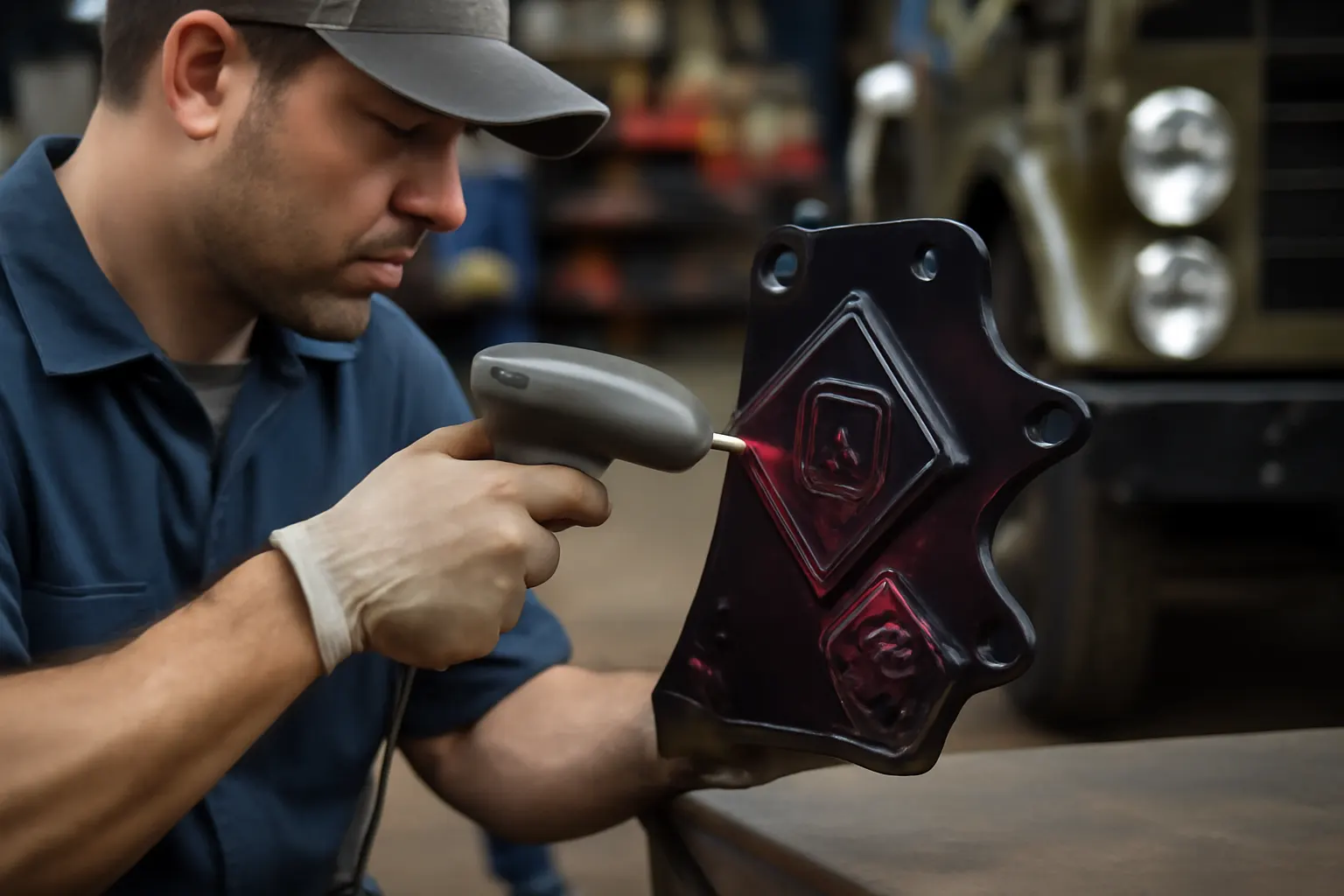
- Inspect Casting Marks and Labels: Genuine parts will have distinct markings—review the How to Identify Authentic Diamond Reo Parts guide for visual references.
- Request Documentation: Reputable sellers will provide provenance or a traceable supply chain.
- Check Fitment Reports: Search for installer notes and user reviews specific to your model year.
Fitment: Overcoming Compatibility Challenges
Even the most authentic part can present fitment issues due to manufacturing tolerances, prior modifications, or model-year changes. Here’s how to address the most common fitment problems:
The Fitment Checklist
- Compare Old and New Parts Side-by-Side: Confirm dimensions, mounting points, and connector types.
- Test-Fit Before Final Assembly: Temporarily install major components and check clearances.
- Adapt, Don’t Force: If a part requires significant modification, reevaluate its authenticity or applicability.
- Consult Technical Standards: Reference SAE Standards for installation torque specs, fastener grades, and system tolerances.
Safety and Regulatory Upgrades
Classic trucks like the 1973 Diamond Reo rarely meet modern safety standards without upgrades. Restoration shops must balance authenticity with compliance:
- Braking Systems: Replace obsolete air brake valves and lines with DOT-approved modern equivalents where possible.
- Lighting and Reflectors: Upgrade to current-spec lamps and reflective materials, ensuring compliance with NHTSA Vehicle Safety and Equipment requirements.
- Seat Belts and Restraints: Install period-appropriate but certified hardware for occupant safety.
Many states require classic commercial vehicles to pass periodic safety checks, so plan upgrades early to avoid costly rework.
Structural Restoration: Preserving the Diamond Reo Foundation
The frame and cab structure of a 1973 Diamond Reo are the backbone of its durability, but decades of service take their toll:
- Frame Repairs: Use OEM-spec high-strength steel sections and rivets. Weld only where factory manuals allow—improper welding can compromise structural integrity.
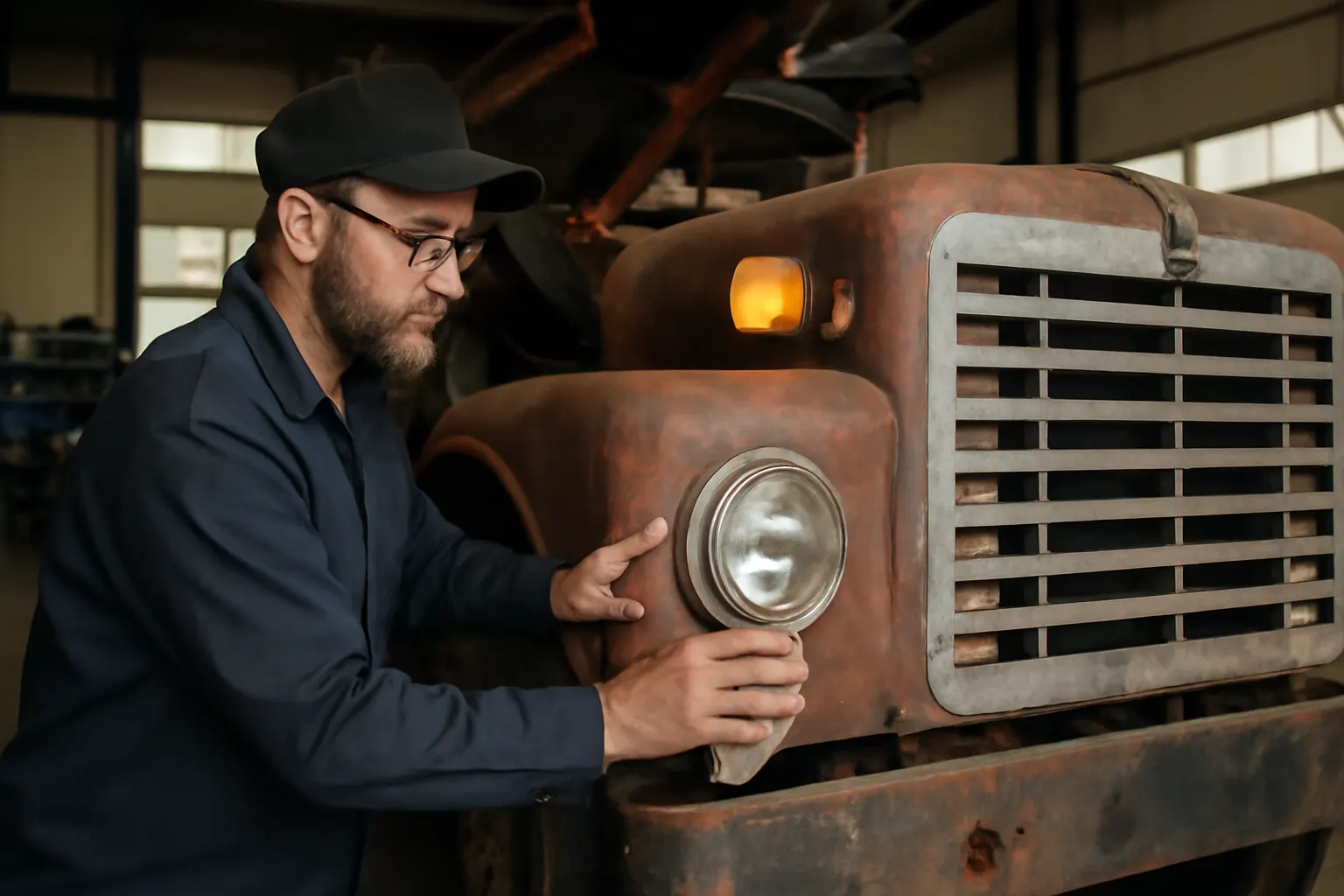
- Cab Restoration: Address rust with proper cut-and-patch techniques. Reuse original panels when possible, supplementing with reproduction sheet metal only when absolutely necessary.
- Materials Technology: Reference modern material guidelines, such as those from the U.S. Department of Energy, to select compatible repair materials and coatings.
Drivetrain Overhaul: Engine, Transmission, and Axles
Diamond Reo trucks often used Cummins or Detroit Diesel engines paired with Fuller transmissions and Rockwell or Eaton axles. Each subsystem requires its own restoration approach:
- Engine: Rebuilds should prioritize OEM internals and gaskets. Verify all casting numbers and measure tolerances to SAE specifications.
- Transmission: Inspect synchronizers, bearings, and gears for wear. Replace with NOS or verified aftermarket parts only.
- Axles and Suspension: Check for straightness, bearing play, and correct gear ratios. Use period-correct lubricants and torque specs.
Advertisement
Refer to the Diamond Reo Drivetrain Compatibility Guide for detailed interchange information.
Electrical and Hydraulic Systems: Modernizing Without Compromising Authenticity
Restoring electrical and hydraulic systems in a 1973 dump truck is a balancing act:
- Wiring Harnesses: Rebuild harnesses using period-correct wire colors and gauges, but upgrade insulation to modern standards for improved safety.
- Switchgear and Gauges: Refurbish original dash components where possible, sourcing NOS replacements for non-restorable units.
- Hydraulic Cylinders and Pumps: Re-seal and rebuild using compatible modern seals, but retain original castings and housings for authenticity.
When upgrading, always document changes for future serviceability and historical accuracy.
Combatting Counterfeit Parts in Classic Truck Restorations
The risk of counterfeit or substandard parts is real and growing. Classic truck restorers must be vigilant:
- Know the Signs: Inconsistent casting marks, odd packaging, and incorrect fasteners are red flags.
- Use Trusted Sources: Rely on established suppliers and the Combatting Counterfeit Parts in Classic Trucks guide for best practices.
- Authenticate Before Install: When in doubt, have questionable parts evaluated by a professional or compared to a known original.
Maintenance Protocols for Preserved Diamond Reos
Once restoration is complete, ongoing maintenance is vital to preserve both function and value:
- Lubrication Schedule: Adhere to period-correct intervals for engine, transmission, axles, and chassis grease points.
- Inspection Routine: Establish a checklist for each pre- and post-operation inspection, focusing on safety-critical systems.
- Storage and Preservation: Store indoors, control humidity, and periodically cycle mechanical systems to prevent stagnation.
Routine documentation and adherence to classic truck maintenance best practices will ensure longevity and reliability.
Fuel Efficiency and Operation: Balancing Old-School Power with Modern Demands
While a 1973 Diamond Reo will never match the fuel economy of a modern truck, careful restoration can optimize efficiency:
- Engine Tuning: Rebuild to factory compression and timing specs, using modern fuels and lubricants where appropriate.
- Aerodynamics and Weight: Remove unnecessary add-ons and avoid overloading to maximize efficiency, as recommended by the U.S. Department of Energy.
- Tire Selection: Use period-correct sizes with modern compounds for reduced rolling resistance.
Understanding the operational limits and capabilities of a restored Diamond Reo is essential for safe, efficient use.
The AutoPartEx Advantage: Supporting Authentic Diamond Reo Restorations
AutoPartEx is committed to supporting restorers with:
- Verified Parts Inventory: Our Diamond Reo parts category features only authentic, vetted components.
- Expert Guidance: Access in-depth guides like How to Identify Authentic Diamond Reo Parts and the Diamond Reo Drivetrain Compatibility Guide.
- Counterfeit Prevention: Our sourcing protocols and supplier networks minimize the risk of substandard or fake parts entering your project.
When you choose AutoPartEx, you’re investing in both the legacy of Diamond Reo and the long-term reliability of your restoration.
Expert Action: Your Next Steps in Diamond Reo Restoration
To maximize your restoration success:
- Document Everything: Start with a complete photographic and written record of your truck’s current state.
- Source Wisely: Prioritize OEM and NOS parts, using trusted suppliers and cross-referencing all components.
- Validate Fitment: Test-fit every major part and consult technical standards.
- Upgrade Safely: Implement modern safety and reliability upgrades as needed, always documenting any deviations from stock.
- Maintain Diligently: Establish a maintenance routine that preserves both function and authenticity.
For ongoing support, community forums, and the latest parts availability, bookmark the Diamond Reo Auto Parts: Heritage, Authenticity & OEM Fitment | AutoPartEx page and engage with our technical resources.
References
Advertisement