Dash Pad Restoration: When to Repair vs. Replace
Is your dash pad showing cracks, fading, or warping? You’re not alone—dash pad deterioration is one of the most common issues facing vehicle owners, especially as cars age or endure harsh sunlight. The immediate question is: should you restore your dash pad with a kit, or is it time for a full replacement? This guide delivers the practical, technical, and budget-conscious answer, backed by industry standards and safety insights.
Whether you’re restoring a classic, maintaining your daily driver, or simply aiming to protect your investment, understanding the trade-offs between dash pad repair and replacement is essential. We’ll break down the pros and cons, help you diagnose the severity of dash pad damage, and guide you through the decision process. For those seeking comprehensive restoration or more information on related components, visit our Dash Pad Replacement & Restoration: The Ultimate Guide to Protecting Your Vehicle’s Interior for a full overview.
The Quick Answer: Repair or Replace?
For minor cracks, surface wear, or small areas of sun damage, dash pad restoration kits offer a budget-friendly and effective fix. However, if your dash pad suffers from severe cracking, structural warping, or compromised safety features (such as airbag integration), full replacement is the safest and most reliable option.
- Repair: Best for minor cosmetic damage, light cracks, or faded surfaces.
- Replace: Necessary for extensive cracks, warped structure, or when safety could be compromised.
Let’s dig deeper into the factors that should drive your decision—and the hidden issues that can catch even seasoned DIYers off guard.
The Hidden Problem: More Than Just Looks
While cosmetic damage is the most visible sign that your dash pad needs attention, the real issues often go deeper. Dash pads do more than enhance your interior’s appearance; they play a crucial role in vehicle safety, structural integrity, and even airbag deployment.
Safety and Structural Concerns
- Material Degradation: Over time, UV exposure and heat cycles degrade the dash pad’s materials—vinyl, foam, or composites—leading to brittleness and loss of impact absorption. According to the National Highway Traffic Safety Administration, deteriorated interior components can compromise occupant safety during collisions.
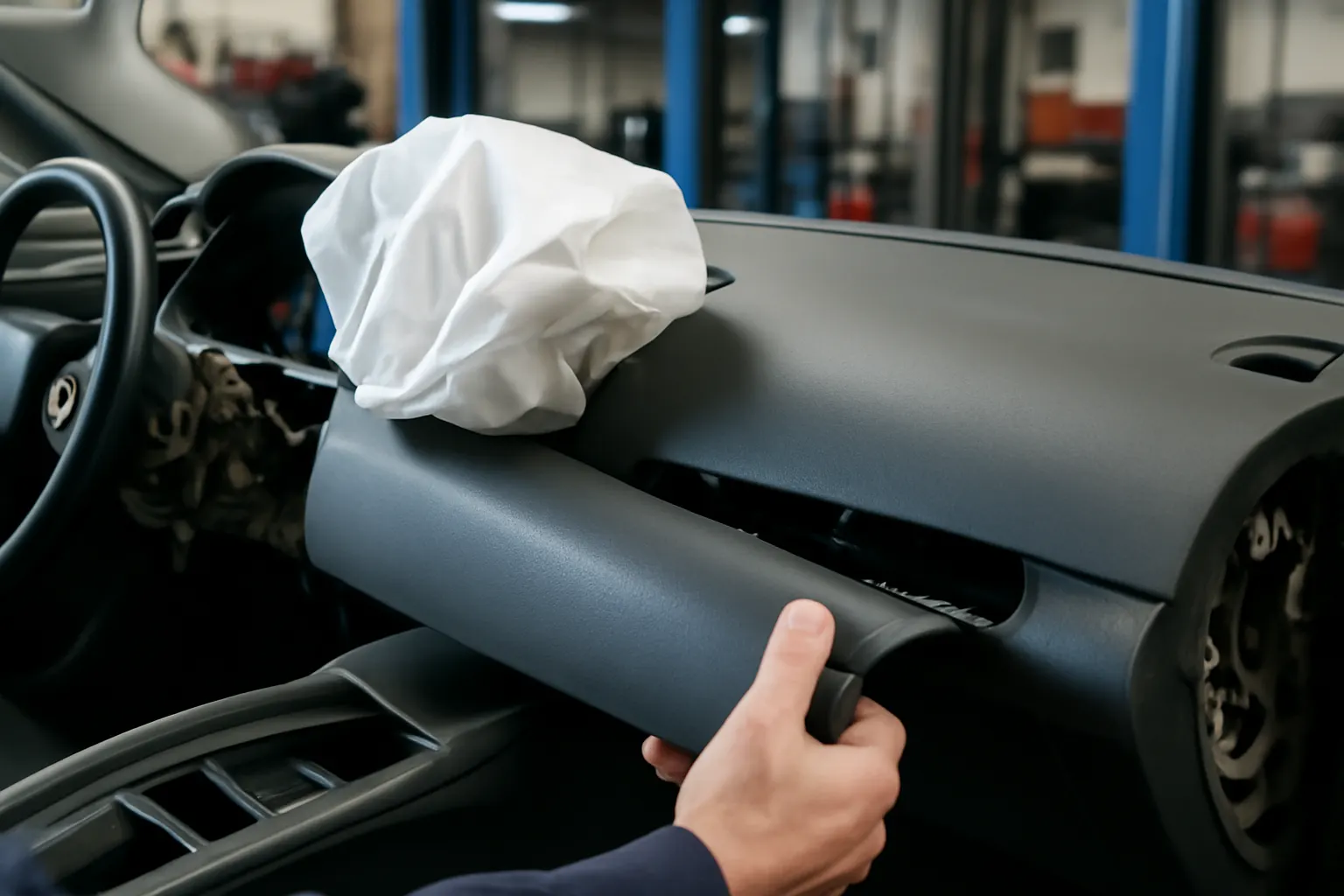
- Airbag Deployment: Many modern dash pads are designed as part of the airbag system. Cracked, warped, or incorrectly repaired dash pads can interfere with airbag deployment, increasing injury risk.
- Mounting and Fitment: Dash pads often serve as mounting points for switches, vents, and instrument clusters. Deformation or improper repair can result in rattles, misaligned controls, or even electrical issues.
These hidden problems mean that a quick cosmetic fix might not be enough—especially if your dash pad’s structural role or safety function is at stake.
Diagnosing Dash Pad Damage: A Detailed Checklist
Before deciding between repair and replacement, conduct a thorough inspection. Use this checklist to assess the condition of your dash pad:
Dash Pad Assessment Checklist
- Visual Inspection
- Are there small, hairline cracks or deep splits?
- Is the color faded or discolored?
- Are there any visible warps or bulges?
- Tactile Check
- Is the surface brittle or soft to the touch?
- Do you feel any areas that compress too easily or feel hollow?
- Structural Integrity
- Press gently on various areas—does the dash flex, creak, or crack further?
- Are mounting points or fasteners loose or pulling away?
- Functional Assessment
- Do vents, switches, and clusters fit securely?
- For vehicles with passenger airbags: Is the airbag cover area intact and unmodified?
- Underlying Damage
- Check beneath the dash pad (if accessible) for moisture, mold, or corrosion.
- Inspect for signs of previous repairs—poorly executed fixes can hide bigger problems.
Results Interpretation:
- Minor cracks/fading only: Restoration kit may suffice.
- Deep cracks, warping, or compromised mounting/airbag area: Replacement strongly recommended.
Understanding Dash Pad Materials and Their Lifespan
Dash pads are engineered from a variety of materials, each with unique properties and failure modes. The U.S. Department of Energy highlights the importance of advanced materials in vehicle interiors, balancing weight, durability, and safety (DOE Materials Technologies).
Common Dash Pad Materials
- Vinyl over Foam: Most common in classic and modern vehicles. Vinyl provides a smooth surface; foam underneath absorbs impacts.
- Polyurethane: Offers a more rigid structure, often found in luxury or performance vehicles.
- ABS Plastic: Increasingly used for its lightweight and durability, but can become brittle over time.
- Composite Blends: Modern dash pads may include fiber reinforcements for added strength and lighter weight.
Typical Lifespan: 10–20 years, depending on climate, UV exposure, and maintenance.
Warning: Once materials become brittle or start separating, repairs may only offer temporary relief. Structural failure is likely to progress.
The Pros and Cons of Dash Pad Restoration Kits
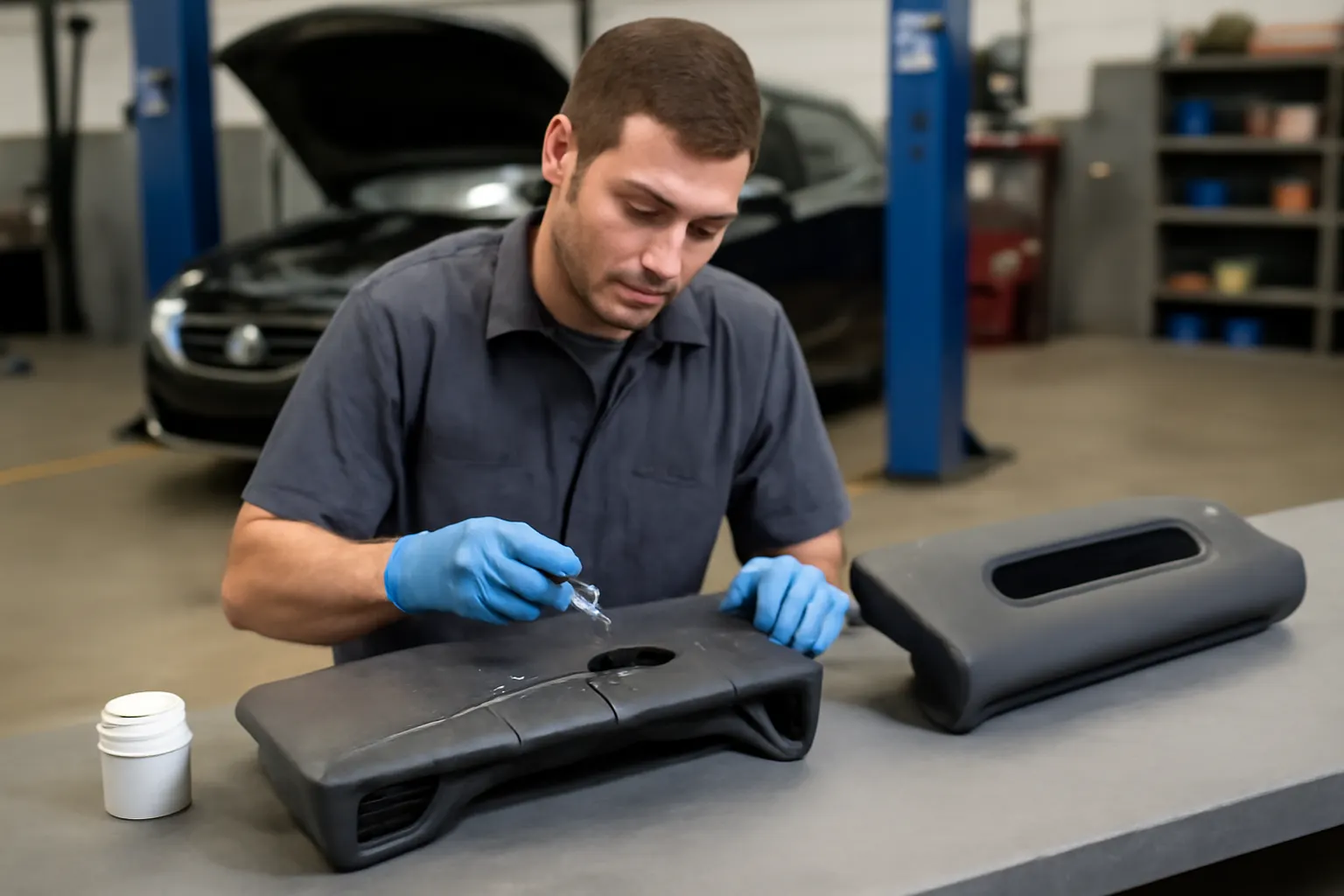
Restoration kits have become increasingly sophisticated, offering everything from vinyl fillers and colorants to textured overlays. Here’s what you need to know:
Pros
- Cost-Effective: Kits are significantly less expensive than full replacements, often under $100.
- DIY-Friendly: Most kits can be applied with basic tools and minimal experience.
- Customizable: Many kits offer color-matching to blend repairs seamlessly with your interior.
- Quick Turnaround: Repairs can often be completed in a few hours.
Cons
- Limited to Surface Damage: Kits are only effective for minor cracks, fading, or surface blemishes.
- Durability Concerns: Repaired areas may not withstand heat or UV as well as factory materials.
- Aesthetic Limitations: Texture and color matching may not be perfect, especially on older or heavily faded dash pads.
- No Structural Restoration: Kits cannot restore lost rigidity or correct warping.
Bottom Line: Restoration kits are a practical choice for light cosmetic repairs, but not a substitute for structural integrity or safety.
When Full Dash Pad Replacement Is the Only Safe Option
If your dash pad is severely cracked, warped, or has failed mounting points, replacement is the only reliable solution. Here’s why:
Structural and Safety Requirements
- Impact Absorption: The dash pad must absorb impact energy in a crash. Severely damaged or poorly repaired pads may fail this critical function (NHTSA Equipment).
- Airbag Compatibility: Any modification or damage to the airbag area can interfere with deployment, risking severe injury.
- Mounting Integrity: A replacement dash pad restores factory fitment, ensuring all controls, vents, and clusters function as designed.
Replacement Drawbacks
- Higher Cost: OEM or high-quality aftermarket dash pads can range from $200 to $800+, depending on make/model.
- Labor Intensive: Replacement often requires partial disassembly of the dashboard, which can be challenging for DIYers.
- Sourcing Issues: For older or rare vehicles, finding an exact-fit replacement may require searching specialty suppliers or considering custom fabrication.
Recommendation: For any dash pad with deep cracks, warping, or airbag involvement, replacement is the only option that guarantees safety and performance.
Step-by-Step: How to Use a Dash Pad Restoration Kit
If your inspection determines that restoration is appropriate, follow these steps for a successful repair:
- Clean the Surface Thoroughly
- Remove all dust, oils, and debris using a plastic-safe cleaner.
- Prep the Damaged Area
- Lightly sand the area around cracks or blemishes to ensure adhesion.
- Apply Filler or Compound
- Use a vinyl repair compound or filler as directed by the kit instructions.
- Smooth the surface with a spatula or provided tool.
- Texture Matching
- Use included texture pads or grain papers to replicate the dash’s original finish.
- Color Application
- Apply colorant or dye, blending carefully to match surrounding areas.
- Let dry completely before touching or reinstalling accessories.
- Seal and Protect
- Some kits include a UV-resistant sealant to extend the repair’s life.
Pro Tip: Always test colorant on a hidden area first. Work in a well-ventilated space and allow ample curing time for each layer.
Step-by-Step: Full Dash Pad Replacement Overview
If replacement is needed, here’s a high-level overview of the process. For more detailed instructions, see our How to Replace a Dash Pad: Step-by-Step Guide.
- Disconnect Battery
- Prevent accidental airbag deployment and protect electronics.
- Remove Trim Panels
- Carefully pry away any panels or bezels covering dash pad mounting points.
- Unfasten Dash Pad
- Locate and remove all screws, bolts, or clips securing the dash pad.
- Disconnect Accessories
- Detach vents, switches, or wiring harnesses as needed.
- Remove Old Dash Pad
- Gently lift the pad away, taking care not to damage underlying components.
- Install New Dash Pad
- Position the new pad, ensuring all mounting points align.
- Reconnect accessories and secure fasteners.
- Reinstall Trim and Test
- Replace all trim panels and test the fitment of controls, vents, and (if equipped) airbag covers.
Note: Some vehicles require partial dash disassembly or steering column lowering for access. Consult your vehicle’s service manual or our detailed guide for model-specific tips.
Airbag Safety: A Critical Consideration
Modern vehicles often integrate passenger airbags into the dash pad assembly. Any modification, repair, or replacement of the dash pad must be performed with airbag compatibility in mind.
- Never attempt repairs directly over airbag covers—this can impede deployment.
- Always disconnect the battery and wait at least 10 minutes before working near airbags.
- Use only manufacturer-approved replacement parts when dealing with airbag-equipped dash pads.
For more on this topic, see The Role of Dash Pads in Airbag Safety.
Sourcing the Right Dash Pad: OEM vs. Aftermarket
When replacing your dash pad, sourcing the correct part is critical for fitment, safety, and aesthetics.
OEM (Original Equipment Manufacturer)
- Guaranteed Fit: Designed for your specific make and model.
- Materials Match: Identical to factory dash pads in material, color, and texture.
- Higher Cost: Typically more expensive, but often worth it for exact restoration.
Aftermarket Options
- Cost Savings: Often 20–40% less than OEM.
- Varied Quality: Some aftermarket pads match OEM specs, others may lack durability or proper fitment.
- Customization: Aftermarket may offer additional colors or finishes.
Checklist for Sourcing:
- Verify compatibility with your vehicle’s year, make, and model.
- Check for airbag integration if applicable.
- Confirm return policy in case of fitment issues.
- Read reviews or consult forums for quality feedback.
For classic or rare models, consider restoration specialists or custom dash pad manufacturers.
Maintenance Tips: Extending the Life of Your Dash Pad
Whether you repair or replace, ongoing care is essential to maximize your dash pad’s lifespan.
Sun Protection
- Use Sunshades: Reduce UV exposure when parked.
- Apply UV Protectant: Use a dash-safe product to prevent fading and cracking.
- Tinted Windows: Legal in many areas and effective at reducing interior heat.
Regular Cleaning
- Gentle Cleaners Only: Avoid harsh chemicals that degrade vinyl or plastic.
- Microfiber Cloths: Prevent scratching and preserve surface texture.
Climate Awareness
- Avoid Extreme Temperatures: Whenever possible, garage your vehicle or park in the shade.
- Monitor for Early Signs: Address small cracks or fading before they worsen.
For more protection strategies, see Protecting Your Dash Pad from Sun Damage.
Budgeting: What to Expect for Restoration vs. Replacement
Restoration Kit Costs
- $25–$100, depending on brand and included materials.
- Suitable for DIYers; minimal additional tools required.
Replacement Costs
- $200–$800+ for new dash pad (OEM or high-quality aftermarket).
- Installation labor (if outsourced): $200–$500, depending on complexity and region.
Hidden Costs
- Additional trim clips, fasteners, or specialty tools may be required.
- If airbag or electrical components are disturbed, professional recalibration may be necessary.
Summary Table: Repair vs. Replace
| Factor | Restoration Kit | Full Replacement |
|---|---|---|
| Cost | $25–$100 | $200–$800+ |
| Labor | DIY-friendly | Moderate–High |
| Safety/Structural Repair | No | Yes |
| Airbag Compatibility | Limited | Yes (OEM/approved) |
| Durability | Moderate | High |
| Aesthetics | Good (minor damage) | Excellent |
Common Pitfalls and How to Avoid Them
Even experienced DIYers can run into trouble during dash pad restoration or replacement. Watch out for these issues:
- Rushing the Prep: Skipping surface prep leads to poor adhesion and short-lived repairs.
- Ignoring Airbag Areas: Never repair or modify dash pads over airbag zones unless using manufacturer-approved methods.
- Mismatched Parts: Aftermarket pads that don’t fit perfectly can cause rattles, squeaks, and even safety issues.
- Overtightening Fasteners: This can crack new dash pads or distort their shape.
- Neglecting Maintenance: Failing to protect a new or repaired dash pad accelerates future damage.
Pro Tip: Always consult your vehicle’s service manual and follow all safety precautions. When in doubt, consult a professional—especially with airbag-equipped dashboards.
The AutoPartEx Advantage: Expertise, Selection, and Support
At AutoPartEx, we understand that every restoration project is unique—balancing budget, safety, and authenticity. Our curated selection of dash pads and restoration kits covers a wide range of makes and models, from vintage classics to modern daily drivers. With technical resources, step-by-step guides, and a dedicated support team, we help you make the right choice for your vehicle.
Explore our Dash Pad Replacement & Restoration: The Ultimate Guide to Protecting Your Vehicle’s Interior for more in-depth resources and product recommendations. Whether you’re sourcing OEM replacements, researching airbag compatibility, or seeking expert installation tips, AutoPartEx has you covered.
Conclusion: Making the Right Call for Your Dash Pad
Deciding between dash pad repair and replacement comes down to a careful assessment of damage, safety requirements, and long-term value. Minor cosmetic issues are well-suited to restoration kits—but for severe cracks, warping, or any impact on airbag function, replacement is the only safe and lasting solution.
By following the diagnostic steps, understanding material limitations, and sourcing quality parts, you can restore your dash pad to factory appearance and function. Protect your investment, maintain safety standards, and enjoy a refreshed interior with the right approach—backed by the expertise and resources of AutoPartEx.