The Role of Dash Pads in Airbag Safety
Airbag safety is one of the most critical aspects of modern vehicle design, yet many drivers overlook the vital role that dash pads play in airbag performance. The dash pad isn't just a cosmetic feature—it is a key component in ensuring that airbags deploy correctly and protect vehicle occupants during a collision. If you're considering dash pad replacement, restoration, or an upgrade, understanding the intricate relationship between dash pads and airbag systems is essential for keeping your vehicle compliant with safety standards and maximizing occupant protection. In this guide, the AutoPartEx Technical Editorial Team delivers a comprehensive, technical look at how dash pad design influences airbag safety, what pitfalls to avoid, and how to choose the right replacement for your vehicle.
For a broader overview of dash pad maintenance and restoration, visit our Dash Pad Replacement & Restoration: The Ultimate Guide to Protecting Your Vehicle’s Interior page.
The Immediate Answer: Dash Pads Directly Impact Airbag Deployment
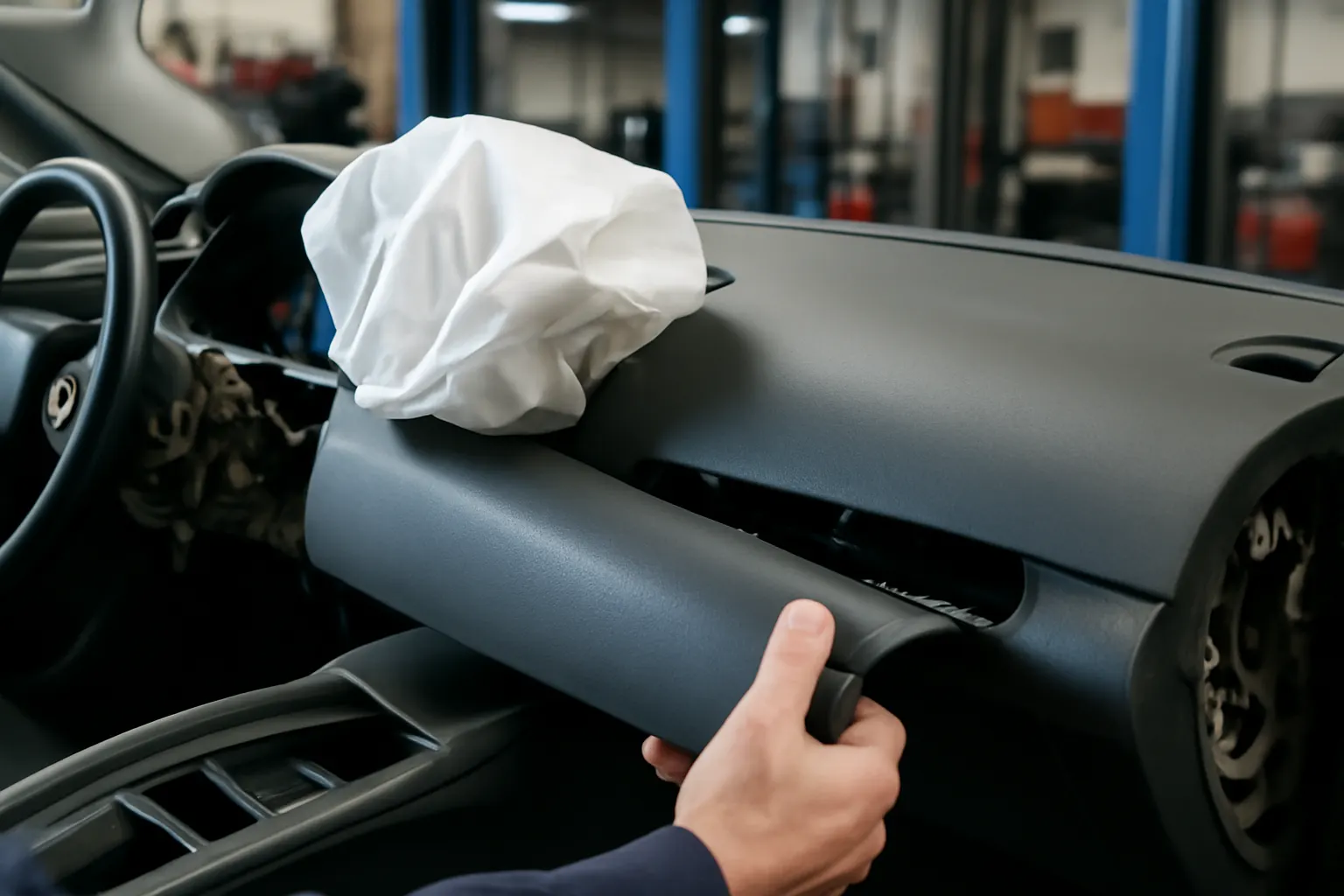
When an airbag deploys, milliseconds matter. The dash pad—the padded covering atop your dashboard—not only houses and conceals the passenger-side airbag module but also forms a critical part of the airbag deployment path. If the dash pad is too rigid, too soft, improperly fitted, or made from incompatible materials, it can delay, obstruct, or even prevent the airbag from deploying as designed. This can result in catastrophic injury or death.
Key Point: Only dash pads designed and tested for your specific vehicle’s airbag system should be used. Aftermarket or DIY modifications can compromise airbag function and vehicle safety.
The Hidden Problem: Not All Dash Pads Are Created Equal
Many drivers and even some installers assume that any dash pad fitting the dashboard’s dimensions is suitable for use. However, dash pads are engineered with precise material properties, thickness, and tear seams to work in harmony with airbag deployment. Using a generic or ill-fitting dash pad can:
- Interfere with the timing and trajectory of airbag inflation.
- Cause the airbag cover to break apart into dangerous fragments.
- Lead to airbag deployment failures that may not be immediately apparent until an accident occurs.
Critical Insight: Even a minor deviation in dash pad material or construction from OEM (Original Equipment Manufacturer) specifications can render your airbag system ineffective.
Digging Deeper: How Dash Pads and Airbags Interact
Engineering the Deployment Path
Automotive engineers design the dash pad and airbag module as an integrated safety system. The dash pad above the passenger airbag is typically scored or weakened along a specific path, known as a "tear seam," which allows the airbag to burst through in a controlled manner. The dash pad must:
- Tear predictably: The seam must open at the precise moment the airbag inflates, neither too early nor too late.
- Maintain integrity elsewhere: The rest of the dash pad must remain intact to prevent debris from entering the cabin.
- Avoid excess resistance: Material thickness, density, and elasticity must be matched to the airbag’s inflation force.
Material Science and Standards
Modern dash pads are constructed from advanced polymers, vinyls, or composite materials, each selected for their interaction with airbag deployment. These materials are tested under rigorous standards—such as those outlined by SAE International—for:
- Tensile strength and elongation.
- Resistance to UV degradation (which can make materials brittle and alter deployment).
- Chemical compatibility with airbag propellants.
Manufacturers must certify that dash pads meet or exceed the National Highway Traffic Safety Administration (NHTSA) safety equipment standards for the vehicle’s model and year.
Airbag Deployment Failures Linked to Dash Pad Issues
Real-World Examples
NHTSA recalls frequently cite dash pad and dashboard cover issues as contributing factors in airbag deployment failures. Common problems include:
- Delayed deployment: Excessively thick or hard dash pads slow the airbag’s emergence, reducing its effectiveness.
- Improper trajectory: Airbags may deploy at the wrong angle if the dash pad does not tear as designed, increasing injury risk.
- Pad fragmentation: Incompatible materials can shatter, sending debris toward occupants.
Reviewing NHTSA recall data reveals that aftermarket dash pads and covers are a recurring source of airbag malfunctions, especially in vehicles where DIY or non-OEM parts are installed.
Recognizing the Right Dash Pad for Airbag Safety
OEM vs. Aftermarket: What Matters Most
- OEM Dash Pads: These are engineered specifically for your vehicle’s make, model, and year, and are tested to ensure full compatibility with the airbag system. They include pre-formed tear seams and use approved materials.
- Aftermarket Dash Pads: Only select aftermarket dash pads are tested and certified for airbag compatibility. Many generic covers or pads do not include proper tear seams or use materials that may interfere with deployment.
What to Look For
When sourcing a replacement dash pad, confirm:
- It is certified for your vehicle’s year/make/model with airbag compatibility.
- It features a clearly defined tear seam above the airbag.
- Materials match OEM specifications for thickness, flexibility, and UV resistance.
- The part is listed as compliant with NHTSA and SAE standards.
Diagnostic Checklist: Is Your Dash Pad Airbag-Safe?
Before replacing or restoring your dash pad, use this diagnostic checklist to ensure airbag safety compliance:
| Diagnostic Step | Details/What to Check |
|---|---|
| Vehicle Fitment | Confirm dash pad part number matches your exact vehicle (year, make, model, trim). |
| Tear Seam Presence | Inspect for a visible or marked tear seam above the airbag module. |
| Material Quality | Ensure material is not brittle, excessively soft, or degraded by UV exposure. |
| Certification Labels | Look for OEM markings or third-party certification for airbag compatibility. |
| Recall Status | Check NHTSA Recalls for known issues with your dash pad or vehicle model. |
| Installation Instructions | Only use dash pads with clear, airbag-specific installation guidance. |
| No Unauthorized Modifications | Avoid pads that have been cut, drilled, or altered in the airbag deployment zone. |
The Installation Factor: Why Proper Fitment Is Non-Negotiable
Consequences of Improper Installation
Even the correct dash pad can compromise airbag safety if installed incorrectly. Common installation errors include:
- Misaligning the pad so the tear seam does not match the airbag module.
- Over-tightening fasteners, which can compress or deform the pad.
- Using adhesives or fasteners not specified by the manufacturer, which may obstruct the deployment path.
Professional Installation or DIY?
If you lack experience with airbag-equipped dashboards, professional installation is strongly recommended. Technicians follow manufacturer torque specs, alignment procedures, and post-installation checks to verify airbag readiness.
For those with advanced DIY skills, our How to Replace a Dash Pad: Step-by-Step Guide details the process, but always emphasize airbag system precautions.
Maintenance and Inspection: Keeping Your Dash Pad Ready for Action
Regular Inspection Routines
To ensure ongoing airbag safety:
- Inspect the dash pad for cracks, warping, or discoloration every 6-12 months, especially in vehicles exposed to direct sunlight.
- Check for loosening or lifting around the airbag area.
- Verify that the tear seam remains intact and unobstructed.
Sun Damage and Degradation
UV exposure can cause dash pad materials to become brittle, altering their deployment characteristics. Use sunshades, UV protectants, or refer to our Protecting Your Dash Pad from Sun Damage guide for preventative measures.
The Restoration Dilemma: Repair or Replace?
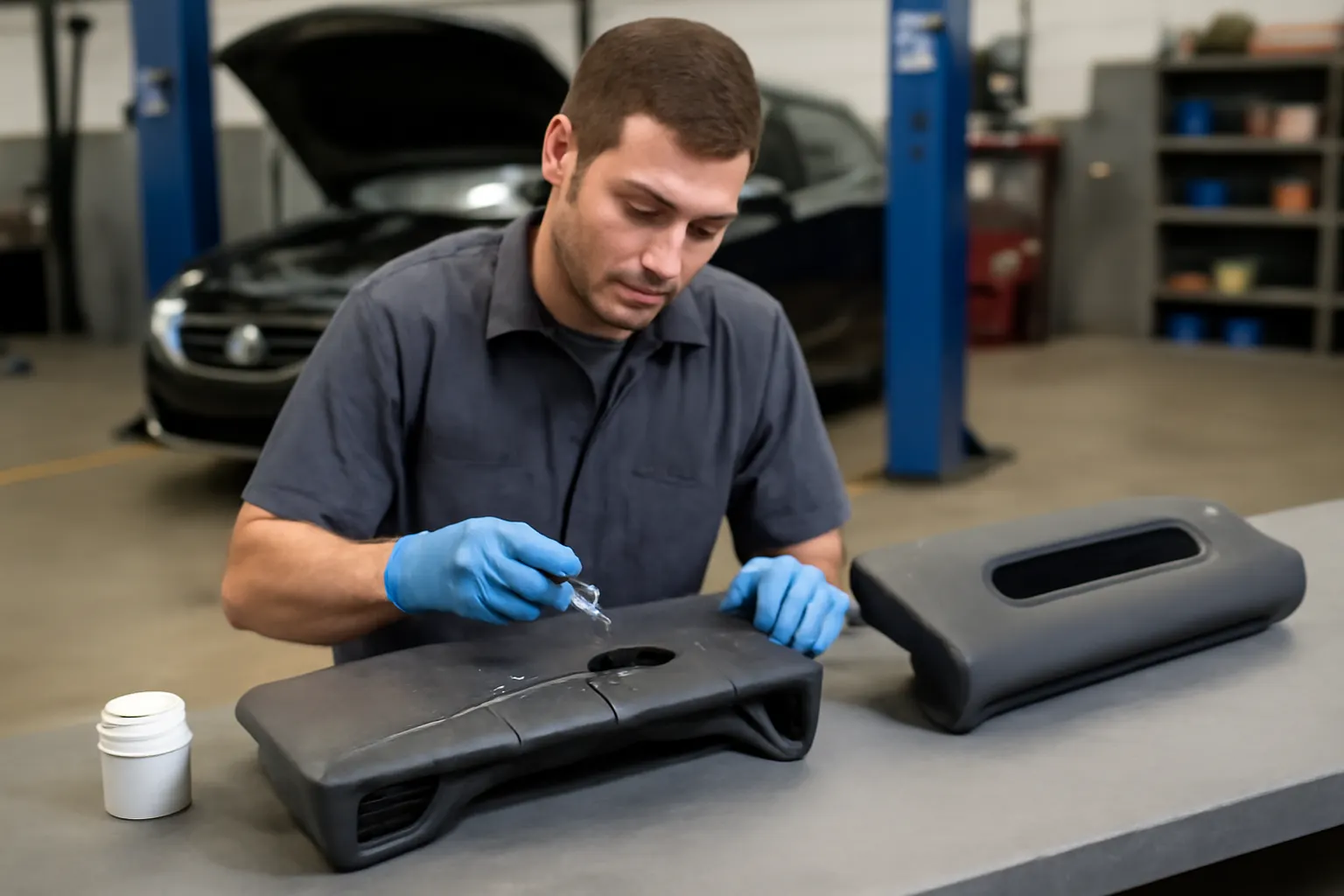
Dash pad restoration is popular for classic and older vehicles, but restoring a dash pad in an airbag-equipped vehicle is a high-risk proposition. Filling cracks or re-covering the pad with aftermarket materials can:
- Obstruct the tear seam or alter the pad’s breakaway characteristics.
- Change the pad’s thickness or elasticity, impacting deployment timing.
For vehicles with passenger airbags, replacement with a certified, airbag-compatible dash pad is the only safe option. See our Dash Pad Restoration: When to Repair vs. Replace for more on this critical decision.
Regulatory and Safety Standards: How Compliance Is Ensured
NHTSA and SAE Standards
All dash pads used in airbag-equipped vehicles must comply with federal safety standards. The NHTSA Vehicle Safety and Equipment guidelines mandate that:
- Dash pads must not impede or alter the function of safety devices.
- Only certified replacement parts are to be used in critical safety systems.
SAE (Society of Automotive Engineers) standards specify test protocols for dash pad materials and airbag deployment characteristics, including:
- Dynamic impact testing.
- Environmental aging and UV exposure cycles.
- Material compatibility with airbag inflators.
Recalls and Safety Bulletins
Stay informed about recalls related to dash pads and airbags by checking the NHTSA recall database regularly, especially after purchasing or installing a replacement part.
Sourcing the Right Dash Pad: Buying Guidance
When shopping for a dash pad replacement, prioritize safety and compliance over aesthetics or cost. Follow these sourcing tips:
- Buy from reputable suppliers specializing in OEM or certified aftermarket parts.
- Avoid generic dashboard covers or pads that do not specify airbag compatibility.
- Confirm return policies and warranty coverage in case of fitment or certification issues.
- Request documentation or certification from the supplier verifying airbag system compatibility.
For a full selection of dash pads by manufacturer and model, visit Dash Pad Replacement & Restoration: The Ultimate Guide to Protecting Your Vehicle’s Interior.
The Technician’s Perspective: What the Experts Check
Professional technicians perform a series of checks before and after dash pad installation in airbag-equipped vehicles:
- Pre-installation: Verify part number, inspect for damage, and check certification.
- During installation: Align tear seams, use approved fasteners, and avoid adhesives in the deployment path.
- Post-installation: Conduct a system check using diagnostic tools to ensure the airbag module is not reporting errors.
If the vehicle’s airbag warning light illuminates after dash pad replacement, do not ignore it—have the system scanned and inspected by a qualified technician immediately.
When to Replace Your Dash Pad: Warning Signs
Replace your dash pad immediately if you notice:
- Cracks or splits in the area above the airbag module.
- Signs of warping, bubbling, or material degradation.
- Evidence of prior repairs, patching, or non-OEM modifications in the airbag zone.
- Dash pad looseness or movement during vehicle operation.
Delaying replacement could mean the difference between a properly functioning airbag and a catastrophic failure during a collision.
AutoPartEx Positioning: Your Trusted Source for Airbag-Safe Dash Pads
At AutoPartEx, we recognize that dash pad replacement is more than an aesthetic upgrade—it’s a critical safety decision. Our catalog features OEM and certified aftermarket dash pads designed to preserve airbag system integrity. We provide fitment guarantees, technical support, and manufacturer documentation to ensure your replacement meets or exceeds federal safety standards.
Whether you drive an Acura, AMC, or another make, our team helps you source the right part for your vehicle’s unique safety requirements. For installation guidance, diagnostic support, or to explore our range of dash pads, contact the AutoPartEx team today.
Conclusion: Don’t Compromise—Choose Dash Pads Designed for Airbag Safety
The dash pad is a silent partner in your vehicle’s airbag system, engineered to work in unison with advanced safety technologies. Choosing the wrong dash pad, or installing it incorrectly, can have life-altering consequences. Always select dash pads tested and certified for your vehicle, follow installation best practices, and inspect regularly for signs of wear or damage.
For more information or to begin your dash pad replacement journey, visit our Dash Pad Replacement & Restoration: The Ultimate Guide to Protecting Your Vehicle’s Interior category page.