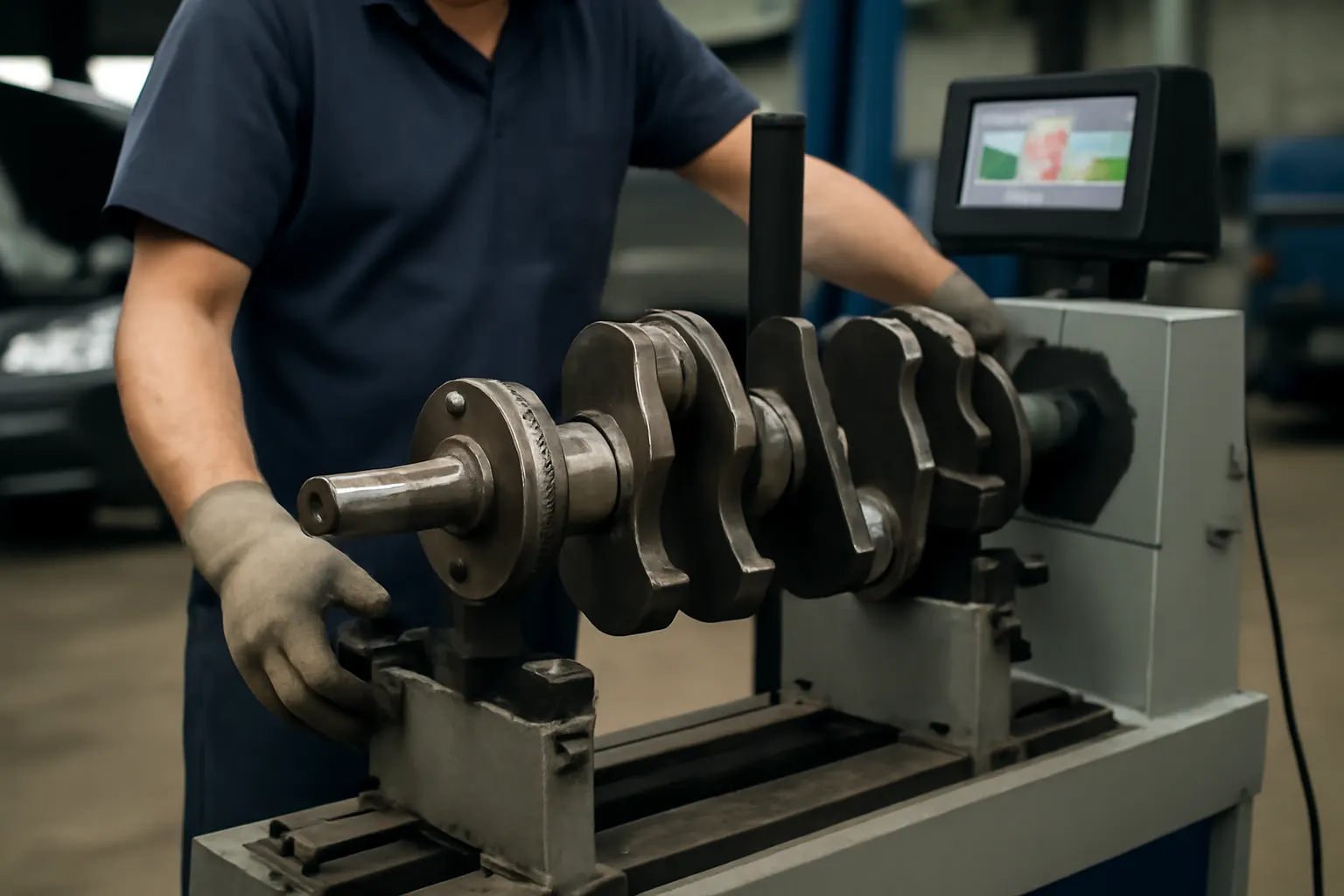
Crankshaft Upgrades for Performance Engines
When building a high-performance engine, the crankshaft is more than just a rotating mass—it’s the foundation of power, efficiency, and reliability. Upgrading to billet or knife-edged crankshafts transforms an engine’s capability, delivering measurable gains in strength, response, and fuel efficiency. Whether you’re chasing lap times or building a robust street machine, understanding the technical advantages of advanced crankshaft designs is essential. This guide offers a deep dive into why, how, and when to upgrade, and what to look for in a performance crankshaft. For foundational knowledge, see our Crankshaft Technical Guide: The Heart of Engine Performance and Reliability.
Why Upgrade Your Crankshaft? The Immediate Performance Answer
Upgrading to a billet or knife-edged crankshaft provides immediate improvements in engine durability, rotational efficiency, and power delivery. Billet crankshafts, machined from a single piece of high-grade steel, offer superior strength and resistance to flex under extreme loads. Knife-edged designs reduce windage and rotational drag, enabling the engine to rev faster and respond more crisply to throttle inputs. The result is a more robust bottom end, improved fuel efficiency, and a tangible increase in high-RPM performance—critical for motorsports, forced induction builds, or any application where the stock crankshaft is a limiting factor.
The Hidden Problem: Stock Crankshafts and Performance Limits
While OEM crankshafts are engineered for longevity and cost-effectiveness, they are often the first major bottleneck in a high-performance build. Stock crankshafts are typically cast or, in some cases, forged, but optimized for mass production and moderate power levels. When subjected to the stresses of aggressive tuning, forced induction, or sustained high RPM, these crankshafts can suffer from:
- Flex and torsional deformation
- Fatigue and microcracking
- Bearing journal wear
- Increased windage losses
These issues not only limit horsepower potential but also increase the risk of catastrophic engine failure—especially as power levels rise.
The Technical Details: Billet vs. Knife-Edged Crankshafts
Billet Crankshafts: Unmatched Strength and Precision
Billet crankshafts are CNC-machined from a single, high-strength steel billet—often 4340 or similar alloys. This construction provides several key advantages:
- Consistent Grain Structure: Unlike cast cranks, billet cranks have uniform grain flow, making them far less prone to cracking or failure under stress.
- Customizable Design: Billet construction allows for custom counterweight shaping, optimized oiling passages, and precise balancing.
- Superior Fatigue Resistance: The dense, homogeneous material handles extreme loads and high RPM with minimal flex.
Knife-Edged Crankshafts: Reducing Rotational Losses
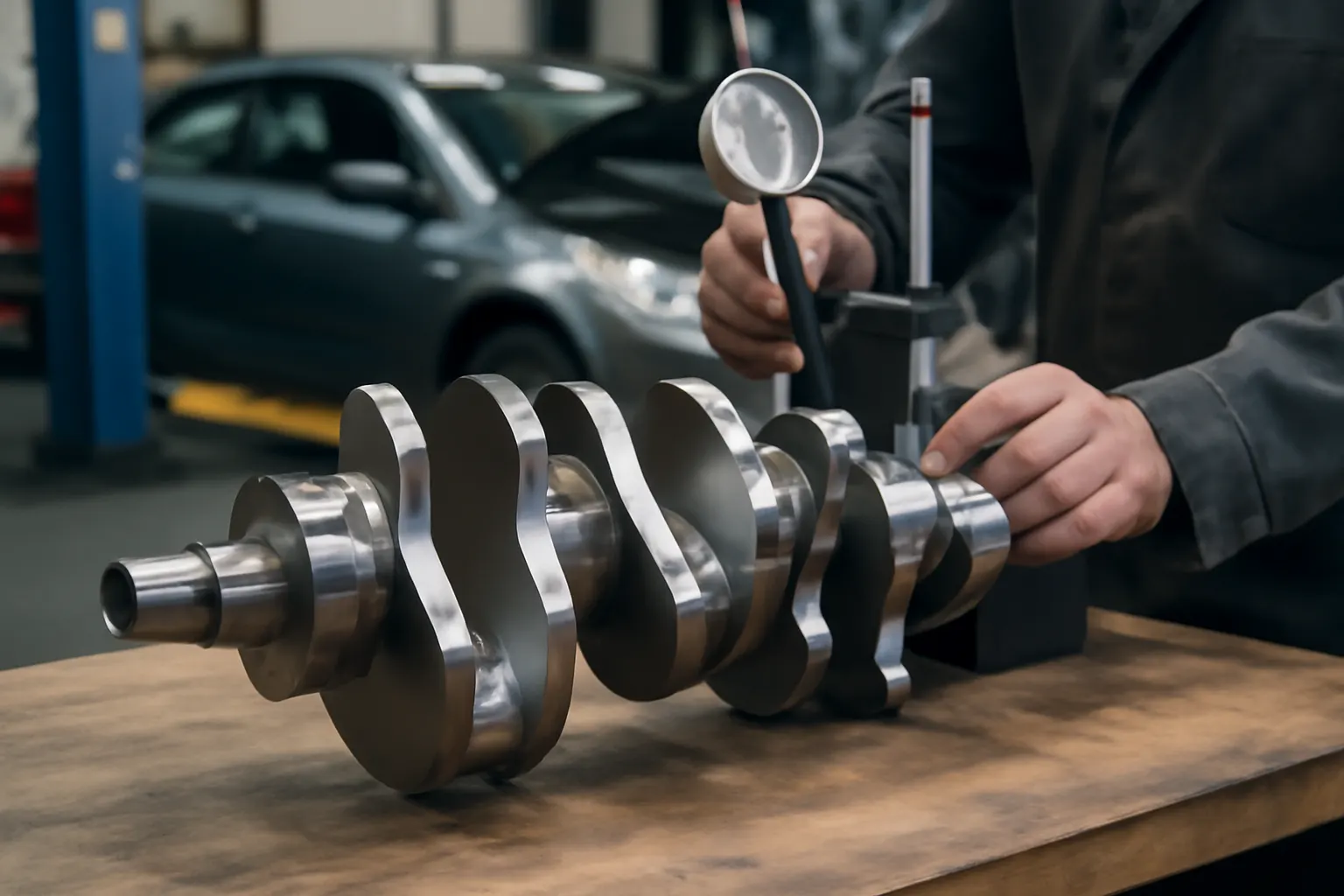
Knife-edging refers to machining the counterweights into a sharpened, aerodynamic profile. This modification:
- Reduces Windage: Less surface area means less oil drag, minimizing energy losses inside the crankcase.
- Improves Throttle Response: Reduced rotating mass and drag allow the engine to accelerate and decelerate more quickly.
- Enhances Fuel Efficiency: According to the U.S. Department of Energy, reducing internal friction and drag is a proven path to better fuel economy.
Knife-edged profiles are often combined with undercut counterweights and lightening holes for maximum efficiency.
Understanding the Limitations: When Stock Cranks Just Don’t Cut It
Even forged OEM crankshafts have their limits. As power and RPM climb, the following issues become more pronounced:
- Torsional Vibration: At high RPM, stock cranks can twist along their length, causing timing and bearing issues.
- Journal Scoring: Increased loads can cause oil film breakdown, leading to bearing and journal damage.
- Crankshaft Whip: In long-stroke or high-RPM applications, crankshafts can flex and “whip,” risking contact with the block or oil pan.
These limitations are especially relevant for engines used in racing, drifting, forced induction, or high-compression builds.
Materials Technology: The Foundation of Billet Performance
Material selection is critical for any crankshaft upgrade. Modern billet cranks utilize advanced alloys and heat treatments:
- 4340 Chromoly Steel: The industry standard for high-performance, offering exceptional tensile strength and fatigue resistance.
- Nitriding: Surface-hardening treatment that increases wear resistance on journals and fillets.
- Micro-Polishing: Reduces friction, improving oil film retention and bearing life.
For more on how advanced materials impact engine performance and efficiency, see the U.S. Department of Energy’s overview of materials technologies.
Efficiency Gains: The Real-World Impact
Upgraded crankshafts contribute to overall engine efficiency in several ways:
- Lower Rotational Mass: Lighter crankshafts accelerate faster, improving throttle response.
- Reduced Oil Drag: Knife-edged and undercut counterweights minimize windage, allowing more power to reach the wheels.
- Improved Fuel Economy: As highlighted by the DOE’s Fuel Efficiency resource, reducing parasitic losses directly benefits miles per gallon.
These gains are especially noticeable in engines that see sustained high RPM or aggressive on/off throttle transitions.
Diagnosing the Need for a Crankshaft Upgrade
Before committing to a crankshaft upgrade, assess your engine’s current and future demands. Use the following checklist to determine if your build will benefit:
Crankshaft Upgrade Diagnostic Checklist
| Symptom or Application | Upgrade Recommended? | Notes |
|---|---|---|
| Forced induction (turbo/supercharger) | Yes | Stock cranks may not handle increased cylinder pressure |
| High RPM operation (>7500 RPM) | Yes | Reduces risk of whip, flex, and bearing failure |
| Nitrous oxide use | Yes | Sudden power spikes stress the crankshaft |
| Frequent track/race use | Yes | Sustained load and heat can fatigue OEM cranks |
| Increased stroke or displacement | Yes | Longer stroke increases leverage and stress |
| High-compression pistons | Yes | Greater combustion force transferred to crank |
| Street-only, moderate bolt-ons | Maybe | Stock crank may suffice unless power is drastically increased |
If your build checks multiple boxes, a billet or knife-edged crankshaft is a wise investment.
Selecting the Right Performance Crankshaft
When sourcing a performance crankshaft, consider the following factors:
1. Material and Construction
- Billet vs. Forged: Billet offers superior strength and customization; forged is typically more affordable but less robust.
- Alloy Type: 4340 steel is the gold standard; some manufacturers offer proprietary alloys for even greater strength.
- Heat Treatment: Look for nitrided or induction-hardened options for maximum durability.
2. Design Features
- Knife-Edged Counterweights: Essential for high-revving applications.
- Lightening Holes: Reduce mass without sacrificing strength.
- Balanced Assembly: Precision balancing is critical for smooth, reliable operation.
3. Compatibility
- Direct Fit: Ensure the crankshaft is designed for your engine family and block.
- Stroke and Journal Size: Verify compatibility with rods, pistons, and bearings.
- Oiling Passages: Upgraded cranks often feature improved oiling for better bearing life.
For a detailed comparison of crankshaft manufacturing methods, see Choosing Between Forged and Cast Crankshafts.
Installation Considerations: What to Expect
Installing a performance crankshaft is a significant undertaking. Here’s what’s involved:
Preparation
- Block Inspection: Check for cracks, main bore alignment, and oil passage cleanliness.
- Bearing Selection: Use high-performance bearings matched to the crankshaft’s journal finish and intended application.
- Balance Check: Even pre-balanced cranks should be checked as part of the rotating assembly.
Assembly
- Proper Torque: Follow manufacturer specifications for main cap bolts/studs.
- Lubrication: Use assembly lube on journals and thrust surfaces.
- Clearance Verification: Plastigage or micrometer measurements ensure proper oil clearance.
Post-Installation
- Break-In Procedure: Follow a controlled break-in to establish proper bearing wear patterns.
- Monitoring: Check oil pressure, vibration, and any unusual noises during initial operation.
Professional installation is highly recommended, especially for high-output or race builds.
Maintenance and Longevity of Upgraded Crankshafts
A billet or knife-edged crankshaft, when properly installed and maintained, can outlast the rest of the engine. Key maintenance considerations include:
- Regular Oil Changes: Use high-quality, appropriate-viscosity oil to maintain a robust film on journals and bearings.
- Oil Analysis: Regularly send samples for analysis to detect early signs of wear or contamination.
- Vibration Monitoring: Persistent vibrations can indicate imbalance or bearing issues; address promptly.
- Periodic Inspection: During engine rebuilds, inspect journals for scoring, cracks, or discoloration.
For more on diagnosing crankshaft-related issues, see How to Diagnose Crankshaft Failures.
Safety and Compliance: Meeting Industry Standards
Performance crankshafts should meet or exceed recognized industry standards for strength and safety. Look for products that comply with SAE standards and have undergone rigorous testing for:
- Tensile and Fatigue Strength
- Dimensional Accuracy
- Material Purity
Additionally, always verify that your chosen crankshaft is compatible with your vehicle’s safety systems and does not interfere with OEM sensors or equipment. The National Highway Traffic Safety Administration’s equipment guidelines are a useful reference for ensuring compliance.
Balancing and Rotational Dynamics: The Overlooked Edge
A performance crankshaft is only as good as its balance. Imbalances can lead to:
- Premature Bearing Wear: Excessive vibration accelerates wear and can cause catastrophic failure.
- Loss of Power: Energy lost to vibration is energy not delivered to the wheels.
- Engine Longevity Issues: Poorly balanced assemblies stress all rotating components.
Professional balancing, often performed as part of a full rotating assembly (including rods, pistons, and flywheel), is critical. For a deeper dive, see The Impact of Crankshaft Balance on Engine Longevity.
Sourcing and Purchasing: What to Look For
When purchasing a billet or knife-edged crankshaft, partner with reputable suppliers. Key points to consider:
- Manufacturer Reputation: Research user reviews and case studies for real-world reliability.
- Warranty and Support: Look for manufacturers offering technical support and clear warranty terms.
- Documentation: Request material certificates, balancing sheets, and installation guides.
AutoPartEx partners with leading performance crankshaft manufacturers, ensuring access to high-quality, application-specific solutions. Explore our Crankshaft Technical Guide: The Heart of Engine Performance and Reliability for a curated selection and expert advice.
AutoPartEx: Your Partner in Performance Engine Builds
At AutoPartEx, we understand that every horsepower counts. Our team of technical specialists can help you choose the right crankshaft for your build, whether you’re upgrading for track use, forced induction, or ultimate street reliability. We provide:
- Expert Sourcing: Access to billet, forged, and knife-edged crankshafts for all major engine families
- Technical Guidance: Detailed installation, balancing, and maintenance advice
- Quality Assurance: Only parts that meet or exceed industry standards
Ready to transform your engine’s bottom end? Contact AutoPartEx for personalized recommendations and access to the best in performance crankshaft technology.
Conclusion: The Bottom Line on Crankshaft Upgrades
Upgrading to a billet or knife-edged crankshaft is one of the most impactful investments you can make in a performance engine build. The benefits—strength, efficiency, safety, and power—are proven both on the dyno and the track. By understanding the technical nuances and working with trusted suppliers like AutoPartEx, you can ensure your engine is ready to handle whatever power, RPM, and punishment you throw its way.