Advertisement
When summer heat rises and you crank up your air conditioning, your vehicle’s cooling fan becomes a crucial player in ensuring both engine and cabin comfort. The cooling fan directly influences your AC system’s efficiency by regulating the temperature around the AC Condenser and the radiator, preventing overheating and promoting optimal refrigerant condensation. If your AC isn’t blowing as cold as it should, a malfunctioning cooling fan could be at the heart of the problem. In this comprehensive guide, we’ll explain exactly how the cooling fan impacts AC performance, what symptoms indicate a failing fan, and how you can diagnose, fix, or replace this vital component to restore your vehicle’s comfort and reliability.
For a broader overview of cooling fan types, diagnostics, and replacement procedures, visit our Comprehensive Cooling Fan Guide: Performance, Diagnostics, and Replacement.
Why the Cooling Fan Matters for AC Performance
The cooling fan’s primary responsibility is to draw air through the radiator and AC condenser, especially when your vehicle is stationary or moving slowly. This airflow is essential for dissipating heat from the hot refrigerant in the condenser, allowing the AC system to efficiently cool the air that enters your cabin. Without adequate airflow, the condenser cannot release enough heat, causing the refrigerant to remain too warm and the AC system to lose effectiveness. In short, a properly functioning cooling fan is integral to both engine temperature regulation and peak AC performance.
The Hidden Problem: Overlooked Cooling Fan Failures
Many drivers mistakenly attribute weak AC performance solely to low refrigerant, compressor issues, or electrical faults. However, a failing cooling fan is an often-overlooked culprit behind sluggish or warm AC output, especially at idle or during stop-and-go traffic. Because the fan’s operation is closely linked to both the engine and AC system, its failure can also trigger engine overheating, compounding the risk of costly repairs.
Ignoring early warning signs of cooling fan trouble not only reduces AC efficiency but can also compromise engine safety and fuel efficiency. According to the National Highway Traffic Safety Administration, faulty cooling system components—including fans—are a leading cause of vehicle breakdowns and safety recalls [^1]. Recognizing and addressing cooling fan issues early can prevent a cascade of related problems.
How the Cooling Fan Supports AC System Function
To understand the cooling fan’s role in AC performance, it’s important to grasp the heat exchange process. The AC condenser, located in front of the radiator, receives hot, high-pressure refrigerant gas from the compressor. The condenser must cool this gas into a liquid before it can cycle through the rest of the system and provide cold air to the cabin.
The cooling fan:
- Draws external air through the condenser’s fins, increasing heat dissipation.
- Maintains refrigerant pressure within optimal limits, enabling efficient condensation.
- Prevents compressor overload by stabilizing system pressures, which protects both the AC and engine.
When the fan isn’t working, especially at low speeds or idle, air movement over the condenser drops dramatically. This leads to higher refrigerant temperatures, increased system pressure, and diminished cooling performance inside the vehicle.
Common Symptoms of a Failing Cooling Fan Affecting AC
Recognizing the early signs of a failing cooling fan is crucial for timely intervention. Here are the most common symptoms that your cooling fan may be compromising your AC system:
- Warm air from AC vents at idle or in slow traffic: The AC may blow cold while driving at highway speeds but turns lukewarm when stopped.
- Engine temperature rising when AC is on: The engine may overheat more quickly with the AC running, especially in hot weather.
- AC compressor cycling on and off rapidly: Erratic compressor operation can indicate excessive system pressure due to poor condenser cooling.
- Visible or audible fan failure: The fan may not spin, run noisily, or operate only intermittently.
- Illuminated check engine light or temperature warning: Modern vehicles may trigger a warning if the fan circuit malfunctions.
If you notice any combination of these symptoms, especially during warm weather, the cooling fan should be one of the first components you check.
Advertisement
Diagnosing Cooling Fan and AC Performance Issues
Diagnosing a cooling fan problem that affects AC performance involves a systematic approach. Here’s a step-by-step checklist for isolating the issue:
Cooling Fan and AC Diagnostic Checklist
-
Visual Inspection:
- Check for debris or obstructions blocking the fan or condenser.
- Inspect the fan blades for damage or excessive wear.
- Ensure the fan shroud is intact and properly mounted.
-
Operational Test:
- With the engine off, spin the fan by hand (for mechanical fans) to check for smooth operation.
- Start the engine and turn the AC to maximum. Observe if the fan engages within a few minutes.
- Listen for unusual noises (grinding, squealing, or rattling).
-
Electrical System Check:
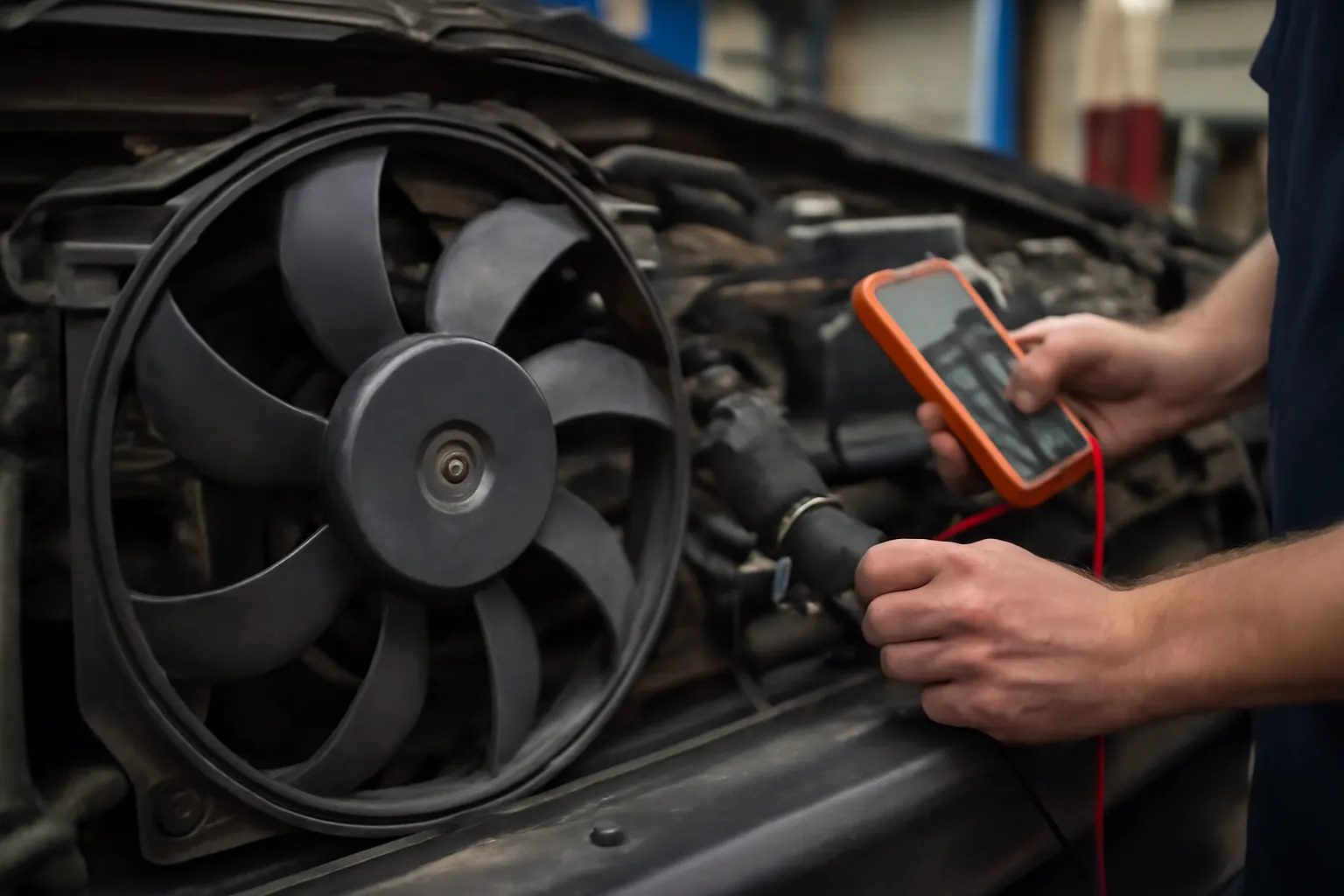
- Inspect fuses and relays related to the fan circuit.
- Test for voltage at the fan connector when the AC is on.
- Check for corroded or loose wiring.
-
Temperature Monitoring:
- Watch the engine temperature gauge as the AC operates.
- Use a scan tool to monitor coolant and refrigerant pressures if available.
-
Compressor and System Pressure:
- Observe if the AC compressor cycles rapidly (short-cycling), which may indicate high head pressure from poor condenser cooling.
If the fan fails any of these tests, replacement or repair is likely needed.
Electric vs. Mechanical Fans: Impact on AC Performance
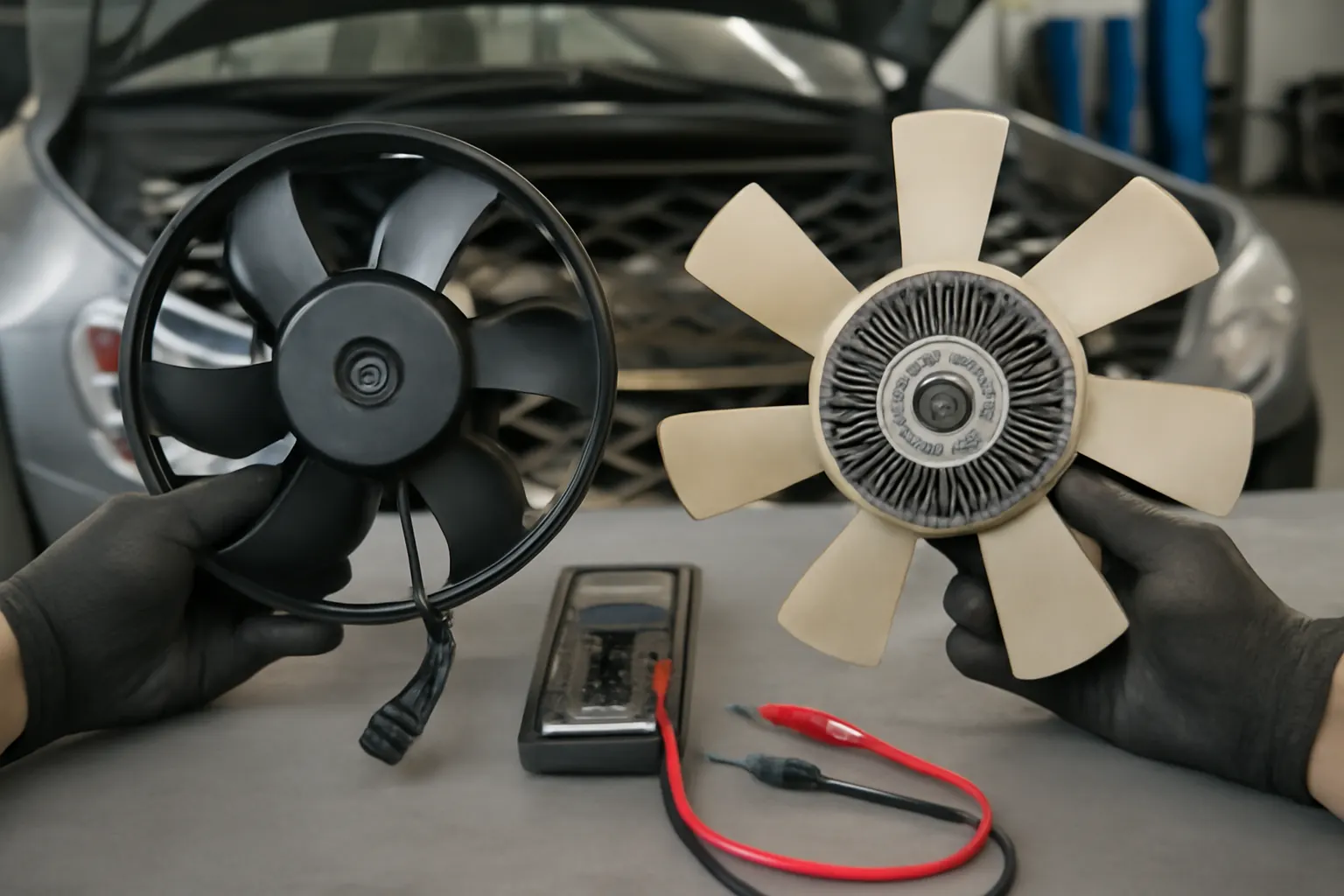
Most modern vehicles use electric cooling fans, while older models may rely on mechanical fans driven by the engine. Each type has unique implications for AC performance:
- Electric Fans: Controlled by temperature sensors and AC pressure switches, they provide consistent airflow regardless of engine speed. This makes them especially effective at idle and during low-speed operation—key times for AC efficiency.
- Mechanical Fans: Driven by a belt or clutch, their speed is tied to engine RPM. At idle, they move less air, which can compromise AC performance, particularly in hot climates or congested traffic.
For a deeper dive into the pros and cons of each design, see our guide on Electric vs. Mechanical Cooling Fans: Which Is Better?.
How a Failing Cooling Fan Affects Other Components
A malfunctioning cooling fan doesn’t just degrade AC performance; it can create a ripple effect throughout your vehicle:
- AC Compressor Stress: High condenser temperatures cause increased system pressures, making the compressor work harder. This can accelerate wear and lead to premature compressor failure.
- Engine Overheating: Without adequate airflow, the radiator can’t dissipate heat effectively, leading to engine overheating—a major cause of breakdowns and potential head gasket failure.
- Reduced Fuel Efficiency: Overheating and increased AC load force the engine to work harder, lowering overall fuel economy [^2].
- Electrical System Strain: If the fan motor seizes or draws excessive current, it can blow fuses, damage relays, or even affect other circuits.
Preventive Maintenance Tips for Cooling Fans and AC
Routine maintenance is key to ensuring your cooling fan and AC system function optimally. Here’s what you should do:
- Inspect the fan and shroud regularly for cracks, missing fasteners, or debris buildup.
- Clean the condenser and radiator fins with compressed air or a soft brush to maintain airflow.
- Check fan operation every few months, especially before summer.
- Test electrical connections for corrosion or looseness.
- Monitor coolant levels and condition, as overheating can affect both the engine and AC system.
- Replace worn or noisy fan motors at the first sign of trouble.
Regular attention to these areas will help you avoid unexpected AC and engine cooling problems.
Replacing a Faulty Cooling Fan: Step-by-Step Overview
If you determine that your cooling fan needs replacement, the process can range from straightforward to moderately complex, depending on your vehicle. Here’s a general outline:
Cooling Fan Replacement Steps
- Disconnect the battery to prevent accidental electrical shorts.
- Remove any covers or shields to access the fan assembly.
- Unplug the fan’s electrical connector (for electric fans).
- Unbolt or unclip the fan shroud and assembly from the radiator support.
- Carefully remove the fan and shroud without damaging the radiator or condenser.
- Install the new fan assembly, ensuring proper alignment and secure mounting.
- Reconnect electrical connectors and battery.
- Test fan operation with the engine and AC running.
- Reinstall any removed covers or shields.
Advertisement
For a detailed walkthrough with model-specific tips, visit our guide on How to Replace a Radiator Cooling Fan.
Sourcing Quality Replacement Fans and Related Parts
When selecting a replacement cooling fan, quality and compatibility are paramount. Here’s what to consider:
- OEM vs. Aftermarket: OEM fans guarantee fit and performance but may be pricier. High-quality aftermarket fans can offer similar reliability at a lower cost.
- Vehicle-specific fitment: Use your vehicle’s make, model, and engine details to ensure the correct part. Our Comprehensive Cooling Fan Guide provides fitment information and buying tips.
- Materials and construction: Look for durable materials and reputable brands. Poor-quality fans may fail prematurely or create noise and vibration.
- Warranty and return policy: Choose suppliers that offer clear warranties and hassle-free returns.
For related AC components, such as the AC Compressor or AC Condenser Fan, always ensure compatibility with your vehicle’s cooling system.
Advanced Troubleshooting: When the Problem Isn’t the Fan
If your cooling fan checks out but AC performance is still poor, consider these possibilities:
- AC condenser blockage: Dirt or debris can restrict airflow even if the fan is working. Inspect and clean as needed.
- Refrigerant issues: Low or overcharged refrigerant can mimic fan-related symptoms. Have the system checked by a qualified technician.
- Faulty temperature or pressure sensors: These sensors control fan activation. If they fail, the fan may not engage when needed.
- Wiring or relay faults: Even a new fan won’t operate if the control circuit is compromised.
A systematic approach, starting with the most common and accessible issues, will help you avoid unnecessary part replacements.
Cooling Fan and AC System Safety Considerations
Working on cooling fans and AC systems involves certain risks. Here’s how to stay safe:
- Always disconnect the battery before servicing electric fans.
- Allow the engine to cool before working near the radiator or fan.
- Use eye protection when cleaning condenser fins or handling refrigerant lines.
- Be aware of moving parts: Electric fans can turn on unexpectedly, even with the engine off.
- Follow manufacturer torque specs and installation procedures to prevent leaks or damage.
For more safety guidance on automotive repairs, consult the National Highway Traffic Safety Administration’s equipment safety resources.
How Cooling Fan Health Affects Fuel Economy and Performance
A properly functioning cooling fan doesn’t just keep your AC cold—it supports overall vehicle efficiency. When the cooling system operates within its intended temperature range:
- Engine combustion is more efficient, reducing fuel consumption.
- AC system draws less power, lowering parasitic load on the engine.
- Emissions remain within legal limits, supporting environmental compliance.
- Vehicle electronics operate reliably, as excessive heat can affect sensors and modules.
Conversely, a failing fan can cause the engine to run hotter, forcing the AC and other systems to compensate. This leads to increased fuel use and potential long-term engine damage. The U.S. Department of Energy highlights the importance of maintaining cooling and AC systems for optimal fuel efficiency.
AutoPartEx: Your Partner for Cooling Fan Solutions
At AutoPartEx, we understand the critical connection between cooling fans and AC performance. Our extensive catalog covers OEM and premium aftermarket cooling fans, AC condensers, compressors, and related components. With expert fitment support, detailed buying guides, and fast shipping, we make it easy to restore your vehicle’s comfort and reliability.
Explore our Comprehensive Cooling Fan Guide: Performance, Diagnostics, and Replacement for in-depth information, or browse by manufacturer for Acura, AMC, or other leading brands. Our technical team is available to help you choose the right part and walk you through installation or troubleshooting.
Conclusion: Don’t Let a Bad Fan Ruin Your AC
A healthy cooling fan is the backbone of your vehicle’s air conditioning and engine cooling systems. If you’re experiencing warm AC air at idle, engine overheating, or unusual fan noises, don’t ignore the warning signs. Early diagnosis and timely replacement can save you from more expensive repairs and keep your vehicle running comfortably, efficiently, and safely all summer long.
For more expert diagnostics, see our editorial on Diagnosing Cooling System Overheating, or contact AutoPartEx for personalized support.
References
Advertisement