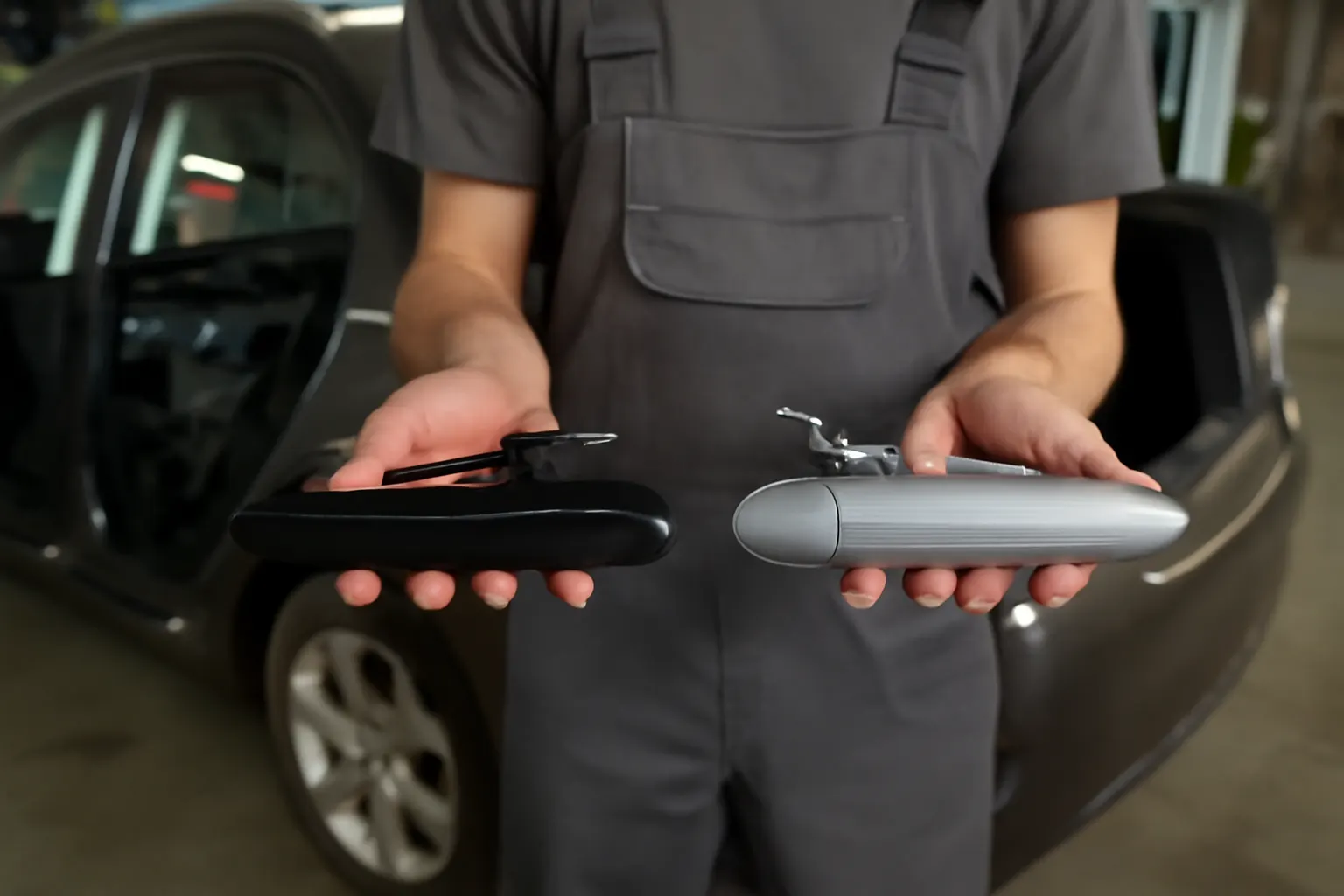
Common Causes of Outside Door Handle Failure
Outside door handles are critical for both vehicle access and security, yet they often fail at the most inconvenient times. The most common causes of outside door handle failure include material fatigue, corrosion, mechanical wear, improper installation, and—on modern vehicles—electronic sensor or actuator malfunctions. Understanding these failure points is the first step toward prevention and timely repair. If your vehicle's exterior handle suddenly becomes loose, sticks, or stops working entirely, it’s likely due to one or more of these underlying issues. For precise fitment and long-term reliability, always source quality replacements from trusted suppliers like AutoPartEx.
Quick links: AC Compressor Bracket · AC Condenser · AC Condenser Fan.
Why Outside Door Handles Fail: More Than Meets the Eye
While a broken outside door handle may seem like a minor inconvenience, it often signals deeper issues within your vehicle’s door system. Many drivers overlook the fact that the door handle is just the visible tip of a complex mechanism involving linkages, springs, latches, and—especially in newer models—electronic components. Repeated use, environmental exposure, and even the materials chosen by the manufacturer all contribute to the handle’s lifespan. Ignoring early warning signs can lead to more extensive (and expensive) repairs, as a malfunctioning handle may compromise both safety and security.
The Mechanics Behind Handle Failure
Every outside door handle is subjected to thousands of cycles over its lifetime. The design must balance ergonomics, durability, and security. However, the following technical factors often lead to premature failure:
- Material Fatigue: Most handles are made from plastic, die-cast metal, or a mix of composite materials. Over time, these materials can crack or deform, especially in climates with extreme temperature swings. The U.S. Department of Energy highlights how material selection impacts both weight and structural performance, which directly affects longevity [^1].
- Corrosion: Handles and linkages exposed to road salt, moisture, and temperature fluctuations are susceptible to rust, which can seize moving parts or weaken the structure.
- Mechanical Wear: The internal linkages and springs can wear out or break, causing the handle to feel loose or fail to actuate the latch.
- Electronic Failures: Modern vehicles often integrate keyless entry sensors, electronic actuators, and security modules into the handle assembly. Electrical issues, sensor misalignment, or moisture ingress can disable these features, leaving the handle nonfunctional.
Understanding these causes is essential for both diagnosing current issues and preventing future failures.
Material Fatigue: The Silent Weakener
One of the most frequent culprits behind outside door handle failure is material fatigue. Handles are often constructed from ABS plastic, zinc alloys, or aluminum—each with distinct advantages and vulnerabilities. Over time and repeated use, even high-quality materials can degrade:
- Plastic Handles: Common on many modern vehicles for weight reduction, plastic handles are cost-effective but more prone to cracking under stress, UV exposure, or cold weather.
- Metal Handles: While stronger, metals like zinc or aluminum can corrode if the protective finish is compromised, leading to pitting, weakening, and eventual breakage.
- Composite Handles: These blend materials to optimize strength and weight, but improper manufacturing or poor-quality composites can result in premature failure.
According to the Department of Energy’s Materials Technologies, the push for lighter vehicles has increased the use of advanced materials, but these must still meet rigorous performance and durability standards.
Corrosion and Environmental Exposure
Corrosion is a leading cause of handle and linkage failure, especially in regions where road salt is common. Moisture seeps into the door cavity, attacking both the handle and the internal mechanisms. Signs of corrosion include:
- Sticking or grinding sensation when operating the handle
- Visible rust or bubbling paint on or near the handle
- Handle that returns slowly or not at all after use
Preventive measures include regular washing (especially in winter), applying protective lubricants to moving parts, and choosing handles with corrosion-resistant coatings.
Mechanical Wear: Springs, Linkages, and Latches
The mechanical components inside the door—linkages, rods, springs, and latches—are subject to wear with every use. Common symptoms of mechanical failure include:
- Handle feels loose or wobbly
- Door fails to open even though the handle moves
- Handle does not return to its original position
Wear is often accelerated if the internal linkage becomes misaligned or if the door latch is sticky due to lack of lubrication. Regular inspection and maintenance of these components can significantly extend the life of the handle assembly.
Electronic and Sensor Failures in Modern Handles
With the advent of keyless entry, smart locking systems, and integrated security sensors, outside door handles have become more complex. Electronic failures can result from:
- Faulty microswitches or actuators
- Broken wiring or poor electrical connections
- Water ingress damaging sensitive electronics
- Software glitches in the security module
When electronic systems fail, the handle may not unlock the door, even if the mechanical parts are intact. Diagnosing these issues often requires a scan tool or multimeter to test continuity and sensor function.
Improper Installation and Poor Fitment
Improper installation is an often-overlooked cause of premature handle failure. Common mistakes include:
- Overtightening bolts, which can crack plastic or deform metal handles
- Misaligning linkages, causing excessive stress on the mechanism
- Using incorrect fasteners or skipping necessary washers and clips
Fitment is especially critical when replacing handles. Always verify compatibility with your vehicle’s make, model, and year. Consult trusted suppliers like AutoPartEx to ensure a precise fit and reliable performance.
Accidental Damage: Impact and Vandalism
Physical impacts—such as being struck in a parking lot or forceful attempts at entry—can instantly break or dislodge an outside door handle. Vandalism, attempted theft, or even slamming the door with the handle partially engaged can all cause failure. While not always preventable, parking in well-lit areas and using keyless entry (if available) can reduce risk.
Signs Your Outside Door Handle Is About to Fail
Early detection is key to preventing complete handle failure. Watch for these warning signs:
- Handle feels softer, looser, or “spongy”
- Clicking or grinding noises during operation
- Intermittent failure to open the door, especially in cold or wet weather
- Handle sticks in the “open” position
- Visible cracks, chips, or corrosion
If you notice any of these symptoms, inspect the handle and internal components promptly to avoid being locked out or compromising vehicle security.
Diagnosing Outside Door Handle Problems: A Step-by-Step Checklist
A systematic approach can help pinpoint the root cause of handle failure. Use this diagnostic checklist:
| Symptom | Likely Cause | Diagnostic Step |
|---|---|---|
| Handle moves but door doesn’t open | Broken linkage or latch | Remove door panel, inspect connections |
| Handle is loose or wobbly | Worn mounting or fastener | Check handle mounting bolts and bushings |
| Handle sticks or is hard to pull | Corrosion or debris | Inspect for rust, clean and lubricate |
| Keyless entry not working | Sensor/actuator failure | Test electrical connections, scan for codes |
| Handle cracked or chipped | Material fatigue/impact | Visually inspect, replace if damaged |
| Handle returns slowly | Weak or broken spring | Inspect return spring, replace if needed |
If you lack experience with door panel removal or electrical diagnostics, consult a professional or refer to our How to Replace an Outside Door Handle: Step-by-Step Guide.
Preventing Handle Failure: Maintenance and Best Practices
Preventive maintenance can extend the lifespan of your outside door handles:
- Regular Cleaning: Wash the handle area to remove dirt, salt, and debris. Pay special attention after winter driving.
- Lubrication: Apply silicone spray or white lithium grease to the handle’s moving parts and internal linkages every 6-12 months.
- Inspect for Damage: Periodically check for cracks, corrosion, or loose hardware. Address minor issues before they lead to failure.
- Protect Electronic Components: For vehicles with keyless entry, avoid spraying water directly into handle seams and ensure seals are intact.
These practices not only prolong handle life but also help maintain overall vehicle security and function.
Sourcing the Right Replacement: OEM vs. Aftermarket
When replacement is necessary, choosing the correct handle is vital for fit, function, and longevity. Consider the following:
- OEM (Original Equipment Manufacturer): Guaranteed fit and finish, meets original specifications, often more expensive.
- Aftermarket: Wider selection, may offer improved materials or finishes, but quality varies—choose reputable brands.
For a deeper dive into the pros and cons, see our guide on Choosing OEM vs. Aftermarket Outside Door Handles.
Always verify that the replacement handle matches your vehicle’s year, make, and model. For vehicles with integrated electronic systems, confirm that the new handle supports all original features (keyless entry, sensors, etc.).
Installation Tips: Ensuring Longevity and Security
Proper installation is critical to prevent premature failure:
- Follow Manufacturer Instructions: Use the correct torque specifications and installation sequence.
- Replace Worn Linkages: If the internal rods or clips are worn or corroded, replace them along with the handle.
- Check Door Alignment: Misaligned doors can stress handles and latches, leading to repeat failures.
- Test Before Reassembly: Before reinstalling the door panel, test the handle’s function (mechanical and electronic) multiple times.
If integrating with your vehicle’s security system, refer to our editorial on Integrating New Door Handles with Security Systems.
Safety and Security Implications
A malfunctioning outside door handle is more than a nuisance—it’s a potential safety and security risk. The National Highway Traffic Safety Administration (NHTSA) includes door handles in its safety equipment standards 1. A failed handle can:
- Impede emergency exit in the event of an accident
- Increase the risk of theft or unauthorized access
- Cause further damage to door internals if forced
Regular inspection and prompt repair are essential for compliance with safety standards and for peace of mind.
AutoPartEx: Your Partner in Reliable Door Handle Solutions
AutoPartEx specializes in precision-fit, high-quality outside door handles for virtually every make and model. Our catalog covers both OEM and premium aftermarket options, ensuring you get the right part the first time. We provide technical support, detailed installation guides, and expert advice for both DIYers and professionals.
Explore our full selection in the Outside Door Handle: Precision Access and Security for Every Vehicle category, and enjoy fast shipping and unmatched customer support. For other related parts and upgrades, such as Air Box/Air Cleaner or AC Compressor, our platform ensures you always have access to trusted components.
Take Action: Inspect, Diagnose, and Replace
If your outside door handle is showing signs of wear or failure, don’t wait until you’re locked out or your vehicle’s security is compromised. Use the diagnostic checklist above, source the correct replacement, and follow best practices for installation. For detailed repair instructions, see our How to Replace an Outside Door Handle: Step-by-Step Guide. For help choosing the right part, consult AutoPartEx’s technical team or browse our verified fitment catalog.
References
- Materials Technologies – United States Department of Energy
- Vehicle Safety and Equipment – National Highway Traffic Safety Administration
- Fuel Efficiency – United States Department of Energy
Footnotes
-
Vehicle Safety and Equipment – National Highway Traffic Safety Administration ↩