
Advertisement
The Critical Role of Axle Shafts in Vehicle Safety
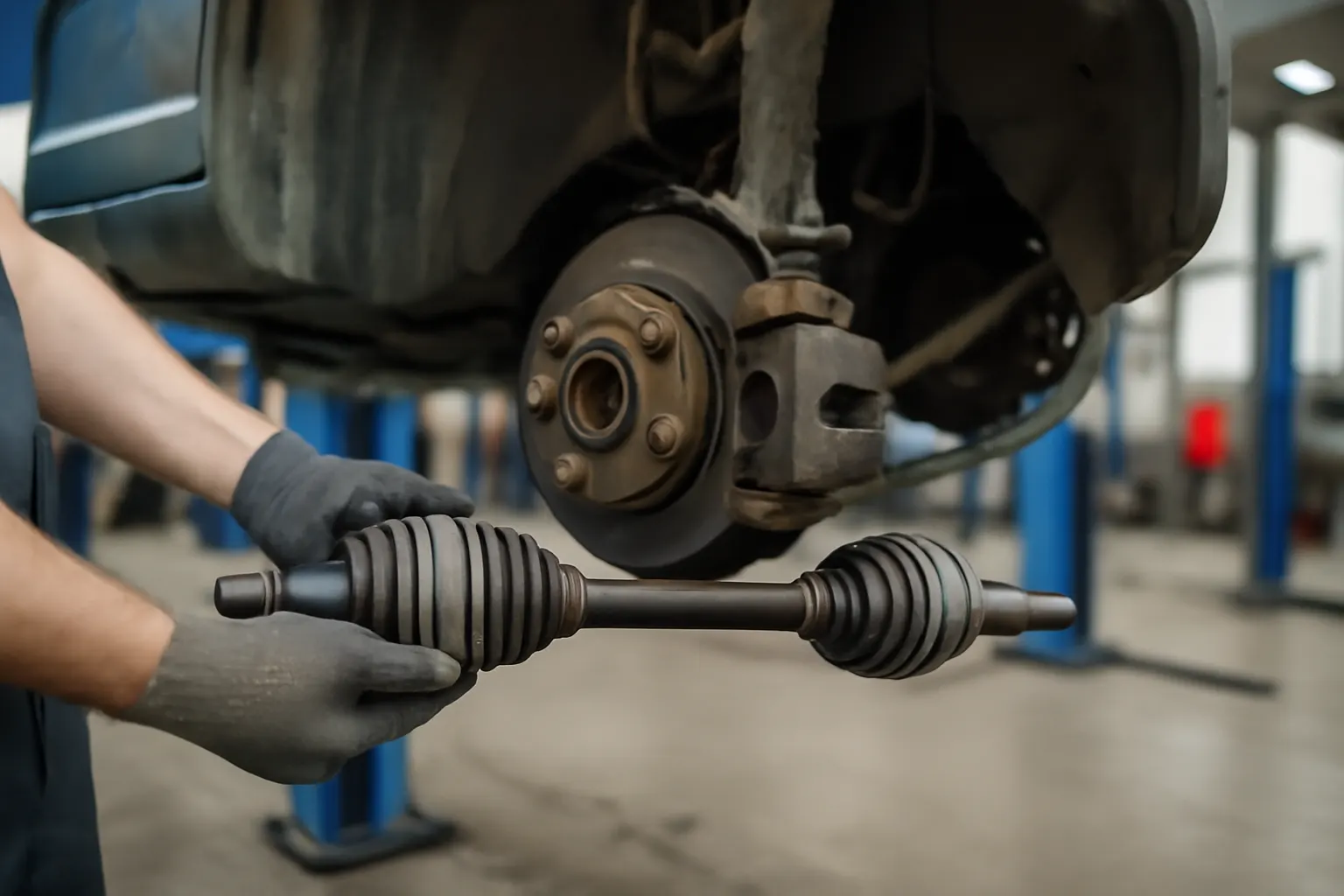
Axle shafts are the unsung heroes of your vehicle’s drivetrain—responsible for transferring power from the differential to the wheels, ensuring stable handling, and supporting the weight of the vehicle. The integrity of your axle shaft directly impacts not only your car’s performance but also your safety and the long-term reliability of your vehicle. Whether you drive a compact sedan, a heavy-duty pickup, or a performance SUV, understanding the critical role of axle shafts is essential for every driver, fleet manager, and repair professional.
Below, we’ll break down why axle shafts matter for safety, how hidden problems can compromise your vehicle, the technical details behind axle shaft engineering, and the actionable steps to ensure your axle system keeps you protected on the road.
Why Axle Shaft Integrity Is Non-Negotiable for Safety
Axle shafts are more than just metal rods spinning beneath your vehicle; they are the backbone of your drivetrain, directly responsible for transmitting torque to the wheels and maintaining vehicle stability. If an axle shaft fails—whether suddenly or due to gradual wear—the results can be catastrophic: loss of control, compromised braking, and the potential for a total breakdown or accident.
A compromised axle shaft doesn’t just affect movement; it can impact your ability to steer, stop, and maintain control, especially in emergency situations or during abrupt maneuvers. Modern vehicle safety depends on every component working in harmony, and the axle shaft is a linchpin in that system.
The Hidden Problem: Axle Shaft Failures Are More Common (and More Dangerous) Than Most Realize
While many drivers focus on brakes or tires as primary safety components, axle shaft failures are a leading cause of breakdowns and, in some cases, accidents—often due to overlooked wear, improper installation, or undetected manufacturing defects. According to the National Highway Traffic Safety Administration (NHTSA), unsafe or defective axle and drivetrain components are a recurring factor in vehicle recalls, directly linked to safety risk.
Axle shafts are subject to immense stresses: torque from the engine, shock loads from potholes, and constant flexing during turns. Over time, this leads to fatigue, cracks, or outright breakage, sometimes without obvious warning. The consequences can include:
- Sudden loss of drive power
- Wheel separation or misalignment
- Loss of braking efficiency (especially in vehicles with inboard brakes)
- Increased risk of rollover or loss of control
Because axle shaft issues often develop out of sight, many failures occur without advance warning signs, making proactive inspection and maintenance critical.
Expanding the Problem: How Axle Shaft Issues Cascade Through the Drivetrain
When an axle shaft is compromised, the effects ripple through the entire drivetrain and suspension system. A worn or damaged axle shaft can cause:
- CV joint and differential assembly damage due to increased vibration and misalignment
- Accelerated wear on wheel hub assemblies
- Noise, vibration, and harshness (NVH) issues that degrade ride quality
- Increased fuel consumption as drivetrain efficiency drops
- Compromised ABS and traction control systems due to erratic wheel speed signals
Ignoring axle shaft issues doesn’t just risk a breakdown; it can turn a manageable repair into a costly overhaul involving multiple connected components.
Technical Deep Dive: What Makes an Axle Shaft Safe and Reliable?
1. Material Selection and Engineering
Axle shafts must balance strength, ductility, and weight. According to the U.S. Department of Energy, modern axle shafts often use advanced alloys, such as high-strength steel or, in some performance and EV applications, specialty composites. These materials are chosen to withstand torsional loads, resist fatigue, and minimize weight for better fuel efficiency and handling.
Key engineering criteria include:
- Yield strength: Ability to withstand maximum torque without permanent deformation
- Fatigue resistance: Endurance against millions of load cycles
- Impact toughness: Ability to absorb shocks from potholes or off-road use
Advertisement
2. Manufacturing Standards and Quality Control
Axle shafts manufactured to SAE International standards undergo rigorous testing, including:
- Dimensional accuracy checks
- Ultrasonic or magnetic particle inspection for internal cracks
- Surface hardening to resist wear at bearing and spline interfaces
Aftermarket and OEM shafts must meet or exceed these standards to ensure real-world safety.
3. Design for Application
Not all axle shafts are created equal. Front-wheel drive vehicles use CV (constant velocity) axle shafts with flexible joints to accommodate steering angles. Rear-wheel drive and heavy-duty vehicles may use solid or semi-floating shafts designed for higher loads. The design must match the vehicle’s weight, power output, and intended use.
Recognizing the Signs: Diagnosing Axle Shaft Problems Early
Proactive diagnosis can prevent catastrophic failure. Here’s what to watch for:
- Clunking or popping noises during turns or acceleration (often CV joint or shaft wear)
- Vibration at highway speeds, especially under load
- Grease leakage near the wheels (torn CV boots, which quickly lead to axle wear)
- Visible cracks or corrosion on the shaft or at the splines
- Uneven tire wear or alignment issues
A thorough inspection should include both visual checks and a road test to detect subtle symptoms.
Axle Shaft Safety Checklist
Use this checklist during routine maintenance or before buying a used vehicle:
| Inspection Point | What to Look For | Action if Found |
|---|---|---|
| CV boots (front-wheel drive) | Cracks, splits, grease leakage | Replace boot or shaft |
| Axle shaft surface | Rust, pitting, visible cracks | Replace shaft |
| Spline ends | Wear, rounding, deformation | Replace shaft |
| Bearing surfaces | Scoring, excessive wear | Replace shaft/bearing |
| Mounting hardware | Looseness, worn threads | Replace hardware |
| Unusual noises (road test) | Clicking, clunking, vibration | Inspect joints/shaft |
Regular checks, especially after off-road use or heavy towing, are essential for early detection.
The Impact of Axle Shaft Failures in Real-World Scenarios
Axle shaft failures are not theoretical—they have led to numerous recalls and safety investigations. The NHTSA vehicle recalls database frequently lists axle and drivetrain component failures as causes for urgent manufacturer action. In many cases, these failures have resulted in:
- Loss of drive power on highways
- Wheel detachment incidents
- Unintended vehicle rollaway
Recalls highlight the importance of sourcing axle shafts from reputable suppliers and ensuring all parts meet or exceed OEM specifications.
Best Practices for Axle Shaft Maintenance and Replacement
Routine Maintenance
- Inspect CV boots and axle seals every oil change.
- Check for play or looseness in the axle shaft by rocking the wheel (with vehicle safely lifted).
- Listen for unusual noises during slow-speed turns or acceleration.
- Monitor for vibration at different speeds.
Replacement Guidance
- Always replace axle shafts in pairs on front-wheel drive vehicles to maintain balance.
- Use torque specs provided by the manufacturer when tightening axle nuts and mounting hardware.
- Replace any damaged or corroded hardware (nuts, cotter pins, washers) during installation.
- Check the axle housing and differential assembly for collateral damage after a shaft failure.
Professional Installation vs. DIY
While many skilled DIYers can replace an axle shaft with the right tools, professional installation is recommended if:
- The vehicle uses advanced driver assistance systems (ADAS) that require recalibration after axle work.
- The shaft interfaces with complex drivetrain or electronic systems.
- Press-fit or staked components are involved, requiring special tools.
Sourcing Safe and Reliable Axle Shafts
Not all axle shafts are created equal. When sourcing replacements, prioritize:
- OEM or certified aftermarket parts that meet SAE and manufacturer standards.
- Verified suppliers with a track record of quality and transparent warranty policies.
- Parts with clear documentation of material specs, fitment data, and testing certifications.
Avoid generic or unbranded shafts, as these often fail to meet critical safety benchmarks and may lack proper heat treatment or surface finishing.
Advertisement
Advanced Topics: Axle Shafts in Modern and Future Vehicles
Lightweighting and Fuel Efficiency
As automakers pursue improved fuel economy and reduced emissions, axle shafts are being engineered with lighter alloys and even composite materials. According to the U.S. Department of Energy, these advances can reduce unsprung weight, improve ride quality, and enhance efficiency—but only if safety and fatigue resistance are maintained.
Electric Vehicles and High-Torque Applications
EVs place unique demands on axle shafts due to instant torque delivery and regenerative braking. Axle shafts must be engineered for both high loads and precise control, with advanced materials and manufacturing processes to ensure reliability.
Integration with Safety and Driver Assistance Systems
Modern axle shafts are often integrated with wheel speed sensors, ABS rings, and other electronic components. Any replacement or repair must maintain proper alignment and signal integrity to ensure safety systems function correctly.
The Interconnectedness of Axle Shafts and Other Drivetrain Components
Axle shafts are not standalone parts—they work in concert with CV joints, differential assemblies, wheel hub assemblies, and the broader drivetrain. A failure in one area can quickly cascade, so comprehensive maintenance is essential.
For a deeper dive into the engineering behind axle shafts, see our editorial guide: Understanding Axle Shaft Engineering.
Buying Guidance: What to Ask When Purchasing Axle Shafts
When sourcing new or replacement axle shafts, ask your supplier or technician:
- Does the axle shaft meet or exceed OEM and SAE standards?
- What materials and heat treatment processes are used?
- Are installation instructions and torque specs provided?
- Is the part compatible with my vehicle’s ABS/traction control systems?
- Are upgraded options available for heavy-duty or performance applications?
- What is the warranty and return policy?
For exclusive savings and genuine OEM components, check out Exclusive Deals on OEM Drivetrain Components.
Frequently Overlooked Factors: Installation and Fitment Errors
Even the best axle shaft can fail prematurely if installed incorrectly. Common pitfalls include:
- Incorrect torque on axle nuts, leading to bearing or shaft failure.
- Improper seating of splines, causing vibration or premature wear.
- Failure to replace damaged seals or boots, allowing contaminants to enter and accelerate wear.
- Mixing incompatible components (e.g., using non-matching CV joints or hub assemblies).
Always follow manufacturer instructions and use the correct tools. If unsure, consult a professional or refer to detailed fitment guides.
Axle Shaft Recalls: Learning from Past Failures
Reviewing recall data is a powerful way to understand the risks of subpar parts and manufacturing. The NHTSA recalls database provides up-to-date information on axle shaft and drivetrain component defects. Patterns in recall data include:
- Use of improper materials or heat treatment
- Manufacturing defects leading to cracks or premature fatigue
- Incorrect fitment causing wheel separation
Before purchasing, research your vehicle’s recall history and seek out parts with proven safety records.
AutoPartEx: Your Trusted Partner for Safe, High-Quality Axle Shafts
At AutoPartEx, we understand that vehicle safety starts with quality components and expert guidance. Our curated selection of axle shaft and related drivetrain parts are sourced from leading OEM and aftermarket manufacturers, all tested to meet or exceed industry standards.
- Comprehensive fitment data ensures the right part for your make and model
- Technical support and installation resources for DIYers and professionals
- Exclusive deals and VIP programs for ongoing savings—Join Our VIP Program - Get Early Access to Deals
Don’t leave your safety to chance. Choose AutoPartEx for trusted parts, expert advice, and peace of mind on every drive.
Conclusion: Axle Shaft Vigilance Is Essential for Vehicle Safety
Axle shafts play a critical, often underappreciated, role in vehicle safety, performance, and reliability. Regular inspection, quality sourcing, and proper installation are your best defenses against unexpected breakdowns or dangerous failures. By understanding the importance of axle shaft integrity—and acting proactively—you ensure your vehicle remains safe, efficient, and ready for the road ahead.
For more information on axle shafts, maintenance tips, or to browse our extensive inventory, visit our axle shaft category page and explore our expert guides.
References
Advertisement
