
Advertisement
The AMC Ambassador’s brake systems evolved significantly over its production lifespan, directly impacting restoration complexity, safety, and performance. Whether you’re tackling a full restoration or simply maintaining your Ambassador, a deep understanding of its hydraulic brake system evolution—especially the brake proportioning valve—is essential for safe, reliable operation. This comprehensive guide explores AMC’s brake system development, common restoration pitfalls, and expert recommendations for diagnosing, sourcing, and maintaining critical brake components. For detailed fitment and part selection, see the AMC Ambassador Brake Proportioning Valve – Fitment, Failure Patterns & Expert Replacement Guide.
The Immediate Answer: AMC Ambassador Brake System Evolution at a Glance
AMC’s Ambassador line underwent key brake system advancements from the early 1960s through the late 1970s, transitioning from simple single-circuit drum brakes to sophisticated dual-circuit hydraulic systems with proportioning valves and, eventually, disc brakes. Each era introduced new components, safety features, and service requirements. Understanding these changes is crucial for sourcing correct parts and ensuring restored vehicles meet modern safety expectations.
Key Evolutionary Milestones:
- Early 1960s: Single-circuit all-drum brake systems.
- Mid-1960s: Introduction of dual-circuit master cylinders.
- Late 1960s–1970s: Adoption of disc brakes (front), brake proportioning valves, and improved hydraulic materials.
Why It Matters: Each generation’s unique hydraulic layout and hardware can create compatibility, performance, and safety issues during restoration if not properly matched and maintained.
The Hidden Problem: Restoration Pitfalls in Brake System Upgrades
Restorers often encounter unexpected issues when upgrading or repairing Ambassador brake systems, primarily due to the following:
- Component Incompatibility: Mixing parts from different years or systems (e.g., drum-to-disc conversions) can result in improper hydraulic balance or poor pedal feel.
- Obsolete or Poor-Quality Replacements: Many original AMC brake parts—especially proportioning valves—are no longer produced, leading to reliance on questionable aftermarket or universal replacements.
- Material Degradation: Original rubber seals, steel lines, and castings are prone to corrosion and fatigue, especially after decades of disuse.
- Safety Shortfalls: Incorrectly restored brakes may not comply with modern safety expectations or NHTSA equipment standards.
These hidden challenges demand a methodical approach and expert understanding of AMC’s brake architecture.
AMC Ambassador Brake System Timeline: Decades of Change
Early 1960s: Single-Circuit Drum Brakes
The initial AMC Ambassador models featured four-wheel drum brakes with a single hydraulic circuit. This design, typical of the era, offered simplicity but limited safety—any hydraulic failure could result in total brake loss.
Mid-1960s: Dual-Circuit Master Cylinders
By 1967, responding to federal safety standards, AMC introduced dual-circuit master cylinders. This split system allowed partial braking in the event of a hydraulic failure, marking a significant safety improvement.
Late 1960s–1970s: Disc Brakes and Proportioning Valves
Front disc brakes became optional (and later standard) on higher-trim Ambassadors, paired with drum rears. To balance hydraulic pressure between axles and prevent rear wheel lockup, AMC incorporated brake proportioning valves—a pivotal advancement for safety and performance.
Materials and Manufacturing Advances
Later Ambassadors benefited from improved hydraulic line materials and corrosion-resistant coatings, in line with DOE materials technology research. These changes extended component life but require specific restoration practices to maintain their advantages.
The Technical Details: Anatomy of AMC Ambassador Brake Systems
Hydraulic Layouts
- Single-Circuit Drum: One master cylinder piston, all wheels fed by a single line.
- Dual-Circuit Drum/Disc: Two independent circuits (front/rear split), often with a combination valve integrating a proportioning function.
Key Components
| Component | Early Models | Later Models |
|---|---|---|
| Master Cylinder | Single-circuit | Dual-circuit |
| Front Brakes | Drum | Disc (optional/standard post-1967) |
| Rear Brakes | Drum | Drum |
| Proportioning Valve | None | Present (integral or separate) |
| Hydraulic Lines | Mild steel | Improved coatings/materials |
Proportioning Valve Function
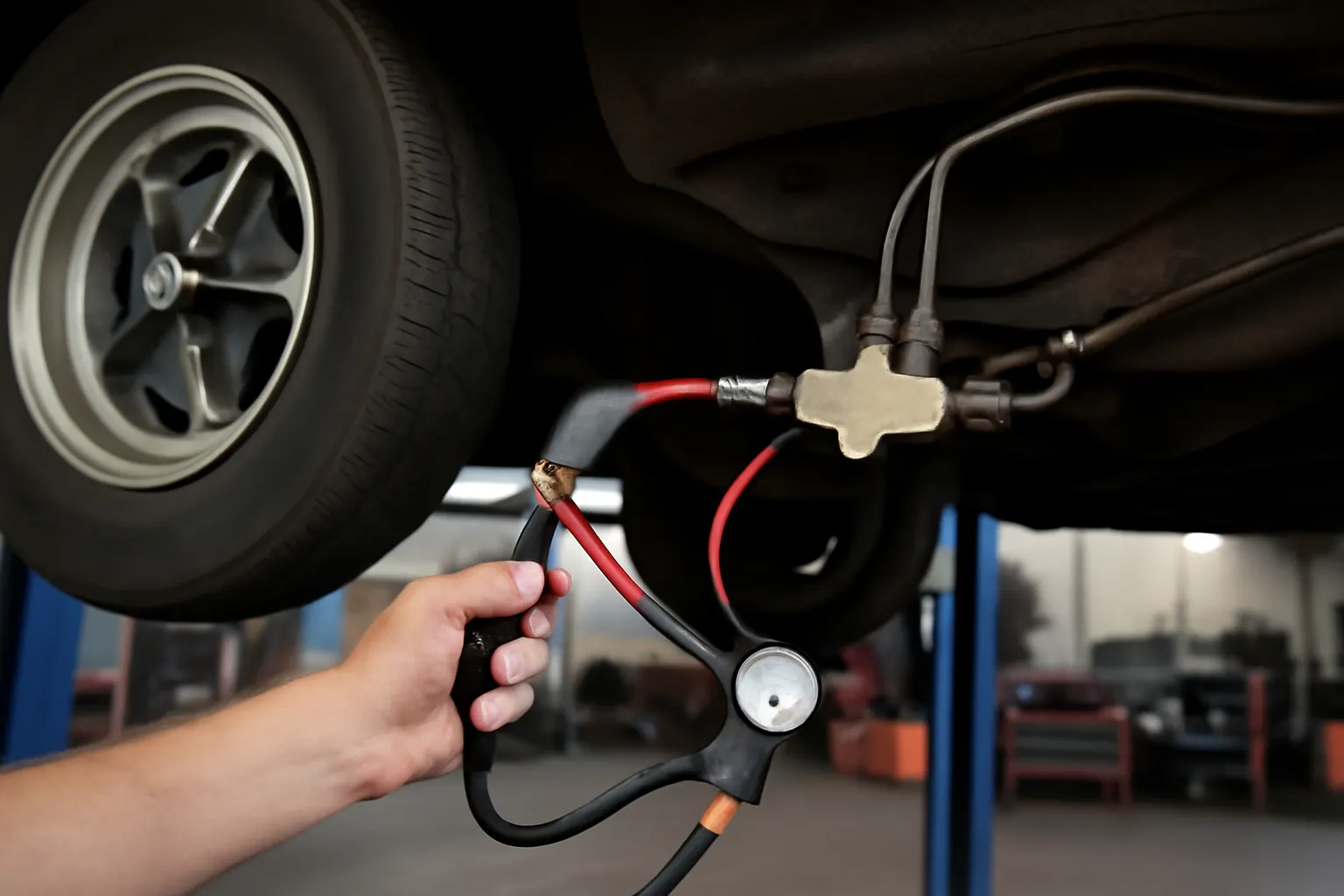
The proportioning valve is essential for safe stopping, especially with disc/drum setups. It limits rear brake pressure during hard stops, preventing rear lockup and maintaining vehicle control. AMC used several designs over the years, including integral combination valves and stand-alone proportioning units.
Advertisement
Brake System Evolution and Safety Standards
Federal safety regulations, especially those enforced by the National Highway Traffic Safety Administration, drove much of AMC’s brake system evolution. Key regulatory impacts include:
- FMVSS 105 (Hydraulic Brake Systems): Required dual-circuit master cylinders and improved fail-safe operation.
- Material & Performance Standards: Mandated minimum stopping distances, fade resistance, and corrosion protection.
Restorers must ensure that any modifications or repairs maintain compliance with these safety benchmarks, especially when replacing critical components like the proportioning valve.
Common Pitfalls During Classic Ambassador Restorations
1. Incorrect Master Cylinder or Valve Selection
Using a master cylinder or proportioning valve not matched to the vehicle’s brake configuration (drum/drum vs. disc/drum) can cause dangerous hydraulic imbalances.
2. Improper Hydraulic Line Routing
Many restoration projects inadvertently alter line routing, leading to pressure losses, air pockets, or incorrect valve operation.
3. Use of Inferior Aftermarket Parts
Aftermarket “universal” proportioning valves or low-quality master cylinders may not meet SAE standards or original AMC specifications, compromising safety.
4. Overlooking Material Degradation
Decades-old steel lines, rubber hoses, and seals are often reused, risking catastrophic failure under modern driving conditions.
Diagnosing Brake System Issues in AMC Ambassadors
A systematic diagnostic approach is essential for both original and modified brake systems. Use this checklist to identify and address common issues:
Brake System Diagnostic Checklist
-
Pedal Feel
- Spongy: Air in lines, old hoses, or failing master cylinder.
- Hard: Blocked lines or seized calipers/wheel cylinders.
- Sinking: Internal master cylinder leaks or fluid loss.
-
Brake Balance
- Rear wheel lockup: Faulty or missing proportioning valve, incorrect adjustment.
- Front lockup: Excessive front pressure, wrong valve or master cylinder.
-
Fluid Inspection
- Discoloration: Contaminated or old fluid.
- Leaks: Check all fittings, valves, and wheel ends.
-
Component Integrity
- Corrosion: Inspect lines, valves, and calipers/wheel cylinders for rust or pitting.
- Seal condition: Look for swelling, cracking, or leaks.
-
Valve Functionality
- Confirm correct part number and application.
- Test valve operation (if possible) per service manual.
-
Compliance Check
- Verify system meets NHTSA equipment standards.
Sourcing the Right Parts: OEM vs. Aftermarket for Brake Proportioning Valves
Finding the correct replacement proportioning valve is a challenge for AMC Ambassadors, as many original AMC parts are discontinued. Considerations include:
-
OEM (Original Equipment Manufacturer):
- Pros: Exact fit and function, meets original specs.
- Cons: Rare, often expensive, may require refurbishment.
-
Aftermarket:
- Pros: Readily available, sometimes improved materials.
- Cons: Fit and function may differ; some “universal” valves lack correct pressure profiles.
For a deep dive, see our Brake Valve Oem Vs Aftermarket Article.
Expert Tip: Always cross-reference the valve’s part number, pressure rating, and application. Avoid generic “one-size-fits-all” valves unless they are specifically engineered for AMC disc/drum configurations.
Installation Best Practices for AMC Ambassador Brake Components
Preparation
- Clean all mounting surfaces and thoroughly flush old brake fluid from the system.
- Inspect or replace all lines, hoses, and fittings.
- Use only new copper washers and correct thread sealants (never Teflon tape on brake fittings).
Proportioning Valve Installation
- Match Valve to System: Confirm compatibility with your Ambassador’s brake setup.
- Mount Securely: Use factory brackets or approved aftermarket mounts.
- Correct Line Routing: Follow AMC factory diagrams when possible.
- Bleed System: Bleed all brakes in the correct sequence (typically RR, LR, RF, LF).
- Test: Check for leaks, proper pedal feel, and balanced braking.
Final Checks
- Road test at low speed, confirming straight stops and no premature wheel lockup.
- Re-bleed if pedal is not firm or if any air remains in the system.
Maintenance Strategies for Longevity and Safety
Classic AMC brake systems require ongoing maintenance to ensure peak performance and safety. Recommendations include:
Advertisement
- Annual Fluid Replacement: Old brake fluid absorbs moisture, leading to corrosion and reduced performance.
- Regular Inspections: Check all lines, hoses, and fittings for signs of wear or leaks.
- Component Rebuild or Replacement: Don’t hesitate to rebuild or replace master cylinders, calipers, or valves if any degradation is found.
- Use Modern Materials: Where possible, upgrade to modern, corrosion-resistant lines and DOT-approved hoses as recommended by the DOE’s materials guidelines.
Upgrading vs. Restoring: How Far Should You Go?
Enthusiasts are often torn between maintaining originality and upgrading to modern safety standards. Consider the following:
- Restoration Purists: Seek NOS or period-correct parts; prioritize originality over performance upgrades.
- Safety-Minded Owners: Opt for modern dual-circuit conversions, improved proportioning valves, and stainless lines—especially if the vehicle will see regular road use.
Expert Guidance: Ensure any upgrades are compatible with the Ambassador’s hydraulic balance and mounting provisions. For detailed fitment guidance, refer to the Amc Ambassador Brake Proportioning Valve Fitment Guide.
Common Questions: AMC Ambassador Brake System FAQs
Q: Can I use a generic proportioning valve for my Ambassador disc/drum setup? A: It is not recommended. Generic valves may not match AMC’s specific pressure profiles, leading to unsafe brake balance.
Q: How do I confirm my brake system’s originality? A: Compare master cylinder, valve, and caliper/cylinder part numbers against AMC service literature. Inspect for evidence of prior modifications.
Q: What’s the most common failure point in restored Ambassador brakes? A: Deteriorated rubber hoses and incorrect proportioning valve selection are the leading causes of poor performance and safety issues.
Advanced Diagnostics: Troubleshooting Persistent Brake Issues
If your restored AMC Ambassador exhibits persistent brake problems, consider these advanced steps:
- Pressure Testing: Use a hydraulic pressure gauge to verify front and rear circuit pressures at the calipers/wheel cylinders.
- Valve Bench Testing: Some proportioning valves can be tested off-vehicle for correct opening/closing pressures.
- System Isolation: Temporarily bypass suspect valves or circuits (using appropriate safety procedures) to isolate the fault.
- Consult AMC Service Bulletins: Factory service bulletins may identify year-specific brake quirks or recommended updates.
Sourcing and Authenticating AMC Brake Parts
Given the rarity of certain AMC brake components, particularly proportioning valves, authentication is critical:
- Inspect Stamping Codes: Original valves and master cylinders often have stamped part numbers or date codes.
- Compare Casting Shapes: Many aftermarket parts differ subtly in casting shape or size.
- Request Documentation: When buying NOS or rebuilt parts, ask for proof of origin or rebuild quality.
Where to Look:
- AMC specialty suppliers
- Classic car forums and swap meets
- Reputable online retailers with AMC expertise
The Role of Materials Technology in Brake System Evolution
AMC’s adoption of improved materials (e.g., corrosion-resistant brake lines, better caliper alloys) reflected broader trends in automotive engineering. According to DOE research, these advances enhanced durability, reduced system weight, and improved safety margins. When restoring or upgrading, consider using modern equivalents to maximize your Ambassador’s reliability.
AutoPartEx: Your Partner in AMC Ambassador Brake Restoration
At AutoPartEx, we specialize in accurate, model-specific fitment for classic AMC brake components. Our technical team curates only parts that meet or exceed original AMC and federal safety standards, ensuring your restoration delivers both authenticity and modern safety. For further guidance on fitment, failure patterns, and expert replacement, visit the AMC Ambassador Brake Proportioning Valve – Fitment, Failure Patterns & Expert Replacement Guide or consult our Amc Ambassador Brake System Service Guide.
Expert Action: Steps to a Safe, Reliable Brake Restoration
- Identify Your System: Determine the exact year, brake configuration, and original equipment.
- Source Quality Parts: Use authenticated OEM or trusted aftermarket components.
- Follow Factory Procedures: Adhere to AMC service manuals and diagrams for installation and bleeding.
- Test Thoroughly: Perform static and dynamic brake tests, checking for leaks, pedal feel, and balance.
- Maintain Regularly: Replace fluid annually and inspect all hydraulic components for wear.
By following these steps and leveraging trusted resources, you’ll ensure your AMC Ambassador’s brakes perform safely and reliably—whether you aim for show-quality restoration or daily driving confidence.
References
Advertisement