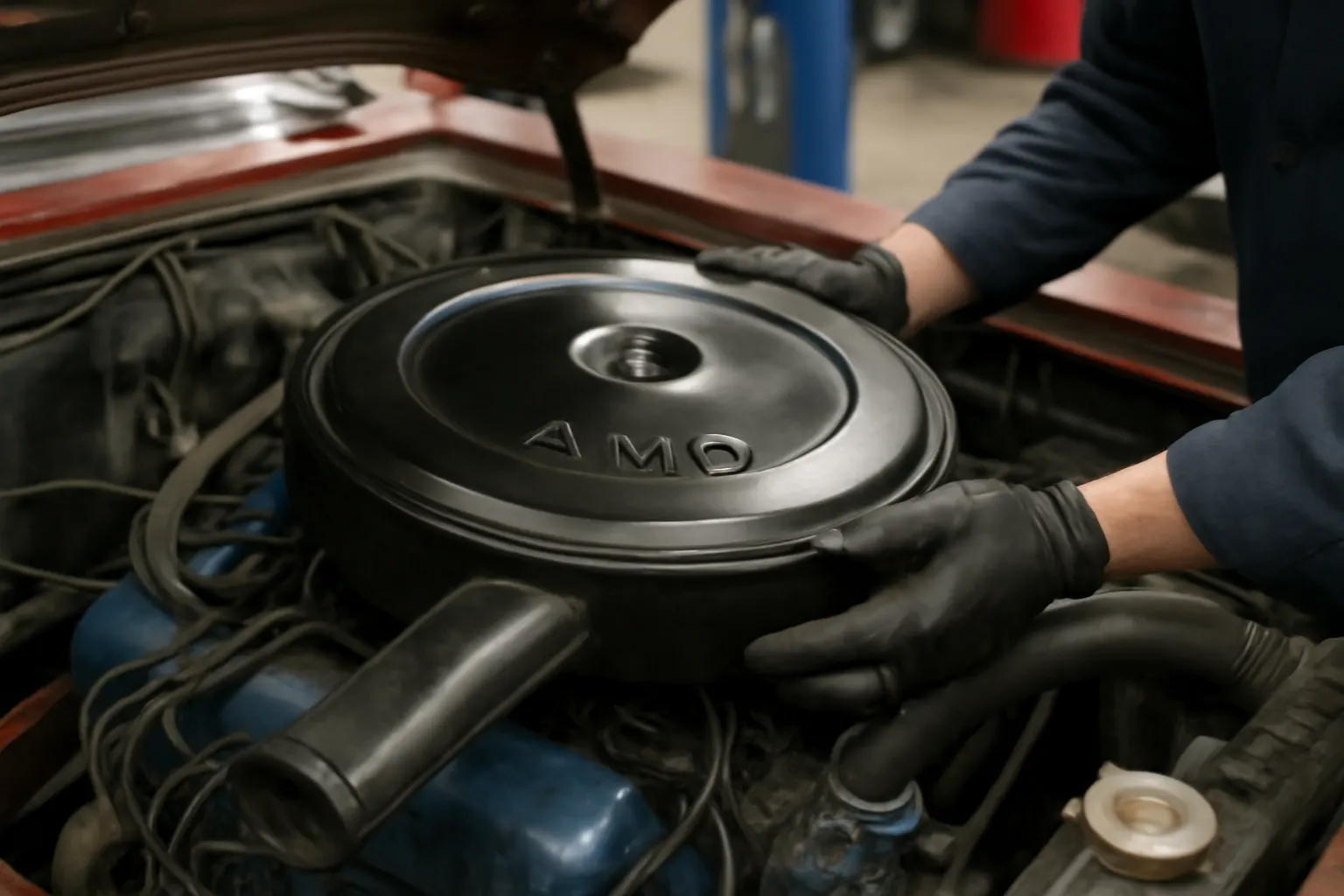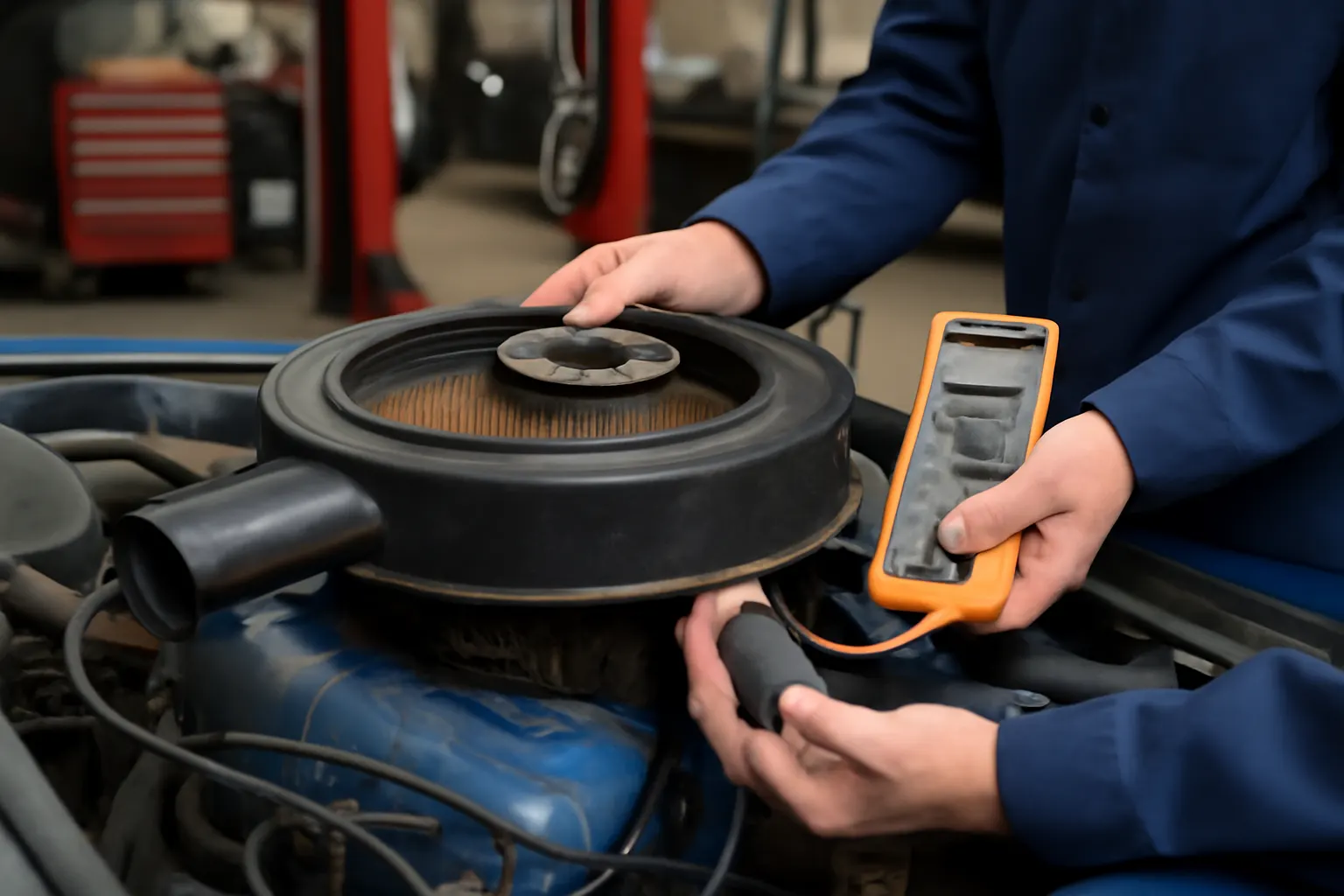
AMC Air Box/Air Cleaner Troubleshooting Guide
When your AMC’s engine loses power, fuel efficiency drops, or you notice unusual intake sounds, the air box or air cleaner is often a core suspect. This guide delivers a comprehensive, step-by-step approach to diagnosing and resolving common AMC air box/air cleaner issues—ensuring optimal performance, engine longevity, and compliance with safety and efficiency standards. Whether you’re a seasoned technician or a hands-on AMC enthusiast, mastering air box troubleshooting is essential for preventing downstream engine damage and maintaining peak vehicle performance.
For foundational information on design, maintenance, and installation, see our AMC Air Box/Air Cleaner Guide. This troubleshooting guide complements those resources by focusing on real-world diagnostic and repair scenarios.
Why AMC Air Box/Air Cleaner Issues Matter Immediately
The air box/air cleaner on your AMC isn’t just a passive filter—it’s a critical system component responsible for regulating airflow, protecting the engine from contaminants, and supporting the precise air-fuel balance required for optimal combustion. If the air box is compromised, you risk:
- Reduced fuel efficiency
- Increased engine wear
- Unstable idling or stalling
- Non-compliance with safety and equipment standards
Immediate attention to air box issues is vital. The National Highway Traffic Safety Administration (NHTSA) identifies compromised engine equipment—including air filtration—as a safety risk that can lead to unexpected breakdowns or even recalls NHTSA Equipment.
The Hidden Problem: How AMC Air Box/Air Cleaner Issues Escalate
While a dirty or damaged air cleaner might seem like a minor inconvenience, the consequences can escalate quickly:
- Progressive Engine Contamination: Even small gaps or degraded seals allow dirt, dust, and debris to bypass the filter, accelerating engine wear.
- Airflow Restriction: Clogged filters or collapsed intake ducts restrict airflow, forcing the engine to work harder and reducing fuel efficiency.
- Sensor Malfunctions: Modern AMC engines use Mass Air Flow (MAF) or Manifold Absolute Pressure (MAP) sensors. Unfiltered air or leaks can trigger sensor errors, causing rough running or “check engine” lights.
Left unchecked, these problems can result in expensive repairs, failed emissions inspections, or unsafe driving conditions.
Understanding AMC Air Box/Air Cleaner Function and Construction
To troubleshoot effectively, you must understand the air box’s role and construction in AMC vehicles. Typically, the air box:
- Houses the Air Cleaner Element: Usually a pleated paper or synthetic filter.
- Seals Airflow Pathways: Uses rubber or foam gaskets to prevent unfiltered air from entering the intake.
- Directs Intake Air: Routes outside air through the filter and into the throttle body or carburetor.
AMC engineering varies by model year and engine, but the core principles remain: maximize clean airflow, minimize pressure drop, and ensure robust sealing. Modern advances in materials technology, as highlighted by the U.S. Department of Energy, emphasize lightweight, durable plastics and composites for air box construction, improving both efficiency and longevity Materials Technologies.
Common AMC Air Box/Air Cleaner Problems
AMC air box and air cleaner issues typically fall into several categories:
- Clogged or Dirty Air Filter: The most frequent cause of reduced airflow and engine performance.
- Damaged or Warped Air Box Housing: Cracks, warping, or broken latches allow unfiltered air to bypass the filter.
- Faulty or Missing Seals/Gaskets: Compromised gaskets fail to seal the air box, admitting contaminants.
- Collapsed or Disconnected Intake Ducts: Intake hoses may collapse under vacuum or become disconnected, disrupting airflow.
- Incorrect or Poor-Quality Replacement Parts: Non-OEM filters or housings may not fit or seal properly.
- Sensor Contamination: MAF/MAP sensors contaminated by unfiltered air can trigger performance issues.
Each of these problems can present unique symptoms and requires targeted diagnostic steps.
Recognizing Symptoms of AMC Air Box/Air Cleaner Failure
Accurate symptom recognition accelerates troubleshooting and repair. Common warning signs include:
- Reduced Engine Power or Acceleration: Often due to airflow restriction or sensor errors.
- Decreased Fuel Economy: A clogged filter forces the engine to work harder, consuming more fuel Fuel Efficiency.
- Rough Idle, Hesitation, or Stalling: Indicates unmetered air or sensor contamination.
- Unusual Intake Noises: Whistling, hissing, or “whooshing” sounds suggest leaks or disconnected ducts.
- Check Engine Light: Frequently triggered by MAF/MAP sensor errors related to air intake problems.
- Visible Dirt in Air Box or Intake Tract: Indicates bypass of the air filter, often from damaged seals or housing.
Early detection of these symptoms can prevent further engine damage and costly repairs.
Step-by-Step AMC Air Box/Air Cleaner Diagnostic Checklist
Use this professional checklist to systematically diagnose AMC air box/air cleaner issues:
AMC Air Box/Air Cleaner Troubleshooting Checklist
| Step | Action | What to Look For |
|---|---|---|
| 1 | Visual Inspection | Cracks, warping, missing latches, or loose fasteners on air box housing |
| 2 | Filter Element Check | Excessive dirt, oil, water, or damage to filter media |
| 3 | Seal and Gasket Examination | Torn, compressed, or missing gaskets/seals between air box halves and intake duct |
| 4 | Intake Duct Inspection | Collapsed, disconnected, or deteriorated hoses and connections |
| 5 | Sensor Assessment | Dirty or oil-fouled MAF/MAP sensors (if equipped) |
| 6 | Airflow Test | Engine performance with air filter removed (briefly, in a clean environment) to check for improvement |
| 7 | Replacement Part Verification | Confirm OEM or high-quality aftermarket filter fitment and compatibility |
| 8 | Reassembly and Leak Test | Ensure air box is properly sealed and all connections are secure |
Perform each step methodically to isolate the root cause of air box or air cleaner problems.
Deep Dive: Diagnosing Specific AMC Air Box/Air Cleaner Failures
Let’s expand on some of the most common AMC air box/air cleaner failures and their technical implications:
Clogged or Dirty Air Filter
A clogged filter restricts airflow, causing the engine control unit (ECU) to adjust fuel delivery, which can result in a rich or lean mixture. Over time, this stresses the catalytic converter and reduces fuel economy. Paper filters should be replaced per the recommended maintenance schedule, while reusable filters must be cleaned and oiled according to manufacturer specifications.
Air Box Housing Damage
Cracks or warping in the air box allow unfiltered air to bypass the filter. This not only introduces contaminants but can also create unmetered air paths, confusing the ECU and triggering diagnostic trouble codes (DTCs). Inspect the housing for UV damage, impact cracks, or heat warping—especially on older AMC models.
Faulty Seals and Gaskets
Gaskets degrade over time from heat and vibration. Missing or compressed seals result in poor air box sealing. Always inspect and replace gaskets during filter changes, and verify the air box closes evenly without gaps.
Collapsed or Disconnected Intake Ducts
Flexible intake ducts can collapse under high vacuum, especially if oil-soaked or aged. Disconnected ducts often result from improper installation or engine movement. Both conditions disrupt airflow and can cause whistling or hissing noises during acceleration.
Technical Considerations: Materials, Fitment, and Engineering
AMC air box/air cleaner systems are engineered for precise fitment and performance. Key considerations include:
- Materials: AMC air boxes commonly use high-strength plastics or composites for reduced weight and improved durability. According to the DOE, modern materials technologies have enabled lighter, more efficient air induction systems Materials Technologies.
- Filter Media: Quality filters use multi-layered synthetic or cellulose media for optimal filtration and airflow.
- Fitment: Even minor deviations in filter or housing dimensions can compromise sealing and function. Always use parts specified for your AMC model and engine variant.
- Sensor Integration: Later AMC engines may integrate MAF or IAT sensors within the air box—ensure these sensors are clean and properly seated during any service.
AMC Air Box/Air Cleaner Maintenance Best Practices
Prevention is the most effective troubleshooting strategy. Follow these maintenance best practices:
- Replace Air Filter at Recommended Intervals: Refer to your AMC owner’s manual or our AMC Air Box/Air Cleaner Maintenance Schedule for model-specific guidelines.
- Inspect Air Box and Ducts During Every Oil Change: Look for cracks, loose connections, or deteriorated gaskets.
- Use Only High-Quality, Compatible Filters: Avoid “universal” or low-cost options that may not fit or seal correctly.
- Clean Sensors Carefully: Use approved MAF sensor cleaner for electronics—never use compressed air or harsh solvents.
- Protect Against Water Ingress: Ensure the air box drain is clear and the intake duct is routed away from splash zones.
Routine maintenance not only prevents problems but also supports engine longevity and efficiency.
Sourcing Quality AMC Air Box/Air Cleaner Parts
When replacement is necessary, sourcing correct, high-quality parts is critical:
- OEM vs Aftermarket: Original Equipment Manufacturer (OEM) parts guarantee fit and performance, but reputable aftermarket brands can offer equivalent or improved filtration.
- Verify Fitment: Use your AMC’s VIN or engine code to cross-check compatibility.
- Check for Recalls: Refer to the NHTSA recall database to ensure your air box or related components are not subject to manufacturer recalls NHTSA Recalls.
- Inspect Before Installation: Always compare new parts to removed components for dimensional accuracy and sealing surfaces.
For detailed installation procedures and common pitfalls, see our AMC Air Box/Air Cleaner Installation Guide.
Reassembly: Ensuring a Perfect Seal and Final Testing
After diagnosing and repairing AMC air box/air cleaner issues, reassembly and testing are crucial:
- Clean All Mating Surfaces: Remove old gasket material and debris.
- Install New Seals or Gaskets: Ensure they are properly seated and not pinched.
- Fit Filter Element Correctly: The filter must sit flush and even within the air box.
- Close and Latch Air Box Securely: Listen for clicks or positive engagement of latches.
- Reconnect Intake Ducts: Confirm all clamps and hoses are tight and properly routed.
- Test for Leaks: With the engine running, spray a light mist of soapy water around the air box—bubbles indicate leaks.
- Road Test: Verify normal engine response, absence of intake noise, and no check engine light.
A meticulous approach ensures long-term reliability and compliance with safety standards NHTSA Equipment.
Troubleshooting Advanced Issues: Sensor and ECM Adaptation
Some AMC models, especially those from the late 1980s onward, use engine control modules (ECMs) that adapt to airflow changes. If the air box or filter is replaced after a long period of restriction or contamination, the ECM may require adaptation:
- Resetting the ECM: Disconnect the battery for several minutes or use a scan tool to clear adaptive memory.
- Sensor Recalibration: In rare cases, MAF sensors may need to be recalibrated or replaced if contaminated beyond cleaning.
- Monitor Fuel Trims: Use a scan tool to check short- and long-term fuel trims after repairs, ensuring the engine is operating within specifications.
Proper adaptation prevents ongoing drivability issues after air box repairs.
Avoiding Common AMC Air Box/Air Cleaner Replacement Mistakes
Even experienced technicians can make avoidable errors. Top mistakes include:
- Over-Tightening Fasteners: This can crack plastic air box housings or deform sealing surfaces.
- Forgetting to Install Gaskets: Missing seals are a leading cause of persistent intake leaks.
- Mismatched Filters: Using a filter that is “close enough” in size can lead to bypass and contamination.
- Neglecting Sensor Cleaning: Reinstalling a dirty MAF or IAT sensor can prolong engine performance issues.
- Ignoring Intake Duct Routing: Misrouted ducts can draw in hot engine air or water, reducing efficiency and risking hydrolock.
By following AMC-specific procedures and double-checking each step, you avoid costly callbacks and ensure optimal engine protection.
Professional Tips: Enhancing AMC Air Box/Air Cleaner Performance
For enthusiasts seeking maximum performance or longevity from their AMC:
- Upgrade to High-Flow Filters Cautiously: Some high-flow aftermarket filters increase airflow but may reduce filtration efficiency. Always balance performance gains with engine protection.
- Heat Shielding: Adding thermal barriers to the air box or intake duct can reduce intake air temperatures, improving combustion efficiency.
- Periodic Intake Tract Cleaning: Use intake-safe cleaners to remove accumulated oil vapor or dust from the ductwork and throttle body.
- Monitor for Recalls and TSBs: Technical Service Bulletins (TSBs) may address recurring air box issues for specific AMC models—consult reputable databases regularly.
For deeper engineering insights, explore AMC Air Box/Air Cleaner: Engineering and Performance.
AutoPartEx: Your Partner for AMC Air Box/Air Cleaner Solutions
AutoPartEx specializes in precision-fit AMC air box and air cleaner components, offering:
- Direct-fit OEM and premium aftermarket filters
- Detailed fitment guides and technical support
- Verified compatibility for all major AMC models
- Access to installation, maintenance, and troubleshooting resources
Our commitment: helping you maintain AMC performance and reliability with confidence. For a full range of AMC air box/air cleaner parts and expert guidance, visit our AMC Air Box/Air Cleaner Guide.
When to Seek Professional Help
While many air box/air cleaner issues can be resolved with DIY troubleshooting, seek professional assistance if:
- Engine performance does not improve after filter replacement and leak repairs
- You discover significant air box damage or sensor contamination
- The check engine light persists, or DTCs related to the intake system recur
- Your AMC is subject to a recall or TSB affecting the air box or intake tract
Certified technicians have the diagnostic tools and expertise to resolve complex issues and ensure compliance with safety standards.
Conclusion: Proactive AMC Air Box/Air Cleaner Care Pays Off
Regular inspection, prompt troubleshooting, and quality replacement of AMC air box/air cleaner components are critical for engine health, performance, and efficiency. By following this guide—and leveraging AutoPartEx expertise—you minimize risk, maximize longevity, and ensure your AMC remains safe, reliable, and enjoyable to drive.
For installation, maintenance, and engineering details, explore our linked guides and editorial content throughout this article.