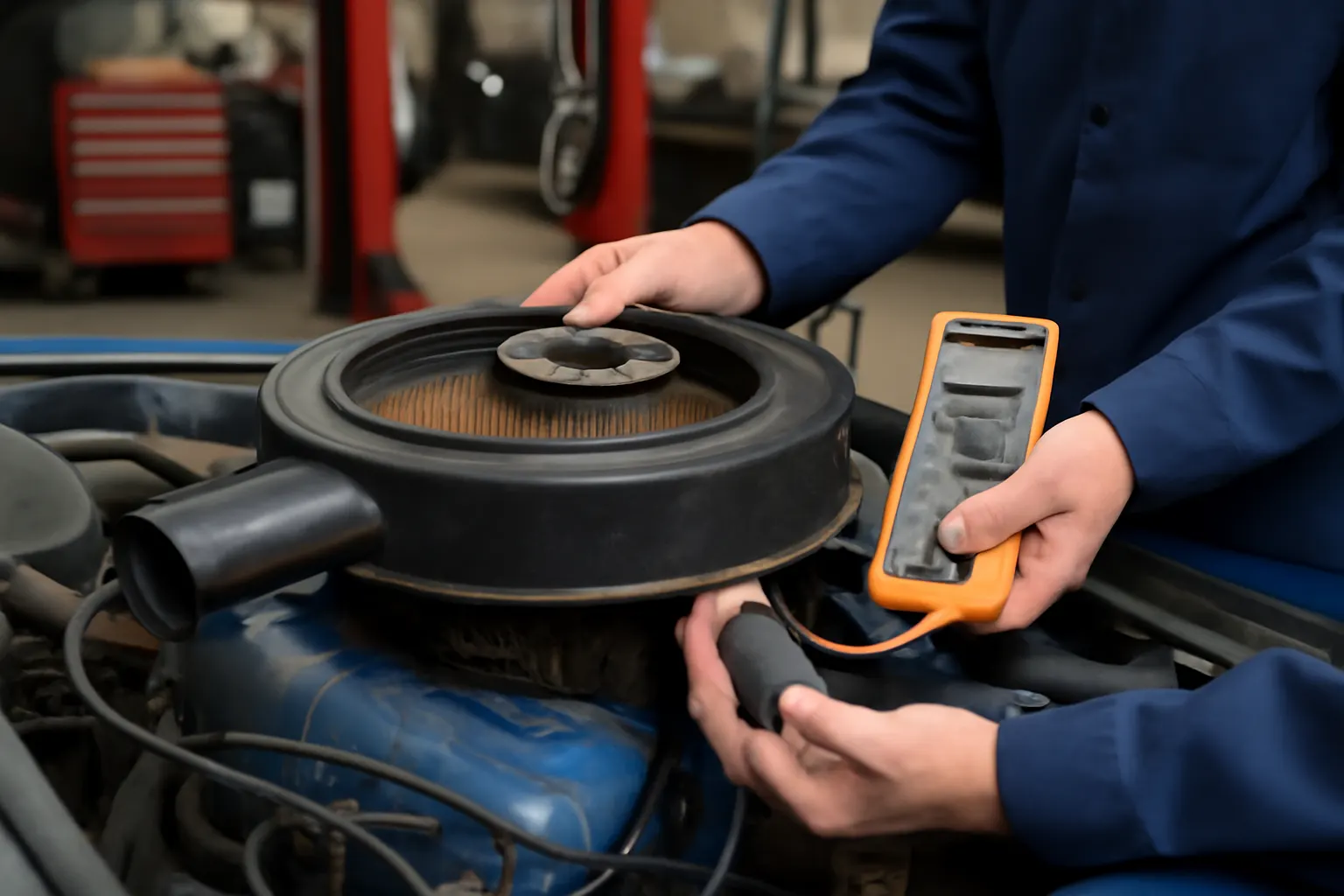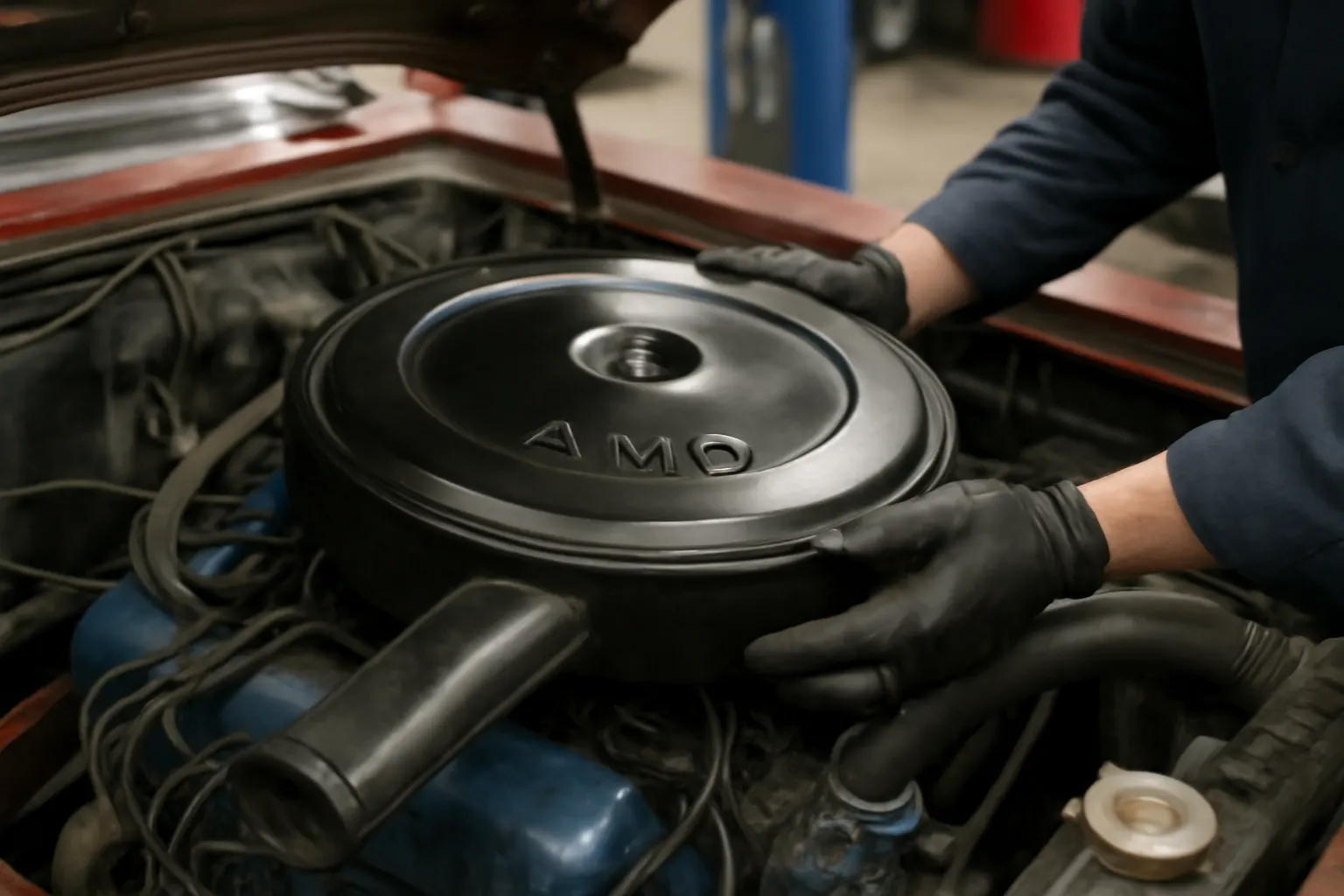
AMC Air Box/Air Cleaner: Engineering and Performance
The AMC air box and air cleaner system stands at the intersection of intelligent engineering and high-performance automotive functionality. Whether you’re restoring a classic AMC, maintaining a daily driver, or seeking incremental gains in efficiency and power, understanding AMC’s approach to air box and air cleaner engineering is crucial. This guide delivers a comprehensive technical breakdown of how AMC’s air box/air cleaner systems are designed, how they impact performance, and how to maximize their longevity and effectiveness.
If you’re new to AMC air box and air cleaner systems, start with our AMC Air Box/Air Cleaner Guide for a foundational overview. In this article, we’ll dig deeper into the engineering principles, performance implications, and practical maintenance steps for AMC’s air management solutions.
The Immediate Answer: Why AMC Air Box/Air Cleaner Engineering Matters
AMC’s air box and air cleaner assemblies are engineered to optimize airflow, protect the engine from contaminants, and support fuel efficiency. The right air box/air cleaner combination can make a dramatic difference in engine response, longevity, and even fuel economy, especially when maintained or upgraded according to manufacturer standards and current SAE guidelines.
AMC’s approach involves:
- Carefully calibrated intake pathways for balanced airflow.
- Advanced filter media for particulate protection.
- Durable housings and seals to prevent leaks and maintain pressure.
- Material choices that ensure longevity and minimize heat soak.
For owners and technicians, this means that proper selection, installation, and maintenance of AMC air box/air cleaner components directly translates to real-world performance, reliability, and efficiency gains.
The Hidden Problem: Air Management System Weaknesses
Despite their robust design, AMC air box and air cleaner systems can become points of failure due to:
- Clogged or degraded filters impeding airflow.
- Cracked or warped housings causing leaks.
- Poor-quality aftermarket replacements failing to meet OE or SAE standards.
- Improper installation leading to misalignment, vibration, or unfiltered air bypass.
These issues often go unnoticed, leading to subtle but cumulative losses in performance, increased fuel consumption, and potentially severe engine damage over time. Many AMC owners—especially those with older models—may not realize that their air management system is underperforming until symptoms like rough idling, loss of power, or reduced fuel efficiency become pronounced.
Digging Deeper: How AMC Engineers Air Intake for Performance
The Role of the Air Box
The air box serves as the primary entry point for outside air into the engine’s intake system. Its design is crucial for:
- Directing cool, dense air from outside the engine bay.
- Reducing intake turbulence for consistent airflow.
- Shielding the filter from heat and contaminants.
AMC air boxes are often tuned for specific engine displacements and carburetor or throttle body configurations, ensuring the volume and velocity of incoming air matches the engine’s requirements for optimal combustion.
Air Cleaner Engineering
The air cleaner (or air filter) is more than just a replaceable component. AMC’s OE filters are engineered with:
- Multi-layered filter media to trap particulates down to microns in size.
- Pleating and surface area optimized for minimal restriction.
- Seal designs that ensure no unfiltered air bypasses the system.
By adhering to SAE air filtration standards, AMC ensures that contaminants are kept out while airflow remains robust, supporting both power and engine protection SAE Standards.
Material Technologies: The Backbone of AMC Air Box/Air Cleaner Durability
Material selection is a critical element in AMC’s air box/air cleaner engineering. According to the Department of Energy, modern automotive air management components benefit from advanced polymers, composites, and treated metals that offer:
- Lightweight construction to reduce vehicle weight and improve efficiency.
- High thermal resistance to prevent warping or melting near high-heat engine components.
- Chemical resistance to withstand oil vapors, fuel residues, and road contaminants.
AMC’s use of these materials enhances both the performance and the service life of their air box/air cleaner systems. For owners, this means fewer replacements, better long-term fit, and consistent filtration performance Materials Technologies.
Performance Impact: Air Flow, Filtration, and Combustion
Airflow and Engine Breathing
Efficient airflow is fundamental to engine performance. AMC air box/air cleaner assemblies are designed to:
- Minimize restriction without compromising filtration.
- Smooth out turbulence, allowing the engine to “breathe” better.
- Support consistent air/fuel mixture for optimal combustion.
A clogged or restrictive filter can reduce engine output by several horsepower and negatively impact throttle response. Conversely, a high-quality, properly fitted AMC air cleaner ensures that the engine receives the right amount of clean air, supporting both power and efficiency.
Filtration and Engine Longevity
An effective air cleaner protects the engine’s internal components from abrasive particles. Even minor breaches or degraded filters can allow contaminants to enter the combustion chamber, accelerating wear on pistons, rings, and cylinder walls. AMC’s engineering focus on seal integrity and filter efficiency is a direct response to these long-term reliability concerns.
Fuel Efficiency: How Air Management Affects MPG
The relationship between air intake and fuel efficiency is well-established. According to the U.S. Department of Energy, “A clean air filter can improve acceleration time by around 6 to 11 percent and help maintain optimal fuel economy” Fuel Efficiency.
AMC’s air box/air cleaner systems, when properly maintained, help:
- Ensure ideal air/fuel ratios for efficient combustion.
- Prevent over-fueling caused by restricted airflow.
- Support stable idle and smooth acceleration.
For drivers, this means fewer trips to the pump, lower emissions, and a more responsive driving experience—all by keeping the air box and air cleaner in top condition.
Diagnosing Common AMC Air Box/Air Cleaner Problems
Even with robust engineering, AMC air box/air cleaner systems require periodic inspection and attention. Here’s how to diagnose common issues:
Symptoms of Air Box/Air Cleaner Failure
- Reduced Engine Power: Engine feels sluggish, especially under load.
- Poor Fuel Economy: Noticeable drop in MPG despite unchanged driving habits.
- Rough Idle or Hesitation: The engine stumbles or hesitates at low RPM.
- Unusual Intake Noises: Whistling, hissing, or rattling from the air box area.
- Visible Dirt or Debris: Dust or debris in the intake tract downstream of the filter.
Inspection Checklist
| Checkpoint | What to Look For | Action Needed |
|---|---|---|
| Air filter element | Dirt, oil, or deformation | Replace if dirty or damaged |
| Air box housing | Cracks, warping, loose fasteners | Repair or replace as needed |
| Seals and gaskets | Hardening, cracks, misalignment | Replace to restore seal |
| Intake ducting | Blockages, leaks, loose clamps | Clean, tighten, or replace |
| Mounting hardware | Missing or stripped fasteners | Replace to secure assembly |
Regularly using this checklist can prevent many common performance and reliability issues in AMC vehicles.
Installation: Best Practices for AMC Air Box/Air Cleaner Components
Proper installation of AMC air box and air cleaner assemblies is essential for achieving the intended performance and longevity. Follow these best practices:
Preparation
- Always consult the AMC service manual for your specific model and engine variant.
- Use only high-quality, SAE-approved replacement parts.
- Clean the air box and ducting thoroughly before installing a new filter.
Installation Steps
- Remove Old Filter and Inspect: Take out the existing filter. Use a flashlight to inspect for any debris or oil residue.
- Clean Housing and Ducts: Wipe down the interior surfaces with a lint-free cloth. Use compressed air (where safe) to clear dust from hard-to-reach areas.
- Install New Filter: Ensure the filter seats evenly and the gasket forms a complete seal.
- Check Housing Alignment: Reassemble the air box, making sure all tabs, clips, and fasteners are tight and properly engaged.
- Inspect Final Assembly: Double-check for gaps, loose clamps, or misaligned ducts.
For a detailed walkthrough, see our AMC Air Box/Air Cleaner Installation Guide.
Maintenance: Keeping Your AMC Air Box/Air Cleaner in Peak Condition
Routine maintenance is the key to extracting maximum performance and life from your AMC air management system. Here’s how to structure an effective maintenance schedule:
Maintenance Intervals
- Inspect air filter: Every 6,000–10,000 miles, or more frequently in dusty environments.
- Replace air filter: Every 15,000–30,000 miles, or as indicated by inspection.
- Clean air box and ducts: At every filter change.
- Check seals and fasteners: During each inspection or replacement.
Maintenance Tips
- Use only OE-quality or high-performance filters that meet or exceed AMC and SAE specifications.
- Avoid over-oiling reusable filters, which can contaminate mass air flow sensors and downstream components.
- Replace any damaged or missing seals immediately to prevent unfiltered air ingress.
For a model-specific schedule, refer to our AMC Air Box/Air Cleaner Maintenance Schedule.
Engineering Standards: The SAE and AMC’s Commitment to Quality
AMC’s air box/air cleaner systems are engineered in accordance with SAE International standards for air filtration, airflow, and materials. These standards define:
- Minimum filtration efficiency.
- Maximum allowable airflow restriction.
- Material durability and heat resistance.
- Testing protocols for vibration, temperature, and contaminant exposure.
By adhering to these guidelines, AMC delivers parts that not only fit and function correctly but also withstand the rigors of real-world driving. When sourcing replacements, always look for components that reference SAE compliance to ensure compatibility and performance SAE Standards.
Sourcing and Upgrading: Choosing the Right AMC Air Box/Air Cleaner
With a range of OE and aftermarket options available, choosing the right AMC air box/air cleaner can be daunting. Here’s how to make an informed decision:
OE vs. Aftermarket
- OE (Original Equipment): Guarantees fitment, quality, and performance as designed by AMC.
- Aftermarket: May offer improved airflow or filtration, but quality varies widely. Always verify SAE compliance.
Key Sourcing Considerations
- Fitment: Confirm compatibility with your AMC model, engine, and year.
- Materials: Prioritize high-quality plastics, metals, and filter media.
- Performance Claims: Be wary of exaggerated performance promises from unverified brands.
- Warranty and Support: Prefer suppliers with clear return policies and technical support.
When in doubt, consult the AMC Air Box/Air Cleaner Guide or reach out to AutoPartEx for expert recommendations.
Troubleshooting: When Performance Drops
If you’ve followed installation and maintenance best practices but still notice performance issues, consider these troubleshooting steps:
- Double-Check Filter Orientation: An improperly seated filter can allow unfiltered air to bypass the system.
- Inspect for Vacuum Leaks: Cracked hoses or loose clamps in the intake tract can cause unmetered air to enter the engine.
- Test Airflow: Use a handheld anemometer or smoke test to verify unobstructed airflow from the air box to the throttle body.
- Evaluate Upstream/Downstream Components: Mass air flow sensors, throttle bodies, and intake manifolds can also impact performance if dirty or damaged.
For a systematic approach, see our AMC Air Box/Air Cleaner Troubleshooting Guide.
Checklist: AMC Air Box/Air Cleaner Maintenance Essentials
To help keep your AMC running at its best, use this quick-reference checklist:
- Inspect air filter every oil change.
- Replace air filter at recommended intervals or when visibly dirty.
- Check air box housing for cracks or warping.
- Clean intake ducts and air box interior.
- Ensure all seals and gaskets are soft, pliable, and properly seated.
- Tighten all clamps, fasteners, and mounting hardware.
- Use only SAE-compliant, AMC-approved parts.
- Monitor for changes in engine response, idle quality, or fuel economy.
The AutoPartEx Advantage: Engineering Insight and Practical Support
At AutoPartEx, we combine technical expertise with a commitment to supporting AMC owners and technicians. Our resources are grounded in current SAE, DOE, and industry standards, ensuring you have the most accurate, actionable information for your AMC air box/air cleaner systems.
Whether you’re searching for OE-quality replacements, performance upgrades, or detailed installation guides, our curated catalog and editorial content are designed to help you maintain and enhance your AMC vehicle. We recommend starting with our AMC Air Box/Air Cleaner Guide for an overview, and consulting our related articles for installation, maintenance, and troubleshooting support.
Take Expert Action: Optimize Your AMC Air Management System
Don’t wait for performance or efficiency to drop before giving your AMC’s air box and air cleaner the attention they deserve. Proactive inspection, timely replacement, and adherence to engineering standards will keep your engine breathing freely and performing at its best.
- Review your current maintenance schedule and update as needed.
- Source only high-quality, SAE-compliant parts.
- Address any signs of wear, damage, or performance loss promptly.
For tailored recommendations or to find the right AMC air box/air cleaner components for your specific model, explore the AutoPartEx catalog or contact our technical support team.