
Power Steering Control Valve
Power Steering Control Valve: Selection, Issues, and Evidence
Many drivers overlook the role of the power steering control valve until steering becomes difficult or unpredictable. Understanding this component’s function and knowing how to identify related issues can prevent costly repairs and improve vehicle safety. This guide explores what you need to know about power steering control valves, how to approach diagnosis, and what published evidence reveals about repair and replacement.

More Power Steering Control Valve options
Filtering for Power Steering Control ValveBrowse nearby inventory for this category without leaving the page. Use search to filter by price, part number, or city.
No Data Available
Please check back soon when more inventory is available for this part.
Power Steering Control Valve: Selection, Issues, and Evidence
Why Power Steering Control Valve Issues Go Unnoticed
When thinking about vehicle maintenance, many owners focus on more visible or frequently serviced components like brakes, tires, or engine oil. Yet, the power steering control valve, a small but critical part of hydraulic steering systems, often escapes attention. Its subtle signs of wear or malfunction can be mistaken for other steering or suspension issues, leading to misdiagnosis or delayed repair. This lack of awareness can result in escalating problems, especially in vehicles where precise steering is essential for safety and control.
One reason the power steering control valve is often overlooked is its location and integration within the hydraulic system. Unlike belts or hoses that are easily visible during routine checks, the control valve is typically mounted on or near the steering gearbox or linkage. Its function—to direct pressurized fluid to assist steering effort—means that even minor internal leaks or sticking can have outsized effects on steering feel and response. Owners may notice vague symptoms such as increased steering effort, wandering, or inconsistent assist, but not immediately connect these to the control valve.
Additionally, many drivers assume that any steering problem is due to low fluid, worn pumps, or alignment issues. This assumption can delay proper diagnosis and repair of the control valve itself. As vehicles age, especially classic models with hydraulic steering, the likelihood of valve-related issues increases. Recognizing the unique role and failure patterns of the power steering control valve is a crucial step toward maintaining safe and responsive steering. This guide aims to bridge that knowledge gap with practical, evidence-based advice.

Understanding Power Steering Control Valve Failures and Their Impact
The power steering control valve serves as the hydraulic system’s traffic director, routing pressurized fluid to either side of the steering gear based on driver input. When this valve begins to fail, the resulting symptoms can be subtle or dramatic, depending on the nature of the malfunction. Internal leaks, sticking spools, or worn seals can all degrade the valve’s ability to modulate fluid flow, leading to a host of steering complaints. These may include increased steering effort, delayed response, or even sudden loss of assist in one direction.
A failing control valve can also introduce noise, vibration, or erratic steering behavior. Because these symptoms overlap with other steering and suspension problems, pinpointing the valve as the culprit requires careful observation and, often, process of elimination. For example, a worn steering pump may produce similar noises or loss of assist, while loose linkage or worn tie rods can cause wandering. This diagnostic complexity underscores the importance of understanding the control valve’s specific failure modes.
Classic vehicles and trucks with hydraulic power steering are particularly susceptible to control valve issues due to age-related wear and the higher stresses placed on their steering systems. In these applications, the control valve is often a separate, serviceable component rather than an integrated part of the rack or gearbox. Over time, contamination, fluid breakdown, or simple mechanical fatigue can degrade the valve’s performance. Owners of these vehicles should be especially vigilant for early warning signs.
Another complicating factor is the variability in control valve designs across different makes and models. Some systems use a rotary valve within the steering gear, while others employ an external spool valve. The specific failure symptoms and diagnostic steps can differ accordingly. For instance, an external valve may develop visible leaks or external wear, while an internal rotary valve might only manifest as vague steering or inconsistent assist. Understanding your vehicle’s specific setup is essential for accurate troubleshooting.
Ignoring early symptoms of control valve failure can have cascading effects. Increased steering effort may prompt drivers to overcompensate, leading to unsafe handling or fatigue. In severe cases, loss of hydraulic assist can make the vehicle difficult to control, especially at low speeds or during parking maneuvers. Prolonged operation with a compromised valve can also place additional strain on the pump and other hydraulic components, compounding repair costs.
Finally, it’s important to recognize that not all steering problems are related to the control valve. Comprehensive diagnosis should include checks for fluid level and condition, pump output, hose integrity, and steering linkage wear. However, when common causes have been ruled out and steering symptoms persist, the control valve deserves careful consideration. This is especially true for vehicles with a history of hydraulic leaks, contaminated fluid, or previous steering repairs.
Practical Steps for Diagnosing and Addressing Control Valve Issues
Diagnosing a power steering control valve problem begins with a systematic approach. Start by gathering information about the symptoms: Is steering effort increased in one direction? Are there noises or vibrations when turning the wheel? Does the problem worsen with temperature or after extended driving? Documenting these details can help narrow down the cause and avoid unnecessary part replacements. Always check the power steering fluid level and condition first, as low or contaminated fluid can mimic valve issues.
Next, visually inspect the steering system for leaks, especially around the control valve and associated hoses. Look for signs of fluid seepage, cracked hoses, or wetness near the valve body. External leaks are often easier to spot on older vehicles with separate control valves. If the valve is integrated within the steering gear, use a flashlight and mirror to inspect hard-to-reach areas. Any evidence of fluid loss should be addressed promptly, as it can lead to air ingress and further system degradation.
If no external leaks are found, perform a steering feel test. With the engine running and the vehicle safely supported, slowly turn the steering wheel from lock to lock. Note any stiffness, hesitation, or uneven assist. Compare the effort required in each direction. A faulty control valve may cause the wheel to return to center sluggishly or resist turning in one direction more than the other. These symptoms can help differentiate valve problems from pump or linkage issues.
For more advanced diagnosis, consult a service manual or professional technician with experience in your vehicle’s make and model. Some control valves can be tested for internal leakage or pressure loss using specialized gauges. Others may require disassembly and inspection for worn seals or damaged spools. If you lack the tools or expertise, consider seeking a second opinion from a shop familiar with hydraulic steering systems. The Federal Trade Commission recommends getting a written estimate and understanding the parts and labor involved before authorizing repairs FTC: Auto Repair Basics.
When replacement is necessary, consider your options carefully. New, remanufactured, and salvage control valves are available for many applications. Each has advantages and trade-offs. New valves offer the greatest assurance of reliability but may be more expensive or harder to source for older vehicles. Remanufactured units are rebuilt to original specifications and can be a cost-effective alternative. Salvage parts, sourced from dismantled vehicles, may offer savings but carry unknown wear and limited support. The FTC advises understanding the type of part being installed and any associated warranty or return policy.
Installation of a new or remanufactured control valve typically involves disconnecting hydraulic lines, unbolting the valve from the steering linkage or gear, and reversing the process with the replacement part. Careful attention must be paid to cleanliness, as even small amounts of dirt or debris can damage the new valve. After installation, the system should be bled of air and checked for proper operation. Test drive the vehicle to confirm that steering effort and response have returned to normal.
Preventive maintenance can extend the life of your new control valve. Regularly check and replace power steering fluid according to the manufacturer’s recommendations. Use only the specified fluid type, as incorrect fluids can cause seal deterioration and valve sticking. Inspect hoses and connections for leaks or wear at each oil change. Address any steering symptoms promptly to prevent further damage. For classic vehicles, periodic inspection of the control valve and related components is especially important due to age-related risks.
If you are unsure whether your vehicle’s control valve is at fault, consult guides such as Diagnosing Hydraulic Steering Problems or Classic Car Steering: Why the Control Valve Matters. These resources provide detailed troubleshooting steps and model-specific advice. When in doubt, seek professional help and request that any diagnosis or repair be documented in writing. This protects you as a consumer and ensures that the repair addresses the actual problem.
What the Evidence and Published Guidance Reveal
The Federal Trade Commission’s guidance on auto repair highlights several key practices relevant to power steering control valve issues. The FTC advises consumers to obtain a written repair estimate specifying the condition to be repaired, the parts required, and anticipated labor charges. This is particularly important for complex repairs like steering system work, where misdiagnosis can lead to unnecessary part replacements and inflated costs. The FTC also recommends seeking a second opinion for expensive or complicated repairs, ensuring the technician has experience with your vehicle’s make and model. These recommendations are general but directly support a methodical approach to diagnosing and addressing control valve problems FTC: Auto Repair Basics.
The FTC further distinguishes between new, remanufactured, and salvage parts. For power steering control valves, this distinction is crucial, as the reliability and longevity of the repair depend on the part’s condition and origin. Salvage valves, while cost-effective, come from dismantled vehicles and may have unknown wear or internal damage. Remanufactured valves are rebuilt to original specifications and offer a balance between cost and reliability. New valves provide the highest assurance but may not be available for all vehicles, especially classics. The FTC’s advice to understand the part type and any warranty or return policy helps consumers make informed choices when replacing a control valve FTC: Auto Repair Basics.
The National Highway Traffic Safety Administration (NHTSA) provides a comprehensive overview of the recall process and the importance of checking for open recalls before proceeding with repairs. While a recall lookup does not prove that a specific vehicle or part is defective, it can reveal known safety issues related to steering components, including control valves. NHTSA recommends using your vehicle’s VIN to check for unrepaired recalls and advises owners to follow manufacturer guidance if a recall is identified. This process ensures that safety-related defects are addressed at no cost to the owner NHTSA: Vehicle Recalls.
NHTSA’s recall process also underscores the importance of reporting steering problems. If multiple owners report similar issues with power steering control valves, NHTSA may initiate an investigation that could lead to a recall. This mechanism provides a layer of consumer protection and encourages transparency in addressing safety-related defects. However, the existence of a recall database does not confirm that your specific vehicle or control valve is affected; it is a tool for gathering evidence and guiding repair decisions NHTSA: Vehicle Recalls.
Neither the FTC nor NHTSA sources establish specific failure rates, service intervals, or technical specifications for power steering control valves. Instead, they provide frameworks for consumer protection, repair documentation, and defect reporting. This means that while these agencies offer valuable guidance, owners must rely on vehicle-specific service manuals, trusted repair shops, and evidence-based troubleshooting to accurately diagnose and resolve control valve issues. The lack of published failure statistics reinforces the need for individualized diagnosis and documentation.
Comparing the guidance from these agencies with practical repair steps reveals a consistent theme: thorough documentation, informed part selection, and adherence to manufacturer recommendations are essential. For example, the FTC’s advice to compare shop recommendations with the owner’s manual schedule helps ensure that extra services, such as control valve replacement, are justified by actual need rather than sales pressure. This protects consumers from unnecessary expenses and supports evidence-based maintenance decisions FTC: Auto Repair Basics.
In summary, published evidence supports a cautious, documented approach to diagnosing and repairing power steering control valve issues. While no agency provides model-specific technical data, both the FTC and NHTSA emphasize the importance of written estimates, part origin transparency, recall checks, and consumer reporting. By following these practices, vehicle owners can navigate steering repairs with confidence, ensuring safety and value without relying on unsupported claims or assumptions.
Take the Next Step Toward Reliable Steering
If you suspect an issue with your power steering control valve, don’t wait for symptoms to worsen. Begin by documenting your observations, checking for open recalls, and seeking a written estimate from a qualified repair shop. Review the type of replacement part being offered and ask about warranties or return policies. For more detailed guidance, explore our Power Steering Control Valve selection and related diagnostic resources. Taking these steps today can help restore safe, responsive steering and protect your investment for the long haul.
References
- NHTSA: Vehicle Recalls
- FTC: Auto Repair Basics
References
- NHTSA: Vehicle Recalls - NHTSA, accessed 2026-11-01
- FTC: Auto Repair Basics - FTC, accessed 2026-11-01
Related Guides & Articles

Diagnosing Hydraulic Steering Problems
The most common symptoms of hydraulic steering issues include: Stiff or heavy steering effort: Especially during low-speed maneuvers or parking. Noisy operation: Whining, groaning, or squealing noises during steering input. Visible power steering fluid leaks: Puddles or wetness under the vehicle, often red or amber in color. Erratic or jerky steering response: The wheel may feel loose, inconsistent, or momentarily unresponsive. Steering wheel does not return to center: After turning, the wheel may not self-straighten as expected.
View Guide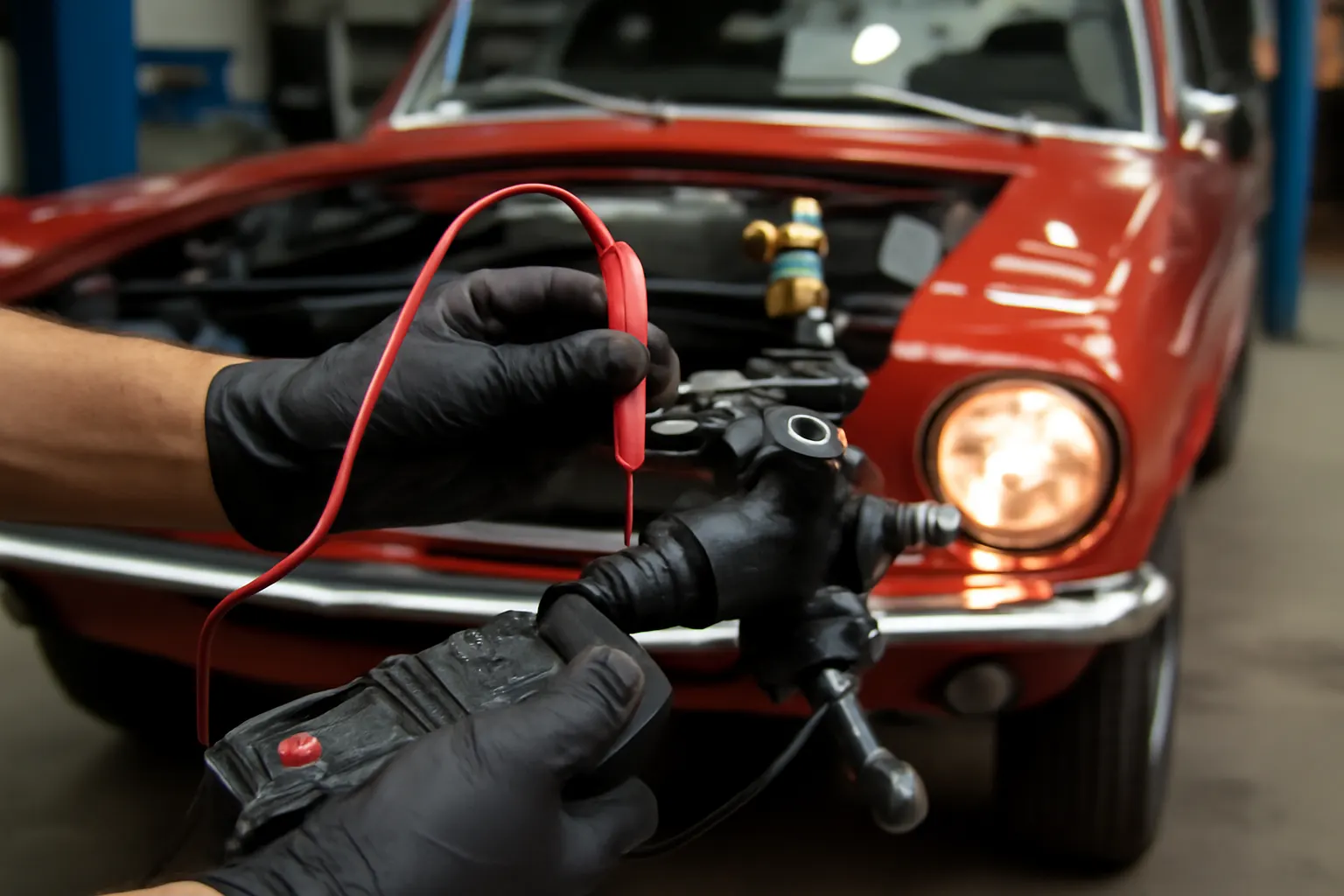
Classic Car Steering: Why the Control Valve Matters
Classic car ownership is a rewarding journey, but few realize how central the power steering control valve is to the smooth, effortless steering these vintage machines are known for. If you’re experiencing stiff steering, leaks, or unpredictable handling, the control valve is often the hidden culprit. Understanding its function, challenges, and maintenance is crucial for anyone serious about preserving the authentic driving feel of a classic vehicle.
Read More
How to Replace a Power Steering Control Valve
The power steering control valve is a precision hydraulic component, typically found in classic cars and trucks with hydraulic steering assist. It directs fluid pressure to the appropriate side of the steering cylinder based on driver input. Over time, internal seals can wear, valves can stick, and leaks may develop—leading to hard steering, wandering, excessive steering effort, or puddles of fluid under your vehicle. Replacing a failing control valve restores safe, predictable handling and prevents further component damage.
View Guide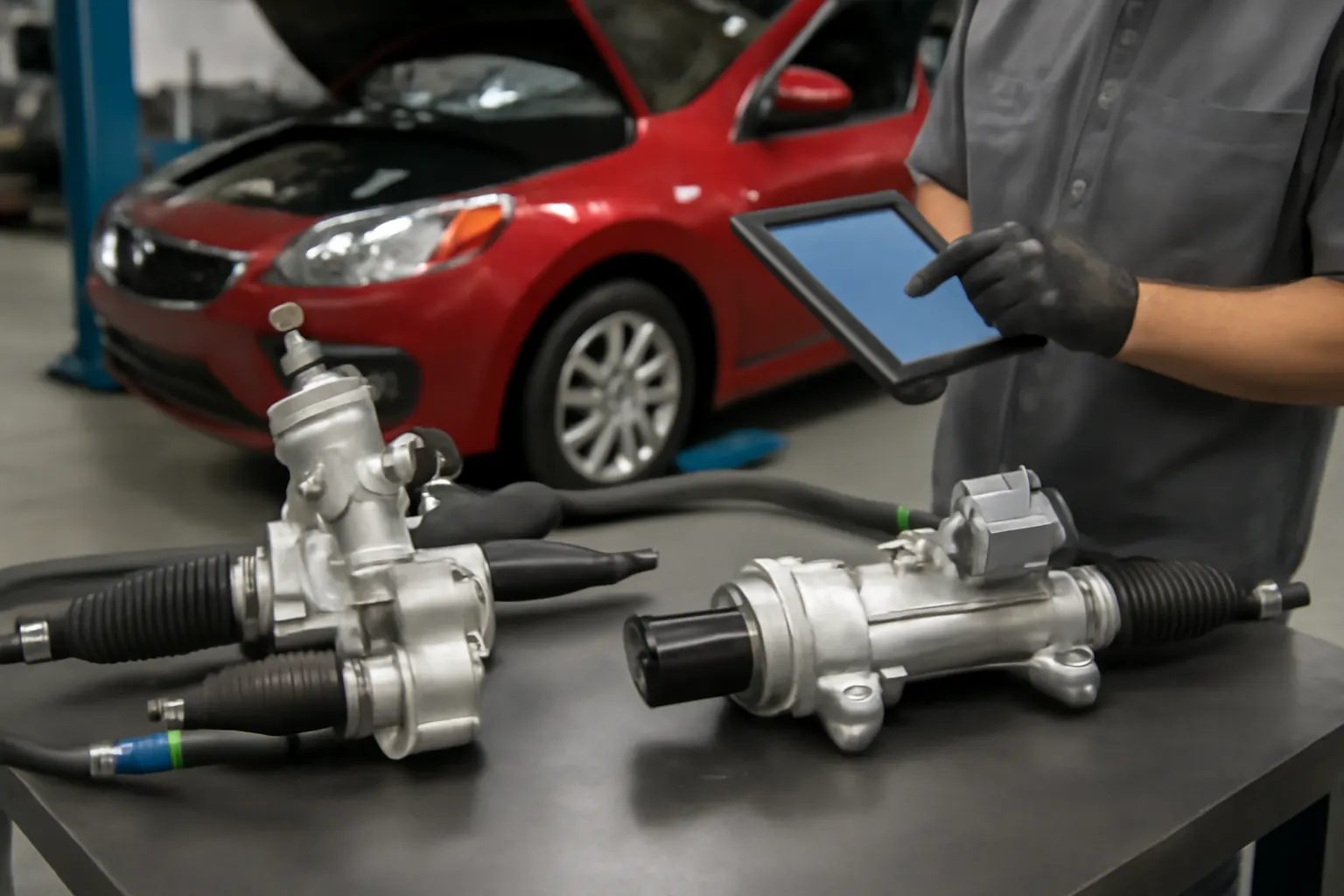
Hydraulic vs. Electric Power Steering: Pros, Cons, and Maintenance
Modern vehicles rely on power steering systems for precise, effortless control—whether you’re navigating a tight city corner or maneuvering a full-size SUV at highway speeds. Two dominant technologies underpin these systems: hydraulic power steering (HPS), the traditional standard, and electric power steering (EPS), which is now prevalent in newer models. Choosing between them impacts not only steering feel and reliability but also fuel efficiency, ongoing maintenance, and long-term ownership costs.
Read More