
Pickup Bed Floor
Understanding and Replacing Your Pickup Bed Floor
A pickup bed floor often goes unnoticed until damage or wear becomes a real concern. Yet, its condition affects more than just appearance—it can impact cargo safety, resale value, and even the structural integrity of your truck. Whether you're considering a replacement or simply want to understand your options, knowing what to look for and how to approach this repair is essential for any truck owner.
Showing 1–1 of 1 products
More Pickup Bed Floor options
Filtering for Pickup Bed FloorBrowse nearby inventory for this category without leaving the page. Use search to filter by price, part number, or city.
No Data Available
Please check back soon when more inventory is available for this part.
Understanding and Replacing Your Pickup Bed Floor
Why the Pickup Bed Floor Deserves Closer Attention
Many truck owners focus on engine performance, tires, or exterior paint, rarely giving much thought to the pickup bed floor. However, this component quietly bears the brunt of daily use—hauling tools, equipment, and materials. Over time, even light-duty use can cause scratches, dents, or corrosion that may go unnoticed until they become significant problems. By the time visible damage appears, underlying issues may already be compromising the bed’s function and your truck’s value.
Ignoring the pickup bed floor can lead to more than cosmetic concerns. Water intrusion, rust, and weakened structural areas can develop slowly. These issues may not be obvious from a quick glance, especially if a bed liner or mat is installed. For those who use their truck for work or recreation, the bed floor’s condition directly affects how well it protects cargo and withstands daily stress. This is why a proactive approach matters, even if there are no immediate signs of trouble.
Another overlooked aspect is how the bed floor’s state can influence future repairs or upgrades. If you plan to install a new liner, tie-downs, or accessories, underlying damage can complicate installation or reduce effectiveness. In some cases, unnoticed corrosion or warping can even lead to safety concerns if heavy loads are transported. Understanding the condition of your pickup bed floor now can save time, money, and frustration down the road.

Common Issues Affecting Pickup Bed Floors
Pickup bed floors are exposed to a unique set of challenges compared to other vehicle components. From the moment a truck leaves the dealership, its bed is expected to handle a variety of loads—everything from landscaping materials to construction debris. This constant exposure to shifting cargo, moisture, and temperature fluctuations can accelerate wear. Even with protective coatings, the repeated impact and abrasion can break down factory finishes and expose metal to the elements.
One of the most prevalent problems is corrosion. Steel bed floors, in particular, are susceptible to rust when paint or coatings are chipped or scratched. Moisture trapped beneath liners or mats can worsen the situation, allowing rust to spread unseen. Aluminum and composite beds offer some resistance but are not immune to dents or structural fatigue, especially under heavy use. Over time, weakened areas may flex or deform, reducing the bed’s load-carrying capacity.
Physical damage is another issue. Dropping heavy tools, sliding pallets, or even routine loading and unloading can create dents or gouges. These not only mar the surface but can also compromise the bed’s integrity. In severe cases, deep dents may interfere with the installation of accessories or even lead to cracks. For trucks that see frequent use in rugged environments, the risk of such damage increases significantly.
Water intrusion is a silent threat to pickup bed floors. Rainwater, snow, and spilled liquids can seep through seams or accumulate under liners. If drainage is inadequate, standing water accelerates corrosion and can even lead to mold or mildew. Over time, this moisture can permeate welds and seams, leading to more extensive repairs. Regular inspection and cleaning are essential to prevent these issues from escalating.
The condition of the bed floor can also impact resale value. Prospective buyers often inspect the bed for signs of abuse or neglect, as it provides clues about the truck’s overall care. A bed floor riddled with rust, holes, or deep dents may raise concerns about hidden damage elsewhere. In contrast, a well-maintained or recently replaced bed floor can enhance a vehicle’s appeal and command a higher price. For owners considering resale, this is a practical reason to address bed floor issues promptly. The Impact of Bed Floor Condition on Truck Resale Value discusses this relationship in more detail.
Finally, safety concerns should not be underestimated. A compromised bed floor can affect how cargo is secured, increasing the risk of shifting loads during transit. In extreme cases, structural weaknesses could lead to the bed floor collapsing under heavy weight, posing a hazard to both the vehicle and its occupants. Recognizing and addressing these issues early is key to maintaining both the utility and safety of your pickup.
How to Assess and Replace a Pickup Bed Floor
The first step in addressing pickup bed floor issues is a thorough inspection. Remove any bed liners, mats, or cargo to expose the entire surface. Look for visible signs of rust, dents, cracks, or warping. Pay special attention to seams, welds, and areas around tie-down points, as these are common spots for hidden damage. If you notice bubbling paint or soft spots, probe gently with a screwdriver to check for underlying corrosion.
Once you’ve identified the extent of the damage, consider your replacement options. Pickup bed floors are available in several materials, including steel, aluminum, and composite. Each has its own advantages and drawbacks. Steel is durable but prone to rust if not properly protected. Aluminum resists corrosion but can dent more easily. Composite materials offer excellent resistance to both rust and dents, though they may not be available for all models. Choosing Between Steel, Aluminum, and Composite Bed Floors provides a detailed comparison to help you decide.
Before purchasing a replacement bed floor, verify compatibility with your specific truck make, model, and year. Consult your owner’s manual, manufacturer specifications, or reputable parts catalogs. If possible, obtain the part number and compare it with the seller’s listing. Be cautious of generic or universal fit claims, as even minor differences in dimensions or mounting points can complicate installation. When in doubt, consult a professional or seek a second opinion, as recommended by the FTC FTC: Auto Repair Basics.
Gather the necessary tools and materials before beginning the replacement process. This typically includes basic hand tools, safety gear, and any hardware required for installation. Some bed floors come pre-drilled for mounting, while others may require custom fitting. If your truck has integrated features such as lighting, tie-downs, or storage compartments, plan for their removal and reinstallation. Document the process with photographs or notes to ensure proper reassembly.
Follow a step-by-step approach to replacement. Begin by disconnecting the battery if electrical components are involved. Remove any bolts, screws, or fasteners securing the old bed floor. Carefully lift out the damaged section, taking care not to damage adjacent panels or wiring. Clean and inspect the underlying structure for additional rust or damage. Address any issues before installing the new bed floor to prevent future problems.
Install the replacement bed floor according to manufacturer instructions. Align the new panel with mounting points and secure it using the appropriate hardware. Double-check fitment and make any necessary adjustments before fully tightening fasteners. Reinstall any removed accessories, wiring, or trim pieces. If using a salvage or used part, inspect it carefully for signs of wear or previous repairs, as advised by the FTC FTC: Auto Repair Basics.
After installation, consider applying a protective coating or liner to extend the life of your new bed floor. Options include spray-on liners, drop-in mats, or rubberized coatings. Each provides varying degrees of protection against moisture, abrasion, and impact. Regular cleaning and inspection will help maintain the bed floor’s condition and alert you to any developing issues. For more on protection strategies, see Protecting Your Truck Bed: Liners, Coatings, and Maintenance.
Finally, keep detailed records of the repair. Save receipts, photographs, and any written estimates or repair orders. This documentation can be valuable for warranty claims, future maintenance, or when selling your truck. The FTC also recommends obtaining a completed repair order listing the work performed, parts used, costs, and odometer readings FTC: Auto Repair Basics. This helps ensure transparency and protects your investment.
What the Evidence and Guidance Establish
The National Highway Traffic Safety Administration (NHTSA) provides a comprehensive recall database for vehicles and equipment, including pickup bed floors. Their guidance emphasizes the importance of checking for recalls using your vehicle’s VIN, as this is the only way to determine if a specific vehicle or component has an outstanding safety recall. However, searching by make and model yields only general recall information and does not confirm that your particular truck or bed floor is affected. This means that while the NHTSA database is a crucial resource, it does not substitute for a VIN-specific check or guarantee that a replacement part is free from defects NHTSA: Vehicle Recalls.
NHTSA also outlines the recall process, from owner complaints to investigations and manufacturer remedies. If a safety-related defect is identified in a pickup bed floor, the manufacturer is required to notify registered owners and provide a remedy, typically at no cost. However, the database does not list recalls that have already been addressed or those older than 15 years, except in rare cases. For buyers of replacement bed floors, this means that even if a part is not currently recalled, it is still important to verify its history and condition before installation NHTSA: Vehicle Recalls.
The Federal Trade Commission (FTC) offers practical advice for consumers facing auto repairs, including bed floor replacement. They recommend obtaining a written estimate that details the condition to be repaired, the parts needed, and anticipated labor charges. This ensures clarity and helps prevent misunderstandings about the scope or cost of the repair. The FTC also suggests seeking a second opinion for expensive or complicated repairs, which is especially relevant for structural components like the bed floor FTC: Auto Repair Basics.
The FTC distinguishes between new, remanufactured, and salvage parts. Salvage parts, which may be sourced from another vehicle without alteration, can offer cost savings but may carry unknown wear or damage. For pickup bed floors, this distinction is important—buying a used or salvage part requires careful inspection and documentation. The FTC advises getting a completed repair order listing all work, parts, costs, and odometer readings, further supporting transparency and consumer protection FTC: Auto Repair Basics.
Neither the NHTSA nor the FTC provides technical specifications or fitment guarantees for specific pickup bed floor models or years. This means that buyers must rely on manufacturer documentation, reputable parts catalogs, and direct comparison to ensure compatibility. The absence of a recall does not confirm that a part is defect-free, nor does a catalog listing guarantee fitment for your vehicle. This underscores the importance of due diligence and, when in doubt, seeking professional advice or verification.
The available evidence does not establish specific failure rates, repair costs, or owner experiences for pickup bed floors. Instead, it provides a framework for identifying potential issues, verifying part history, and ensuring a transparent repair process. For example, the FTC’s recommendations on written estimates and repair orders are applicable to any auto repair, including bed floor replacement, but do not imply that all sellers or installers follow these practices. As such, consumers should proactively request documentation and clarification at each step.
In summary, the published guidance from NHTSA and FTC supports a cautious, informed approach to pickup bed floor replacement. Use the VIN lookup for recall checks, obtain detailed estimates and repair orders, and verify part compatibility through official documentation. While these resources do not guarantee a specific part’s performance or fitment, they empower buyers to make better-informed decisions and reduce the risk of costly mistakes.
Take the Next Step Toward a Reliable Truck Bed
If your pickup bed floor shows signs of damage or you’re planning an upgrade, start by inspecting its condition and gathering the necessary information for a replacement. Use the VIN lookup for recall checks, compare material options, and request detailed estimates before committing to a repair. For further guidance, explore our Pickup Bed Floor catalog or review our step-by-step How to Replace a Pickup Bed Floor: Step-by-Step Guide. Taking these steps now can help ensure your truck remains safe, functional, and ready for any task.
References
- NHTSA: Vehicle Recalls
- FTC: Auto Repair Basics
References
- NHTSA: Vehicle Recalls - NHTSA, accessed 2026-11-01
- FTC: Auto Repair Basics - FTC, accessed 2026-11-01
Related Guides & Articles

How to Replace a Pickup Bed Floor: Step-by-Step Guide
If your pickup’s bed floor is rusted through, warped, or otherwise beyond reasonable repair, a full replacement is often the most reliable and cost-effective option. The process involves: Removing the bed from the frame or working in place (depending on truck design and extent of damage) Detaching the old bed floor by drilling out welds or unbolting fasteners Preparing and treating the underlying structure for rust and alignment Fitting, aligning, and securing the new bed floor panel Applying rust protection…
View Guide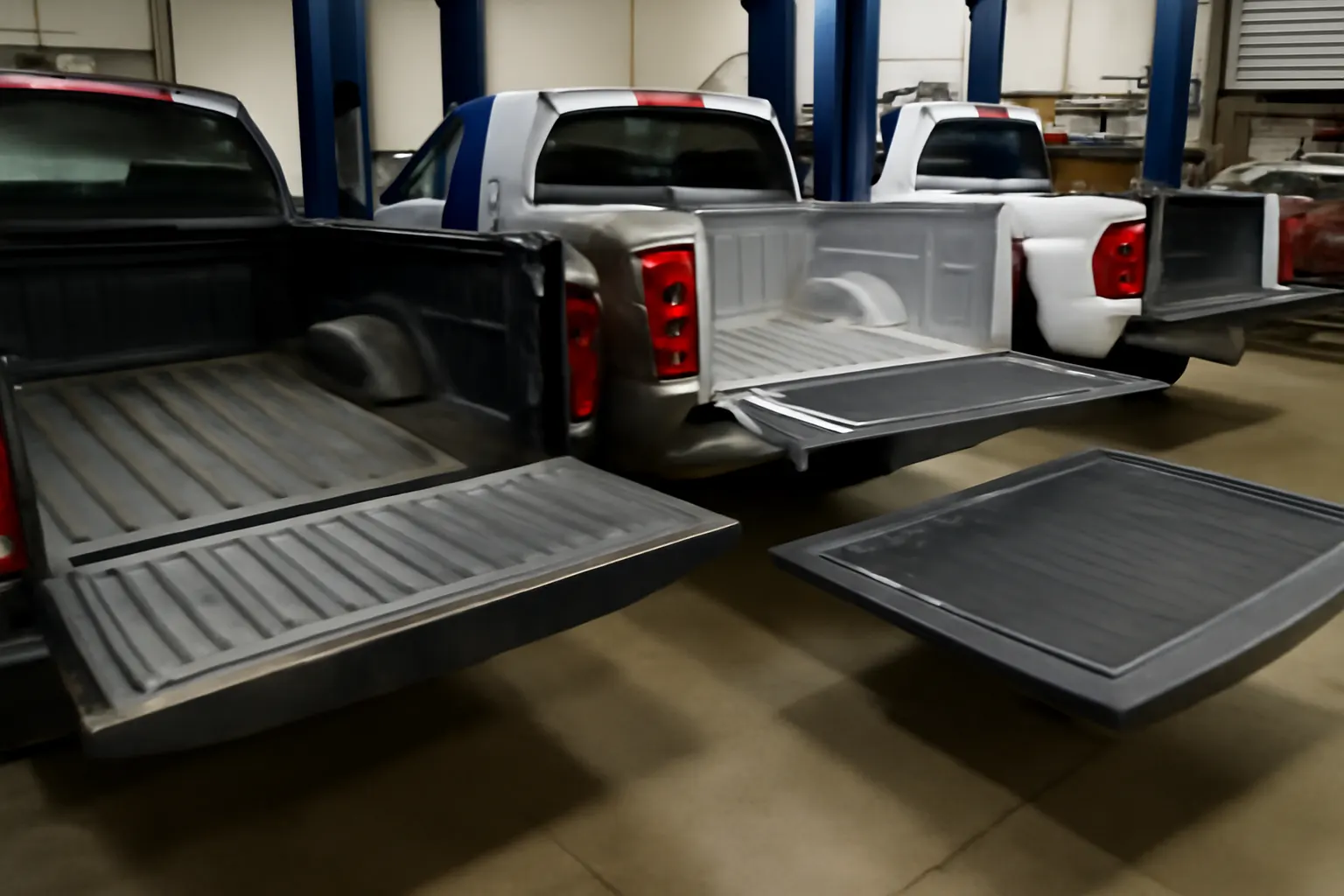
Choosing Between Steel, Aluminum, and Composite Bed Floors
When it comes to the structural backbone of your pickup truck, the bed floor’s material is a crucial decision point. Should you opt for the tried-and-true strength of steel, the lightweight efficiency of aluminum, or the innovative durability of composite materials? This guide delivers a clear, practical comparison to help you select the best pickup bed floor for your needs—whether that means heavy-duty hauling, maximizing fuel efficiency, or long-term corrosion resistance.
Read More
Protecting Your Truck Bed: Liners, Coatings, and Maintenance
The bed floor of your pickup is the primary contact surface for everything you haul—tools, equipment, landscaping materials, building supplies, and more. Without adequate protection, this surface is vulnerable to scratches, dents, rust, and chemical corrosion. These issues not only look unsightly but can compromise the structural integrity of your truck and diminish its resale value. While surface scratches and dents are easy to spot, the real threat often lies beneath.
View Guide
The Impact of Bed Floor Condition on Truck Resale Value
A pickup truck’s resale value is shaped by many factors, but few are as underestimated—and as critical—as the condition of its bed floor. Whether you’re a fleet manager, independent seller, or trade-in customer, understanding how the state of your truck’s bed floor impacts its market value is essential for maximizing returns. A well-maintained pickup bed floor is not just about aesthetics; it signifies structural integrity, utility, and the owner’s care for the vehicle—all key signals for buyers and dealers.
Read More