
Headlight Cover (Plastic)
Understanding and Replacing Plastic Headlight Covers
Plastic headlight covers are often overlooked until visibility or appearance suffers. Many drivers don’t realize how much these covers contribute to safe driving and vehicle aesthetics. This page explores why headlight covers matter, the issues that arise with aging plastic, and how to make informed choices when repair or replacement is needed. Evidence-based guidance and practical steps help you protect your investment and stay safe on the road.
Showing 1–8 of 8 products


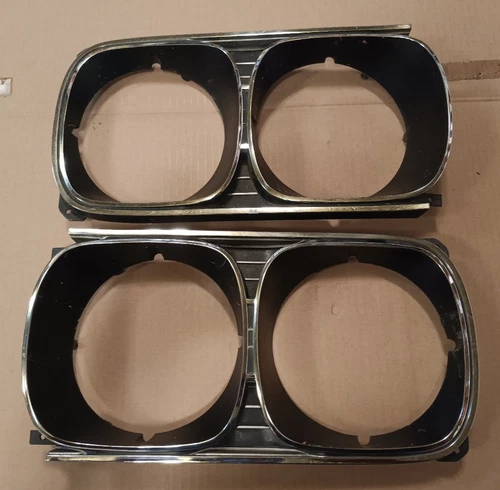


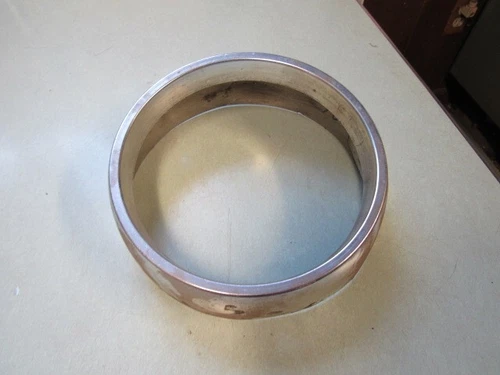
More Headlight Cover (Plastic) options
Filtering for Headlight Cover (Plastic)Browse nearby inventory for this category without leaving the page. Use search to filter by price, part number, or city.
No Data Available
Please check back soon when more inventory is available for this part.
Understanding and Replacing Plastic Headlight Covers
Why Plastic Headlight Covers Deserve More Attention
Most vehicle owners rarely think about their plastic headlight covers until a problem appears. These transparent shields protect the headlight bulbs from road debris, weather, and everyday wear, but their importance is often underestimated. Over time, exposure to sunlight, chemicals, and impacts can degrade the plastic, affecting both the look and function of your headlights. This can lead to reduced visibility at night or in poor weather, making driving more hazardous. Recognizing the role of headlight covers is the first step toward maintaining your vehicle’s safety and value.
Ignoring headlight cover condition can have subtle but significant consequences. Cloudy, yellowed, or cracked covers scatter light, reducing the effectiveness of your headlights. This not only diminishes your ability to see the road but also makes your vehicle less visible to others. Many drivers only notice the problem during inspections or after a failed safety check, missing earlier opportunities for simple maintenance or restoration. By paying attention to your headlight covers before issues become severe, you can avoid unnecessary risks and expenses.
Aesthetic appeal is another overlooked factor. Clear, well-maintained headlight covers contribute to your vehicle’s overall appearance, while damaged or discolored covers can make even a well-kept car look neglected. For those considering resale or trade-in, first impressions matter, and headlights are among the first features noticed. Understanding the dual role of headlight covers in safety and style can motivate proactive care, saving time and money in the long run.

Common Issues with Plastic Headlight Covers
Plastic headlight covers are susceptible to a range of problems as vehicles age. The most common issue is yellowing, caused primarily by prolonged exposure to ultraviolet (UV) light. UV rays break down the outer layer of polycarbonate plastic, leading to discoloration and loss of clarity. This process is gradual and often goes unnoticed until the covers become visibly hazy or yellow. In addition to UV exposure, road debris, salt, and chemicals from car washes can scratch and pit the surface, further reducing transparency and effectiveness.
Cracks and chips present another frequent problem, especially in regions with gravel roads or harsh winters. Impact from stones or ice can fracture the plastic, creating entry points for moisture and dirt. Once compromised, the cover’s ability to protect the headlight assembly is diminished, potentially leading to bulb failure or electrical issues. These physical damages are not just cosmetic—they can accelerate further deterioration and affect headlight performance.
Condensation inside the headlight assembly is often linked to damaged or poorly sealed covers. When cracks or gaps develop, moisture can seep in, fogging up the lens and sometimes causing corrosion of internal components. This not only impairs light output but can also lead to more costly repairs if left unaddressed. Regular inspection of headlight covers for signs of damage or improper fitment is essential to prevent these cascading issues.
Regulatory compliance is another consideration. Many states require headlights to emit a certain level of light output for safety inspections. Cloudy or yellowed covers can cause a vehicle to fail these checks, resulting in fines or the need for immediate repairs. Even if your headlights seem adequate, diminished output may not meet legal standards, especially on older vehicles. Ensuring your headlight covers are clear and intact helps maintain compliance and avoids unexpected setbacks.
Replacement challenges can arise due to variations in headlight cover design across makes, models, and years. Not all covers are interchangeable, and subtle differences in shape or mounting points can complicate the search for a suitable replacement. Some vehicles, especially rare or classic models, may require custom or hard-to-find parts. This makes it crucial to verify compatibility before purchasing a new cover, as incorrect fitment can lead to leaks, poor alignment, or even damage to the headlight assembly.
Finally, cost considerations can influence decisions about repair or replacement. While restoring clarity with a headlight restoration kit is often possible for minor yellowing or haze, severe damage or cracking usually necessitates a full replacement. The price of new covers varies widely depending on the vehicle and whether you choose OEM or aftermarket options. Factoring in labor costs, potential downtime, and the risk of repeat issues helps inform whether repair or replacement is the best course of action for your situation.
Practical Steps for Diagnosing and Addressing Headlight Cover Issues
Begin by conducting a thorough inspection of your headlight covers. Look for signs of yellowing, cloudiness, cracks, chips, or moisture inside the assembly. Use a flashlight to check for internal condensation or corrosion, which may indicate a compromised seal. Document any damage with photos to help when seeking advice or comparing replacement options. If you notice significant discoloration or physical damage, further action is likely needed to restore safety and appearance.
For minor yellowing or surface haze, restoration may be a practical first step. Headlight restoration kits are widely available and typically include abrasives, polishing compounds, and UV sealants. Follow the instructions carefully, working in a shaded area to avoid rapid drying of products. Restoration can often restore clarity and extend the life of the covers, but it is not a permanent solution for deeply pitted or cracked lenses. Evaluate the results after cleaning—if clarity is not substantially improved, replacement may be necessary.
If replacement is required, start by identifying the exact make, model, and year of your vehicle. Use your vehicle identification number (VIN) to ensure accuracy, as headlight cover designs can change even within the same model line. Consult your owner’s manual or manufacturer resources for part numbers and specifications. When searching for replacements, compare the shape, mounting points, and included hardware to your existing covers to avoid compatibility issues. Consider both OEM and aftermarket options, weighing factors like price, warranty, and availability.
When selecting a replacement, review seller photographs and product descriptions carefully. Look for clear images of the mounting tabs, contours, and any included seals or gaskets. If possible, request additional photos or clarification from the seller to confirm fitment. Salvage parts can be a cost-effective option, especially for older vehicles, but inspect them for signs of wear or previous repairs. Always verify the return policy in case the part does not fit or meet your expectations.
Installation can often be completed with basic hand tools, but the process varies by vehicle. Remove the old cover by loosening mounting screws or clips, taking care not to damage adjacent trim or wiring. Clean the headlight assembly thoroughly before installing the new cover, removing any debris or old adhesive. Align the new cover carefully and secure it according to the manufacturer’s instructions. Test the headlights afterward to ensure proper alignment and light output.
If you are uncertain about compatibility or installation, consider consulting a professional technician. The Federal Trade Commission recommends obtaining a written estimate for any repair work, including a breakdown of parts and labor costs. Ask whether the technician has experience with your specific make and model, and compare recommendations with your vehicle’s maintenance schedule. For expensive or complicated repairs, a second opinion can provide peace of mind and help avoid unnecessary expenses FTC: Auto Repair Basics.
Preventive maintenance can help extend the life of new or restored headlight covers. Park in shaded areas or use a car cover to reduce UV exposure. Wash your headlights regularly with mild soap and water, avoiding harsh chemicals that can degrade the plastic. Apply a UV-protective sealant after restoration or installation to slow future yellowing. Inspect the covers periodically for new damage or signs of moisture, addressing issues promptly to prevent escalation.
For rare or classic vehicles, sourcing the correct headlight cover may require additional research. Specialty suppliers, salvage yards, and enthusiast forums can be valuable resources for hard-to-find parts. Document your vehicle’s specifications and any unique features to aid in the search. When using salvage parts, verify their condition and provenance to avoid surprises. Patience and diligence are key when dealing with uncommon models, but the effort can yield authentic, high-quality replacements that preserve your vehicle’s originality.
Evidence and Guidance from Trusted Sources
The National Highway Traffic Safety Administration (NHTSA) provides authoritative guidance on vehicle safety and recalls. Their recall database allows consumers to check if a specific vehicle or equipment, such as headlight covers, is subject to a safety recall. By searching with your VIN or license plate, you can determine whether your vehicle has any unrepaired recalls related to lighting equipment. However, a recall lookup does not confirm that your headlight cover is defective or incompatible; it only identifies open manufacturer recalls that require action NHTSA: Vehicle Recalls.
NHTSA outlines a comprehensive process for investigating safety defects, beginning with consumer complaints and potentially leading to formal recalls. If multiple owners report similar issues, such as widespread headlight cover failures, NHTSA may initiate an investigation. This process ensures that manufacturers address safety-related defects promptly and provide remedies, including repair or replacement. Vehicle owners are notified by mail if a recall is issued, and repairs are typically performed free of charge. However, most headlight cover issues are not subject to recall unless they pose a significant safety risk NHTSA: Vehicle Recalls.
The Federal Trade Commission (FTC) offers detailed consumer advice on auto repairs and parts selection. Their guidance emphasizes the importance of obtaining written repair estimates, understanding the difference between new, remanufactured, and salvage parts, and verifying technician experience with your vehicle type. The FTC does not provide technical specifications or endorse specific products, but their recommendations help consumers make informed decisions and avoid misunderstandings during repairs FTC: Auto Repair Basics.
According to the FTC, salvage parts—such as used headlight covers—are sourced from other vehicles without alteration. While these can be cost-effective, buyers should inspect them for wear, damage, or signs of previous repairs. The FTC also advises comparing shop recommendations with the manufacturer’s maintenance schedule and asking for explanations if extra services are proposed. There is no standard warranty on repairs, so consumers should clarify coverage and obtain documentation before proceeding FTC: Auto Repair Basics.
Neither NHTSA nor the FTC establishes a specific failure rate or expected lifespan for plastic headlight covers. Their resources focus on safety, consumer rights, and best practices rather than technical performance data. This means buyers must rely on physical inspection, seller information, and compatibility checks when selecting replacement covers. If technical evidence is unavailable, requesting detailed photographs and comparing mounting points and dimensions is essential to avoid fitment issues.
NHTSA’s recall process demonstrates the importance of monitoring for manufacturer communications regarding lighting equipment. While most headlight cover problems are not recall-related, staying informed about potential safety campaigns can help owners address issues before they escalate. Registering your vehicle with NHTSA or using their SaferCar app ensures you receive timely notifications about relevant recalls or investigations NHTSA: Vehicle Recalls.
In summary, the evidence supports a careful, step-by-step approach to diagnosing and addressing headlight cover problems. Use official resources to check for recalls, follow FTC guidance for repairs and parts selection, and document all work performed. While there is no single standard for headlight cover performance, these practices help ensure safety, compliance, and satisfaction with your replacement or restoration project.
Take the Next Step for Clearer, Safer Headlights
Don’t wait until visibility or safety is compromised—inspect your plastic headlight covers today. If you notice yellowing, cracks, or moisture, use the practical steps and evidence-based guidance on this page to choose the right restoration or replacement solution. Explore our Headlight Cover (Plastic) inventory, review Restoring Headlight Clarity: Step-by-Step Guide, or learn more about Choosing OEM vs. Aftermarket Headlight Covers to make an informed decision. Protect your investment and drive with confidence—clear headlights are just a step away.
References
- NHTSA: Vehicle Recalls
- FTC: Auto Repair Basics
References
- NHTSA: Vehicle Recalls - NHTSA, accessed 2026-11-01
- FTC: Auto Repair Basics - FTC, accessed 2026-11-01
Related Guides & Articles

Restoring Headlight Clarity: Step-by-Step Guide
Plastic headlight covers are standard on virtually all modern vehicles, chosen for their lightweight, impact resistance, and optical performance. Over time, however, exposure to UV radiation, road debris, chemicals, and weather can degrade these covers, leading to clouding, yellowing, or hazing. This deterioration does more than diminish your car’s appearance—it directly impacts nighttime visibility and safety, as confirmed by the National Highway Traffic Safety Administration. Most modern headlights use polycarbonate plastic covers, engineered for strength and optical clarity.
View Guide
Why Headlight Covers Yellow and How to Prevent It
Yellowing headlight covers are a universal frustration for vehicle owners, impacting not just the look of your car, but—more critically—its safety and lighting performance. If you’ve noticed your headlight covers turning cloudy, yellow, or hazy, you are not alone. This guide delivers immediate answers, uncovers the hidden risks, and provides a detailed, technical breakdown of why headlight covers yellow and how you can prevent it—ensuring your lighting system remains clear and effective for the long haul.
Read More
Choosing OEM vs. Aftermarket Headlight Covers
When your vehicle’s headlight covers become cloudy, cracked, or yellowed, replacing them is essential for safety, visibility, and aesthetics. The immediate question most owners face: should you invest in Original Equipment Manufacturer (OEM) headlight covers, or are aftermarket options a practical alternative? This guide delivers a deep, technical, and practical comparison—empowering you to make the right choice for your vehicle, budget, and driving needs.
View Guide
Headlight Cover Replacement for Rare and Classic Cars
Replacing headlight covers on rare and classic cars is often a necessity, not just for aesthetics but for visibility, safety, and the preservation of your vehicle’s value. The right approach can restore clarity and protection to your lighting system, but sourcing and installing these parts—especially for discontinued or obscure models—presents unique challenges.
Read More