
Fender Extension/Flare
Understanding and Choosing the Right Fender Extension/Flare
Fender extensions and flares are often overlooked until you notice the impact they have on your vehicle’s appearance and protection. Whether you’re considering an upgrade for style, compliance, or practical reasons, understanding the role of these parts can help you make a confident choice. This guide walks you through what to know, what to watch for, and how to ensure you select the right fender extension or flare for your needs.

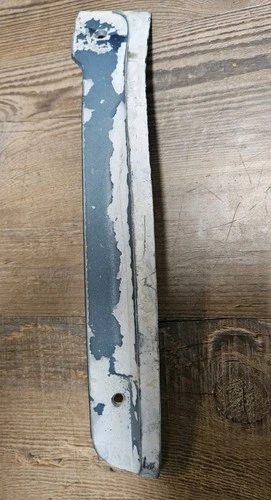
More Fender Extension/Flare options
Filtering for Fender Extension/FlareBrowse nearby inventory for this category without leaving the page. Use search to filter by price, part number, or city.
No Data Available
Please check back soon when more inventory is available for this part.
Understanding and Choosing the Right Fender Extension/Flare
Why Fender Extensions and Flares Deserve a Closer Look
Many vehicle owners rarely think about their fender extensions or flares until damage occurs or a new accessory catches their eye. However, these components play a subtle yet crucial role in both the appearance and function of your car or truck. Beyond aesthetics, they can protect your paint, reduce road spray, and help your vehicle comply with local regulations. By giving fender extensions and flares more attention, you can avoid overlooked issues and make smarter decisions when it’s time to repair or upgrade.
It’s easy to assume that all fender flares are created equal or that any extension will fit your specific make and model. In reality, these parts vary significantly in design, material, and fitment. A poorly chosen or installed flare can lead to rust, unwanted noise, or even legal trouble if your vehicle no longer meets width or coverage requirements. Taking a closer look at your options early can save you time, money, and frustration down the road.
Another overlooked consideration is the impact that fender extensions and flares have on resale value and insurance. Modifications that aren’t compliant with local laws or that look out of place can make your vehicle harder to sell or insure. By understanding the details of these components, you can ensure your investment improves both the look and value of your vehicle, rather than causing unexpected headaches.
Common Issues and Considerations with Fender Extensions/Flares
Fender extensions and flares are designed to extend the coverage of your vehicle’s wheel wells, protecting the body from debris, mud, and water. Over time, these parts can become damaged due to impacts, weather exposure, or improper installation. Cracked, warped, or loose flares not only detract from your vehicle’s appearance but can also expose underlying metal to corrosion. Recognizing the signs of wear early is essential to maintaining both the look and function of your vehicle.
Fitment is one of the most common challenges when replacing or upgrading fender extensions. Even within the same make and model, trim levels and year-to-year changes can affect compatibility. Relying solely on catalog names or visual similarity can result in purchasing a part that doesn’t align correctly, leading to installation headaches or the need for costly modifications. Always check for precise fitment information and, when possible, compare the part to your existing extension before committing to a purchase.
Another issue arises from the variety of materials used in fender flares and extensions. Some are made from flexible plastics, while others use rigid composites or even metal. Each material offers different levels of durability, UV resistance, and ease of painting. Choosing the wrong material for your driving environment—such as using a brittle plastic in cold climates—can lead to premature failure. Understanding the pros and cons of each type helps ensure your new flare lasts as long as possible.
Legal compliance is a less obvious but equally important concern. Many states and municipalities have regulations requiring that tires be fully covered to prevent debris from being thrown onto other vehicles. Installing aftermarket flares that are too narrow or removing factory extensions can put your vehicle out of compliance, potentially resulting in fines or failed inspections. Before making changes, review local laws and ensure your chosen part provides adequate coverage.
Fender extensions and flares can also impact your vehicle’s aerodynamics and fuel efficiency, especially if they add significant width or weight. While the effect is often minor for daily drivers, off-road enthusiasts or those with lifted vehicles may notice increased wind noise or drag. Balancing style, protection, and performance is key when selecting a new extension or flare. Consider your driving habits and environment to choose the best option for your needs.
Finally, installation challenges can arise even with parts that are marketed as direct replacements. Fastener locations, mounting hardware, and required tools can vary widely. Some flares require drilling or cutting, while others use adhesive or bolt-on systems. Improper installation can lead to rattling, leaks, or even loss of the flare while driving. Carefully review the installation process before purchasing and consider professional help if you’re unsure about your skills.
How to Select, Diagnose, and Replace Fender Extensions/Flares
Selecting the right fender extension or flare begins with accurate identification of your vehicle’s year, make, and model. Use your vehicle identification number (VIN) to confirm details, as even small differences can affect fitment. Many parts catalogs allow you to search by VIN, which helps ensure compatibility. If you’re unsure, consult your owner’s manual or a trusted parts specialist before making a purchase. Taking this step can prevent costly returns and installation problems.
Once you’ve identified the correct part, examine the material and finish options available. Consider your typical driving conditions: flexible plastics are often better for off-road use, as they resist cracking from impacts, while rigid composites or metal may offer a more polished look for street vehicles. If you plan to paint the flare to match your vehicle, check that the surface is paintable and compatible with your chosen paint type. Some flares come pre-finished, while others require preparation.
Before removing your old fender extension, inspect it for signs of damage or improper installation. Look for cracks, missing fasteners, or evidence of rust around mounting points. Document the existing setup with photos, which can help during reinstallation. Carefully remove the old extension, noting the type and location of each fastener. Clean the mounting area thoroughly to ensure a secure fit for the new part and to prevent trapping moisture against the body.
Test-fit the new extension or flare before final installation. Align it with the mounting points and verify that all holes and edges match your vehicle’s contours. If the part requires drilling or modification, double-check measurements and mark locations carefully. Use the hardware provided by the manufacturer, as substitutions can compromise fit or durability. Follow any included instructions closely, and consult online guides or videos for additional tips if needed.
If you encounter resistance or misalignment during installation, stop and reassess. Forcing a part into place can cause cracks or stress points that lead to premature failure. Compare the new part to the original and verify that you received the correct item. If necessary, contact the seller or manufacturer for clarification or replacement. Taking your time during installation helps ensure a long-lasting, trouble-free result.
After installation, inspect the extension or flare for gaps, loose edges, or uneven fit. Check that all fasteners are secure and that the part does not interfere with wheel movement or suspension travel. If you notice excessive movement or vibration while driving, recheck the installation and tighten any loose hardware. Periodically inspect the flare for signs of wear, especially after off-road use or exposure to harsh weather.
For those unsure about tackling installation themselves, professional help is a worthwhile investment. Many auto body shops offer installation services for fender extensions and flares, ensuring proper fit and finish. Ask about their experience with your specific vehicle and request a written estimate before work begins, as recommended by the FTC. This approach can provide peace of mind and help avoid costly mistakes FTC: Auto Repair Basics.
Finally, keep records of your new part and installation, including receipts and any warranty information. This documentation can be valuable if you encounter issues later or if you sell your vehicle. Regularly check for recalls or service bulletins related to your fender extensions, as manufacturers occasionally update parts or issue safety notices. Staying informed helps you address potential problems before they become serious.
What the Evidence Says About Fender Extensions and Flares
The National Highway Traffic Safety Administration (NHTSA) provides a comprehensive recall database that allows vehicle owners to check for open recalls related to their vehicle or specific equipment, including fender extensions and flares. By searching with your VIN, you can determine if your vehicle has any unrepaired recalls, which is crucial for safety and compliance. However, it’s important to note that a recall lookup only confirms whether a recall exists for your specific vehicle—it does not guarantee that a particular part is defective or that every owner will experience a problem NHTSA: Vehicle Recalls.
The NHTSA database also clarifies that searching by year, make, and model provides general recall information, not specific fitment or defect confirmation for every part. This means that while you can identify trends or known issues for certain vehicles, you must use your VIN for the most accurate and up-to-date information. The system does not cover recalls more than 15 years old, recalls already repaired, or those from certain specialty manufacturers. For fender extensions and flares, this means you should check regularly and not assume that no news is always good news NHTSA: Vehicle Recalls.
If you do receive a recall notice for your fender extension or flare, the NHTSA outlines a clear process for resolution. Manufacturers are required to notify registered owners and offer a remedy, which could include repair, replacement, or refund. Owners should follow interim safety guidance and contact their local dealership to address the recall at no cost. This process underscores the importance of registering your vehicle and keeping your contact information up to date to ensure you receive timely notifications NHTSA: Vehicle Recalls.
For general repairs and replacements, the Federal Trade Commission (FTC) advises consumers to obtain a written estimate before agreeing to any work. This estimate should detail the condition to be repaired, required parts, and anticipated labor charges. The FTC also recommends asking whether the technician has experience with your specific make and model, which is particularly relevant for fender extensions and flares due to the wide variety of designs and mounting systems FTC: Auto Repair Basics.
The FTC further distinguishes between new, remanufactured, and salvage parts. Salvage parts are taken from other vehicles without alteration, which can be an economical choice for older models or rare trims. However, buyers should be aware that there is no standard warranty on repairs or parts—coverage varies by seller and must be confirmed in writing. This is especially important for fender extensions and flares, where improper fit or hidden damage can lead to additional costs down the line FTC: Auto Repair Basics.
Neither the NHTSA nor the FTC provides technical specifications or direct recommendations for specific fender extension or flare models. Instead, they emphasize the importance of using accurate vehicle information, understanding your rights, and documenting all repairs and replacements. For buyers, this means relying on reputable sellers, checking compatibility carefully, and keeping thorough records. If in doubt, seek a second opinion or consult a professional installer to avoid common pitfalls NHTSA: Vehicle Recalls; FTC: Auto Repair Basics.
In summary, the available evidence highlights the need for vigilance and documentation when selecting and installing fender extensions and flares. While no widespread defect or failure rate is established for these parts, following best practices—such as checking for recalls, obtaining written estimates, and verifying fitment—can help ensure a successful outcome. By combining official guidance with careful research, you can confidently upgrade or replace your fender extensions and flares.
Take the Next Step Toward a Confident Fender Flare Upgrade
Ready to improve your vehicle’s protection and style? Start by confirming your vehicle details and reviewing the latest recall and compliance information. Explore our Fender Extension/Flare category for a wide range of options, and consult our guides on How to Select the Right Fender Flare for Your Vehicle and Fender Flare Installation: Step-by-Step Instructions for expert tips. If you have questions or need help with fitment, don’t hesitate to contact a professional or your local shop for a second opinion. Your attention to detail now can save time and money later.
References
- NHTSA: Vehicle Recalls
- FTC: Auto Repair Basics
References
- NHTSA: Vehicle Recalls - NHTSA, accessed 2026-11-01
- FTC: Auto Repair Basics - FTC, accessed 2026-11-01
Related Guides & Articles

How to Select the Right Fender Flare for Your Vehicle
When choosing a fender flare, prioritize three core factors: Vehicle Compatibility: Ensure the flare is designed for your year, make, and model. Material and Durability: Choose a material that fits your environment and usage—ABS plastic, polyurethane, fiberglass, or steel each have advantages. Legal and Regulatory Compliance: Verify that the flare meets local requirements for tire coverage and safety. Many vehicle owners focus solely on style or price, neglecting the technical and regulatory demands of fender extensions.
View Guide
The Impact of Fender Flares on Off-Road Performance
Fender flares are more than just a styling accessory—they are a vital protection and performance component for any off-road vehicle. Whether you're tackling rocky trails, muddy backroads, or sand dunes, the right fender extension or flare shields your vehicle from debris, enhances tire clearance, and even plays a role in vehicle compliance and safety. This guide explores exactly how fender flares impact off-road performance, what features matter most, and how to choose, install, and maintain them for maximum benefit.
Read More
Fender Flare Installation: Step-by-Step Instructions
Fender flares are essential accessories for many vehicles, providing protection from debris, enhancing off-road capability, and delivering a custom look. Whether you’re installing OEM or aftermarket fender flares, the process can be straightforward with the right approach, tools, and attention to detail. This guide from the AutoPartEx Technical Editorial Team delivers a comprehensive, step-by-step walkthrough for installing fender flares, including sealing and hardware tips to ensure a secure, weather-tight, and lasting fit.
View Guide
Fender Extensions and Vehicle Compliance: What You Need to Know
Fender extensions and flares are more than just cosmetic upgrades—they are critical components for ensuring your vehicle complies with legal requirements regarding tire coverage, road safety, and equipment standards. If you’re modifying your vehicle, especially with wider wheels or off-road tires, understanding the compliance landscape is essential to avoid fines, failed inspections, and compromised safety. This comprehensive guide will arm you with the knowledge to select, install, and maintain fender extensions that meet both style and regulatory demands.
Read More