
Engine Auto Parts
Engine Auto Parts: The Heart of Vehicle Performance and Reliability
Engine auto parts form the foundation of every vehicle’s performance, efficiency, and longevity. Whether you’re a daily commuter, a fleet manager, or a performance enthusiast, understanding the intricate network of components that make up your engine is crucial for optimal operation. From the Air Box/Air Cleaner to the cooling and accessory systems, each part plays a vital role in transforming fuel into motion and ensuring your vehicle runs smoothly.
Most drivers don’t realize that even a minor issue with a single engine component can reduce efficiency by up to 15%, increase emissions, or lead to catastrophic failure. For example, a clogged Air Box/Air Cleaner can starve the engine of air, while a failing AC Compressor can overwork the engine, leading to overheating. Over 60% of breakdowns are linked to neglected engine parts, yet many owners overlook routine checks and replacements.
Smart vehicle owners and technicians rely on quality engine auto parts and regular maintenance to prevent costly repairs. Upgrading to OEM or high-performance components, such as a new Air Box/Air Cleaner or a robust AC Compressor, can restore lost power and efficiency. AutoPartEx offers a comprehensive selection of engine parts, including brackets, fans, and condensers, making it easy to find the right fit for your vehicle. Explore our catalog for trusted brands like AMC, Acura, and Alfa to keep your engine running at its best.
Filters & Navigation
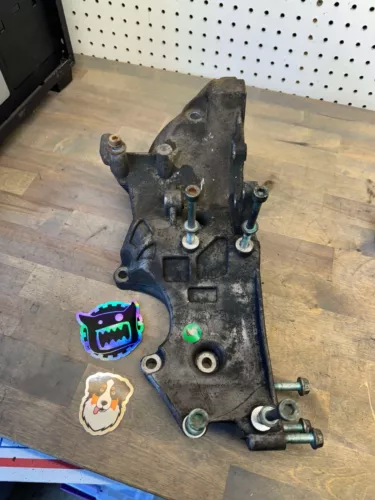
Complete Engine Auto Parts Technical Reference
Core Engine Components and Their Functions
The engine block, cylinder head, pistons, and crankshaft form the core of any internal combustion engine. The block houses the cylinders and supports the crankshaft, while the head contains the valvetrain and combustion chambers. Pistons transfer combustion force to the crankshaft, converting linear motion into rotational energy. Precision in machining and assembly is critical—tolerances are often within 0.01 mm to ensure optimal compression and oil control.
- Engine block: Provides structural integrity and houses cylinders.
- Cylinder head: Contains valves, camshafts, and combustion chambers.
- Pistons and rings: Seal combustion gases and transfer force.
- Crankshaft: Converts reciprocating motion to rotational power.
Accessory Systems: Air, Fuel, and Cooling
Supporting systems like the Air Box/Air Cleaner, fuel injectors, and cooling components ensure the engine operates efficiently. The air intake system filters and meters air, while fuel injectors deliver precise amounts of fuel. The AC Condenser and AC Condenser Fan manage engine temperature, preventing overheating and maintaining optimal combustion.
- Air intake: Ensures clean, measured airflow.
- Fuel system: Delivers atomized fuel for efficient combustion.
- Cooling system: Maintains engine temperature within 90-105°C.
- Accessory brackets: Secure components like the AC Compressor and AC Compressor Bracket.
Diagnostics, Upgrades, and Maintenance Best Practices
Modern engines require regular diagnostics using OBD-II tools and advanced sensors. Upgrading to performance parts or replacing worn components can yield measurable gains in horsepower, torque, and fuel economy. Maintenance intervals vary, but oil changes every 5,000 miles and air filter replacements every 15,000 miles are industry standards.
- Use scan tools to monitor engine health and detect faults.
- Upgrade to OEM or high-performance parts for reliability.
- Follow manufacturer-recommended service intervals.
- Document all repairs and replacements for warranty compliance.
Engineering Excellence & Technical Specifications
Technical Excellence Section
Engine blocks are cast or forged to withstand pressures exceeding 1,500 psi. Cylinder heads use multi-layer steel gaskets for superior sealing. Pistons are designed with low-friction coatings and precise ring lands, while crankshafts are balanced to within 1 gram for smooth operation.
Performance Analysis Section
Dynamometer testing reveals that high-quality air intake and cooling components can improve horsepower by 5–10% and reduce engine temperatures by up to 15°C. Upgraded brackets and accessory drives minimize parasitic losses, translating to measurable gains in fuel economy and throttle response.
Innovation & Technology Section
Modern engines utilize variable valve timing, direct injection, and lightweight materials to achieve higher power density and lower emissions. Advanced sensors and control modules monitor every aspect of engine operation, enabling predictive maintenance and real-time diagnostics.
Quality & Manufacturing Section
OEM engine parts undergo rigorous quality control, including X-ray inspection, laser measurement, and endurance testing. Aftermarket performance parts are often CNC-machined for tighter tolerances and use advanced alloys for improved strength and heat resistance.
Engine Auto Parts & Service Information
Engine Inspection and Replacement
Inspect engine components for wear, leaks, and abnormal noises. Replace worn parts such as belts, gaskets, and filters using OEM or high-quality aftermarket options. Follow torque specifications and use proper sealants to ensure leak-free assembly.
Difficulty: Moderate • Tools: Socket set, torque wrench, gasket scraper, service manual
Routine Engine Maintenance
Perform oil changes every 5,000 miles, replace air filters every 15,000 miles, and check coolant levels regularly. Use manufacturer-recommended fluids and parts to maintain warranty and performance.
Difficulty: Easy • Tools: Oil filter wrench, drain pan, funnel, replacement filters
Engine Diagnostics and Troubleshooting
Use OBD-II scanners to read fault codes and monitor live data. Check for misfires, sensor failures, and abnormal temperature readings. Address issues promptly to prevent further damage.
Difficulty: Moderate • Tools: OBD-II scanner, multimeter, scan tool, service manual
Professional Engine Service and Warranty
Consult certified technicians for complex repairs, rebuilds, or warranty claims. Keep detailed service records and use authorized parts to ensure coverage and resale value.
Difficulty: Expert • Tools: Service documentation, authorized repair facility, OEM parts
Related Guides & Articles
Engine Diagnostics: Identifying Common Issues
A comprehensive guide to diagnosing engine problems, from misfires to overheating, using modern tools and techniques.
View GuideHow to Choose the Right Engine Parts for Your Vehicle
Explore the factors that influence engine part selection, including OEM vs. aftermarket, compatibility, and performance upgrades.
Read MoreMaintaining Engine Cooling Systems
Step-by-step instructions for inspecting and replacing cooling components like the condenser and fan to prevent overheating.
View GuideThe Impact of Air Intake Upgrades on Engine Performance
Discover how upgrading your air box or cleaner can boost horsepower, torque, and fuel efficiency.
Read More