
Bed Side, Pickup
Bed Side, Pickup: What Buyers Should Know Before Replacing
Truck owners often overlook the importance of the bed side panel until damage occurs. Replacing a Bed Side, Pickup is not just about restoring appearance—it’s about maintaining structural integrity and protecting your investment. Before choosing a replacement, it’s crucial to understand the factors that influence quality, fitment, and long-term value. This guide walks you through the essential considerations, common issues, and evidence-based steps for a successful replacement process.
Showing 1–8 of 200 products


More Bed Side, Pickup options
Filtering for Bed Side, PickupBrowse nearby inventory for this category without leaving the page. Use search to filter by price, part number, or city.
No Data Available
Please check back soon when more inventory is available for this part.
Bed Side, Pickup: What Buyers Should Know Before Replacing
Why Bed Side Panels Deserve Closer Attention
When it comes to pickup trucks, the bed side panel is more than just a cosmetic feature. Many owners focus on engine performance or interior upgrades, but the bed side quietly endures daily wear, exposure to the elements, and unexpected impacts. Its role in protecting cargo and maintaining the structural rigidity of the truck bed is often underestimated. Ignoring its condition can lead to more significant issues down the line, including compromised safety and resale value.
The bed side panel is uniquely vulnerable to damage from routine loading, unloading, and exposure to road debris. Unlike other exterior parts, it is constantly exposed to impacts from shifting cargo, weather, and even minor collisions. Over time, even small dents or rust spots can expand, leading to more extensive and expensive repairs. Despite this, many truck owners delay addressing bed side damage until it becomes a serious problem.
A neglected or poorly repaired bed side panel can affect more than just the truck’s appearance. It may also allow moisture intrusion, leading to hidden rust and corrosion that weakens the truck bed’s structure. For those who use their pickups for work or recreation, a compromised bed side can reduce load capacity and jeopardize safety. Recognizing the importance of this component is the first step toward making informed repair or replacement decisions.

Understanding Bed Side, Pickup Damage and Its Implications
Bed side panels on pickup trucks are subject to a unique set of challenges. Unlike doors or hoods, they are integral to the structure of the truck bed and directly influence the vehicle’s ability to carry loads safely. Damage can occur from a variety of sources, including collisions, improper loading techniques, or even prolonged exposure to moisture and road salt. Over time, these factors can cause dents, cracks, or corrosion that compromise both function and appearance.
One overlooked aspect is how bed side damage can spread. A small dent or scratch might seem harmless, but it can quickly become a focal point for rust, especially if the paint is compromised. Once rust takes hold, it can spread beneath the surface, weakening the metal and potentially affecting adjacent components. This is particularly problematic in regions where road salt is used during winter months, accelerating the corrosion process.
In addition to structural concerns, damaged bed side panels can also affect the alignment of the truck bed. Misalignment may lead to issues with tailgate operation, tonneau cover fitment, or even the securement of cargo. For those who rely on their trucks for hauling, these problems can translate into lost productivity or increased risk of cargo damage. It’s not just about looks—it’s about the utility and safety of the vehicle.
Another consideration is the impact on resale value. Prospective buyers often scrutinize the condition of the bed and its panels, as visible damage can signal neglect or hidden issues. Even if the truck is mechanically sound, a damaged bed side can lower its market value and make it harder to sell. Addressing these issues promptly not only preserves your investment but also sends a message of responsible ownership.
Repairing or replacing a bed side panel is not always straightforward. The process can involve cutting, welding, and precise alignment to ensure a seamless fit. Depending on the extent of the damage, some repairs may be possible with body filler and paint, while others require full panel replacement. The choice between OEM and aftermarket parts adds another layer of complexity, as each option has its own advantages and potential drawbacks.
Finally, safety considerations cannot be ignored. A compromised bed side panel may not provide adequate protection in the event of a side impact or rollover. It can also affect the way the truck handles heavy loads, increasing the risk of accidents or further damage. Understanding these risks is essential for making informed decisions about repair or replacement, and for ensuring that your truck remains safe and reliable.
How to Choose and Replace a Bed Side, Pickup Panel
Selecting the right replacement for a damaged bed side panel involves several important steps. The first is to accurately assess the extent of the damage. Minor dents or scratches may be repairable with body filler, but significant rust, cracks, or structural damage typically require a full panel replacement. A thorough inspection, possibly with the help of a professional, will help determine the best course of action.
Once the need for replacement is established, the next step is to choose between OEM (original equipment manufacturer) and aftermarket panels. OEM panels are designed to match the exact specifications of your truck, often ensuring a better fit and finish. However, they can be more expensive and may have longer lead times. Aftermarket panels can offer cost savings and wider availability, but quality and fitment can vary significantly between manufacturers. Comparing options and reading reviews specific to your truck’s make and model is essential.
Before purchasing a replacement panel, it’s important to verify compatibility. This involves checking the year, make, and model of your truck, as well as any relevant trim or bed size variations. Many sellers provide detailed fitment guides, but it’s wise to cross-reference part numbers and consult with knowledgeable professionals if there is any doubt. An incorrect panel can lead to installation difficulties and may not provide the intended structural support.
Installation of a bed side panel is a complex process that typically involves removing the damaged panel, preparing the underlying structure, and attaching the new panel using welding or bolting methods. Proper alignment is crucial to ensure that the bed functions correctly and that the new panel integrates seamlessly with existing components. For those without experience in bodywork, professional installation is strongly recommended to avoid costly mistakes.
When considering repair shops or installers, the Federal Trade Commission (FTC) advises consumers to obtain a written repair estimate that details the condition to be repaired, the parts needed, and anticipated labor charges. For expensive or complicated repairs, seeking a second opinion can provide peace of mind and help avoid unnecessary expenses. It’s also important to ask whether the technician has experience with your specific make and model, as this can influence the quality of the repair FTC: Auto Repair Basics.
Documentation is key throughout the process. Keep a completed repair order listing the work performed, parts used, costs, and odometer readings. This not only helps with warranty claims but also provides a record for future maintenance or resale. Understanding the warranty coverage for both parts and labor is essential, as there is no standard warranty on repairs. Get all coverage details in writing to avoid surprises down the road FTC: Auto Repair Basics.
Preventive measures can extend the life of your new bed side panel. Regular washing, prompt touch-up of scratches, and the use of protective coatings can help guard against rust and corrosion. For those who frequently haul heavy or abrasive cargo, installing bed liners or protective rails can minimize the risk of future damage. Following the manufacturer’s maintenance schedule and monitoring for early signs of wear will help preserve both appearance and function.
Finally, staying informed about potential recalls or safety issues is a smart practice. The National Highway Traffic Safety Administration (NHTSA) provides a VIN lookup tool that allows owners to check for open recalls related to their vehicle’s bed side panels or other components. While this does not guarantee that your specific truck is subject to a recall, it is a valuable resource for staying up to date on safety information NHTSA: Vehicle Recalls.
What the Evidence and Official Guidance Show
The Federal Trade Commission’s (FTC) official guidance on auto repair emphasizes the importance of getting a written estimate before proceeding with repairs. This estimate should clearly identify the condition to be repaired, the parts needed, and the anticipated labor charges. The FTC also recommends seeking a second opinion for expensive or complicated repairs, and specifically asks consumers to verify whether the technician has experience with the same make or model. This advice is not specific to any one vehicle or bed side panel, but it sets a standard for transparency and diligence in the repair process FTC: Auto Repair Basics.
The FTC further distinguishes between new, remanufactured, and salvage parts. Salvage parts, for example, are sourced from other vehicles without alteration, which may affect their longevity and fitment. Understanding these distinctions is crucial when selecting a bed side panel, as the choice between new and salvage can impact both the cost and the expected lifespan of the repair. The FTC’s guidance does not endorse any particular supplier or guarantee fitment, but it encourages consumers to ask questions and get all terms in writing FTC: Auto Repair Basics.
Documentation is another area where the FTC provides clear recommendations. After the repair is complete, consumers should obtain a repair order listing the work performed, the parts used, costs, and odometer readings. This creates a paper trail that can be invaluable for warranty claims or future resale. The FTC notes that there is no standard warranty on repairs, so understanding the coverage and getting it in writing is essential. These steps apply broadly to all auto repairs, including bed side panel replacements, and help protect consumers from unexpected issues FTC: Auto Repair Basics.
The National Highway Traffic Safety Administration (NHTSA) offers additional resources for vehicle owners concerned about safety or recalls. Their VIN lookup tool allows consumers to check whether their specific vehicle has any open recalls, including those related to bed side panels or other structural components. However, NHTSA’s database provides general recall information and does not serve as proof that a particular vehicle or part is defective. It is a useful tool for staying informed, but it should be supplemented with regular inspections and maintenance NHTSA: Vehicle Recalls.
NHTSA also explains the recall process, noting that recalls are typically initiated when a manufacturer or the agency determines that a component creates an unreasonable safety risk or fails to meet minimum safety standards. Owners are notified by mail and are entitled to free repairs, replacements, or refunds for recalled parts. However, not all vehicles or parts are subject to recalls, and the absence of a recall does not guarantee the absence of safety issues. This underscores the importance of proactive maintenance and prompt attention to visible damage NHTSA: Vehicle Recalls.
Neither the FTC nor NHTSA provides technical specifications or detailed repair procedures for bed side panels. Instead, they focus on consumer rights, transparency, and safety. This means that while their guidance is invaluable for navigating the repair process, it does not replace the need for vehicle-specific research and consultation with qualified professionals. When selecting a replacement panel, buyers should request detailed fitment information and, if possible, compare multiple options to ensure the best outcome.
In summary, the evidence from these official sources highlights the importance of informed decision-making, thorough documentation, and proactive maintenance. While there are no published statistics or case studies specific to bed side panel failures, the general principles outlined by the FTC and NHTSA provide a solid foundation for consumers seeking to repair or replace this critical component. By following these guidelines and seeking expert advice, truck owners can make choices that protect both their vehicles and their investments.
Take the Next Step Toward a Reliable Bed Side, Pickup Replacement
If you’re considering a bed side, pickup replacement, start by assessing the damage and gathering detailed information about your truck’s make, model, and year. Consult with experienced professionals, compare OEM and aftermarket options, and request written estimates before committing to a repair. Use trusted resources like the NHTSA VIN lookup tool to stay informed about recalls and safety issues. For more in-depth guidance, explore our Bed Side, Pickup Replacement: Installation and Safety Guide and related resources to ensure a confident and successful replacement experience.
References
- NHTSA: Vehicle Recalls
- FTC: Auto Repair Basics
References
- NHTSA: Vehicle Recalls - NHTSA, accessed 2026-11-01
- FTC: Auto Repair Basics - FTC, accessed 2026-11-01
Related Guides & Articles

Bed Side, Pickup Replacement: Installation and Safety Guide
Replacing the bed side of your pickup is a critical repair that ensures structural integrity, load-carrying ability, and safety compliance. This comprehensive guide from AutoPartEx delivers step-by-step instructions for bed side removal, proper alignment and fitment, and robust safety verification. Whether you’re a seasoned technician or a dedicated DIYer, you’ll find the technical depth, safety checks, and practical tips needed for a successful bed side, pickup replacement—ensuring your vehicle meets both OEM standards and regulatory expectations.
View Guide
Bed Side, Pickup Safety: Performance and Protection
The bed side of a pickup truck is more than just an exterior panel—it’s a core structural element that directly impacts vehicle safety, performance, and occupant protection. Whether you’re hauling cargo, navigating tough job sites, or relying on your truck for daily driving, the integrity of your bed side panels is essential to your vehicle’s function and your personal safety.
Read More
Preventing Bed Side, Pickup Damage: Maintenance and Protection
Extending the life and performance of your pickup’s bed side panels requires a proactive approach to maintenance, regular inspections, and the right protection strategies. This comprehensive guide from AutoPartEx delivers immediate, actionable steps to prevent bed side, pickup damage, minimize costly repairs, and maximize safety. Whether you use your truck for heavy hauling, recreation, or daily driving, these techniques ensure your investment stays protected and functional.
View Guide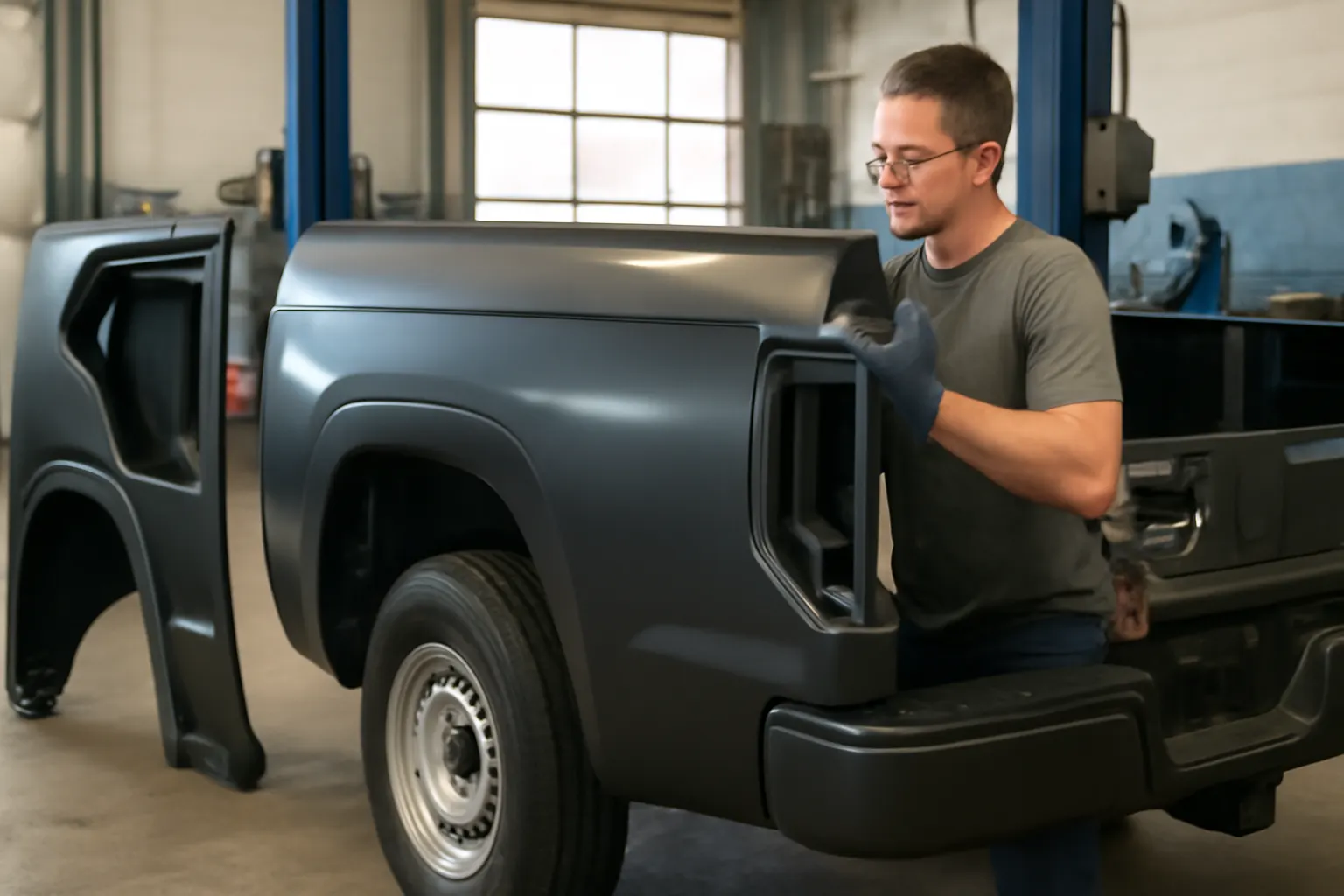
OEM vs Aftermarket Bed Side, Pickup: Quality and Performance Comparison
When it comes to replacing a bed side on your pickup truck, the choice between OEM (Original Equipment Manufacturer) and aftermarket parts is more than just a matter of price. The decision directly impacts your truck’s durability, performance, fitment, safety, and long-term value. In this guide, the AutoPartEx Technical Editorial Team delivers a comprehensive, hands-on comparison of OEM vs aftermarket bed side, pickup panels—so you can make the best choice for your vehicle, budget, and usage scenario.
Read More