
Ford Truck F250 Super Duty (1999 Up) Auto Parts
Understanding Recall Checks and Repair Choices for 1999-Up Ford F250 Super Duty
When owning a 1999-up Ford F250 Super Duty, it’s easy to overlook the importance of routine recall checks and informed repair choices. Many drivers focus on obvious maintenance but miss out on critical safety updates or the nuances of selecting the right replacement parts. This guide walks you through the overlooked steps to ensure your truck remains safe, compliant, and reliable for years to come.
112 Ford Truck F250 Super Duty (1999 Up) Auto Parts
Advertisement


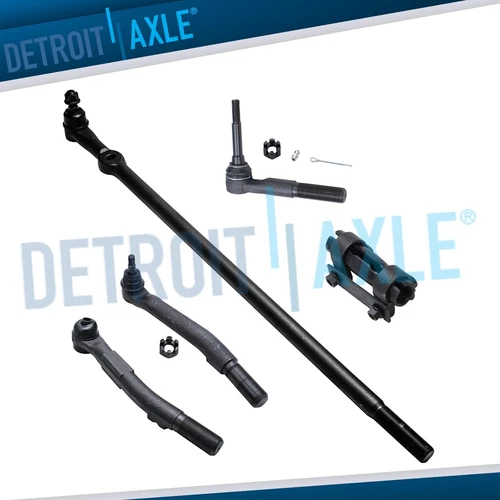


Advertisement
More Ford Truck F250 Super Duty (1999 Up) options
Filtering for Ford Truck F250 Super Duty (1999 Up)Browse nearby inventory for this model without leaving the page. Use search to filter by price, part number, or city.
No Data Available
Please check back soon when more inventory is available for this part.
Advertisement
Why Routine Recall Checks and Repair Planning Matter
Many Ford F250 Super Duty owners diligently keep up with oil changes and tire rotations but rarely consider the significance of recall checks or how repair decisions can impact long-term vehicle reliability. It’s easy to assume that if your truck is running smoothly, there’s nothing urgent to address. However, recalls and part choices can have a direct effect on both safety and performance, often in ways that aren’t immediately apparent. Ignoring these factors may leave you vulnerable to hidden risks or unnecessary costs down the road.
A common misconception is that recalls only affect newer vehicles or those with high-profile issues. In reality, manufacturers and safety agencies like NHTSA continuously monitor vehicles, including older models like the 1999-up Ford F250 Super Duty, for potential safety defects. Even if you’ve never received a recall notice, your truck could still be subject to an open recall, especially if you bought it used or haven’t checked recently. Overlooking this step can mean missing out on free, manufacturer-provided repairs that address critical safety concerns.
Additionally, not all repair parts are created equal. The choice between new, remanufactured, or salvage components can influence the outcome of a repair, affecting everything from cost to longevity. Many owners don’t realize that understanding these distinctions—and verifying technician expertise—can make a significant difference. By taking a proactive approach to recall checks and repair planning, you safeguard your investment and ensure your F250 Super Duty continues to serve reliably in demanding conditions.
What’s at Stake: Safety, Compliance, and Repair Quality
The Ford F250 Super Duty, spanning model years from 1999 onward, is renowned for its durability and capability. Yet, like all vehicles, it is subject to the realities of wear, evolving safety standards, and manufacturer recalls. Recalls are issued when a safety-related defect is found or when a vehicle fails to meet minimum safety standards. These can range from minor inconveniences to critical issues that compromise occupant safety or vehicle function.
One overlooked aspect is that recalls are not always obvious or widely publicized. Owners may not receive notifications if the vehicle changed hands, if their contact information isn’t up to date, or if the recall was issued after the last service visit. Furthermore, some recalls may only be identified after multiple complaints or investigations by agencies such as the National Highway Traffic Safety Administration (NHTSA). This means that even attentive owners can miss important safety updates unless they actively check for them.
Beyond recalls, the repair process itself presents challenges. The complexity of modern trucks like the F250 Super Duty means that repairs often require specialized knowledge and equipment. Choosing the wrong part—whether due to incorrect fitment, inferior quality, or lack of compatibility—can lead to recurring issues, additional expenses, or even safety hazards. The Federal Trade Commission (FTC) emphasizes the importance of getting a written repair estimate and ensuring technicians have experience with your specific make and model.
Another complication arises from the variety of parts available. New, remanufactured, and salvage parts each have their own strengths and limitations. New parts are typically more expensive but offer maximum reliability. Remanufactured or rebuilt parts can provide a balance between cost and performance, while salvage parts may be more affordable but come with unknown histories. The FTC advises consumers to understand these distinctions and to request clear documentation regarding the parts used in any repair.
For the Ford F250 Super Duty, especially in older models, the risk of encountering outdated or incomplete repairs increases over time. If a previous owner ignored a recall or opted for substandard parts, you may inherit those issues. This makes it even more critical to verify recall status and understand the repair history of your truck. Without this step, you could be driving a vehicle with unresolved safety defects or compromised performance.
Finally, compliance with recall repairs is not just a matter of safety—it can also affect resale value and legal liability. If you sell or trade in your F250 Super Duty without addressing open recalls, you may be passing on risks to the next owner. In some cases, unresolved recalls can even prevent registration renewal or insurance coverage. Staying proactive with recall checks and repair documentation protects both your interests and those of future owners.
How to Check Recalls and Make Informed Repair Decisions
Start by locating your Ford F250 Super Duty’s Vehicle Identification Number (VIN), typically found on the lower left of the windshield or on your registration card. With this 17-character VIN, visit the NHTSA recall lookup tool to search for any open recalls specific to your truck. This process is straightforward and free, providing peace of mind that your vehicle is up to date on critical safety repairs. If you find an open recall, contact your local Ford dealership to schedule the necessary repair, which should be performed at no cost to you.
Even if no open recalls appear in the database, it’s wise to check periodically, as new recalls can be issued and VINs are added continuously. The NHTSA recommends checking at least twice a year. If you purchased your truck used, or if it has changed ownership multiple times, this step is especially important. You can also sign up for recall alerts through the SaferCar app or via email, ensuring you’re notified promptly about any new developments affecting your vehicle.
When facing a needed repair—whether recall-related or routine maintenance—always request a written estimate from your chosen repair shop. The estimate should clearly identify the condition to be repaired, the parts required, and the anticipated labor charges. For complex or costly repairs, consider seeking a second opinion, particularly from a shop or technician with demonstrated experience on Ford trucks or heavy-duty vehicles. This extra diligence can help you avoid unnecessary expenses and ensure the job is done right.
Ask the repair shop about the type of parts they plan to use: new, remanufactured, or salvage. Each option has trade-offs in terms of cost, reliability, and warranty coverage. New parts generally offer the best performance and longevity but come at a premium price. Remanufactured or rebuilt parts are often a good compromise, having been restored to meet manufacturer specifications. Salvage parts, sourced from other vehicles, may be the most affordable but carry the highest risk of unknown wear or incompatibility. Request documentation on the source and condition of any non-new parts.
After the repair, obtain a completed repair order that lists the work performed, parts installed, total costs, and your truck’s odometer reading. This documentation is valuable not only for your records but also for future resale or warranty claims. If you’re ever unsure about a recommended service, compare it against the manufacturer’s maintenance schedule found in your owner’s manual. Don’t hesitate to ask the shop to explain why additional services are suggested, especially if they differ from Ford’s published guidelines.
For ongoing maintenance, follow the schedule outlined in your owner’s manual, adjusting for your driving conditions as necessary. Heavy-duty trucks like the F250 Super Duty may require more frequent service if used for towing, hauling, or in harsh environments. Compare any shop recommendations with the official schedule and ask for clarification if extra services are proposed. This ensures you’re not paying for unnecessary work and that your truck receives the care it truly needs.
If you encounter a persistent issue or suspect a safety defect that hasn’t been addressed by a recall, you can file a complaint directly with NHTSA. Your report will be reviewed and may contribute to an investigation if similar complaints are received from other owners. This process helps ensure that emerging safety concerns are identified and addressed promptly, benefiting the wider F250 Super Duty community.
Finally, keep all repair and recall documentation organized and accessible. This not only helps you track your truck’s maintenance history but also provides proof of compliance with safety recalls. Should you decide to sell or trade in your F250 Super Duty, this paperwork can enhance its value and reassure prospective buyers of its well-maintained status. Staying proactive with recall checks and repair planning is a small investment that pays dividends in safety, reliability, and peace of mind.
Published Guidance on Recalls and Repair Choices
The National Highway Traffic Safety Administration (NHTSA) provides a comprehensive framework for vehicle recall identification and management. According to their official guidance, every vehicle has a unique VIN, which is essential for checking recall status. Owners are encouraged to use the NHTSA recall lookup tool to determine if their specific vehicle, such as a 1999-up Ford F250 Super Duty, has any open recalls. This process is not limited to new vehicles—older models are also monitored for safety defects. The NHTSA emphasizes that recall information is updated continuously, and owners should check regularly to ensure their vehicle remains compliant NHTSA: Vehicle Recalls.
It’s important to note that searching by VIN provides recall information specific to your truck, while searching by year, make, and model yields general recall data. The NHTSA clarifies that if a recall has already been repaired, it will not appear as open in the search results. This means that the absence of an open recall does not necessarily indicate that your vehicle was never affected—only that any identified issues have been addressed. For the Ford F250 Super Duty, this underscores the importance of checking both the recall database and your vehicle’s repair history for completeness NHTSA: Vehicle Recalls.
The NHTSA also outlines the recall process, which begins with owner complaints and may progress through investigation, analysis, and recall management. If a safety-related defect is identified, the manufacturer is required to notify owners and provide a remedy, typically at no cost. Owners are advised to follow interim safety guidance and contact their dealership for repairs. This process ensures that vehicles like the F250 Super Duty receive timely attention to safety concerns, provided owners remain proactive in checking for updates NHTSA: Vehicle Recalls.
The Federal Trade Commission (FTC) offers additional consumer protection advice regarding auto repairs. Their guidance emphasizes obtaining a written repair estimate that details the condition to be repaired, required parts, and labor charges. The FTC distinguishes between new, remanufactured, and salvage parts, advising consumers to understand the implications of each choice. This advice is particularly relevant for owners of older trucks like the 1999-up F250 Super Duty, where the availability and quality of replacement parts can vary widely FTC: Auto Repair Basics.
According to the FTC, consumers should also request a completed repair order after service, listing all work performed, parts used, and total costs. This documentation is crucial for maintaining an accurate service history and for future resale or warranty claims. The FTC further recommends comparing shop recommendations with the manufacturer’s maintenance schedule and asking for explanations if extra services are proposed. This helps ensure that owners are not subjected to unnecessary repairs or expenses, and that their vehicle receives appropriate care FTC: Auto Repair Basics.
Neither the NHTSA nor the FTC provides specific technical specifications or failure statistics for the Ford F250 Super Duty within the supplied passages. Instead, they offer structured processes and consumer rights information that empower owners to make informed decisions. For example, the NHTSA’s recall lookup tool and the FTC’s repair documentation recommendations are applicable to all vehicles, including the F250 Super Duty, but do not guarantee fitment or diagnose individual component failures. Owners should use these tools as part of a broader strategy for vehicle maintenance and safety.
In summary, the published evidence supports a proactive, informed approach to recall checks and repair planning for the Ford F250 Super Duty. While no specific failure rates or technical issues are documented in the provided sources, the guidance from NHTSA and FTC establishes best practices for identifying open recalls, choosing appropriate repair parts, and maintaining thorough documentation. By following these recommendations, owners can confidently manage their truck’s safety and reliability, even as it ages or changes hands.
Take Charge of Your F250 Super Duty’s Safety and Longevity
Don’t wait for a problem to find you—take the initiative to check your Ford F250 Super Duty’s recall status today using your VIN. Stay organized with repair records, ask informed questions about parts and technician experience, and compare every service recommendation with your owner’s manual. By following these steps, you’ll protect your investment, ensure compliance, and keep your truck ready for any challenge. For more tips and parts options, visit our Ford Truck F250 Super Duty (1999 Up) page.
References
- NHTSA: Vehicle Recalls
- FTC: Auto Repair Basics
References
- NHTSA: Vehicle Recalls - NHTSA, accessed 2026-11-01
- FTC: Auto Repair Basics - FTC, accessed 2026-11-01
Related Guides & Articles

Ford, Motorcraft & Aftermarket Parts: How to Compare
Choosing a Ford replacement part is easier when you separate four questions: which application it fits, who made it, what condition it is in, and what the seller includes or covers. The brand answers only part of that comparison. A Ford-branded part, a Motorcraft service item, a product from another aftermarket manufacturer, and a used assembly should each be evaluated as a specific offer. A badge or a low price cannot establish that the item is right for the repair.
Read More
Ford Maintenance Checklist: Prepare for Service
Use this checklist to prepare for a maintenance appointment or a parts purchase. It helps organize the information a technician or seller needs, without replacing the vehicle's service procedures or assigning one inspection schedule to every Ford. Record the year, model, engine, VIN, current mileage, and drive configuration. Add the build date, trim, or equipment information when a catalog or repair application asks for it.
View GuideFord Maintenance Intervals: Find Your Vehicle's Schedule
There is no single service interval that applies to every Ford engine, transmission, filter, and drivetrain. A useful maintenance plan begins with the manual for the exact vehicle and a record of the work already done. This guide explains how to turn that information into a clear list of inspections and replacement items. Record the model year, model, engine, and drive configuration. Use the manual supplied with the vehicle or the appropriate version in Ford's owner-manual resources.
View Guide
Understanding the Function and Failure Modes of Ford Brake Calipers
A small protective boot can matter to the condition of the piston inside a caliper. General repair guidance explains that a deteriorated or broken boot can admit moisture, leading to rust and piston seizure. That connection gives a visible inspection detail a technical purpose. Before comparing Ford calipers, understand how the piston, boot, slide pins, pads and hose relate to the fault being investigated, then ask which condition has actually been found.
Read More