
Amc Ambassador Rear Axle Assembly with Housing Parts
AMC Ambassador Rear Axle Assembly with Housing: Model-Specific Fitment, Diagnostics, and Replacement
The rear axle assembly with housing for the AMC Ambassador is a critical structural and drivetrain component, supporting both the vehicle's weight and the transfer of torque from the differential to the rear wheels. Across model years, the Ambassador's rear axle design varies in specification, with differences in housing style, axle shaft dimensions, and mounting points depending on trim, engine, and year. This page provides a comprehensive, model-specific resource for identifying, verifying, and replacing the rear axle assembly with housing for your AMC Ambassador, ensuring full compatibility—whether you own a classic 1966 327 V8, a mid-1970s 401 SST, or another variant in the Ambassador lineage.
Despite its robust construction, selecting the correct rear axle assembly for the AMC Ambassador can be unexpectedly complex. Many owners and technicians are unaware of the subtle year-to-year changes in axle type (such as AMC Model 20 vs. Dana 44), spline counts, bearing sizes, and brake backing plate bolt patterns. Certain trim levels, like the DPL or SST, may share engine options but carry unique axle ratios, leaf spring perches, or limited-slip differentials. Scarcity of OEM and NOS assemblies—especially for later years—can further complicate sourcing. Installation risks include misalignment due to incorrect housing width or perch spacing, leading to driveline vibration, premature bearing failure, or even unsafe brake operation if the backing plate pattern does not match. These hidden risks can result in lost time, additional expense, and compromised vehicle performance if not addressed early in the part selection process.
The AMC Ambassador is known for several model-specific rear axle failure patterns. Common diagnostic issues include chronic axle seal leaks, excessive differential noise at highway speeds (often a sign of gear or bearing wear), and visible corrosion on the housing in rust-belt regions. Late 1960s and early 1970s Ambassadors with high-output V8s are particularly prone to axle shaft twist or spline wear if subjected to repeated high-torque loads. Compatibility constraints are frequently encountered: axle assemblies from similar AMC models (Rebel, Matador) may appear interchangeable but often have subtle differences in housing width, shock mount locations, or brake hardware. Additionally, axle code stamping may be obliterated by age, making visual identification and fitment confirmation essential. Failing to recognize these patterns and constraints can lead to misdiagnosis, delayed repairs, or safety risks if incompatible assemblies are installed.
Successful replacement and upgrade of the AMC Ambassador rear axle assembly starts with precise fitment verification. Always check the axle code, differential type, housing width, and brake hardware compatibility against your specific model year, trim, and engine. Sourcing from trusted OEM suppliers or reputable remanufacturers ensures correct metallurgy and integrity of the assembly. When verifying fitment, reference the detailed AMC axle charts and housing diagrams in our AMC Ambassador Axle Guide. For installation, follow proven procedures for supporting the vehicle, aligning perches, and verifying torque specs—see our Rear Axle Installation Steps Article for a step-by-step walkthrough. Service guidance includes replacing seals and bearings during assembly swap, inspecting brake lines and hardware for corrosion, and using the correct gear oil for your differential. Leveraging these strategies will minimize installation risks and maximize drivetrain reliability.
Advertisement
0 AMC Ambassador Rear Axle Assembly with Housing Parts
No Products Found
We're currently updating our inventory for AMC Ambassador rear axle assembly with housing parts.
Please check back soon or contact us for specific part availability.
More Rear Axle Assembly with Housing options for AMC Ambassador
Filtering for AMC Ambassador • Rear Axle Assembly with HousingBrowse nearby inventory for this model and category without leaving the page.
No Data Available
Please check back soon when more inventory is available for this part.
Advertisement
Expert Fitment, Evidence-Based Service, and AutoPartEx Solutions for AMC Ambassador Rear Axle Assemblies
Trim and engine options add another layer of complexity. For example, the Ambassador SST with a 401 V8 requires a heavy-duty Dana 44 axle with a larger ring gear, while the base 232 or 258 I6 models may use a lighter-duty assembly. Brake system integration further complicates fitment: drum sizes (9-inch vs. 10-inch), backing plate bolt patterns, and e-brake cable routing all vary, especially between wagons and sedans. Even within the same model year, midyear production changes can affect axle width or perch spacing. This makes visual inspection and code verification essential.
Installation is a labor-intensive task that should not be underestimated. Safely supporting the vehicle, removing the old assembly, and aligning the new housing requires precise handling and the right equipment. Failure to torque U-bolts or shock mounts to factory specs can result in rear-end shift or noise. Differential fluid should be changed during the swap, and seals and bearings replaced as preventive maintenance. Many service bays report premature bearing failures following improper installation or use of incompatible gear oil—always consult your vehicle’s service manual or technical guides such as AMC Ambassador Axle Guide for reference. When done properly, a quality rear axle assembly should deliver over 100,000 miles of reliable service, restoring the Ambassador’s signature smooth ride and stable handling.
Practical AMC Ambassador Rear Axle Assembly Info
Model-Year and Trim Fitment
Verify axle code, housing width, perch spacing, and brake backing plate pattern for all AMC Ambassador years (1966–1974) and trims (base, DPL, SST, Brougham, wagon, sedan).
Installation Tools Checklist
3-ton jack stands, hydraulic jack, ½-inch torque wrench (45–90 ft-lb), bearing puller, seal driver, dial indicator, new U-bolts/hardware, gear oil.
Service Intervals and Inspection
Inspect seals, bearings, and gear oil every 30,000 miles. Replace differential fluid and perform bearing checks at 50,000-mile intervals or during major service.
Common Failure Signs
Look for fluid leaks, differential whine, excessive play at the wheels, and visible housing rust. Address issues early to prevent further drivetrain damage.
References
- Vehicle Safety and Equipment - National Highway Traffic Safety Administration, accessed 2024-06-25Covers standards for vehicle equipment, including axle assemblies and diagnostics.
- Vehicle, Car Seat, Tire, and Equipment Recalls - National Highway Traffic Safety Administration, accessed 2024-06-25Reference for historical recalls affecting axle assemblies and related equipment.
- Fuel Efficiency - United States Department of Energy, accessed 2024-06-25Provides technical background on drivetrain and axle impact on fuel economy.
Related Guides & Articles

Amc Ambassador Axle Guide
Replacing the rear axle assembly on a classic AMC Ambassador is a critical restoration and maintenance task, ensuring both safety and drivability for these iconic vehicles. This comprehensive AutoPartEx guide delivers a step-by-step walkthrough for rear axle assembly replacement, including precise housing identification, model-specific fitment, and expert installation tips. Whether you’re a seasoned AMC enthusiast or a first-time restorer, this guide will help you confidently diagnose axle issues, select the correct assembly, and complete the installation process to factory standards.
View Guide
Amc Rear Axle Housing Variations
AMC rear axle housings are not all created equal—model years, trims, and drivetrain options drive significant variation in design, fitment, and serviceability. For AMC Ambassador owners and restorers, understanding these differences is crucial to sourcing the correct rear axle assembly, ensuring safe operation, and maintaining drivetrain reliability. This guide delivers a detailed overview of AMC rear axle housing variations across key model years, supported by diagrams, compatibility notes, and practical diagnostic advice.
Read More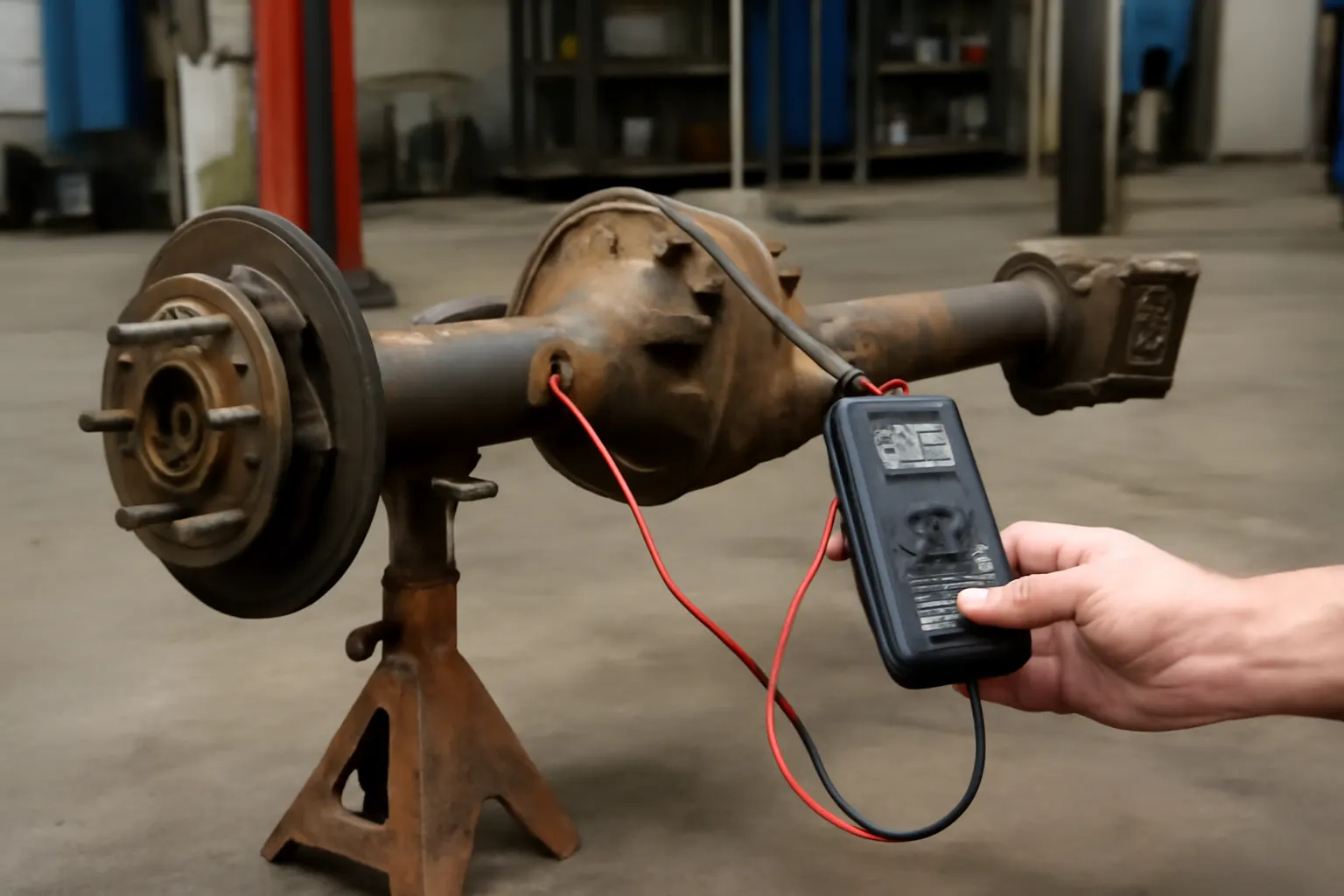
Amc Ambassador Axle Failure Patterns
Axle failures in AMC Ambassadors are a well-documented issue, with specific field patterns and diagnostic signals that every owner, restorer, or technician should recognize. Understanding these failure modes, their root causes, and the most effective diagnostic and repair practices can prevent further drivetrain damage, costly downtime, and even safety hazards. This in-depth guide distills real-world field reports and technical standards to help you quickly identify, diagnose, and address rear axle assembly issues in AMC Ambassador models.
Read More
Rear Axle Installation Steps Article
Installing a rear axle assembly with housing on the AMC Ambassador requires careful preparation, precise torque application, and adherence to fluid and safety standards. This comprehensive guide delivers a step-by-step service checklist, including torque specifications, fluid recommendations, and critical fitment insights to ensure your AMC Ambassador’s rear axle assembly is installed correctly, safely, and in line with both manufacturer and industry standards.
View Guide