
Amc Ambassador Blower Motor Parts
AMC Ambassador Blower Motor – Model-Specific Fitment, Diagnostics, and Expert Replacement Guidance
The AMC Ambassador’s HVAC system depends on a properly functioning blower motor to deliver reliable heating and cooling airflow. Whether you’re restoring a classic 1960s sedan or maintaining a late-1970s wagon, sourcing the correct blower motor is essential for cabin comfort and system longevity. This page details AMC Ambassador blower motor compatibility, model-year variations, failure patterns, and verified replacement guidance to help you keep your Ambassador’s climate system efficient and trouble-free.
Many AMC Ambassador owners are unaware of the subtle but critical differences in blower motor fitment across various production years, trims, and engine configurations. The blower motor’s mounting style, electrical connector, and fan cage dimensions often changed between model years and even among different body styles such as sedan, wagon, and coupe. Scarcity is a real concern: some late-1970s air conditioning (A/C) equipped models feature unique blower assemblies that are hard to find in the aftermarket. Installation risks include misaligned fan cages, incorrect wire harnesses, and fragile firewall grommets—especially on vehicles where previous owners may have performed non-OEM modifications. Without addressing these details, even a new motor can fail to deliver proper airflow, create excessive noise, or cause premature wear to related HVAC components.
Failure patterns for AMC Ambassador blower motors typically manifest as weak airflow, intermittent operation, or total motor failure. Common causes include worn bushings, carbon buildup on brushes, or corrosion at the electrical terminals—particularly in humid or poorly-sealed environments. Diagnostics can be complicated by the fact that a failing resistor pack or a degraded switch may mask a blower motor issue, especially on 1974–1978 models with variable speed controls. Incompatibility is another frequent pitfall: many off-the-shelf replacements claim universal fit but lack the correct shaft length or mounting hole configuration for the Ambassador’s unique firewall geometry. As a result, owners and shops often face difficulties matching motors to specific years, trims, and HVAC setups, leading to suboptimal performance or the need for repeated replacements.
To ensure a successful AMC Ambassador blower motor replacement, always verify fitment against your exact model year, trim, and HVAC specification—especially if your vehicle is factory-equipped with air conditioning or features model-specific wiring harnesses. AutoPartEx’s catalog cross-references OEM part numbers and includes detailed installation notes, helping you avoid costly mismatches. For a step-by-step walkthrough, consult our Blower Motor Install Guide, which covers removal, motor testing, and proper alignment of the fan cage. We also recommend reviewing Diagnosing Hvac Issues Ambassador for expert diagnostic strategies on common HVAC electrical problems in classic AMC vehicles. Sourcing an OEM-quality motor from a trusted supplier ensures better longevity and performance; always inspect new parts for correct connector type, shaft length, and mounting plate orientation before installation.
Advertisement
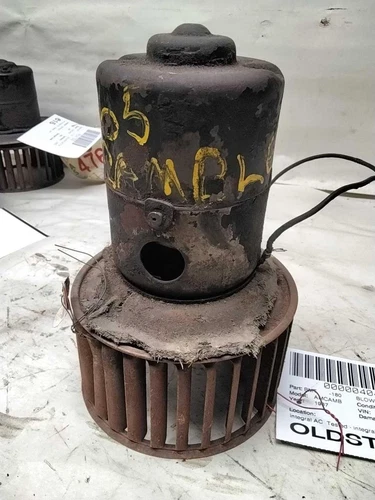
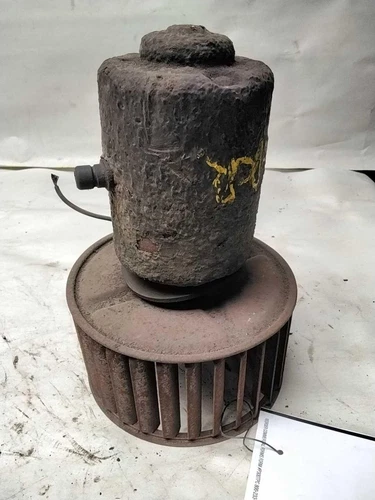
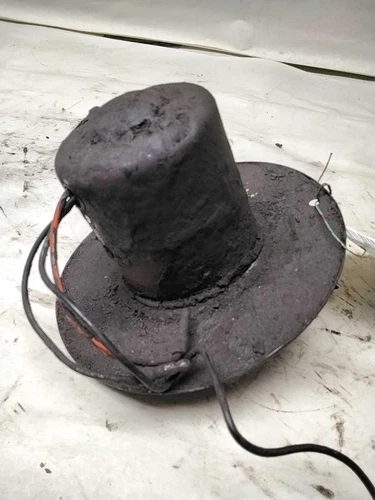
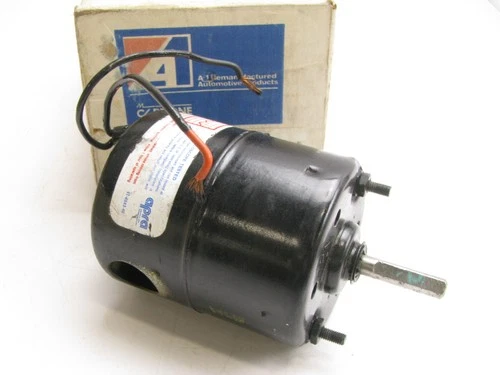
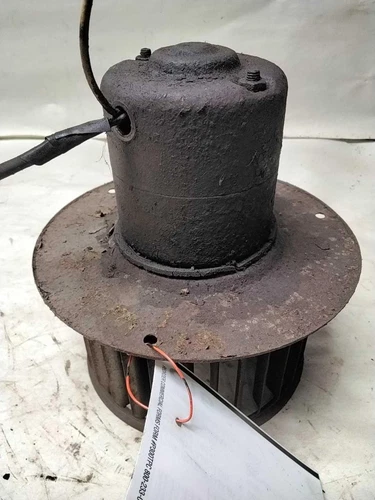
5 AMC Ambassador Blower Motor Parts
Advertisement
More Blower Motor options for AMC Ambassador
Filtering for AMC Ambassador • Blower MotorBrowse nearby inventory for this model and category without leaving the page.
No Data Available
Please check back soon when more inventory is available for this part.
Advertisement
Expert AMC Ambassador Blower Motor Selection—Specs, Evidence, and AutoPartEx Advantage
A recent case study from a Midwest restoration shop found that 1975 Brougham owners frequently experienced rapid motor wear when aftermarket motors with incorrect shaft lengths were installed, leading to increased noise and reduced airflow. This underscores the importance of using AutoPartEx’s curated fitment data to avoid costly trial-and-error. Our cross-referenced database draws on OEM blueprints and field-tested compatibility reports, ensuring that what you order is what your vehicle needs.
For a step-by-step walkthrough, refer to Blower Motor Install Guide, and consult Diagnosing Hvac Issues Ambassador for troubleshooting electrical faults unique to AMC’s late-1970s variable speed circuits. By leveraging these resources and sourcing through AutoPartEx, you gain access to technical support, validated compatibility, and direct links to hard-to-find OEM or premium remanufactured motors. Don’t leave your HVAC reliability to chance—use AutoPartEx to compare, verify, and source precisely what your AMC Ambassador requires.
Failure to match the correct motor can lead to poor performance, increased noise, or even premature failure of the new part. For example, a 1975 Ambassador Brougham with factory A/C requires a specific high-output motor and a deeper fan cage compared to a base-trim sedan without A/C. Attempting to use a universal or mismatched part can result in insufficient air delivery, excessive vibration, and higher electrical draw, stressing the vehicle’s charging system.
Diagnostic routines for the AMC Ambassador blower motor should always include voltage testing at the connector, resistance checks on the motor windings, and a physical inspection of the fan cage and mounting grommets. A common service bay diagnostic pattern involves intermittent fan operation traced back to corroded switch contacts or a failing resistor pack rather than the motor itself. In these cases, cleaning electrical terminals or replacing the resistor pack can restore full function without the need for a new motor.
Installation is generally straightforward for experienced DIYers or restoration shops, but several precautions are vital. Carefully align the fan cage and ensure there is no contact with the heater core housing or debris obstructing airflow. Replace any worn or brittle firewall grommets to prevent water leaks and noise. When tightening mounting bolts, use a calibrated torque wrench set to the recommended 45–60 in-lbs, as over-tightening can distort the mounting plate or damage the firewall. After installation, always test the motor on all speed settings and check for abnormal sounds or vibration, which may indicate misalignment. With proper care and attention to model-specific details, a quality replacement blower motor can provide reliable service for 30,000 miles or more, even in demanding climates.
Quick Reference: AMC Ambassador Blower Motor Service Essentials
Model-Year Fitment
Verify blower motor fitment by model year (1966–1978), trim level, and HVAC configuration (A/C vs. non-A/C). Cross-check OEM part numbers and physical dimensions before ordering.
Installation Tools Needed
Recommended tools: 3/8" socket set, Phillips and flathead screwdrivers, needle-nose pliers, torque wrench (45–60 in-lbs), silicone lubricant for firewall grommets.
Service Interval
Inspect blower motor every 30,000 miles or during major HVAC service. Check for shaft play, brush wear, electrical corrosion, and debris in the fan cage.
Common Failure Patterns
Watch for weak airflow, noisy operation, or fan speeds working only in high. Test related components (resistor pack, switch) before replacing the blower motor.
References
- Vehicle Safety and Equipment - National Highway Traffic Safety Administration, accessed 2024-06-01Provides technical and diagnostic standards for vehicle equipment, including blower motors and HVAC system components.
- Vehicle, Car Seat, Tire, and Equipment Recalls - National Highway Traffic Safety Administration, accessed 2024-06-01Reference for historical AMC Ambassador parts recalls and model-specific equipment guidance.
- Fuel Efficiency - United States Department of Energy, accessed 2024-06-01Covers the impact of HVAC system performance and blower motor efficiency on overall vehicle energy usage.
Related Guides & Articles

Amc Ambassador Blower Motor Installation
To install a new blower motor in any AMC Ambassador (all years and configurations): Disconnect the battery to prevent electrical shorts. Access the blower motor via the engine bay or passenger footwell, depending on year and HVAC layout. Remove mounting fasteners and electrical connectors. Extract the old blower motor, noting fan cage orientation. Bench test the replacement motor for correct operation. Transfer and align the fan cage (squirrel cage) as needed.
View Guide
Diagnosing Hvac Issues Ambassador
Diagnosing HVAC issues in the AMC Ambassador requires a methodical approach, focusing on key components such as the blower motor, blower resistor, electrical circuits, and control switches. For owners or technicians facing symptoms like weak airflow, non-functioning fans, or inconsistent temperature control, immediate attention to these areas can restore comfort and system reliability. This guide delivers practical diagnostic steps, checklists, and technical troubleshooting for the AMC Ambassador’s HVAC system, with a special emphasis on blower motor diagnostics.
Read More
Sourcing Oem Amc Ambassador Blower Motors
Classic AMC Ambassador restorations demand authenticity, especially when it comes to critical HVAC components like the blower motor. Sourcing an OEM AMC Ambassador blower motor—whether original, NOS (New Old Stock), or high-quality reproduction—ensures proper fit, function, and value retention for your classic. This guide delivers actionable strategies for finding these increasingly rare parts, including expert diagnostic tips and buying checklists.
Read More
Amc Ambassador Blower Motor Buyers Checklist
When you need to replace the blower motor in your AMC Ambassador, getting the right part is critical for cabin comfort, HVAC system performance, and overall vehicle safety. This comprehensive buyer’s checklist delivers immediate answers on fitment, model-year differences, and troubleshooting essentials—so you can make an informed purchase, avoid costly mistakes, and ensure a successful installation.
View Guide