
Amc Ambassador Back Glass Parts
AMC Ambassador Back Glass: Fitment, Replacement & Expert Guidance
The back glass of your AMC Ambassador is a critical component for both safety and comfort, ensuring rear visibility, structural integrity, and weather protection. Whether you own an early model from the late 1950s or a final-year Ambassador from 1974, sourcing and installing the correct rear window is essential for preserving your classic's originality and functionality. This AutoPartEx category guide delivers precise model-year coverage, body style and trim compatibility, and expert strategies for replacing or restoring AMC Ambassador back glass.
AMC Ambassador owners often underestimate the complexity involved in sourcing correct back glass for their vehicles. Production changes between 1958–1974 introduced multiple variations in rear glass shape, curvature, tint, and mounting hardware. Even subtle differences—such as the shift from flat to curved glass in 1967, or the addition of rear defrosters in select trims post-1970—can affect fitment. Body style (sedan, coupe, wagon), trim level (Custom, DPL, SST, Brougham), and even engine options sometimes dictated unique glass specifications. Compounding these risks, high-quality OEM and reproduction glass is increasingly scarce, and installation can be challenging due to the age and fragility of original trim and seals. Many owners are unaware that improper installation or mismatched glass can result in leaks, stress cracks, or compromised safety.
AMC Ambassadors are susceptible to several back glass failure patterns. Delamination, where moisture seeps between laminated layers, is common in older glass and manifests as fogging or hazing near the edges. Stress cracks frequently develop due to body flex or previous improper installation, especially around corners or trim pressure points. Water ingress, usually caused by degraded seals or misaligned glass, can lead to persistent condensation, trunk leaks, and interior mold. Diagnosing these issues is complicated by the similar symptoms of glass failure and seal deterioration. Furthermore, compatibility constraints are significant—year-break redesigns (notably in 1967 and 1971) changed roofline and rear deck geometry, requiring different glass profiles. Aftermarket glass may not replicate OEM curvature or embedded defroster features, leading to installation headaches or diminished vehicle value.
Fitment verification for AMC Ambassador back glass requires more than just matching model year. Owners must carefully confirm body style, trim, and presence of features like defroster grids or shaded tint bands. OEM-sourced or precision-reproduced glass provides the best assurance of proper fit and finish, but part number cross-referencing and physical inspection are crucial. Installation demands expertise: use of correct sealant, trim-safe removal tools, and attention to seating depth and alignment are all vital to prevent leaks or stress fractures. For technical guidance, consult AutoPartEx’s detailed fitment charts (/Guides/Amc Ambassador Back Glass Fitment Chart) and removal/installation guides (/Guides/Amc Ambassador Back Glass Removal Installation). Our curated selection, fitment support, and model-specific documentation help ensure your replacement is authentic, secure, and long-lasting.
Advertisement
0 AMC Ambassador Back Glass Parts
No Products Found
We're currently updating our inventory for AMC Ambassador back glass parts.
Please check back soon or contact us for specific part availability.
More Back Glass options for AMC Ambassador
Filtering for AMC Ambassador • Back GlassBrowse nearby inventory for this model and category without leaving the page.
No Data Available
Please check back soon when more inventory is available for this part.
Advertisement
AMC Ambassador Back Glass: Expert Specs & AutoPartEx Advantage
Technical evidence supports the benefits of correct back glass: NHTSA standards (see /Guides/Amc Ambassador Back Glass Removal Installation) require that automotive safety glass resists shattering and ensures rearward visibility. Properly installed, OEM-grade glass restores structural rigidity lost to age or previous damage, and the use of modern urethane adhesives further improves leak resistance and longevity [1].
A real-world case study: An AMC Ambassador owner in the Northeast sourced reproduction glass via AutoPartEx for a 1972 Brougham sedan. After using our fitment chart (/Guides/Amc Ambassador Back Glass Fitment Chart) and following our installation guide, the new glass fit perfectly, resolved chronic trunk leaks, and restored defroster function—preserving both originality and daily usability. This outcome highlights the importance of using curated resources and professional support in every restoration project.
AutoPartEx is your go-to partner for AMC Ambassador back glass. Our technical support staff is ready to answer your fitment questions, provide cross-referencing with AMC part numbers, and connect you with professional installers experienced in classic car glass. Explore our catalog for authentic, fitment-verified options, and rely on our editorial content and community resources for every stage of your project.
Due to the limited production and age of these vehicles, NOS (New Old Stock) and high-quality reproductions are scarce. Sourcing correct glass often requires reference to original AMC part numbers, body tags, and consultation with enthusiast networks or specialist suppliers. Aftermarket glass may not always replicate the original curvature, tint, or embedded features, so verifying dimensions and specifications before purchase is critical.
Installation risks are heightened by the fragility of vintage chrome and stainless trim. Removing old glass without damaging surrounding brightwork or body paint demands patience and the right trim tools. Modern urethane adhesives, while providing a superior seal, require clean surfaces and full curing before the vehicle is exposed to moisture or vibration. Even minor leaks can result in chronic trunk moisture, rust, and mold growth.
Fitment verification should follow a stepwise approach: confirm model year, body style, trim, and presence of defroster or antenna lines. Always perform a dry test-fit before applying adhesive, and inspect all perimeter seals for wear or compression set. Installation in a dust-free environment reduces the risk of debris becoming trapped under the glass. After installation, check for a continuous sealant bead, functional defroster (if equipped), and absence of wind noise or water ingress.
AutoPartEx recommends leveraging our fitment charts, removal/installation guides, and technical documentation to support your project. Restoration success depends on attention to these details, ensuring your Ambassador’s back glass remains both original in appearance and reliable for years to come.
AMC Ambassador Back Glass: Practical Information
Model-Year Fitment Chart
Reference detailed fitment charts to match your AMC Ambassador’s model year, body style, and trim with the correct back glass dimensions and features.
Essential Tools
Professional-grade suction lifters, trim removal tools, urethane caulking guns, and sealant scrapers are strongly recommended for safe and effective installation.
Annual Inspection Checklist
Inspect glass and seals annually for cracks, delamination, and leaks. Address any issues immediately to prevent trunk water damage and preserve interior trim.
Defroster & Tint Compatibility
Confirm that replacement glass includes the correct defroster grid and tint band for your trim level and year if originally equipped.
References
- Vehicle Safety and Equipment - National Highway Traffic Safety Administration, accessed 2024-06-19Provides standards for automotive glass safety and replacement guidelines.
- Vehicle, Car Seat, Tire, and Equipment Recalls - National Highway Traffic Safety Administration, accessed 2024-06-19Reference for historical equipment recalls affecting glass and safety components.
- Fuel Efficiency - United States Department of Energy, accessed 2024-06-19Discusses the impact of body design and glass weight on vehicle efficiency.
Related Guides & Articles

Amc Ambassador Back Glass Removal Installation
The AMC Ambassador’s back glass is secured with a combination of weatherstripping, trim, and adhesive. To safely remove it: Remove all interior and exterior trim around the back glass. Cut through the existing urethane or butyl sealant with a specialty glass removal tool. Carefully lift out the glass, using suction cups for support. Clean and prepare the pinch weld area. Install the new (or original) glass using appropriate adhesive and ensure proper alignment.
View Guide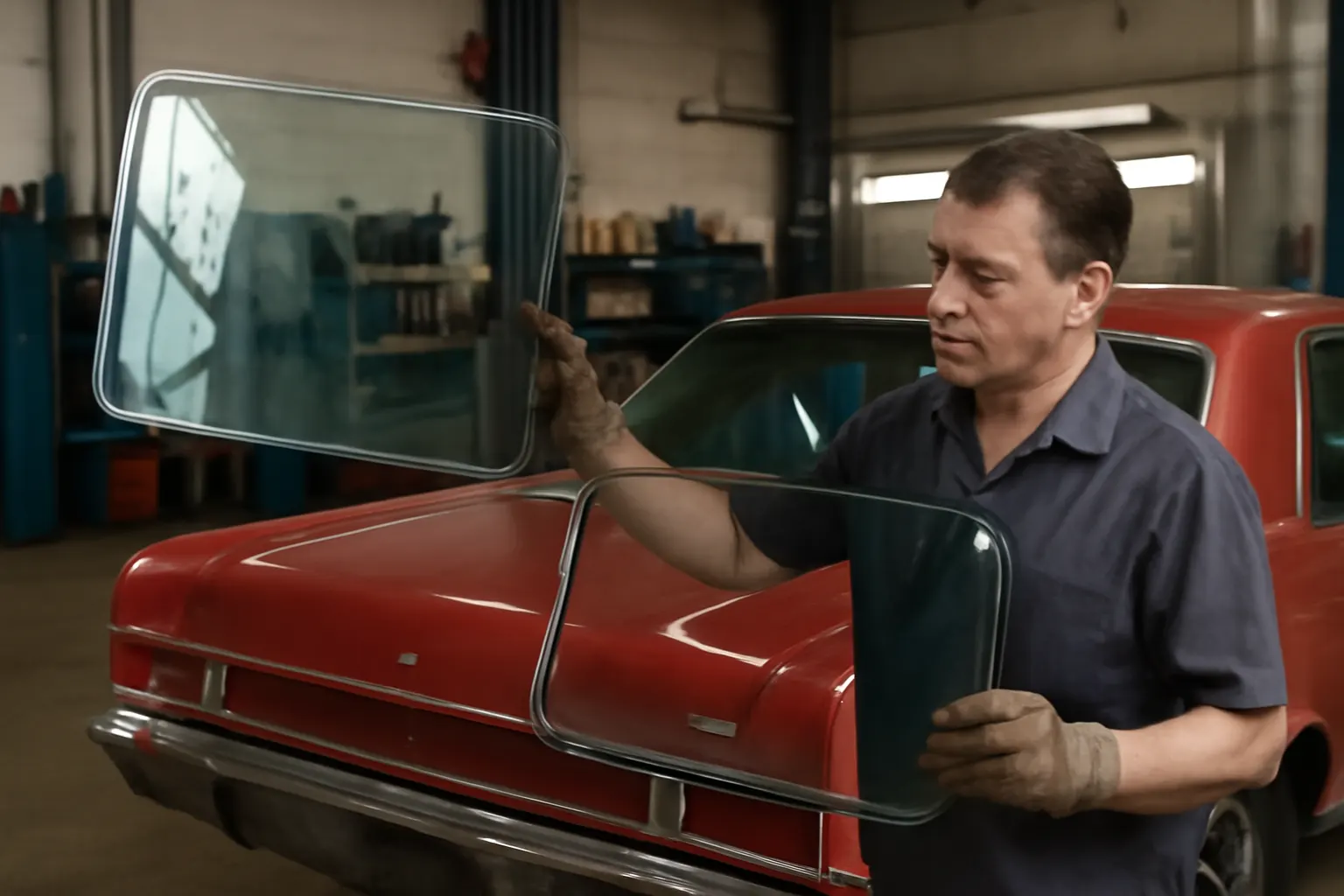
Amc Ambassador Original Vs Repro Back Glass
When restoring or maintaining an AMC Ambassador, distinguishing between original and reproduction back glass is crucial for authenticity, value, and safety. This guide shows you how to confidently identify original versus repro back glass, what to check for authentic restoration, and how to make the right decision for your vehicle—whether you’re a collector, daily driver, or professional restorer.
Read More
Amc Ambassador Back Glass Leak Diagnosis
Water pooling in the trunk or rear shelf of your classic AMC Ambassador is more than just an inconvenience—it’s a warning sign of back glass seal failure or related issues. Immediate attention to back glass water leaks is crucial to preserving the structural integrity and value of your vintage AMC. This guide provides step-by-step diagnostic techniques, common leak sources, and practical solutions tailored specifically for the AMC Ambassador, drawing on industry standards and safety recommendations.
Read More
Amc Ambassador Back Glass Fitment Chart
While AMC Ambassadors share a model name, their back glass is far from universal. Fitment differences arise from: Model Year Changes: Design updates, body panel revisions, and changing glass curvature across generations. Body Style Variations: Sedans, hardtops, and wagons often feature different window dimensions and mounting methods. Trim Level Distinctions: Some trims include additional rear defroster elements, tinting, or chrome trim channels. Below is a comprehensive fitment chart for AMC Ambassador back glass, grouped by generation, body style, and year.
View Guide