
Nash Auto Parts
Sourcing and Authenticating Nash Auto Parts: A Complete Guide
Classic Nash vehicles captivate enthusiasts with their distinctive style and engineering, but maintaining these icons requires more than just finding any replacement part. Owners often overlook the importance of authenticity and precise fitment, risking diminished value or performance. This guide explores why careful sourcing and documentation matter for Nash parts, offering practical steps and evidence-based advice to help you preserve your classic’s integrity and safety for years to come.
Advertisement

Advertisement
More Nash parts
Filtering for NashBrowse nearby Nash inventory without leaving this page. Use search to filter by price, part number, or city.
No Data Available
Please check back soon when more inventory is available for this part.
Advertisement
Why Nash Parts Sourcing Deserves Extra Attention
Many classic car enthusiasts focus on restoration aesthetics or engine upgrades, but few realize that sourcing authentic Nash parts is crucial for both value and safety. Unlike modern vehicles, where aftermarket or generic replacements abound, Nash automobiles—especially those built in the early to mid-20th century—demand components that match original specifications. Overlooking this can lead to compatibility issues, compromised performance, or even reduced collector value. It’s not just about making the car run; it’s about preserving its heritage and ensuring safe operation.
A common misconception is that any part labeled for Nash will fit or function as intended. However, Nash’s unique engineering and design choices mean that even visually similar parts from other models or years may not be interchangeable. This is particularly true for components like grille shells, suspension assemblies, and chassis parts, which often have no modern equivalents. The scarcity of original parts further complicates matters, making careful sourcing and verification essential for any successful restoration or repair project.
Collectors and restorers also face the challenge of distinguishing between authentic, reproduction, and salvage parts. Each category has its own implications for originality, longevity, and value. Salvage parts, for instance, may come from another vehicle but could show significant wear or previous modifications. Reproduction parts might differ in materials or finish, affecting the vehicle’s appearance and function. Recognizing these nuances early helps Nash owners avoid costly mistakes and maintain the true character of their vehicles.

Understanding the Unique Challenges of Nash Auto Parts
Nash vehicles stand apart from many other classic cars due to their distinctive engineering and limited production runs. This uniqueness means that sourcing parts isn’t just a matter of browsing online catalogs or visiting local salvage yards. For example, the 1936 Nash Ambassador grille shell—a prominent chrome piece—must be matched precisely to preserve both the car’s look and its collector value. Even minor deviations in design or finish can detract from authenticity and may complicate installation or future maintenance.
The scarcity of original Nash parts is a direct result of the brand’s discontinuation and the passage of time. Unlike parts for more common classics, Nash components are rarely reproduced at scale, and new old stock (NOS) items are increasingly rare. This scarcity drives up demand and often leads to higher prices, making it tempting for owners to settle for less-than-ideal alternatives. Unfortunately, using ill-fitting or non-authentic parts can lead to mechanical issues or reduce the vehicle’s historical integrity.
Another challenge is verifying the authenticity and condition of available parts. Salvage items, while sometimes the only option, may have hidden damage or previous repairs that aren’t immediately apparent. Reproduction parts, on the other hand, may not always adhere to original manufacturing standards, leading to subtle but important differences in fit, finish, or durability. For Nash owners, this means that every purchase requires careful scrutiny, ideally supported by expert advice and thorough documentation.
Safety is another concern that often goes overlooked in the pursuit of restoration. While Nash vehicles are no longer subject to active manufacturer recalls, the principles behind modern recall processes remain relevant. Ensuring that replacement parts meet original safety standards is vital, even if those standards differ from today’s regulations. Owners must take extra care to inspect and verify critical components, especially those related to steering, suspension, and braking systems, to minimize the risk of failure on the road.
Documentation and transparency are essential for both current maintenance and future resale. Without clear records of what parts were used, their provenance, and the work performed, it becomes difficult to prove authenticity or justify the vehicle’s value to potential buyers. This is particularly important for rare models, where originality can significantly affect auction results or private sale prices. Maintaining detailed repair orders, photographs, and part numbers is a best practice that benefits both current and future owners.
Finally, the expertise required to properly restore or maintain a Nash vehicle is not universal among mechanics. Many shops may lack experience with the brand’s unique construction methods or part specifications. Owners should seek out specialists or restoration experts familiar with Nash models to ensure that repairs are performed correctly. This reduces the risk of improper installation, which can lead to further damage or safety issues down the line.
Practical Steps for Sourcing and Verifying Nash Auto Parts
The first step in sourcing Nash parts is to accurately identify the component needed. This involves consulting detailed parts catalogs or restoration guides specific to Nash vehicles. Resources such as the Nash Chassis & Suspension Catalog provide technical diagrams, part numbers, and material specifications that are invaluable for ensuring you’re searching for the correct item. This foundational research prevents costly mistakes and streamlines the sourcing process.
Once the part is identified, assess the type and condition of available options. New old stock (NOS) parts are often the gold standard for authenticity, as they are original components that have never been installed. However, their rarity means you may also encounter remanufactured or salvage parts. Remanufactured items have been restored to working condition, but their quality can vary depending on the rebuilder’s expertise. Salvage parts, sourced from dismantled vehicles, require careful inspection for wear, corrosion, or previous repairs. Always request detailed photographs and condition reports from sellers before committing to a purchase.
Authenticity verification is a critical step, especially for high-value or visible components. Guides like The Nash Restoration Guide: Authenticity & Sourcing offer detailed criteria for distinguishing genuine parts from reproductions or aftermarket alternatives. Look for original manufacturer markings, correct finishes, and period-appropriate materials. When in doubt, consult with restoration experts or experienced Nash owners who can provide insights based on hands-on experience. This collaborative approach helps ensure that your restoration remains true to the vehicle’s heritage.
Compatibility is just as important as authenticity. Even original Nash parts can vary between model years or trim levels, so cross-referencing part numbers and specifications is essential. Use resources like the Nash Chassis & Suspension Catalog to confirm that the part in question matches your vehicle’s requirements. If you’re purchasing from a seller, ask for confirmation of fitment and any available documentation. This reduces the risk of receiving an incompatible part that could cause installation headaches or performance issues.
Before installation, it’s wise to consult with technicians or restoration specialists who have experience with Nash vehicles. Their expertise can help you avoid common pitfalls, such as incorrect fitment or improper installation techniques. Some shops may even offer inspection services to verify the condition and authenticity of parts before they’re installed. This extra layer of scrutiny can save time, money, and frustration, especially when dealing with rare or expensive components.
Documentation is key throughout the sourcing and repair process. Following the FTC’s auto repair advice, obtain a written estimate that details the parts, labor, and work to be performed. After the repair, keep a complete repair order that includes odometer readings, part descriptions, and the condition of each component. This paperwork not only supports future maintenance but also serves as proof of authenticity and quality for prospective buyers or appraisers.
When evaluating sellers, prioritize those who specialize in Nash or classic American vehicles. These vendors are more likely to understand the nuances of the brand and offer parts that meet original specifications. Look for sellers who provide clear photographs, detailed descriptions, and return policies. If possible, seek recommendations from Nash owner clubs or restoration forums, where members share trusted sources and firsthand experiences. Building relationships with reputable suppliers can streamline future sourcing efforts.
Finally, stay informed about best practices and new resources by consulting expert guides and community forums. Publications like How to Source Hard-to-Find Nash Parts offer strategies for locating rare components, while blogs and online groups provide real-world advice from fellow enthusiasts. By leveraging these resources, you can navigate the complexities of Nash parts sourcing with greater confidence and success.
Evidence and Expert Guidance for Nash Parts Sourcing
The National Highway Traffic Safety Administration (NHTSA) provides a comprehensive framework for vehicle recalls and safety defect investigations, which, while not directly applicable to vintage Nash vehicles, illustrates the importance of vigilance in part selection and maintenance. According to the NHTSA, recalls are initiated when a manufacturer or the agency determines that a vehicle or component poses an unreasonable safety risk or fails to meet minimum safety standards. For Nash owners, this underscores the value of proactive safety checks and careful sourcing, even though these classics are not subject to active recalls. The recall process involves complaint screening, investigation, and recall management, all aimed at ensuring that defective parts are identified and remedied promptly NHTSA: Vehicle Recalls.
The NHTSA’s recall search tools and database are designed for modern vehicles, using VIN or license plate information to identify open recalls. However, the agency explicitly notes that safety recalls more than 15 years old, or those conducted by small manufacturers like Nash, are generally not included in their system. This means that Nash owners cannot rely on federal recall databases to alert them to potential safety issues. Instead, they must take responsibility for regular inspections and seek expert advice when sourcing or installing critical components. This approach is particularly important for parts related to steering, suspension, and brakes, where failure could have serious safety consequences NHTSA: Vehicle Recalls.
The Federal Trade Commission (FTC) offers general consumer advice on auto repairs that is highly relevant to Nash owners, even though it does not address specific technical details for vintage vehicles. The FTC recommends obtaining written repair estimates that clearly identify the condition to be repaired, the parts needed, and anticipated labor charges. For expensive or complicated repairs—common in classic car restorations—the FTC advises seeking a second opinion and verifying the technician’s experience with the make or model in question. This guidance helps ensure transparency, prevent disputes, and support the long-term value of the vehicle FTC: Auto Repair Basics.
The FTC also distinguishes between new, remanufactured, and salvage parts, noting that salvage components come from other vehicles without alteration. This distinction is crucial for Nash restorations, where the choice between NOS, remanufactured, or salvage parts can significantly impact authenticity and performance. The FTC further recommends keeping a completed repair order listing the work performed, parts used, costs, and odometer readings. This documentation is not just good practice—it’s essential for maintaining the provenance and resale value of a classic Nash FTC: Auto Repair Basics.
Neither the NHTSA nor the FTC provides technical specifications or failure rates for Nash components. This absence of official data means that owners must rely on published restoration guides, parts catalogs, and community expertise to verify compatibility and authenticity. Guides like The Nash Restoration Guide: Authenticity & Sourcing offer detailed advice on identifying genuine parts and avoiding common pitfalls. These resources fill the gap left by federal agencies and are indispensable for anyone undertaking a Nash restoration or repair.
The Nash Chassis & Suspension Catalog is another valuable resource, providing technical diagrams and part numbers that help owners confirm the correct components for their specific model and year. While this catalog does not guarantee the availability of parts, it serves as an authoritative reference for cross-checking seller claims and ensuring that replacements match original specifications. Using such catalogs reduces the risk of purchasing incompatible or incorrect items, which can save time and money during the restoration process.
Finally, community forums and expert blogs like How to Source Hard-to-Find Nash Parts offer practical strategies for locating rare components and vetting potential sellers. These platforms allow owners to share experiences, recommend trusted vendors, and warn against common scams or misrepresentations. While anecdotal, this collective knowledge is often the most current and relevant source of information for Nash enthusiasts, supplementing the more formal guidance provided by catalogs and restoration guides.
Preserve Your Nash with Informed Choices
Restoring or maintaining a classic Nash is a rewarding endeavor that demands diligence, patience, and reliable information. By following documented best practices—identifying the right part, verifying authenticity, consulting experts, and keeping thorough records—you can safeguard your vehicle’s value and ensure its safe operation for years to come. Explore the Nash Chassis & Suspension Catalog and The Nash Restoration Guide: Authenticity & Sourcing, and connect with the Nash community to source parts confidently and preserve your automotive legacy.
References
- NHTSA: Vehicle Recalls
- FTC: Auto Repair Basics
References
- NHTSA: Vehicle Recalls - NHTSA, accessed 2026-11-01
- FTC: Auto Repair Basics - FTC, accessed 2026-11-01
Related Guides & Articles

Nash Chassis & Suspension Catalog
To correctly identify and cross-reference Nash chassis and suspension parts: Locate the OEM part number: Nash stamped or tagged chassis and suspension components with unique part numbers, typically found on the frame rails, control arms, or suspension links. Consult original fitment diagrams: Reference Nash service manuals, technical bulletins, or this catalog’s detailed charts to match part numbers with their application. Use cross-reference tables: Many Nash parts have equivalents or supersessions—compare numbers and specs using the provided tables.
View Guide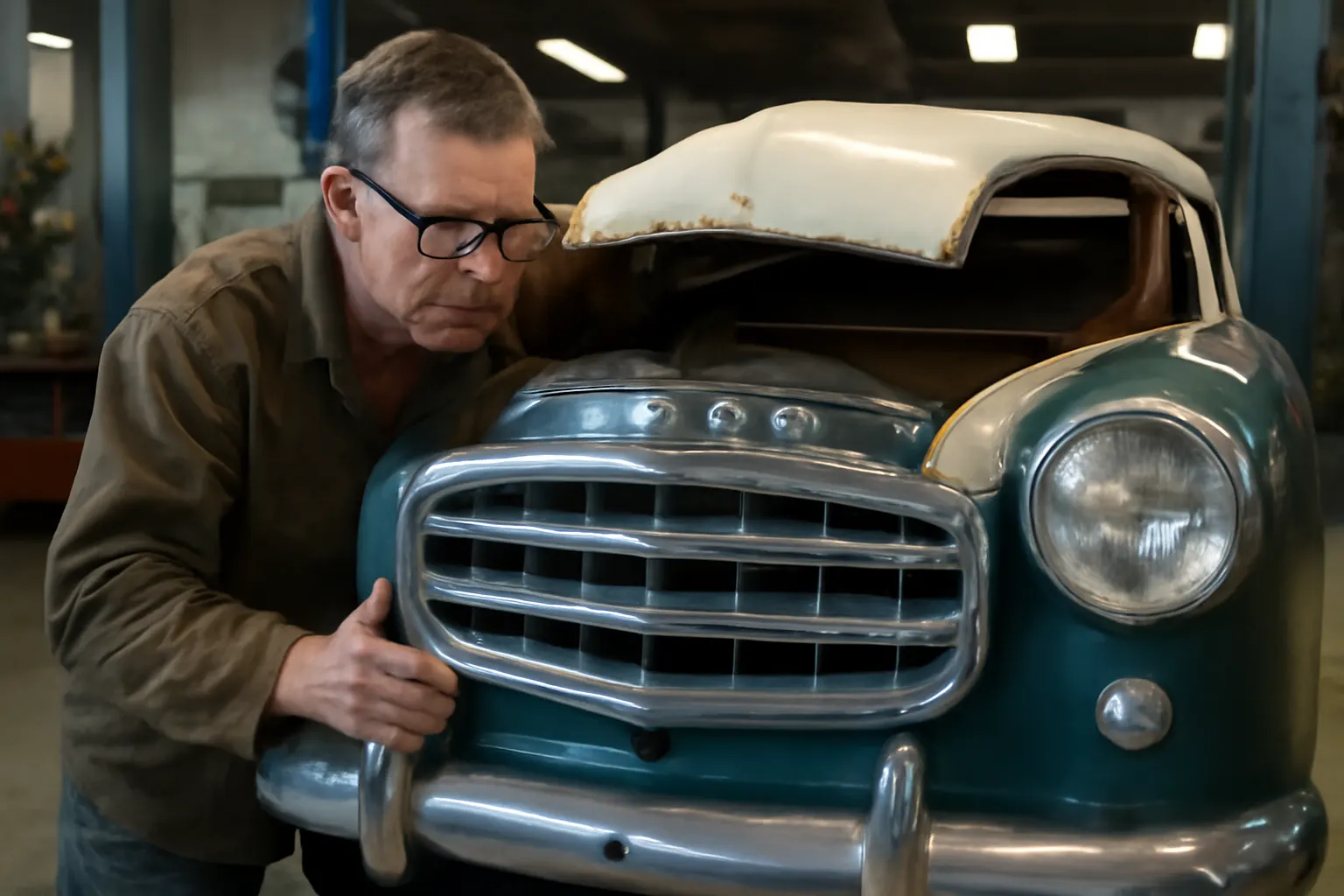
The Nash Restoration Guide: Authenticity & Sourcing
Restoring a Nash automobile is a pursuit fueled by passion, precision, and a commitment to authenticity. Whether you’re rejuvenating a Nash Ambassador, Metropolitan, or Statesman, the core of a successful restoration lies in meticulous research, genuine parts verification, and trusted supplier selection. This comprehensive guide details proven strategies to ensure your Nash project achieves both historical accuracy and modern reliability—delivering immediate, actionable steps for enthusiasts, restoration shops, and collectors alike.
Read More
Classic American OEM Parts Authentication
Authenticating classic OEM parts is the foundation of a successful restoration or maintenance project for vintage Nash and other American vehicles. Whether you’re a seasoned restorer or a first-time enthusiast, knowing how to distinguish genuine components from counterfeits, reproductions, or incorrect substitutes ensures your classic car remains authentic, safe, and reliable. This guide provides expert, actionable steps to verify OEM parts, spot fakes, and guarantee correct fitment for Nash and other American marques.
View Guide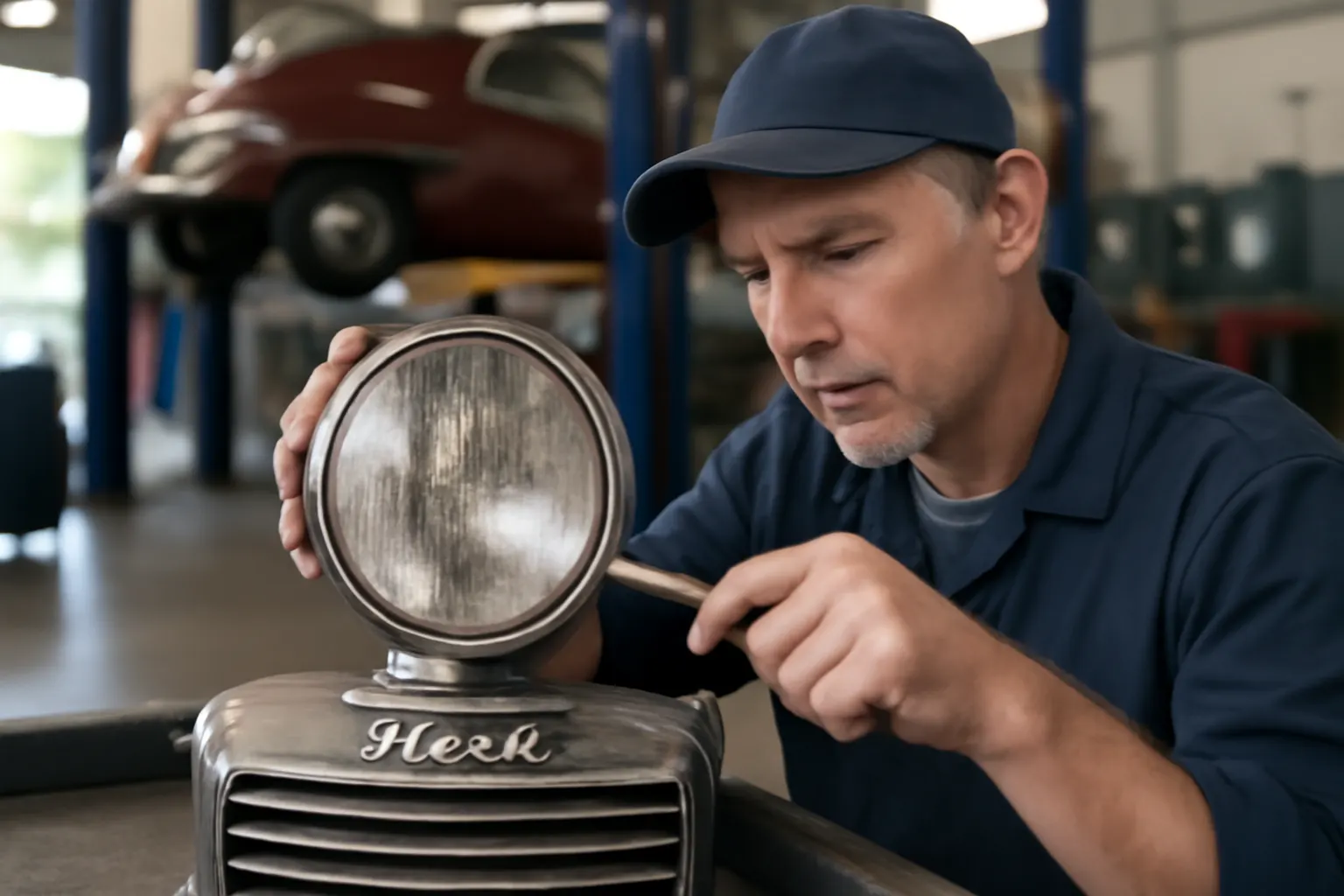
How to Source Hard-to-Find Nash Parts
Sourcing hard-to-find Nash parts requires a strategic approach that combines historical research, supplier vetting, and technical expertise. Whether you’re restoring a Nash Ambassador, reviving a classic Metropolitan, or maintaining a rare Nash-Healey, the solution involves identifying reputable suppliers, authenticating OEM components, and leveraging the collector community. This guide delivers actionable strategies and real-world examples for finding rare Nash parts—ensuring your project’s authenticity, safety, and value.
Read More