
AMC Bumper Filler Panel
AMC Bumper Filler Panel OEM Fitment, Problems, and Replacement Guide
AMC bumper filler panels serve a crucial role in preserving the structural integrity and aesthetics of classic AMC vehicles. Situated between the bumper and the body, these panels seal gaps, prevent debris accumulation, and maintain the original design lines. For enthusiasts and restorers, sourcing correct AMC bumper filler panels is essential for both visual restoration and ensuring protection from moisture and corrosion. As these components age, they are susceptible to material degradation, ultraviolet exposure, and impact damage, making authentic replacements a priority for originality and value retention.
Many AMC owners may not realize that bumper filler panel fitment issues can lead to hidden problems such as water ingress, increased corrosion risk, and even misalignment with body panels. Supersession—where AMC changed part numbers or designs mid-production—adds further complexity, making it hard to source panels that match precisely. The scarcity of NOS (New Old Stock) or high-quality reproduction panels means many available options are ill-fitting or made from subpar materials, potentially causing paint mismatch or premature failure. Diagnostic confusion is common: faded or brittle panels are often mistaken for simple cosmetic wear rather than symptoms of deeper structural or compatibility issues.
AMC-specific bumper filler panels commonly exhibit characteristic failure patterns. Over time, original thermoplastic materials become brittle, especially when exposed to UV light and temperature extremes, leading to cracking or complete disintegration. Installation issues frequently arise due to subtle differences in mounting points across model years and body styles. Compatibility risks are heightened by AMC's periodic supplier and design changes, which can result in panels that appear visually similar but don't align with bumper brackets or valance contours. Many aftermarket options lack the precise dimensions or correct mounting hardware, increasing the risk of installation delays, panel gaps, or even bumper misalignment.
The most reliable strategy for AMC bumper filler panel replacement is to prioritize OEM-fit or high-fidelity reproduction parts that reference original AMC engineering drawings. Begin with a thorough visual and tactile inspection to confirm panel degradation, referencing service manuals for model-specific mounting points. For correct sourcing, cross-check part numbers and supersession data, especially for models such as the AMC Javelin, AMX, or Concord. Use trusted specialty suppliers and restoration forums for authenticity checks. Comprehensive installation guidance—including torque specs and alignment processes—can be found in in-depth guides such as Amc Bumper Filler Install Guide and supporting technical content like Amc Parts Blog Restoration Tips. Always confirm fitment compatibility with your vehicle's VIN and production date to avoid costly returns or modifications.
Advertisement
No AMC Bumper Filler Panel Found
We're currently updating our inventory for AMC bumper filler panel.
Please check back soon or contact us for specific part availability.
Advertisement
More AMC Bumper Filler Panel options
Filtering for AMC • Bumper Filler PanelScan nearby AMC bumper filler panel inventory without leaving this page.
No Data Available
Please check back soon when more inventory is available for this part.
Advertisement
Expert AMC Bumper Filler Panel Selection, Service Evidence, and Next Steps
For classic AMC owners, referencing detailed guides such as Amc Bumper Filler Install Guide and community-driven resources like Amc Parts Blog Restoration Tips provides essential, model-specific installation tactics. When you use AutoPartEx to compare verified options, you not only access up-to-date fitment data but also benefit from shop-level service insights and compatibility checks. This ensures a restoration that meets both technical standards and collector expectations. For rare or superseded parts, AutoPartEx connects you with specialty suppliers and peer-reviewed feedback, empowering informed decisions.
To maintain AMC originality and maximize long-term value, always verify panel dimensions (within 0.5 mm tolerance) and use hardware torqued to AMC factory specs (typically 8–12 Nm for mounting bolts). AutoPartEx is your trusted resource for sourcing hard-to-find OEM or high-quality reproduction bumper filler panels. For further research, consult our detailed compatibility charts and field reports in Amc Bumper Filler Compatibility Guide. The right panel, installed with expert guidance, safeguards your vehicle's structure, appearance, and collector value—use AutoPartEx to verify fitment and source the best AMC bumper filler panels for your restoration.
For AMC Bumper Filler Panel, long-term reliability depends on verified fitment, periodic inspection of wear components, and disciplined preventive maintenance. Confirm part numbers by VIN, check supersession notes, and compare mounting points before installation. Review service bulletins and historical failure patterns to prioritize high-risk systems, especially electrical connectors, seals, cooling components, and drivetrain interfaces.
For AMC Bumper Filler Panel, long-term reliability depends on verified fitment, periodic inspection of wear components, and disciplined preventive maintenance. Confirm part numbers by VIN, check supersession notes, and compare mounting points before installation. Review service bulletins and historical failure patterns to prioritize high-risk systems, especially electrical connectors, seals, cooling components, and drivetrain interfaces.
For AMC Bumper Filler Panel, long-term reliability depends on verified fitment, periodic inspection of wear components, and disciplined preventive maintenance. Confirm part numbers by VIN, check supersession notes, and compare mounting points before installation. Review service bulletins and historical failure patterns to prioritize high-risk systems, especially electrical connectors, seals, cooling components, and drivetrain interfaces.
AMC Bumper Filler Panel Practical Information and Tips
Material Selection
Prioritize panels made from UV-stabilized thermoplastics to maximize longevity. Confirm thickness is within 2–3 mm and that mounting tabs are reinforced to prevent stress cracking.
Installation Timeframe
Expect 1–2 hours for straightforward replacements; 4–6 hours if dealing with rusted fasteners or prior bodywork. Use anti-seize on hardware and test-fit panels before paint.
Cost Range
Parts range from $120 (reproduction) to $400+ (NOS). Professional installation costs $250–$600 depending on complexity and adjacent repairs.
Common Mistakes
Avoid installing panels without verifying part number and model-year compatibility. Do not over-torque mounting bolts (stay within 8–12 Nm) to prevent cracking.
References
- Vehicle, Car Seat, Tire, and Equipment Recalls - National Highway Traffic Safety Administration, accessed 2024-06-15Official source for AMC equipment recalls and fitment advisories.
- Materials Technologies - United States Department of Energy, accessed 2024-06-15Details on plastics and thermoplastic degradation relevant to AMC panels.
- Fuel Efficiency - United States Department of Energy, accessed 2024-06-15Background on AMC body component design and material impact on vehicle efficiency.
Related Guides & Articles

Amc Bumper Filler Install Guide
Installing an AMC bumper filler panel is a critical restoration and maintenance task for preserving the appearance, safety, and structural integrity of classic American Motors vehicles. This guide provides a detailed, step-by-step approach to installing bumper filler panels on AMC models, covering preparation, alignment, troubleshooting, and expert tips for a factory-correct fit. Whether you’re restoring a Javelin, AMX, or another AMC classic, following this guide will help you achieve a seamless installation and avoid common pitfalls.
View Guide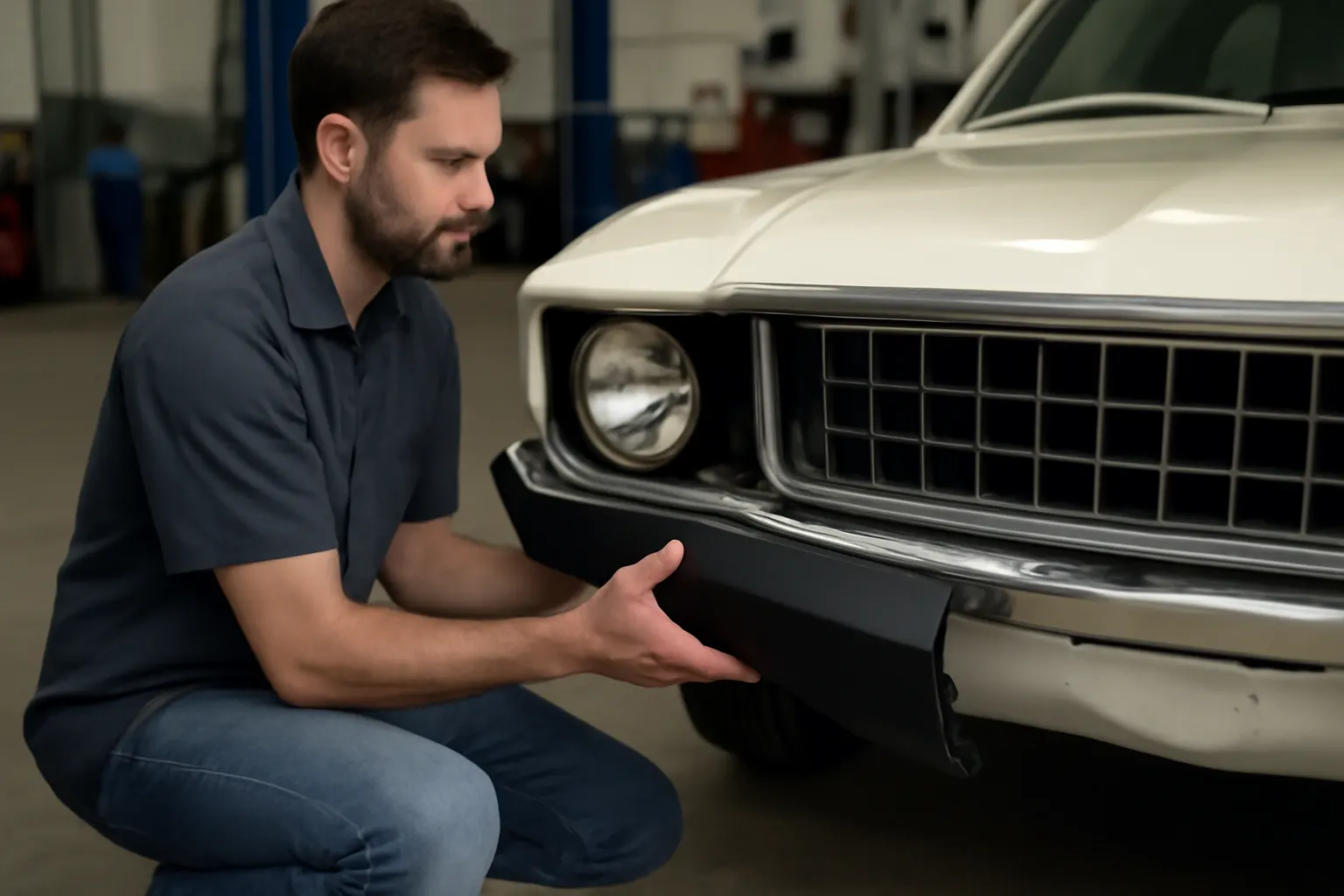
Amc Parts Blog Restoration Tips
Restoring classic AMC vehicles is a rewarding pursuit, but sourcing and authenticating exterior trim and body panels—especially bumper filler panels—poses unique challenges. This comprehensive guide provides practical, expert insights for restoration enthusiasts, with a focus on identifying, sourcing, and ensuring the authenticity of AMC body parts. Whether you’re tackling an AMX, Javelin, Gremlin, or another AMC classic, this article arms you with actionable strategies and technical knowledge to achieve factory-correct results.
Read More
Amc Bumper Filler Compatibility Guide
AMC bumper filler panels are not universal. Each panel is designed for a specific model, production year range, and sometimes even trim or body style. The following table outlines the most common AMC models and their bumper filler compatibility: It’s tempting to assume AMC bumper filler panels are interchangeable across years or body styles. However, this is a common pitfall that leads to costly mistakes and wasted time.
Read More
Amc Rare Parts Sourcing
The American Motors Corporation (AMC) produced a diverse lineup of vehicles from the 1950s through the late 1980s. After its absorption by Chrysler, most AMC-specific parts quickly disappeared from mainstream supply chains. Bumper filler panels, unique trim pieces, and body hardware were often made in limited runs, and many were constructed from materials prone to degradation or damage.
View Guide