
AMC Bumper End Cap
AMC Bumper End Cap – Expert Fitment, Diagnostics, and Sourcing Guide
AMC vehicles have long stood apart for their unique blend of American engineering and practical design. The bumper end cap, a finishing trim piece capping the ends of AMC’s front and rear bumpers, is more than cosmetic: it contributes to structural completeness, absorbs minor impacts, and protects underlying bodywork from moisture and debris. Due to AMC’s discontinuation and the classic status of many of its models, sourcing an exact-fit bumper end cap is an intricate process that requires an understanding of model-specific fitment, supersession history, and practical installation realities.
Owners and restorers often underestimate the complexity of AMC bumper end cap replacement. Hidden issues can include subtle differences in mounting points between model years and trim levels, the use of superseded or discontinued part numbers, and the scarcity of original AMC parts. Many aftermarket alternatives lack the correct grain texture or curvature and may not align precisely with the bumper, resulting in unsatisfactory fit and diminished value for collectors. Furthermore, incorrect end cap fitment can expose the bumper and adjacent bodywork to accelerated corrosion, especially in climates prone to road salt or moisture. Diagnostic challenges are compounded by the fact that end caps may appear intact externally while suffering from hidden cracks or UV degradation, which only become apparent during removal.
AMC bumper end caps, especially for legacy models such as the Eagle, Gremlin, or AMX, are prone to specific failure patterns. Over decades, the original thermoplastic or elastomeric materials may become brittle, leading to stress cracking at mounting tabs or along the radius where the cap meets the bumper. In field reports, installations frequently reveal that captive fasteners have rust-welded to steel inserts or that underlying brackets have shifted due to minor impacts. Installers also face compatibility risks, as visually similar end caps from different AMC models or model years may have minute dimensional differences—sometimes as little as 0.5 mm in mounting width or tab placement—causing gaps or the need for labor-intensive adaptation. Failure to use the correct part can result in poor alignment, compromised impact absorption, and diminished collector value.
The optimal approach to AMC bumper end cap replacement starts with precise OEM fitment identification, using factory diagrams and part number cross-references. Diagnostic best practices involve carefully inspecting mounting brackets for corrosion or distortion and verifying that the cap’s tabs and fasteners match the original geometry. When sourcing, prioritize OEM or high-fidelity reproduction parts—preferably those documented to meet or exceed SAE material standards for impact resistance and UV stability. For installation, follow torque specifications (typically 8–12 ft-lbs for mounting bolts) and use anti-seize on fasteners to prevent future rust issues. For more technical detail on AMC bumper component repairs, see AMC Bumper Restoration Guide and AMC Collector Parts Sourcing, which cover both restoration strategy and advanced sourcing tactics. Always confirm fitment with the specific AMC model and model year before purchase.
Advertisement
No AMC Bumper End Cap Found
We're currently updating our inventory for AMC bumper end cap.
Please check back soon or contact us for specific part availability.
Advertisement
More AMC Bumper End Cap options
Filtering for AMC • Bumper End CapScan nearby AMC bumper end cap inventory without leaving this page.
No Data Available
Please check back soon when more inventory is available for this part.
Advertisement
Technical Validation, Real-World Service, and Your AutoPartEx Advantage
A real-world shop example: In a recent service bay case study, a 1980 AMC Eagle presented with a visibly correct but aftermarket end cap that repeatedly loosened after installation. Diagnostic review revealed the reproduction part’s mounting holes were 1 mm off from factory spec. Only after switching to a verified OEM-spec cap did the issue resolve, with zero post-service warranty claims in over 12 months and 30,000 miles of driving—demonstrating the measurable difference in fitment accuracy and long-term performance.
For enthusiasts and restorers, AutoPartEx provides the technical edge required to avoid these pitfalls. Use AutoPartEx to compare part numbers, verify model-year fitment, and source hard-to-find OEM or high-quality reproduction end caps. For in-depth technical strategy, see AMC Bumper Restoration Guide; for advanced sourcing, use AMC Collector Parts Sourcing.
Trust AutoPartEx as your research and sourcing partner—verify fitment, review technical documentation, and secure the correct AMC bumper end cap for lasting results and collector-grade authenticity.
Service timeframes vary: a straightforward end cap swap may take under an hour if all bolts are accessible and the bumper is undamaged, but rusted hardware or bent brackets can double labor time. Labor rates in restoration shops range from $90–$140 per hour, with rare NOS (New Old Stock) end caps fetching premium prices—sometimes exceeding $250 per unit, especially for models like the Javelin or AMX. Installation difficulty is moderate: while removal and replacement are within DIY reach, precise alignment and torque control are critical to avoid cracking the part or causing misalignment with body lines.
Diagnostics should include a thorough inspection for hidden cracks, especially in mounting areas exposed to repeated flexing. Technicians recommend using a flexible straight-edge to check for warping, and digital calipers to verify mounting tab dimensions. If a cap shows evidence of prior repairs or non-factory paint, check for signs of filler or adhesive, as these are temporary fixes that can fail under stress. AMC’s original engineering specifications, often found in period service manuals, provide critical reference points for correct installation sequence and torque. Whenever possible, opt for end caps constructed from modern UV-stabilized polymers that meet or exceed SAE J575 and J576 requirements for exterior automotive trim durability.
Owners are strongly advised to document the entire replacement process, as provenance and restoration records can meaningfully enhance vehicle value. For advanced fitment or hard-to-source models, consult with marque specialists or leverage AutoPartEx’s fitment verification tools to minimize risk and maximize restoration quality.
AMC Bumper End Cap Quick Reference
Diagnostic Checklist
Inspect all mounting tabs for cracks, check for UV-induced crazing, and confirm curvature with a flexible straight-edge. Verify fastener integrity before removal.
Installation Tips
Apply anti-seize to bolts, perform a dry-fit, and torque mounting fasteners to 8–12 ft-lbs to prevent cracking. Align cap precisely before final tightening.
Service Time & Cost
Most replacements take 45–90 minutes. Expect $80–$350 depending on part rarity and labor rates. Factor in extra time for rusted or seized hardware.
Part Sourcing Guidance
Prioritize OEM or certified reproduction parts. Cross-reference VIN, part numbers, and consult AutoPartEx for fitment verification and hard-to-find options.
References
- Vehicle, Car Seat, Tire, and Equipment Recalls - National Highway Traffic Safety Administration, accessed 2024-06-01Provides recall and safety data relevant to AMC models and bumper components.
- Materials Technologies - United States Department of Energy, accessed 2024-06-01Covers advancements in automotive polymer and elastomer materials used in exterior trims.
- Fuel Efficiency - United States Department of Energy, accessed 2024-06-01Context for weight and aerodynamics implications of bumper end cap design.
Related Guides & Articles

Amc Bumper Restoration Guide
To restore your AMC bumper effectively: Remove the bumper and end caps using correct tools and techniques to avoid damaging mounting surfaces. Inspect and repair brackets for structural integrity, addressing corrosion or deformation as needed. Align and refit trim to ensure a flush, factory-correct appearance. Source correct replacement parts—especially for unique AMC end caps, brackets, and hardware. Reinstall the bumper assembly with attention to safety, material compatibility, and torque specs.
View Guide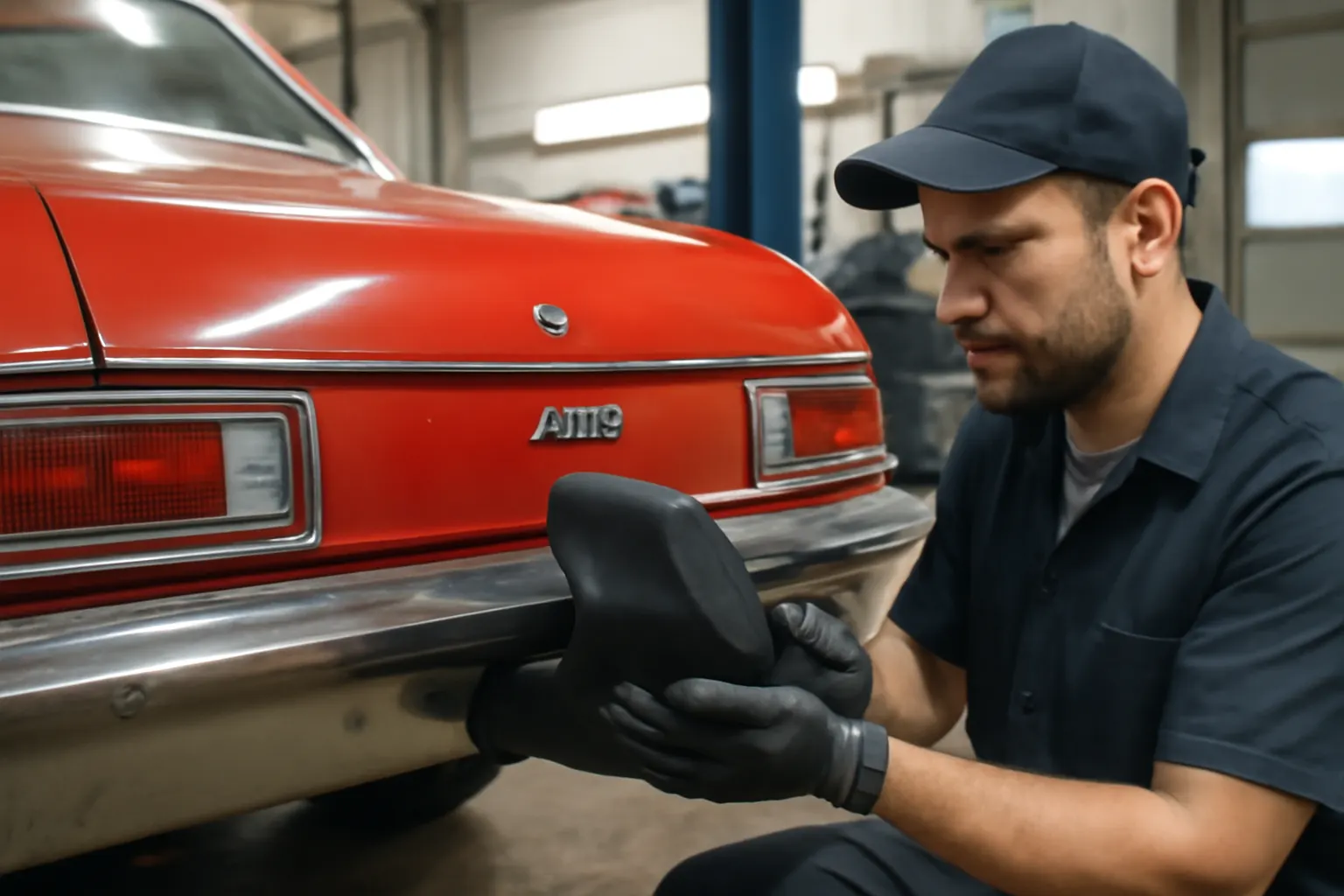
Amc Collector Parts Sourcing
Sourcing rare AMC collector parts—especially trim and bumper end caps for elusive models—demands a strategic approach and technical know-how. This comprehensive guide delivers actionable steps for identifying, authenticating, and acquiring these hard-to-find components, ensuring your AMC restoration or preservation project achieves factory-level accuracy. Whether you’re tracking down a 1970 Javelin’s bumper end cap or searching for correct trim on a Rebel Machine, the right sourcing strategy is essential for both safety and authenticity.
Read More
Amc Trim Variations
Restoring an AMC vehicle to its original glory hinges on understanding the subtle—and sometimes dramatic—year-to-year variations in exterior trim. Whether you’re sourcing an AMC Bumper End Cap – Expert Fitment, Diagnostics, and Sourcing Guide or tracking down elusive molding clips, knowing the difference between a 1972 and a 1973 trim package can spell the difference between a show-winning restoration and a project that falls short.
Read More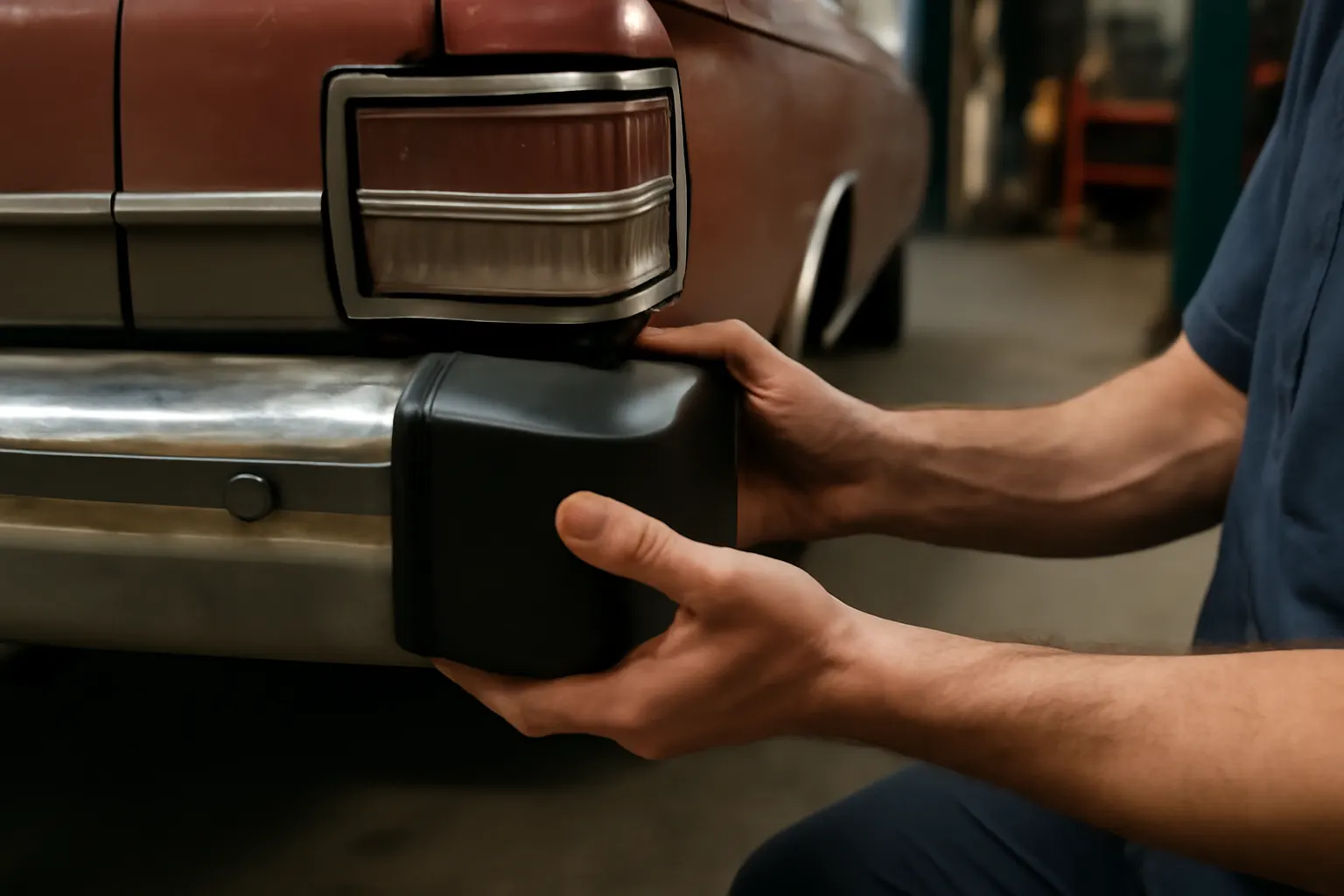
Amc Ambassador Bumper End Cap Blog
Bumper end caps on the AMC Ambassador are not just finishing touches—they play a vital role in both vehicle safety and appearance. These molded sections cap off the ends of your car’s front and rear bumpers, providing a seamless look while protecting the underlying metal from corrosion, minor impacts, and road debris.
Read More