
Advertisement
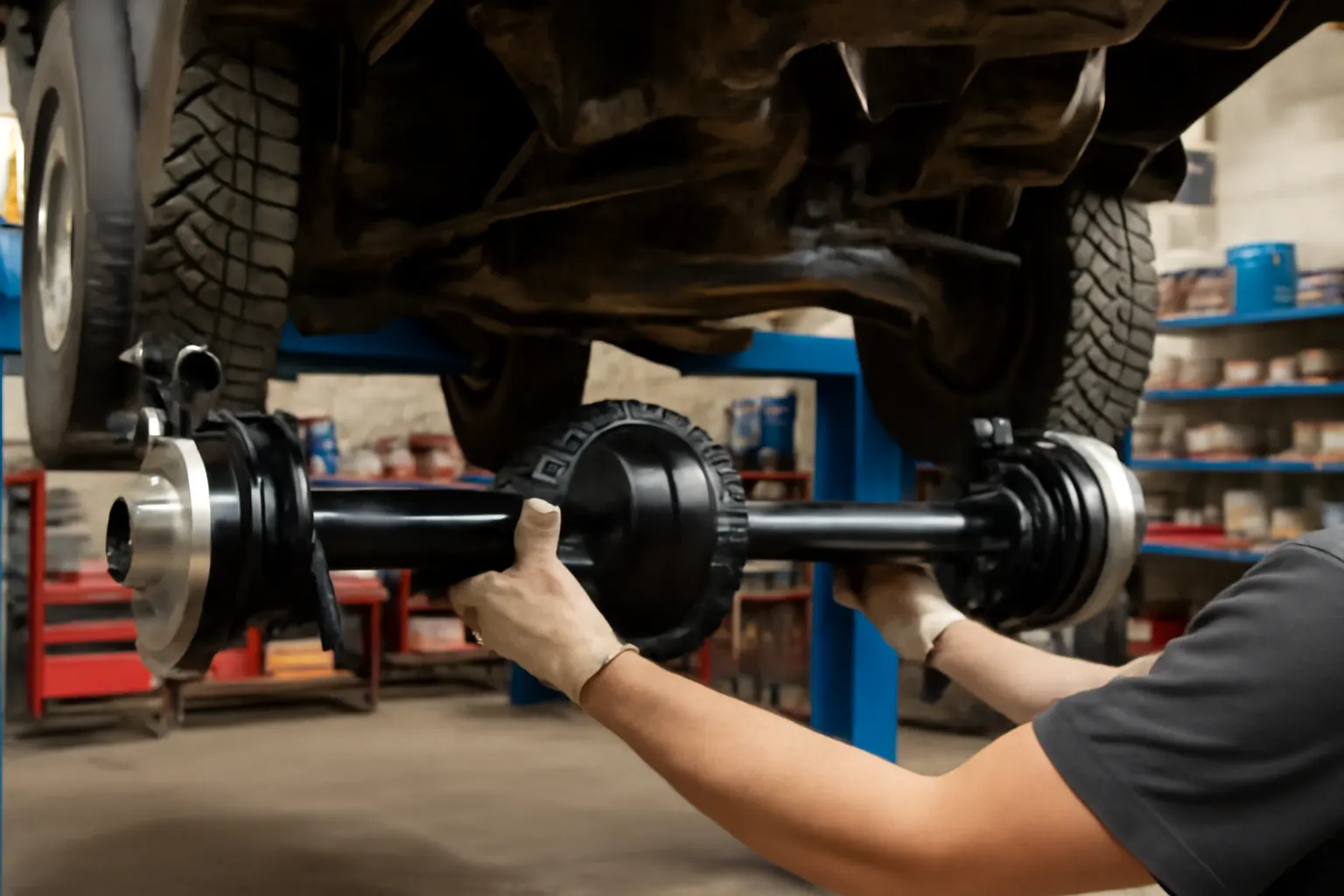
Toyota’s front axle assemblies for 4WD models have undergone significant upgrades in recent years, focusing on improved materials, enhanced durability, and better fitment for demanding off-road and utility applications. If you own or service a Toyota 4WD, understanding these upgrades is crucial for maximizing performance, reliability, and long-term value. This blog explores the latest advancements in Toyota front axle technology, details common failure patterns, and provides actionable guidance for sourcing, diagnosing, and upgrading your front axle assembly. For a comprehensive technical overview, including fitment and sourcing, visit our Toyota Front Axle Assembly (4WD w Housing): Technical Fitment, Failure Patterns, and OEM Sourcing page.
The Immediate Answer: What’s New in Toyota Front Axle Upgrades?
Toyota’s recent front axle upgrades for 4WD models emphasize advanced materials, improved heat treatment, and refined manufacturing tolerances. These enhancements directly address wear-prone areas such as axle shafts, differential housings, and bearing interfaces, resulting in assemblies that offer greater resistance to fatigue, corrosion, and impact loading. Owners of popular models like the Tacoma, 4Runner, and Land Cruiser benefit from these upgrades through extended service intervals, reduced failure rates, and improved off-road capability.
Key improvements in late-model Toyota front axles include:
- High-strength, lightweight steel alloys for shafts and housings
- Enhanced surface treatments for corrosion and wear resistance
- Redesigned seals and bearings for superior contamination control
- Optimized geometry for increased ground clearance and articulation
- Integration of OEM diagnostic features for easier maintenance
These upgrades are not just incremental—they represent a strategic shift to meet the demands of modern 4WD use, from daily driving to extreme off-road conditions.
The Hidden Problem: Legacy Axle Weaknesses and Real-World Failures
While Toyota’s front axles have a reputation for reliability, earlier generations and high-mileage assemblies are increasingly prone to issues that can compromise safety and performance. Hidden within many 4WD vehicles are axle assemblies that may be subject to fatigue cracks, seal leaks, bearing wear, or even recall-related defects. Many owners may be unaware of these latent weaknesses until a failure occurs under load, during off-road use, or at highway speeds.
Common legacy problems include:
- Shaft twisting or breakage under heavy torque
- Premature bearing or seal failure due to inadequate lubrication or contamination
- Housing corrosion, especially in rust-belt climates
- Differential side gear wear leading to backlash and noise
- Alignment and fitment inconsistencies after suspension modifications
Ignoring these issues can lead to catastrophic axle failure, loss of 4WD functionality, and costly repairs. In some cases, unresolved axle problems may even result in safety recalls or insurance complications. For a full diagnostic checklist to identify these risks, refer to our Toyota Axle Diagnostic Checklist.
Understanding the Technical Evolution: Materials, Manufacturing, and Standards
Toyota’s front axle upgrades are rooted in cutting-edge materials science and manufacturing advancements. The adoption of high-strength, low-alloy (HSLA) steels and advanced heat-treatment processes has enabled axles to withstand higher loads without significant weight penalties. According to the United States Department of Energy, modern automotive materials focus on reducing weight while maintaining or improving structural integrity—key for both performance and fuel efficiency Materials Technologies.
Technical highlights of Toyota’s upgraded front axles include:
- Alloy Selection: Use of microalloyed steels with optimized carbon, manganese, and molybdenum content for superior strength and ductility.
- Heat Treatment: Precision induction hardening at bearing and spline interfaces to resist surface fatigue and pitting.
- Corrosion Protection: Application of e-coat primers, zinc-rich galvanization, and advanced sealants for long-term resistance to rust.
- Precision Machining: Tightened tolerances on bearing bores and flange faces to ensure proper fitment and reduce vibration.
These upgrades are validated through rigorous testing and compliance with SAE International standards for axle performance and durability.
Diagnosing Front Axle Issues: A Practical Checklist
Whether you’re upgrading or maintaining your Toyota 4WD, a systematic diagnostic approach is essential. Use this checklist to evaluate the health of your front axle assembly:
Toyota Front Axle Diagnostic Checklist
Advertisement
| Inspection Point | What to Look For | Action if Fault Found |
|---|---|---|
| Shaft & Housing | Cracks, bends, corrosion | Replace or upgrade assembly |
| Seals & Bearings | Leaks, noise, excessive play | Replace seals/bearings, inspect surfaces |
| Differential Gears | Backlash, grinding, metal shavings | Rebuild or replace differential |
| U-Joints & CV Joints | Play, binding, torn boots | Replace joint or entire shaft |
| Mounting Flanges & Hardware | Looseness, elongation, rust | Replace hardware, inspect housing |
| Lubrication | Dirty, low, or contaminated fluid | Flush and refill, inspect for leaks |
| Alignment & Geometry | Uneven tire wear, drift, vibration | Realign suspension, check mounts |
Performing these checks at every major service interval or before heavy off-road use can prevent unexpected failures and extend axle life.
Upgraded Materials: What Makes the New Axles Better?
One of the most significant advances in Toyota’s front axle assemblies is the use of next-generation materials. The move from conventional carbon steel to high-strength alloys and composite bushings has resulted in axles that are both lighter and more durable.
Key Material Upgrades
- HSLA Steels: Offer higher yield strength and fatigue resistance without the brittleness of older alloys.
- Composite and Polymer Seals: Improved resistance to heat and abrasion, extending service intervals.
- Advanced Bearing Materials: Incorporation of ceramic or coated rolling elements for reduced friction and longer lifespan.
These improvements are not only theoretical—field data and teardown analyses show a marked reduction in wear patterns and failure rates when compared to previous-generation axles.
Fitment Considerations: Ensuring Compatibility with Your 4WD
Not all upgrades are bolt-on compatible with every Toyota 4WD model. Variations in suspension geometry, differential ratios, and hub designs mean that careful attention must be paid to part numbers and fitment guides.
Fitment Best Practices
- Verify Model and Year: Cross-reference your vehicle’s VIN with Toyota’s official fitment charts.
- Check Differential Ratios: Mismatched ratios can cause drivetrain binding or failure.
- Inspect Suspension Modifications: Lift kits, larger tires, or aftermarket control arms may necessitate custom axle lengths or reinforced housings.
- Consult OEM and Aftermarket Guides: Use resources like the Toyota Axle Installation Guide for step-by-step fitment instructions.
Correct fitment ensures optimal performance and avoids costly rework or premature wear.
Durability Enhancements: Real-World Benefits for Off-Road and Utility Use
Toyota’s latest front axle assemblies are engineered for demanding environments, from rock crawling to heavy towing. Enhanced durability features include:
- Oversized Bearings and Seals: Increase load capacity and service life under extreme conditions.
- Reinforced Housing Designs: Thicker walls and gusseted mounts resist bending and torsional loads.
- Improved Lubrication Channels: Ensure even distribution of gear oil, reducing hot spots and wear.
Owners report fewer failures during off-road events and a noticeable reduction in vibration and noise, even after extended use in mud, sand, or snow.
Diagnosing the Need for an Upgrade: When is Replacement Necessary?
While some front axle issues can be resolved with minor repairs, others indicate the need for a full upgrade or replacement. Consider upgrading if you observe:
- Recurrent seal or bearing failures despite proper maintenance
- Visible cracks, bends, or corrosion on the axle shaft or housing
- Persistent drivetrain noise or vibration after repair attempts
- Upgrades to engine output, tire size, or suspension geometry that exceed OEM axle specifications
Delaying necessary upgrades can result in secondary damage to your differential, hubs, or transfer case, leading to much higher repair costs.
Navigating Recalls and Safety Bulletins
Before committing to an axle upgrade or replacement, check for active recalls or technical service bulletins (TSBs) affecting your Toyota 4WD. The National Highway Traffic Safety Administration (NHTSA) maintains a searchable database of vehicle and equipment recalls, including axles and related components NHTSA Recalls.
Key steps:
- Search by VIN: Identify any open recalls or TSBs for your specific vehicle.
- Contact Your Dealer: Confirm eligibility for free repairs or upgraded parts.
- Document Repairs: Maintain records for warranty and resale value.
Addressing recall issues before performing upgrades ensures compliance and safety.
Advertisement
Sourcing OEM and Aftermarket Upgraded Axles
Choosing the right replacement axle involves balancing cost, quality, and application. Toyota Genuine Parts offer proven fitment and durability, while select aftermarket brands provide performance enhancements for extreme use.
Sourcing Checklist
- OEM Parts: Ensure direct compatibility, full warranty, and compliance with Toyota’s engineering standards. Reference our OEM Toyota Axle Sourcing Article for procurement strategies.
- Aftermarket Upgrades: Look for manufacturers who publish SAE-compliant test data and offer reinforced designs for off-road or towing applications.
- Supplier Reputation: Choose vendors with documented quality control and robust technical support.
- Return and Exchange Policies: Important in case of fitment discrepancies or shipping damage.
Never compromise on axle quality—substandard assemblies can lead to catastrophic failure and void insurance or safety certifications.
Installation Guidance: Steps for a Successful Upgrade
Proper installation is as critical as the quality of the axle itself. Even the best assemblies can fail prematurely if installed incorrectly.
Installation Best Practices
- Prepare the Work Area: Clean, well-lit, and equipped with all necessary tools and safety gear.
- Follow OEM Torque Specs: Over- or under-tightening mounting hardware is a leading cause of axle failure.
- Lubricate Bearings and Seals: Use only Toyota-approved lubricants to prevent premature wear.
- Align Suspension Components: Improper alignment can induce stress and accelerate wear.
- Double-Check Fitment: Ensure splines, flanges, and mounting points are fully seated and free from debris.
- Test Drive and Re-Torque: Verify functionality under load and re-torque hardware after initial use.
Detailed step-by-step instructions are available in our Toyota Axle Installation Guide.
Maintenance and Inspection: Maximizing Axle Lifespan
Routine maintenance is essential to realize the full benefits of upgraded axles. Incorporate these practices into your service schedule:
- Regular Fluid Changes: Use high-quality gear oil and monitor for contamination or low levels.
- Seal and Boot Inspections: Look for leaks, cracks, or tears after off-road use or high-mileage intervals.
- Torque Checks: Periodically re-torque axle and suspension hardware, especially after heavy use.
- Noise and Vibration Monitoring: Address new sounds or vibrations immediately—these are early warning signs of axle distress.
Proactive maintenance can extend axle life well beyond the OEM service interval and prevent costly drivetrain repairs.
The Impact on Fuel Efficiency and Performance
Upgraded front axles contribute to overall vehicle efficiency by reducing parasitic losses and unsprung weight. According to the Department of Energy, drivetrain improvements—including lighter, stronger axles—can directly improve fuel economy and handling responsiveness Fuel Efficiency.
Benefits include:
- Reduced Rotational Mass: Lighter axles require less energy to accelerate and decelerate.
- Improved Power Transfer: Tighter tolerances and upgraded bearings reduce frictional losses.
- Enhanced Off-Road Capability: Stronger axles allow for larger tires and more aggressive gearing without sacrificing reliability.
These gains are especially noticeable in vehicles used for both daily driving and off-road recreation.
AutoPartEx: Your Technical Partner for Toyota Front Axle Solutions
At AutoPartEx, we specialize in providing technical guidance, sourcing expertise, and hands-on support for Toyota axle upgrades. Our data-driven approach ensures you receive assemblies that meet or exceed OEM standards, with full transparency on materials, fitment, and performance characteristics. From diagnostic checklists to installation guides, our resources are designed for both DIY enthusiasts and professional technicians.
Explore our comprehensive Toyota Front Axle Assembly (4WD w Housing) category for detailed technical fitment data, failure pattern analysis, and OEM sourcing options tailored to your Toyota 4WD model.
Expert Action: Next Steps for Owners and Technicians
- Assess Your Current Axle: Use our diagnostic checklist to evaluate the condition and identify upgrade needs.
- Research Upgrades: Match your application—daily driving, towing, or off-roading—to the right axle specifications.
- Source Quality Components: Prioritize OEM or high-quality aftermarket assemblies with proven durability.
- Install with Precision: Follow best practices for installation and alignment to ensure long-term performance.
- Maintain Proactively: Incorporate axle inspections and fluid changes into your routine service schedule.
For personalized recommendations or sourcing assistance, contact the AutoPartEx technical team or consult our extensive library of guides and articles.
References
- Materials Technologies — United States Department of Energy
- Vehicle, Car Seat, Tire, and Equipment Recalls — National Highway Traffic Safety Administration
- Fuel Efficiency — United States Department of Energy
Advertisement
