Advertisement
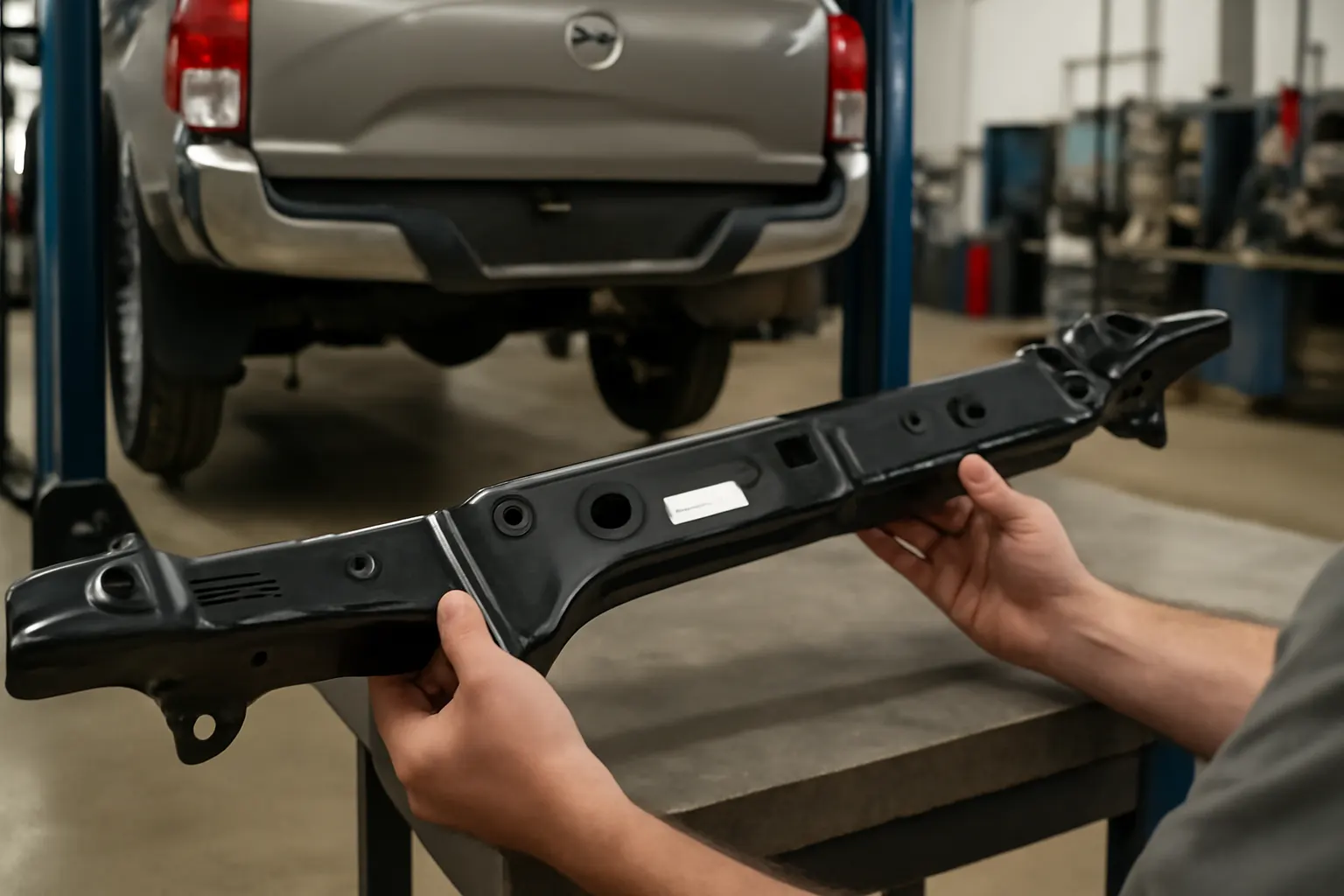
Toyota trucks and SUVs are renowned for their durability, but frame issues—including corrosion, hidden cracks, and fatigue—can undermine even the most robust models. Whether you own a Tacoma, Tundra, 4Runner, or Sequoia, understanding how to diagnose frame problems is crucial for safety, longevity, and value retention. This guide delivers the most actionable, up-to-date diagnostic strategies for Toyota frame inspection, identifies the most common failure patterns, and details how to address corrosion hotspots before they become structural liabilities. For a complete catalog of frame parts and diagnostic tools, visit our Toyota Frame Parts – OEM Frame Solutions & Diagnostic Expertise | AutoPartEx hub.
Why Toyota Frame Diagnostics Matter Immediately
Frame integrity is the backbone of your Toyota’s safety, performance, and resale value. Hidden frame issues can lead to catastrophic safety failures, costly repairs, and even total vehicle loss. Effective frame diagnostics empower owners and technicians to:
- Detect and address corrosion before it compromises structural rigidity.
- Identify cracks and fatigue that could lead to frame separation or collapse.
- Prevent secondary damage to suspension, drivetrain, and body components.
- Maintain compliance with safety regulations and OEM standards.
Ignoring frame diagnostics can result in undetected safety risks, failed inspections, and expensive component replacements that could have been avoided with timely intervention.
The Hidden Problem: Frame Issues Aren’t Always Visible
While surface rust or a visible dent may catch your attention, the most dangerous Toyota frame issues often lurk beneath the surface. Trucks and SUVs—especially those exposed to harsh climates, road salt, or heavy loads—are at increased risk for:
- Internal corrosion within boxed frame sections.
- Microcracks near welds, suspension mounts, or crossmembers.
- Frame rail thinning that evades a casual glance but erodes structural strength.
These hidden problems are a primary reason why Toyota frame recalls have made headlines and why diagnostic vigilance is necessary for every owner and technician.
Expanding the Problem: Real-World Failure Patterns and Corrosion Hotspots
Toyota frames, particularly in models manufactured from the late 1990s through the mid-2010s, have exhibited distinct failure patterns. Understanding these patterns is key to effective diagnostics:
Common Toyota Frame Failure Patterns
- Boxed Section Corrosion: Moisture and debris accumulate inside boxed frame rails, leading to rust-through from the inside out. This is prevalent in Tacoma, Tundra, and Sequoia models.
- Weld Fatigue and Cracking: Repeated stress at welds—especially around suspension mounts and crossmembers—can cause microcracks that propagate over time.
- Frame Rail Thinning: Road salt and chemical deicers accelerate corrosion along lower frame rails and mounting points, causing thinning that may not be obvious until significant strength is lost.
- Crossmember Detachment: Corrosion at crossmember connections can lead to partial or complete separation, particularly in high-mileage or heavily loaded vehicles.
Corrosion Hotspots to Watch
- Rear frame rails, especially near leaf spring hangers and shackle mounts
- Front crossmember and radiator support areas
- Inside boxed sections, accessible via factory drain holes
- Welded seams and frame-to-body mounting points
- Lower frame rails behind wheel wells
Technical Deep Dive: How Frame Failures Affect Safety and Performance
A compromised frame is more than an aesthetic concern—it directly threatens vehicle safety and function. Here’s how:
Safety Implications
- Crashworthiness: The frame absorbs and dissipates energy in a collision. Corrosion or cracks reduce its ability to protect occupants, increasing injury risk (NHTSA Equipment).
- Suspension and Alignment: Frame deformation alters suspension geometry, causing unpredictable handling, increased tire wear, and steering instability.
- Component Stress: Weak frame sections transmit abnormal loads to the drivetrain and body, leading to premature failure of mounts, bushings, and even engine components.
Advertisement
Performance and Efficiency
- Fuel Efficiency: Excessive frame weight from rust scale, or weakened frame sections causing misalignment, can reduce fuel economy and increase drivetrain wear (DOE Fuel Efficiency).
- Noise, Vibration, and Harshness (NVH): Frame cracks and loosened crossmembers introduce rattles and vibrations, degrading ride quality and comfort.
Advanced Diagnostic Strategies for Toyota Frames
Effective Toyota frame diagnostics require more than a flashlight and a quick visual sweep. The following strategies, tools, and techniques are essential for uncovering both obvious and hidden issues:
1. Visual and Tactile Inspection
- Clean the frame thoroughly before inspection—remove dirt, mud, and loose rust with a pressure washer.
- Use a bright inspection light and inspection mirror to examine all accessible surfaces, paying special attention to welds, seams, and boxed sections.
- Tap with a small hammer: Listen for changes in sound (a dull thud may indicate internal rust or thinning metal).
- Feel for soft spots or flaking: Press on suspect areas to detect weakened metal.
2. Probing and Thickness Measurement
- Awl or Pick Test: Gently probe rusted sections. If the tool penetrates, the frame metal is likely compromised.
- Ultrasonic Thickness Gauge: Provides precise measurements of metal thickness, allowing comparison to OEM specifications (SAE Standards).
3. Internal Inspection
- Borescope Camera: Insert into factory drain holes or drilled access points to inspect inside boxed frame sections for hidden rust or debris.
- Magnetic Particle Testing: Used by professionals to detect surface and slightly subsurface cracks, especially at welds.
4. Documentation and Baseline Creation
- Photograph and document all findings: Mark locations of concern for future monitoring or repair.
- Compare to OEM diagrams and specs: Use resources like the Toyota Frame Fitment Guide for reference.
Toyota Frame Diagnostic Checklist
Use the following checklist for a systematic frame inspection on Toyota trucks and SUVs:
| Step | Diagnostic Action | Tools/Notes |
|---|---|---|
| 1 | Clean frame thoroughly | Pressure washer, degreaser |
| 2 | Inspect exterior surfaces | Flashlight, inspection mirror |
| 3 | Check boxed sections | Borescope camera, awl |
| 4 | Tap frame rails and crossmembers | Small hammer |
| 5 | Probe suspect spots | Pick or awl |
| 6 | Measure metal thickness | Ultrasonic gauge |
| 7 | Inspect welds and mounts | Visual and magnetic testing |
| 8 | Document and photograph findings | Smartphone/camera |
| 9 | Compare to OEM specs | Fitment guides, service manuals |
| 10 | Plan repairs or replacements | Consult with frame specialists |
Interpreting Diagnostic Results: When Is Frame Repair or Replacement Needed?
Not all frame rust or damage requires immediate replacement, but certain findings demand urgent action:
- Penetrating Rust: If a pick or awl passes through the frame, structural integrity is compromised. Replacement or professional repair is required.
- Cracked Welds or Crossmembers: Any visible cracks, especially near suspension mounts or crossmembers, necessitate expert evaluation.
- Severe Thinning: If ultrasonic measurements reveal thickness below OEM minimums, the affected section must be reinforced or replaced.
- Crossmember Separation: Immediate repair is required if a crossmember is loose or detached.
Moderate surface rust can often be treated with rust converters and protective coatings, but advanced corrosion or structural cracks should never be ignored.
Sourcing the Right Toyota Frame Parts and Diagnostic Tools
Once a frame issue is identified, sourcing OEM-quality parts and the correct diagnostic tools is critical for safety and compliance. Considerations include:
Advertisement
- OEM vs. Aftermarket: OEM frames and crossmembers are engineered to match original safety standards and fitment tolerances (NHTSA Equipment). Aftermarket parts may vary in material quality or fit.
- Supersession Awareness: Toyota frequently issues supersession part numbers for frames; always confirm the latest part number using the Toyota Frame Supersession resource.
- Tool Quality: Invest in reliable ultrasonic thickness gauges, borescopes, and rust removal tools to ensure diagnostic accuracy and repair quality.
AutoPartEx offers a curated selection of Toyota frame parts, fitment guides, and diagnostic tools for both DIY and professional use.
Addressing Corrosion: Preventive and Corrective Techniques
Proactive frame maintenance can extend the life of your Toyota and reduce the likelihood of major repairs:
Preventive Measures
- Regular Cleaning: Rinse the undercarriage and frame after exposure to road salt, mud, or chemicals.
- Protective Coatings: Apply rust inhibitors, wax-based coatings, or frame-specific paints to vulnerable areas.
- Drainage Maintenance: Keep factory drain holes clear to prevent water accumulation inside boxed sections.
Corrective Actions
- Rust Removal: Use wire brushes, grinders, or sandblasting to remove surface rust before treating or recoating.
- Weld Repair: Minor cracks may be professionally welded, but always evaluate the surrounding metal for hidden weakness.
- Section Replacement: Severely corroded frame sections can sometimes be cut out and replaced with OEM repair kits, but full frame replacement is necessary if structural integrity is broadly compromised.
Installation and Post-Repair Inspection Guidance
Proper installation of frame components is as critical as the diagnostic process. Follow these best practices:
- Use OEM fasteners and torque specs: Prevents over-tightening and stress concentrations.
- Align suspension and body mounts precisely: Ensures proper handling and prevents premature bushing or mount failure.
- Post-installation inspection: Recheck all welds, bolts, and mounts after 100-500 miles to confirm integrity.
- Document repairs: Maintain a detailed record for future diagnostics and resale value.
For step-by-step installation procedures, see our Toyota Frame Installation guide.
Advanced Materials and Their Impact on Toyota Frame Longevity
Modern Toyota frames utilize advanced materials and coatings to combat corrosion and fatigue, but diagnostic approaches must adapt:
- High-Strength Steel: Used for weight reduction and increased crash protection (DOE Materials Technologies), but susceptible to specific corrosion patterns if coatings are breached.
- Galvanized Coatings: Provide a sacrificial layer, but once compromised, underlying steel can corrode rapidly.
- Composite Reinforcements: Some crossmembers use composite materials, which require different diagnostic and repair techniques.
Understanding the material composition of your Toyota frame is essential for selecting the correct diagnostic tools and repair strategies.
Regulatory and Safety Compliance: The Importance of Documentation
Proper frame diagnostics and repairs must align with safety regulations and documentation standards:
- Inspection Records: Detailed documentation supports vehicle value, insurance claims, and future diagnostics.
- Safety Recalls: Always check for outstanding frame-related recalls using the NHTSA Vehicle, Car Seat, Tire, and Equipment Recalls database.
- Standardized Procedures: Follow SAE and OEM standards for diagnostics, repairs, and replacement to ensure compliance and safety (SAE Standards).
When to Consult a Toyota Frame Specialist
Some frame issues require advanced expertise and equipment:
- Extensive internal corrosion or multiple cracks
- Frame misalignment affecting drivetrain or body fit
- Complex welding or section replacement
- Post-collision frame integrity assessment
A certified frame specialist can provide professional diagnostics, repair, and documentation to ensure your Toyota meets safety and performance standards.
AutoPartEx: Your Partner for Toyota Frame Diagnostics and Solutions
AutoPartEx is committed to supporting Toyota owners, technicians, and collision shops with the most comprehensive frame diagnostic resources, OEM parts, and technical guidance. From in-depth fitment guides to expert installation support, our platform is your one-stop solution for maintaining Toyota frame integrity.
For ongoing updates, detailed fitment data, and exclusive diagnostic tools, explore our Toyota Frame Parts – OEM Frame Solutions & Diagnostic Expertise | AutoPartEx category. For hands-on fitment help, see the Toyota Frame Fitment Guide.
References
- Vehicle Safety and Equipment – National Highway Traffic Safety Administration
- Fuel Efficiency – United States Department of Energy
- Materials Technologies – United States Department of Energy
- Vehicle, Car Seat, Tire, and Equipment Recalls – National Highway Traffic Safety Administration
- SAE Standards – SAE International
Advertisement