
Advertisement
Understanding the failure patterns of Toyota front axle beams—especially in 2WD trucks and vans with I-beam suspension—is crucial for fleet owners, independent repair shops, and Toyota enthusiasts. The most common causes of axle beam failure range from material fatigue and corrosion to overloading and improper installation. This article delivers practical insights, real-world case studies, and expert prevention strategies to help you keep your Toyota on the road and avoid costly downtime. For an in-depth technical overview of genuine fitment, common issues, and replacement options, see the Toyota Front Axle Beam (2WD, incl I Beam Susp) - Genuine Fitment, Technical Issues & Expert Solutions | AutoPartEx page.
Why Toyota Front Axle Beams Fail: The Immediate Answer
Toyota front axle beams in 2WD trucks and vans typically fail due to a combination of corrosion, fatigue cracking, improper loading, and sometimes manufacturing defects. These failures can manifest as visible cracks, deformation, or even catastrophic breakage, leading to severe safety risks and expensive repairs. Early detection and understanding the underlying causes are critical for avoiding sudden breakdowns and ensuring long-term vehicle safety.
The Hidden Problem: Subtle Warning Signs and Underlying Risks
Many Toyota owners and technicians overlook early symptoms of axle beam distress. Slight steering wander, abnormal tire wear, or minor creaks during compression can be the first indicators of a developing failure. Unlike more obvious component breakdowns, axle beam issues often progress slowly, with the most severe problems emerging only after years of exposure to harsh conditions or repeated overloading. Unaddressed, these hidden problems can lead to sudden loss of control, steering failure, or even complete axle separation.
Technical Expansion: How Axle Beam Failures Develop
Material Fatigue and Stress Concentration
Most Toyota 2WD front axle beams are fabricated from high-strength steel or a combination of steel alloys. Over time, repetitive stress from daily driving, potholes, and heavy loads can initiate microcracks—especially at welded joints or areas with abrupt changes in cross-section. According to the United States Department of Energy’s Materials Technologies research, fatigue is exacerbated when materials are subjected to cyclic loading beyond their designed limits, which is common in commercial use or when suspension modifications alter load paths.
Corrosion as a Primary Failure Driver
Corrosion, particularly in regions with road salt or high humidity, contributes significantly to Toyota axle beam failures. Rust weakens structural integrity, especially in beams with insufficient protective coatings or where water and debris accumulate. Corrosion often starts internally, making early detection challenging without thorough inspection. For an in-depth breakdown of corrosion mechanisms and materials science, see Toyota Axle Beam Materials Corrosion.
Overloading and Improper Use
Exceeding the manufacturer’s specified axle load—whether by carrying heavy cargo, towing beyond rated capacity, or fitting oversized wheels—accelerates wear and increases the risk of beam deformation or fracture. The National Highway Traffic Safety Administration (NHTSA) notes that improper modifications and overloading are leading contributors to structural failures in suspension and steering systems.
Manufacturing Variations and Recalls
While Toyota’s quality control is generally robust, occasional production inconsistencies, such as poor weld penetration or inadequate heat treatment, can create weak points in the axle beam. Some rare cases have even led to recalls, as tracked by the NHTSA Recalls Database. Always verify your vehicle’s VIN against recall notices if you suspect a manufacturing defect.
Real-World Case Studies: Common Toyota Axle Beam Failure Scenarios
Fleet Commercial Use: Fatigue and Corrosion
A commercial delivery fleet operating Toyota Hiace vans in the Midwest reported multiple front axle beam failures after 200,000+ miles. Inspections revealed extensive rust and fatigue cracks at the lower spring seat welds. The combination of salted winter roads and frequent curb strikes caused premature fatigue, with the beams ultimately failing during routine braking maneuvers.
Advertisement
Lifted Trucks: Overloading and Misalignment
A Toyota Hilux enthusiast group documented several cases where lifted 2WD trucks experienced axle beam bending and cracking. The culprit was often excessive wheel offset and larger tires, which increased leverage on the beam and altered suspension geometry. In these cases, the failure commonly started at the ends of the I-beam, propagating inward.
Aging Daily Drivers: Progressive Material Loss
Owners of 1980s-1990s Toyota pickups in coastal regions have reported axle beam perforation from the inside out. Long-term exposure to salt air and poor undercarriage maintenance led to hidden rust, which was only discovered after the beams failed inspection or, worse, after a sudden steering loss.
Diagnosing Toyota Axle Beam Problems: Early Detection Checklist
Early intervention is the key to preventing catastrophic axle beam failures. Use this detailed checklist during routine maintenance or pre-purchase inspections:
Toyota Axle Beam Failure Diagnostic Checklist
- Visual Inspection:
- Look for cracks, rust blisters, or flaking paint on the axle beam, especially at welds and mounting points.
- Check for deformation, bends, or dents along the beam’s length.
- Physical Testing:
- Gently tap the beam with a rubber mallet—listen for dull, inconsistent sounds that may indicate internal rust.
- Wiggle the beam and related suspension arms to check for excessive play or movement.
- Steering & Suspension Symptoms:
- Note any steering wander, clunking noises, or uneven tire wear.
- Observe if the vehicle pulls to one side under braking or acceleration.
- Underbody Rust Assessment:
- Inspect for heavy rust or water collection points near the axle beam.
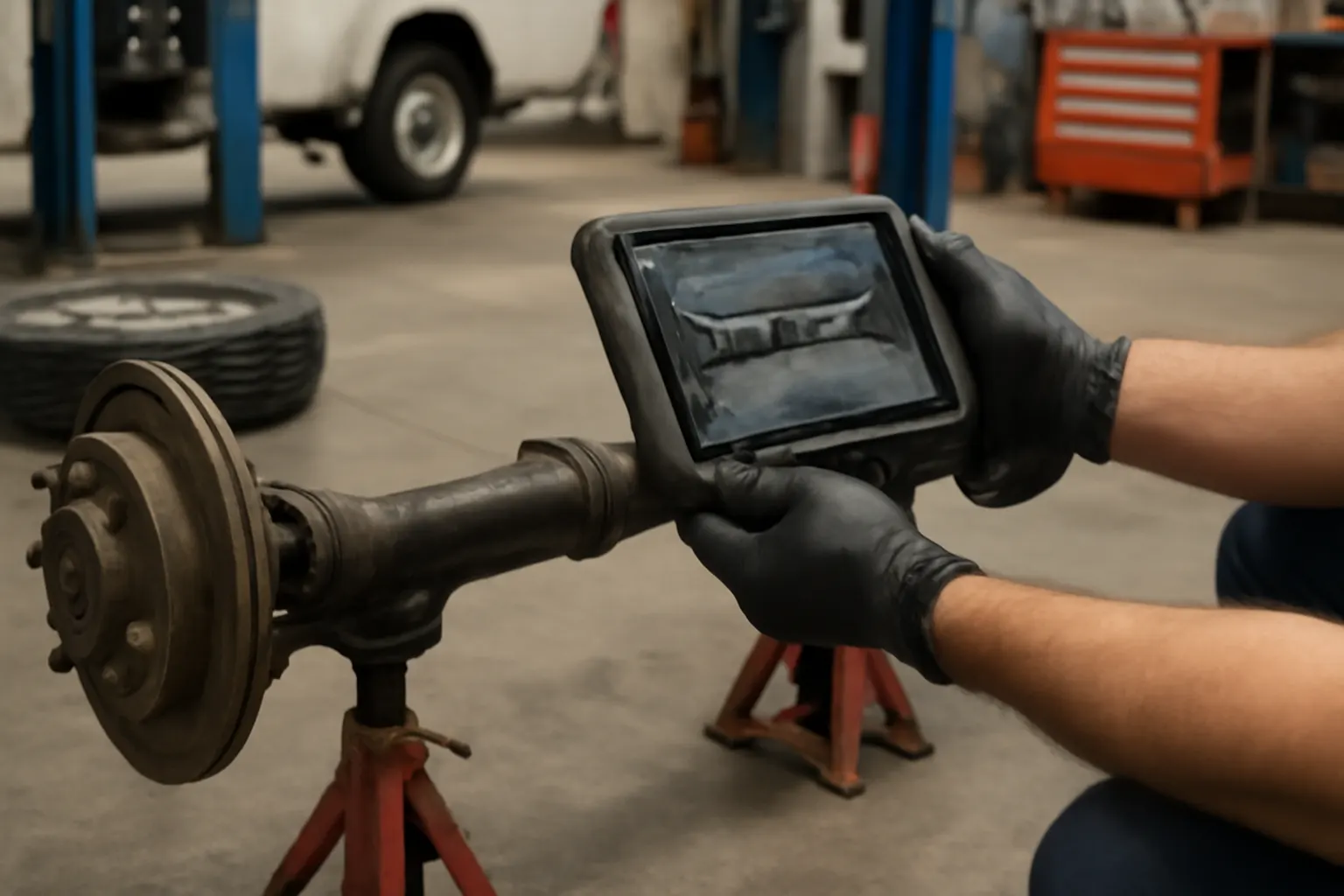
- Use a borescope or inspection camera for inside-the-beam evaluation, when possible.
- Load History Review:
- Ask about prior overloading, off-road use, or modifications that may have stressed the beam.
If any of these symptoms are present, consult a specialist or refer to the Toyota Front Axle Beam Diagnosis Replacement guide for step-by-step troubleshooting and safe removal procedures.
Technical Deep Dive: Materials, Manufacturing, and Engineering Standards
Steel Alloys and Corrosion Protection
Toyota utilizes various grades of steel for axle beams, balancing strength, ductility, and corrosion resistance. Galvanized coatings, epoxy paints, or wax-based undercoats are commonly applied, but these can degrade over time or be damaged by road debris. The DOE Materials Technologies program highlights that advancements in high-strength, low-alloy steels have improved fatigue life, but real-world protection depends on maintenance and environmental exposure.
Welding and Heat-Affected Zones
The most common failure initiation points are at or near welds—particularly where the I-beam is joined to mounting brackets or spring seats. Poor welding technique, inadequate penetration, or insufficient post-weld treatment can leave residual stresses and microcracks that propagate under load. Adherence to SAE Standards for welding and heat treatment is essential for long-term durability.
Structural Geometry and Load Distribution
The I-beam design used in many Toyota 2WD front axles is chosen for its balance of weight and strength. However, improper modifications (such as adding spacers or non-OEM components) can disrupt load paths and introduce stress risers, increasing the risk of failure. Always ensure that any replacement or upgrade maintains factory geometry and load ratings.
Prevention Strategies: Keeping Your Toyota Axle Beam Healthy
Regular Inspection and Cleaning
Perform thorough undercarriage inspections at every oil change or at least twice a year. Remove accumulated mud, road salt, and debris from around the axle beam to minimize corrosion. After winter driving, a high-pressure wash can help prevent salt-induced rust.
Protective Coatings and Rustproofing
Consider applying aftermarket rust inhibitors or re-coating exposed metal surfaces with a high-quality chassis paint. Pay special attention to weld seams and drain holes, as these are common initiation points for corrosion.
Advertisement
Load Management
Never exceed the manufacturer’s recommended axle weight rating. If you frequently carry heavy loads or tow trailers, inspect the beam and suspension more often. Use properly rated tires and avoid oversized wheels that can change the leverage on the axle.
Addressing Modifications and Aftermarket Parts
If your Toyota is lifted or modified, ensure that all suspension changes are engineered to maintain proper load distribution. Use only high-quality, model-specific components and regularly inspect for signs of stress or misalignment.
Replacement and Fitment: Choosing the Right Axle Beam
Genuine vs. Aftermarket Beams
Genuine Toyota axle beams are engineered and tested to meet strict safety and durability standards. While quality aftermarket options exist, always verify that any replacement meets or exceeds original equipment specifications and SAE standards. Inadequate aftermarket beams can introduce new failure risks.
Part Number Supersession
Toyota has revised axle beam part numbers over the years to address design improvements and compatibility. Before ordering a replacement, consult the Toyota Axle Beam Part Numbers Supersession guide to ensure proper fitment for your model and year.
Installation Best Practices
- Always use new hardware and torque fasteners to factory specifications.
- Replace worn bushings, mounts, and associated steering/suspension components at the same time.
- After installation, perform a full alignment and road test to verify proper handling.
Maintenance Tips for Extended Axle Beam Life
Seasonal Care
- Inspect and clean the axle beam after winter or off-road use.
- Touch up any chipped paint or coating immediately to prevent rust spread.
Monitoring for Recalls
- Register your vehicle with Toyota and the NHTSA Recalls Database to receive notifications about potential axle beam recalls or service campaigns.
Professional Inspections
- Have a qualified technician inspect the axle beam at each major service interval (30,000 miles or as recommended).
- Request a borescope inspection if internal rust is suspected.
Advanced Diagnostics: When to Seek Expert Help
Some axle beam issues, particularly internal rust or microcracking, require advanced diagnostic tools such as ultrasonic thickness gauges or dye penetrant testing. If you suspect a hidden problem but cannot confirm visually, consult a specialist shop with experience in structural chassis repairs.
Safety Considerations: Why Axle Beam Integrity Matters
A failed axle beam can cause catastrophic steering loss, wheel separation, or uncontrolled vehicle movement. The NHTSA emphasizes that all suspension and steering components—especially structural parts like the axle beam—must be maintained and replaced with parts that meet or exceed federal safety standards.
Sourcing and Buying Guidance: Where and How to Buy
When sourcing a replacement axle beam, prioritize suppliers who provide full traceability and certification for their parts. Avoid used beams unless their provenance and condition can be thoroughly verified. AutoPartEx partners with OEM and high-quality aftermarket suppliers to ensure you receive parts that meet strict safety and fitment standards.
AutoPartEx: Your Partner for Genuine Toyota Axle Beam Solutions
At AutoPartEx, we specialize in helping Toyota owners and repair professionals find the right front axle beam for every 2WD application—including those with I-beam suspensions. Our technical team can guide you through diagnosis, sourcing, and fitment, ensuring your repair is safe, reliable, and cost-effective. Explore our Toyota Front Axle Beam (2WD, incl I Beam Susp) - Genuine Fitment, Technical Issues & Expert Solutions | AutoPartEx resource for model-specific guidance, or connect with our experts for personalized support.
Expert Action: What to Do Next
- Inspect: Schedule a thorough inspection of your Toyota’s front axle beam, focusing on corrosion, cracks, and deformation.
- Prevent: Apply protective coatings and avoid overloading your vehicle.
- Replace: If failure signs are present, source a genuine or certified aftermarket replacement, using the correct part number for your model.
- Consult: For advanced diagnostics or complex repairs, consult an experienced suspension specialist or reach out to the AutoPartEx technical team.
Proactively maintaining your Toyota axle beam is the best investment you can make in safety, performance, and vehicle longevity. Don’t wait for warning signs—take action now to prevent costly repairs and dangerous failures down the road.
References
Advertisement