Advertisement
The Evolution of Brake Safety Systems
Modern automotive safety owes much to the rapid evolution of brake systems—especially the anti-lock braking system (ABS). Today’s drivers benefit from an intricate network of technologies that not only prevent wheel lockup but also integrate with traction, stability, and collision avoidance systems. Understanding how ABS technology evolved and how it synergizes with other safety modules is essential for anyone seeking maximum confidence behind the wheel. In this comprehensive guide, we’ll trace the journey from rudimentary drum brakes to today’s advanced anti-lock brake control modules, highlight the hidden pitfalls of outdated systems, and provide actionable advice for diagnostics, upgrades, and safe maintenance. Early awareness of these developments helps you make informed decisions about safety, performance, and part replacement—especially if you’re searching for quality components via the Anti-Lock Brake Control Module Guide.
The Immediate Answer: How ABS Transformed Brake Safety
The anti-lock braking system (ABS) revolutionized automotive safety by enabling drivers to maintain steering control during emergency stops. Unlike traditional brakes, which could cause wheels to lock and vehicles to skid, ABS rapidly modulates brake pressure on individual wheels, preventing lockup and maximizing tire-road contact. Since its introduction in passenger vehicles during the late 1970s and early 1980s, ABS has become a foundational component of modern vehicle safety, mandated on most new vehicles in major markets.
But ABS is only the beginning—today’s anti-lock brake control modules serve as the nerve center for a suite of advanced safety features, including electronic stability control (ESC), traction control systems (TCS), and even autonomous emergency braking (AEB). These integrations mean that the humble ABS module now plays a critical role in both everyday driving and life-saving scenarios.
The Hidden Problem: Outdated or Incompatible Brake Safety Systems
While most vehicles on the road today feature some form of ABS, not all systems are created equal. Many older vehicles still rely on early-generation ABS modules that lack compatibility with newer safety technologies. Even more concerning, worn or malfunctioning anti-lock brake control modules can silently compromise the effectiveness of the entire brake safety network—often without triggering an immediate warning light.
This hidden problem is exacerbated by the rapid pace of technological change. As safety standards and electronic integration accelerate, vehicle owners may find themselves with legacy systems that are difficult to diagnose, source parts for, or upgrade. The result? Reduced braking performance, diminished stability in adverse conditions, and—most dangerously—a false sense of security.
The Evolution of Brake Technology: From Mechanical to Electronic
Early Braking Systems
The earliest vehicles relied on mechanical drum brakes—simple, robust, but prone to fade and uneven performance. Hydraulic brake systems, introduced in the 1920s, offered significant improvements in force distribution and reliability. However, both systems shared a critical weakness: in emergency stops, wheels could easily lock, leading to loss of control.
The Birth of ABS
The concept of preventing wheel lockup was first explored in aviation, where anti-skid systems were developed for aircraft landing gear. By the 1970s, automotive engineers adapted similar principles for road vehicles. The first production car with ABS was the 1978 Mercedes-Benz S-Class, which used analog electronics to detect and modulate wheel slip.
Digital Integration and the Rise of Control Modules
The 1980s and 1990s saw the proliferation of digital microprocessors and wheel speed sensors, enabling far more precise control. The anti-lock brake control module emerged as a dedicated electronic brain, coordinating inputs from sensors and executing rapid adjustments in brake pressure. This era also marked the beginning of integration with other vehicle systems, setting the stage for the safety networks we know today.
How Modern ABS Modules Integrate with Advanced Safety Systems
Today’s anti-lock brake control modules are sophisticated network nodes, interfacing with multiple vehicle subsystems:
- Electronic Stability Control (ESC): Uses ABS sensors to detect and correct skids by selectively applying brakes to individual wheels.
- Traction Control Systems (TCS): Prevents wheel spin during acceleration by modulating brake force and engine power.
- Autonomous Emergency Braking (AEB): Works with radar and camera inputs to apply brakes automatically if a collision is imminent.
- Adaptive Cruise Control (ACC): Integrates braking and throttle control for safe distance management in traffic.
Advertisement
These integrations rely on high-speed data communication (CAN bus), real-time sensor fusion, and increasingly, machine learning algorithms. The anti-lock brake control module is no longer a standalone part—it’s the orchestrator of a complex safety symphony.
The Technical Anatomy of an ABS System
Understanding the ABS system’s main components helps clarify its evolution and maintenance needs:
- Wheel Speed Sensors: Monitor the rotational speed of each wheel, providing real-time feedback to the control module.
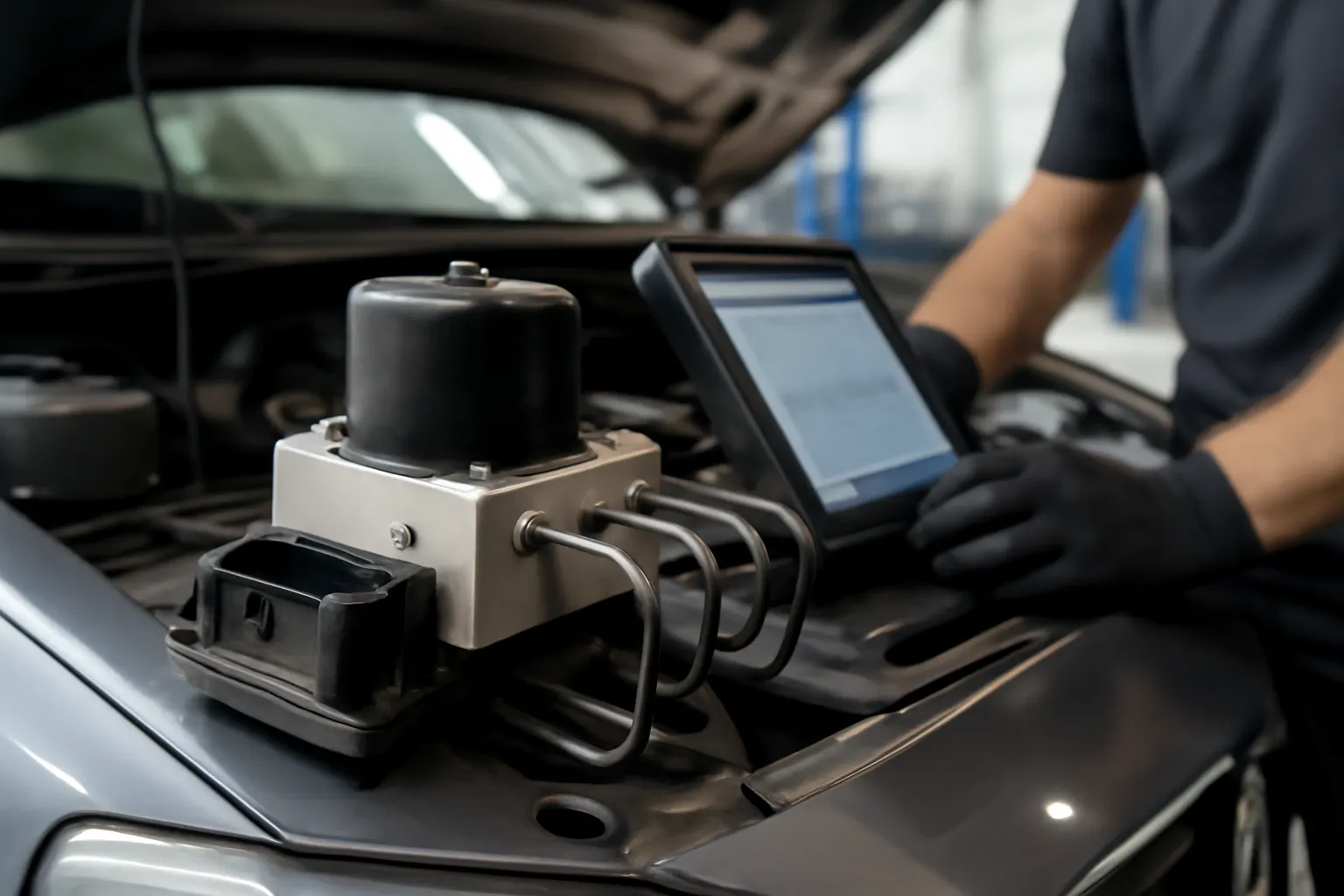
- Hydraulic Modulator/Actuator: Receives electronic commands to rapidly increase, hold, or decrease brake pressure.
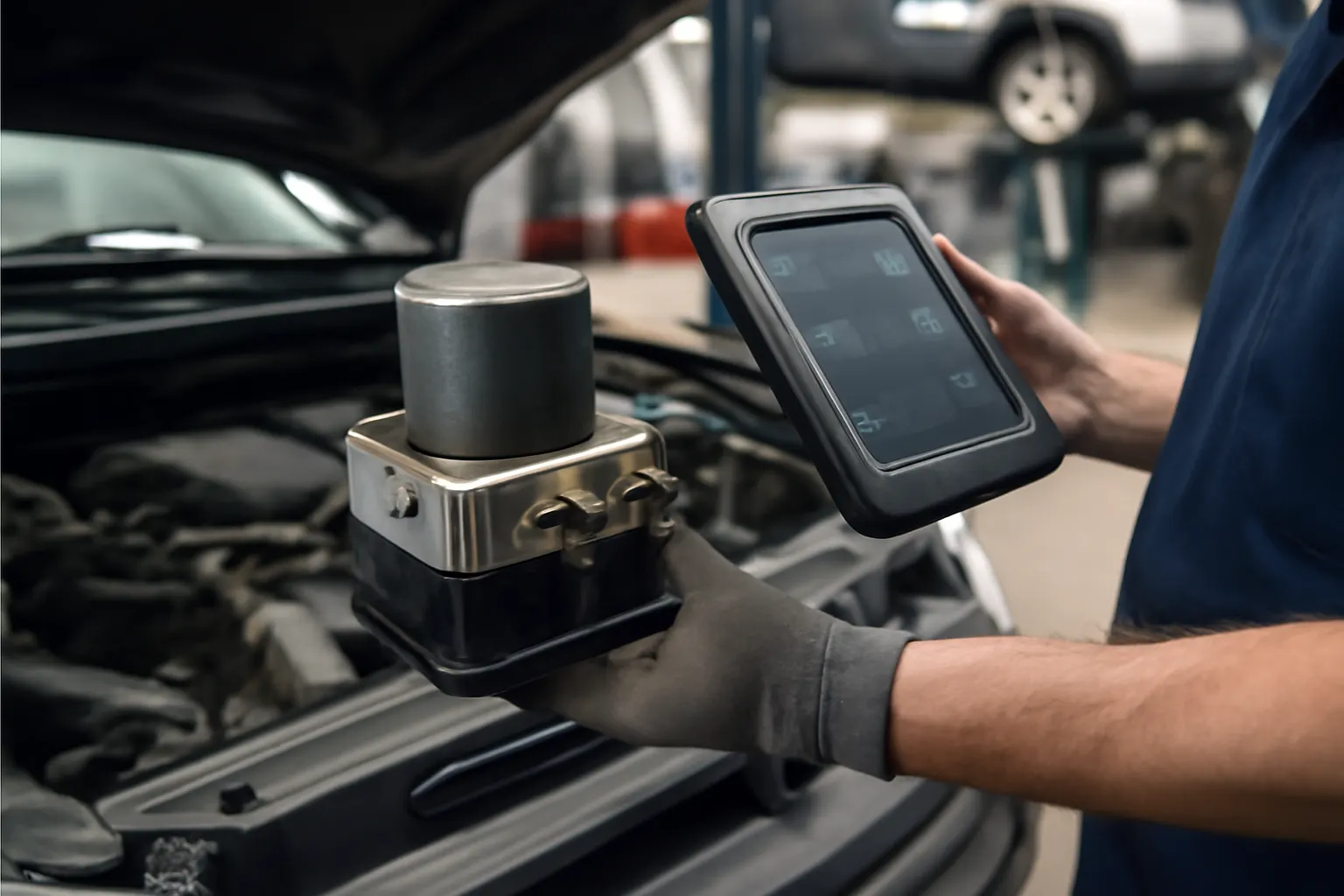
- Electronic Control Module (ECU): The ABS “brain,” processing sensor data and executing the anti-lock algorithm.
- Diagnostic Interface: Allows technicians to read fault codes, monitor system performance, and perform recalibrations.
Modern anti-lock brake control modules often contain self-diagnostic routines and support for over-the-air software updates, further enhancing their adaptability and safety.
Diagnosing ABS and Brake Safety System Issues: A Practical Checklist
Brake safety system failures can be subtle or sudden. Use this checklist to identify common ABS-related issues:
ABS Diagnostic Checklist:
- Dashboard Warning Lights: Is the ABS or brake warning light illuminated?
- Pulsating Brake Pedal: Do you feel rapid pulsations during hard braking?
- Unusual Noises: Are there grinding or clicking sounds when braking?
- Loss of Steering Control: Does the vehicle skid or swerve under hard braking?
- Longer Stopping Distances: Does the car take longer to stop, especially on wet or icy roads?
- Fault Codes: Has a scan tool revealed stored ABS-related diagnostic trouble codes (DTCs)?
- Inconsistent Brake Feel: Is the pedal soft, spongy, or inconsistent?
- Intermittent ABS Engagement: Does the ABS activate unexpectedly at low speeds?
If you answer “yes” to any of these questions, your anti-lock brake control module or related components may require immediate attention. For detailed troubleshooting, consult our Understanding Your Vehicle's ABS System guide.
The Risks of Ignoring ABS Module Faults
Failing to address ABS or control module issues can have cascading effects on your vehicle’s safety and performance:
- Reduced Braking Efficiency: Compromised ABS modules may revert to basic hydraulic braking, increasing stopping distances.
- Disabled Safety Features: ESC, TCS, and other integrated systems rely on ABS data—if the module fails, these features may be disabled or degraded.
- Unexpected Brake Behavior: Malfunctioning modules can cause unpredictable brake application or loss of modulation, especially in emergencies.
- Inspection Failures: Many jurisdictions require functional ABS for vehicle inspections; a warning light can result in a failed inspection or recall notice.
According to the National Highway Traffic Safety Administration, proper maintenance and prompt replacement of safety-critical parts is essential for compliance and driver safety.
Sourcing and Upgrading ABS Modules: What to Look For
When replacing or upgrading an anti-lock brake control module, consider the following:
- Compatibility: Ensure the module matches your vehicle’s make, model, year, and trim. Even small differences can cause communication errors.
- OEM vs. Aftermarket: Original Equipment Manufacturer (OEM) modules offer guaranteed fit and function, but reputable aftermarket options may provide cost savings and enhanced features.
- Software Updates: Modern modules may require programming or software updates for full integration—verify that your supplier or installer can perform this step.
- Warranty and Recalls: Check for active recalls or technical service bulletins related to your ABS module via the NHTSA Recall Database.
- Supplier Reputation: Source modules from trusted suppliers, such as those recommended by AutoPartEx, to ensure quality and support.
For a detailed breakdown of common symptoms and replacement options, read Common ABS Module Failure Symptoms.
Installation and Calibration: Getting It Right
Replacing an anti-lock brake control module is more than a plug-and-play operation on most vehicles. Here’s what’s involved:
- Safety First: Disconnect the battery and follow all manufacturer safety protocols.
- Physical Replacement: Remove the old module, taking care not to damage hydraulic lines or connectors.
- Electrical Connections: Secure all electrical connectors and verify pin alignment.
- Programming: Use an OEM-compatible scan tool to program or “marry” the new module to your vehicle’s security and communication systems.
- Calibration: Some modules require calibration of wheel speed sensors, yaw rate sensors, or steering angle sensors.
- Testing: Perform road tests and diagnostic scans to confirm proper operation and absence of warning lights.
Advertisement
Professional installation is recommended unless you have advanced diagnostic tools and experience. For a full discussion, see ABS Module Replacement: DIY or Professional?.
Maintenance Best Practices for Modern Brake Safety Systems
To ensure ongoing safety and reliability, follow these maintenance guidelines:
- Regular Fluid Changes: Brake fluid degrades over time—replace according to manufacturer intervals to prevent corrosion and ensure hydraulic integrity.
- Sensor Cleaning and Inspection: Dirt, debris, or corrosion on wheel speed sensors can trigger ABS faults. Inspect and clean them during routine brake service.
- Software Updates: Check for module firmware updates during dealer or specialist visits.
- Visual Inspections: Look for damaged wiring, corroded connectors, or fluid leaks around the module and hydraulic actuator.
- Test Drives: After any brake service, perform controlled test stops to verify ABS and integrated systems are functioning correctly.
Routine care not only prolongs module life but also ensures all safety features remain active and effective.
The Role of Standards and Regulations in Brake Safety
Vehicle safety is governed by a complex web of standards and regulations. In the United States, the National Highway Traffic Safety Administration (NHTSA) sets minimum performance and equipment requirements for ABS and related systems. The Society of Automotive Engineers (SAE) develops technical standards for testing, diagnostics, and interoperability, ensuring that modules from different manufacturers can communicate reliably.
Manufacturers are also required to report defects and initiate recalls when safety-critical systems like ABS are found to be defective. Staying informed about these standards helps both professional technicians and vehicle owners make better maintenance and upgrade decisions.
Integration with Fuel Efficiency and Vehicle Dynamics
Brake safety systems are increasingly intertwined with fuel efficiency and overall vehicle dynamics. For example:
- Regenerative Braking: Hybrid and electric vehicles use ABS modules to coordinate regenerative and friction braking, maximizing energy recovery and safety.
- Weight Reduction: Advances in materials technology, as highlighted by the U.S. Department of Energy, have led to lighter, stronger brake components, improving both efficiency and stopping power.
- Adaptive Systems: Some advanced modules adjust braking force based on load, road condition, and driver behavior, further enhancing both safety and fuel economy.
These developments underscore the importance of keeping your brake safety systems up to date—not just for stopping power, but for optimal vehicle performance.
Upgrading Older Vehicles: Challenges and Opportunities
Owners of classic cars or older vehicles face unique challenges when it comes to brake safety:
- Retrofit Limitations: Adding modern ABS to vehicles not originally equipped can be complex, requiring custom fabrication and advanced wiring.
- Parts Availability: Sourcing compatible modules for discontinued models may require searching salvage yards or specialized suppliers.
- Regulatory Compliance: Modified vehicles must still meet local safety inspection standards—always check before undertaking major upgrades.
Despite these hurdles, upgrading to modern brake safety systems can dramatically improve both safety and resale value. Consult with an experienced technician or AutoPartEx advisor before starting a retrofit project.
AutoPartEx: Your Partner in Brake Safety Innovation
At AutoPartEx, we’re committed to helping drivers and technicians navigate the rapidly changing landscape of brake safety technology. Whether you’re seeking a direct replacement ABS module, exploring integration with advanced safety features, or troubleshooting a complex fault, our Anti-Lock Brake Control Module Guide offers expert advice, vetted parts, and the latest technical updates. Our resources are grounded in industry standards and regulatory requirements, ensuring you get accurate information and reliable solutions.
Explore our in-depth guides, diagnostic checklists, and product recommendations to keep your vehicle’s brake safety systems at peak performance. For more technical detail, visit our Anti-Lock Braking System page or consult our editorial content for practical troubleshooting and upgrade strategies.
Conclusion: Staying Ahead with Evolving Brake Safety Systems
The evolution of brake safety systems—from simple mechanical brakes to integrated electronic safety networks—has dramatically reduced accidents and saved countless lives. Yet, this progress brings new responsibilities for vehicle owners, technicians, and enthusiasts. Staying informed about the latest ABS technology, diagnostics, and maintenance practices is not just a matter of compliance—it’s a commitment to safety, performance, and peace of mind.
Whether you’re driving a brand-new sedan with state-of-the-art safety features or maintaining a beloved classic, understanding the role of the anti-lock brake control module is essential. Use the resources and checklists in this guide to diagnose issues, source quality parts, and keep your brake safety systems ready for whatever the road may bring.
References
Advertisement