Advertisement
When it comes to extracting more power from your engine, forced induction reigns supreme. The two leading contenders—superchargers and turbochargers—promise significant gains in horsepower and torque, but each system offers unique advantages and trade-offs. Whether you’re building a street machine, prepping a track car, or simply want more passing power for your daily driver, understanding the differences between superchargers and turbochargers is critical to making the right upgrade for your vehicle and driving style. This article delivers a comprehensive, technically grounded comparison of both systems, practical advice on selection and installation, and expert tips for maximizing performance and longevity.
If you’re ready to explore available components, visit our Turbocharger & Supercharger Replacement Parts | AutoPartEx category for a complete range of forced induction solutions.
Immediate Answer: Turbocharger or Supercharger—Which Is Best for You?
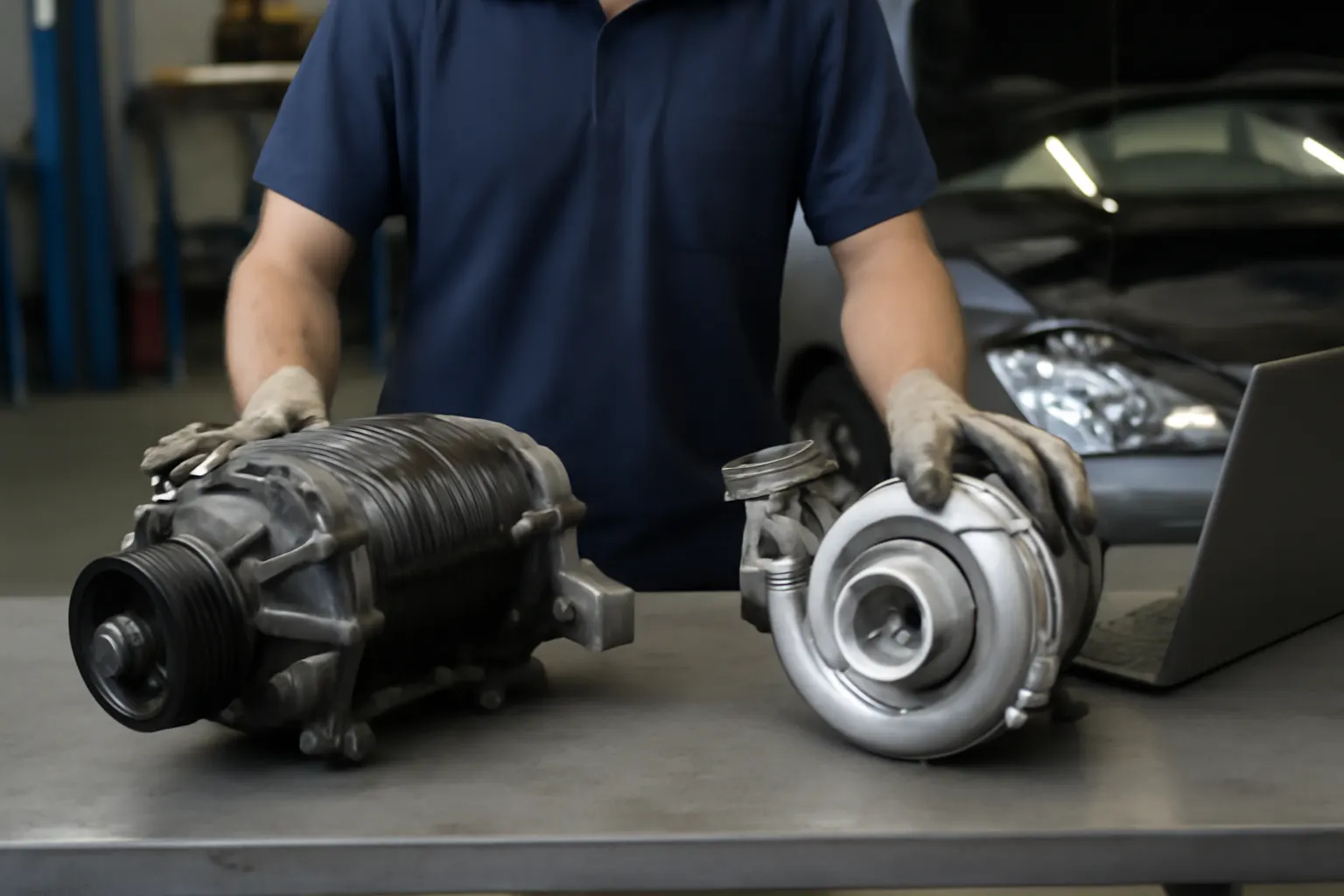
Turbochargers use exhaust gases to spin a turbine, compressing incoming air and boosting engine power. They’re celebrated for their efficiency and high-end horsepower, making them ideal for modern performance cars and fuel-conscious drivers. Superchargers, on the other hand, are mechanically driven by the engine’s crankshaft, delivering instant boost with a linear power curve—perfect for those who crave immediate throttle response and predictable acceleration.
Choose a supercharger if you prioritize instant power delivery, smooth response, and straightforward installation. Opt for a turbocharger if you want maximum efficiency, higher peak power potential, and are comfortable with more complex plumbing and tuning.
The Hidden Problem: One Size Does Not Fit All
Many enthusiasts make the mistake of selecting a forced induction system based solely on peak power numbers or brand reputation. However, the optimal upgrade depends on your engine’s characteristics, intended use, maintenance tolerance, and even your local climate. Overlooking these factors can result in drivability issues, poor reliability, or even catastrophic engine damage.
Understanding Forced Induction: How Each System Works
To make a truly informed decision, it’s essential to grasp the operational differences between superchargers and turbochargers.
Superchargers: Mechanical Simplicity, Immediate Power
Superchargers are directly connected to the engine’s crankshaft via a belt or gear drive. As the engine revs, the supercharger spins, compressing the intake air and forcing more oxygen into the combustion chamber. This mechanical connection ensures a linear, predictable boost curve—the more you press the accelerator, the more boost you get, with virtually zero lag.
Types of superchargers:
- Roots-type: Known for strong low-end torque and classic “blower” whine.
- Twin-screw: More efficient than Roots, with higher boost potential and less heat.
- Centrifugal: Similar in design to a turbo’s compressor, offering a rising boost curve with RPM.
Turbochargers: Harnessing Waste Energy
Turbochargers rely on exhaust gas flow to spin a turbine, which drives a compressor on the intake side. This means turbos don’t draw power directly from the engine but instead recycle energy that would otherwise be wasted. The result is often superior efficiency and higher top-end power—though at the cost of some “turbo lag,” or delay as the turbo spools up.
Key turbocharger features:
- Variable geometry: Adjusts turbine vanes for better response across RPM range.
- Twin-scroll: Separates exhaust pulses for faster spool and improved efficiency.
- Intercooling: Essential for cooling compressed air and preventing detonation.
For an in-depth look at turbo system diagnostics and maintenance, see How to Diagnose Turbocharger Failure and Maintaining Your Forced Induction System.
Performance Comparison: Power Delivery and Driving Dynamics
Throttle Response
- Superchargers excel in immediate response. Because they’re crank-driven, boost is available as soon as you touch the throttle, making them ideal for autocross, drag racing, or street driving where quick acceleration is paramount.
- Turbochargers can exhibit lag, especially at low RPMs. Modern designs and smaller turbos have minimized this, but the delay is still present compared to superchargers.
Power Curve and Efficiency
- Superchargers deliver a flat, linear power curve—what you see is what you get. However, because they draw power from the engine, they’re less efficient at very high RPM.
- Turbochargers typically provide a surge of power higher in the RPM range. This can make for exhilarating acceleration once the turbo is spooled, but may require adapting your driving style.
Advertisement
Fuel Efficiency
According to the United States Department of Energy, turbocharged engines can offer superior fuel economy compared to naturally aspirated or supercharged engines, especially when paired with downsized engine blocks. This is due to the turbo’s ability to reclaim energy from exhaust gases without increasing engine displacement.
Installation Complexity and Fitment Considerations
Supercharger Installation
- Pros: Generally easier to install, especially as aftermarket kits are often designed for specific vehicles. Minimal exhaust modification is required.
- Cons: May require custom brackets, belt routing, and hood clearance modifications.
Turbocharger Installation
- Pros: Can be retrofitted to many engines, even those not originally turbocharged.
- Cons: Installation is more complex, requiring exhaust manifold changes, oil/coolant line routing, intercooler plumbing, and careful heat management. Tuning is critical to avoid engine damage.
Checklist: Key Installation Steps for Forced Induction Upgrades
- Assess Engine Condition: Compression/leak-down test, check for oil leaks, inspect cooling system.
- Select Compatible Kit: Ensure fitment for your vehicle’s make, model, and year.
- Plan Oil/Coolant Routing: Especially critical for turbos; see Turbo Oil Supply Parts.
- Upgrade Fuel System: Larger injectors, high-flow pump, and proper tuning are often required.
- Install Intercooler: Reduces intake temperatures, essential for reliability.
- ECU Tuning: Professional calibration to optimize fuel/ignition maps and avoid detonation.
- Test and Monitor: Use wideband O2 sensors and boost gauges for ongoing diagnostics.
Maintenance Demands: What to Expect Long-Term
Superchargers
- Routine Checks: Inspect drive belts, pulleys, and oil level (if self-contained).
- Longevity: Generally robust, but belt failures or bearing wear can occur over time.
- Service Intervals: Some units require periodic oil changes; always follow manufacturer guidelines.
Turbochargers
- Critical Maintenance: Oil supply is vital—sludged or contaminated oil can destroy a turbo in minutes. Always follow proper oil change intervals and use high-quality synthetic oils.
- Heat Management: Turbos run extremely hot. Allow the engine to idle after hard driving to prevent oil coking in the turbo bearings.
- Component Wear: Wastegate actuators, intercooler hoses, and exhaust gaskets are common failure points.
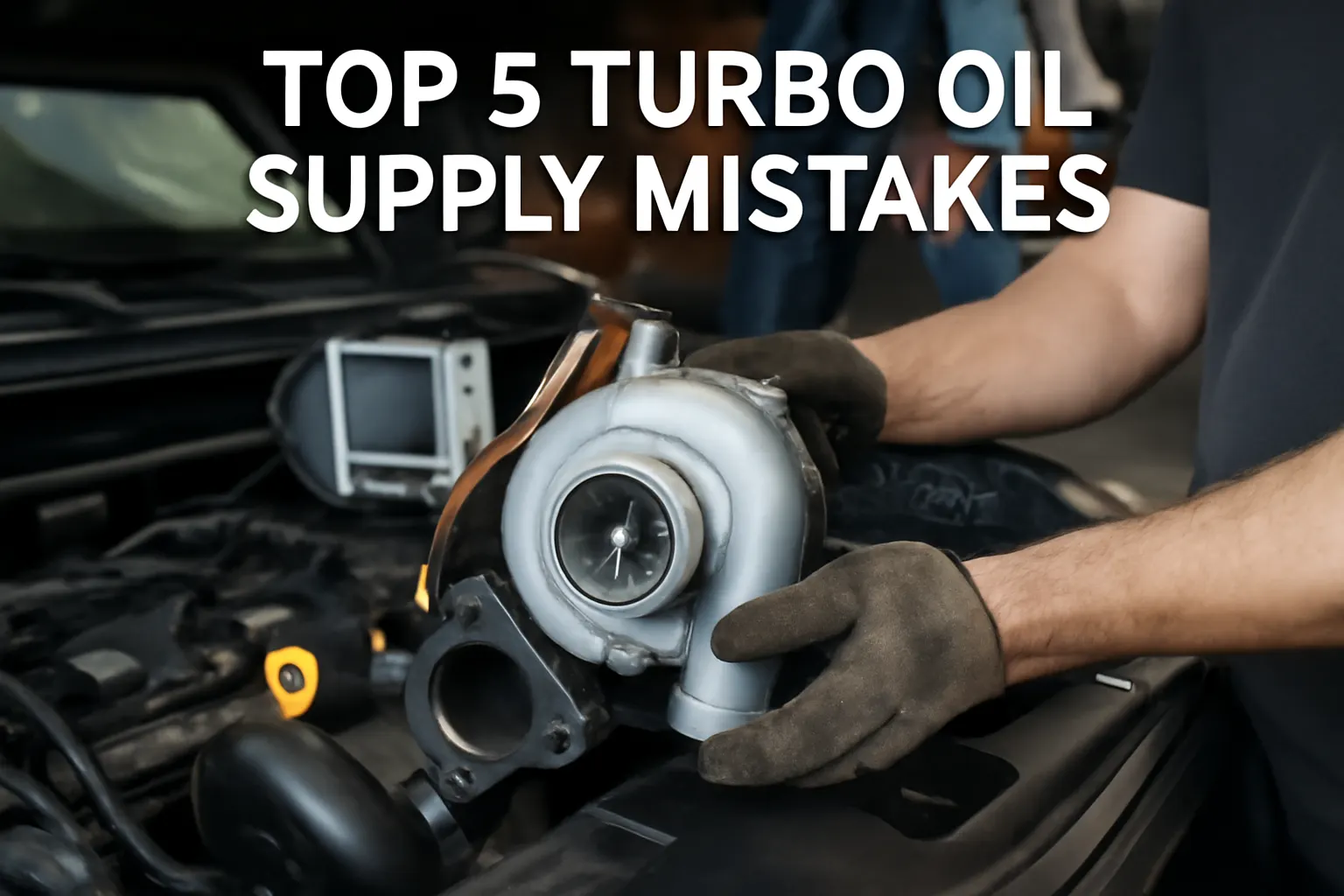
For more on avoiding costly errors, see Top 5 Turbo Oil Supply Mistakes.
Reliability and Safety: What the Data Shows
The National Highway Traffic Safety Administration underscores the importance of using high-quality, certified components when upgrading critical engine systems. Both superchargers and turbochargers, when properly installed and maintained, can deliver years of reliable service. However, improper installation, poor-quality parts, or neglecting supporting modifications (fuel, cooling, oil supply) significantly increases the risk of engine or system failure.
Key Reliability Factors:
- Use components that meet or exceed SAE and OEM standards.
- Ensure all connections (oil, coolant, air) are leak-free and properly torqued.
- Regularly inspect for abnormal noises, smoke, or loss of power.
Cost Analysis: Upfront and Lifetime Expenses
Supercharger Costs
- Initial Investment: Aftermarket kits typically range from $3,000–$8,000, including hardware and basic tuning.
- Ongoing Costs: Belt replacements, occasional oil changes (for self-contained units), and possible upgrades to supporting systems (fuel, cooling).
Turbocharger Costs
- Initial Investment: Kits can range from $2,500–$7,500, but installation labor is often higher due to complexity.
- Ongoing Costs: More frequent oil changes, potential replacement of heat-sensitive components, and higher likelihood of ancillary upgrades (intercoolers, exhaust).
Long-term, turbocharged engines may offer better fuel economy, offsetting some costs, while superchargers tend to have lower installation and maintenance overhead.
Materials and Engineering: Weight, Heat, and Packaging
According to the Department of Energy’s Materials Technologies, modern forced induction systems benefit from advanced materials that enhance performance and reduce weight.
- Superchargers are typically heavier due to their robust housings and drive systems, but their mounting position (front/top of engine) can affect vehicle handling.
- Turbochargers are more compact but require additional plumbing for exhaust and intercooler systems, potentially adding weight elsewhere.
Heat management is critical for both systems—use of aluminum, advanced composites, and ceramic coatings can help reduce under-hood temperatures and prevent power loss.
Advertisement
Application-Specific Recommendations
Street Performance and Daily Driving
- Supercharger: Best for V8 muscle cars, off-road trucks, and drivers seeking smooth, predictable power without major modifications.
- Turbocharger: Excellent for smaller engines, modern compacts, and vehicles where fuel efficiency and high-RPM power are priorities.
Track and Competitive Motorsports
- Supercharger: Favored in drag racing or autocross where instant torque is essential.
- Turbocharger: Preferred in circuit racing, time attack, and rallying, where sustained high-RPM power and efficiency are valued.
Towing and Heavy-Duty Use
- Supercharger: Superior for towing applications, as the linear power curve and immediate response aid in hauling heavy loads.
- Turbocharger: Can be used, but careful selection is needed to avoid lag at low RPMs.
Common Pitfalls and How to Avoid Them
- Neglecting Supporting Modifications: Upgrading forced induction without addressing fuel, cooling, and oil systems is a recipe for failure.
- Improper Tuning: Skipping ECU calibration can lead to detonation, lean conditions, and engine damage.
- Ignoring Heat Management: Failing to install an intercooler or heat shielding reduces reliability and performance.
- Using Subpar Components: Cheap kits often use inferior materials, increasing the risk of breakdowns and safety hazards.
- Overlooking Vehicle Fitment: Always confirm that your chosen kit is designed for your specific make, model, and year.
Diagnostic and Troubleshooting Guidance
Symptoms of Forced Induction Issues:
- Loss of power or boost
- Unusual noises (whining, rattling, hissing)
- Excessive smoke from exhaust
- Oil leaks around the compressor or turbine
- Check engine light or trouble codes (boost pressure, air/fuel ratio)
Diagnostic Steps:
- Inspect all hoses, clamps, and intercooler connections for leaks.
- Check oil and coolant lines for flow and leaks.
- Use a boost gauge to verify proper pressure.
- Scan for ECU error codes related to forced induction.
- Perform a compression test to rule out engine damage.
For a step-by-step diagnostic process, refer to How to Diagnose Turbocharger Failure.
Selecting the Right Kit: A Practical Checklist
Before purchasing any forced induction system, consider:
| Factor | Supercharger | Turbocharger |
|---|---|---|
| Power Goals | Moderate to high, instant response | High peak power, especially at high RPM |
| Installation Ease | Generally easier, bolt-on kits | Complex, requires exhaust mods |
| Maintenance | Simple, check belts/oil | Intensive, oil/coolant critical |
| Drivability | Linear, predictable | Variable, can lag at low RPM |
| Fuel Efficiency | Slightly lower than turbo | Higher, especially with small engines |
| Cost | Higher up front, lower maintenance | Lower up front, higher maintenance |
| Tuning Requirements | Basic, often included | Advanced, professional tuning needed |
| Vehicle Fitment | Best for V8s, trucks, muscle cars | Best for small engines, modern cars |
Expert Solution Path: Making the Upgrade
- Define Your Goals: Are you seeking instant throttle response, maximum top-end power, or a balance of both?
- Assess Your Vehicle: Consider engine type, available space, and existing drivetrain robustness.
- Budget for Supporting Mods: Don’t skimp on fuel, cooling, or oil system upgrades.
- Choose Quality Components: Opt for kits with proven track records and strong manufacturer support.
- Plan for Professional Installation and Tuning: Even the best hardware can fail without expert setup.
- Commit to Maintenance: Forced induction engines demand more attention—regular checks and timely service are non-negotiable.
AutoPartEx: Your Forced Induction Partner
When it comes to forced induction upgrades, experience and component quality matter. AutoPartEx offers a curated selection of Turbocharger & Supercharger Replacement Parts designed for durability, performance, and safety. Our technical team can guide you through fitment, installation, and ongoing maintenance, ensuring your upgrade delivers the power and reliability you expect. Whether you’re sourcing Turbo Oil Supply Parts or seeking advice on system maintenance, trust AutoPartEx to keep your build on track.
Conclusion: Supercharger or Turbocharger—The Right Choice Is Yours
Both superchargers and turbochargers can dramatically enhance your vehicle’s performance, but the best choice hinges on your unique needs, driving style, and willingness to invest in supporting modifications and maintenance. By understanding the operational differences, installation demands, and long-term ownership implications, you can confidently select the forced induction system that will deliver the excitement and reliability you demand.
Ready to take the next step? Browse our Turbocharger & Supercharger Replacement Parts | AutoPartEx and start your upgrade journey today.
References
Advertisement