Advertisement
Spotting Counterfeit Pantera Parts: Industry Insights
Counterfeit auto parts are a persistent threat to the performance, safety, and value of classic vehicles, and the De Tomaso Pantera is no exception. For owners, restorers, and enthusiasts, distinguishing genuine Pantera parts from sophisticated fakes is now a crucial skill. This guide delivers actionable industry insights and expert tips to help you confidently identify, source, and verify authentic Pantera components—protecting your investment and your driving experience from the hidden dangers of counterfeit parts. For a deeper dive into Pantera's engineering legacy and authentic fitment, visit our Pantera Auto Parts: Engineering Legacy, Genuine Fitment & Technical Guidance | AutoPartEx hub.
The Immediate Answer: How to Spot Counterfeit Pantera Parts
The fastest way to spot counterfeit Pantera parts is to scrutinize the details: check for accurate manufacturer markings, consistent material quality, and precise fitment specifications. Genuine Pantera components adhere to strict standards set by SAE International and are manufactured with materials and tolerances that counterfeiters rarely match. Always verify part numbers, inspect the packaging, and cross-check with trusted suppliers or official documentation before installing any replacement part. If anything feels off—be it finish, weight, or labeling—pause and investigate further.
The Hidden Problem: The Growing Threat of Counterfeit Parts in the Pantera Market
Beneath the surface, the classic car aftermarket is grappling with a surge in counterfeit parts, driven by increasing demand and the limited availability of original Pantera components. Modern counterfeits are becoming more sophisticated, often mimicking original markings and packaging to the untrained eye. This proliferation is not just a nuisance—it poses real risks to safety, performance, and value. For Pantera owners, a single counterfeit part can compromise the entire vehicle system, from braking efficiency to structural integrity, and potentially lead to catastrophic failures on the road.
Unpacking the Issue: Why Counterfeit Pantera Parts Are So Dangerous
Counterfeit Pantera parts are not merely inferior—they can be outright dangerous. Unlike genuine components, which are engineered and tested to meet rigorous SAE Standards and NHTSA equipment requirements, fakes often cut corners on materials, manufacturing processes, and quality control. This can result in parts that:
- Fail prematurely, leading to costly repairs and downtime
- Compromise critical vehicle systems (e.g., brakes, suspension, or steering)
- Reduce fuel efficiency and performance due to improper fit or material composition
- Jeopardize occupant safety in the event of an accident
The risks extend beyond mechanical failure—using counterfeit parts can also impact your ability to insure, sell, or show your Pantera, as authenticity is a cornerstone of value in the classic car world.
Understanding the Counterfeit Supply Chain: How Fakes Enter the Market
Counterfeit Pantera parts typically infiltrate the market through unregulated online marketplaces, unauthorized resellers, and even local swap meets. These parts may be presented as "OEM-equivalent" or "restoration-grade," but often lack any provenance or documentation. The supply chain for these components is murky, with little to no accountability for quality or safety. In some cases, counterfeiters will even repackage used or salvaged parts as new, further complicating detection.
Key warning signs include:
- Prices that seem "too good to be true"
- Sellers unwilling or unable to provide detailed provenance or documentation
- Packaging with misspellings, inconsistent graphics, or lack of manufacturer logos
- Absence of serial numbers, batch codes, or SAE compliance markings
Technical Deep Dive: Engineering Standards and Material Differences
Genuine Pantera parts are produced to meet or exceed SAE International and NHTSA standards, ensuring they function precisely as intended. Counterfeit parts, by contrast, typically deviate in one or more of the following technical aspects:
- Material Composition: Authentic parts use specific alloys, polymers, or composites tested for strength, weight, and durability. Fakes often substitute cheaper, weaker materials, leading to premature wear or catastrophic failure.
- Manufacturing Tolerances: Genuine components are machined or cast to exact dimensions, ensuring proper fitment and performance. Counterfeits may have rough edges, inconsistent thickness, or minor dimensional errors that affect installation and function.
- Surface Treatments: Original parts often receive specialized coatings (e.g., corrosion-resistant plating) that counterfeiters skip, leaving parts vulnerable to rust or degradation.
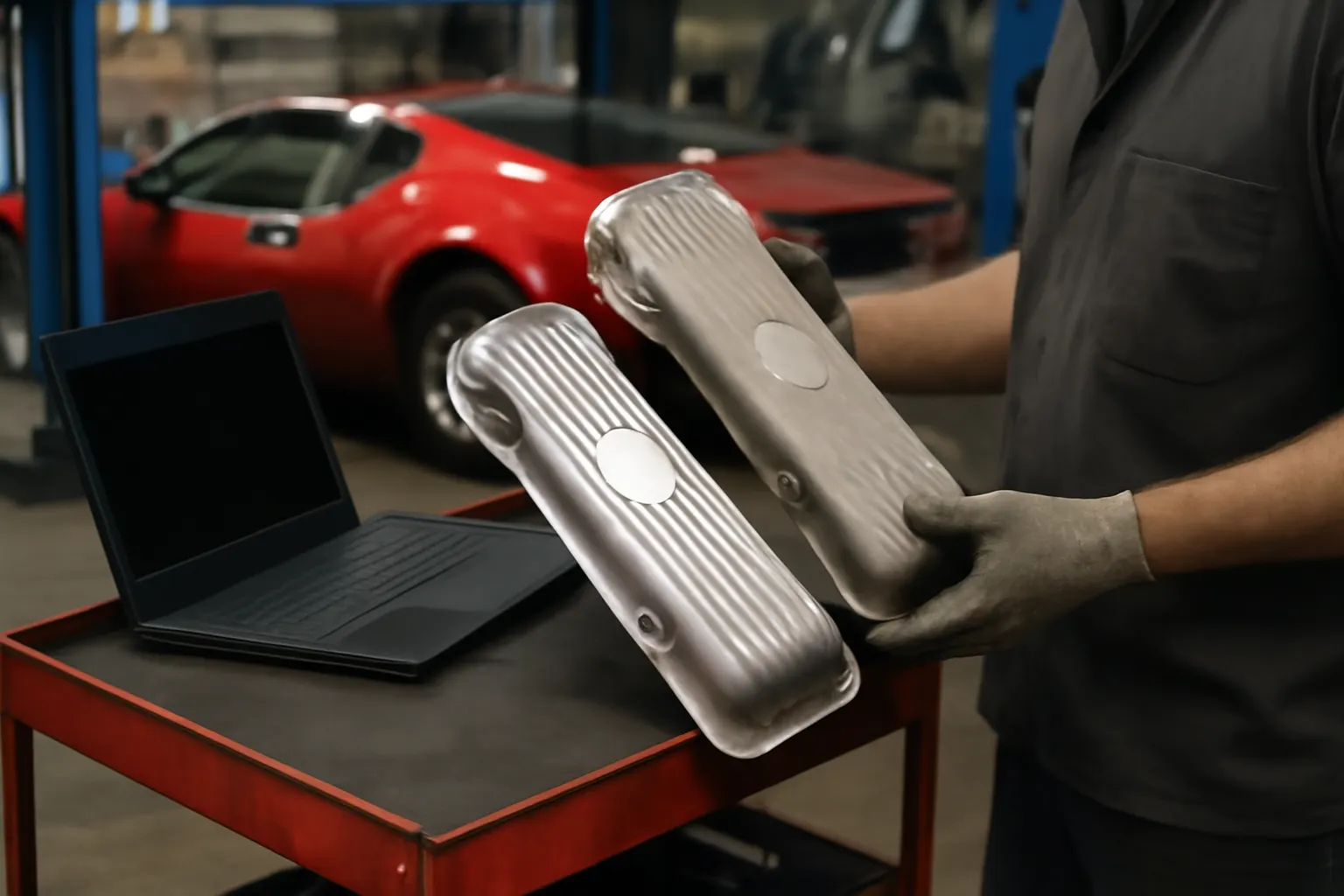
- Markings and Stamps: Authentic Pantera parts feature precise logos, part numbers, and batch codes. Counterfeit markings may be poorly etched, misaligned, or use incorrect fonts.
Advertisement
A technical inspection—ideally with calipers and material testing equipment—can reveal these discrepancies, but often, a trained eye and thorough documentation review are your best first line of defense.
Commonly Counterfeited Pantera Parts: What to Watch For
Some Pantera components are more frequently targeted by counterfeiters due to demand and value. These include:
- Brake rotors, pads, and calipers (critical for safety and performance)
- Suspension bushings and control arms
- Engine gaskets, seals, and timing components
- Electrical harnesses and relays
- Trim pieces, emblems, and badges
For a detailed look at brake system compatibility and genuine fitment, see our Pantera Brake System Compatibility Guide.
Practical Checklist: How to Verify Pantera Part Authenticity
Before purchasing or installing any Pantera part, use this comprehensive checklist to help spot a counterfeit:
Pantera Parts Authenticity Verification Checklist
| Step | What to Check | What to Look For |
|---|---|---|
| 1 | Seller Reputation | Established vendors, positive reviews, authorized dealer status |
| 2 | Price Comparison | Consistent with market averages; avoid deep discounts |
| 3 | Packaging | High-quality printing, correct logos, no spelling errors |
| 4 | Part Numbers | Match OEM documentation and official catalogs |
| 5 | Markings | Crisp, consistent font and placement; batch/serial numbers present |
| 6 | Material Quality | Correct weight, finish, and feel; no rough edges or discoloration |
| 7 | Documentation | Invoice, certificate of authenticity, warranty card (if applicable) |
| 8 | Fitment | Test-fit or measure against original part specifications |
| 9 | Compliance | SAE/NHTSA markings or documentation where required |
| 10 | Source | Prefer direct purchase from recognized Pantera specialists or clubs |
If you have doubts at any stage, consult with a marque specialist or reference guides such as our Authenticity Checks for Classic Italian Sports Cars.
Diagnostic Tactics: Detecting Installed Counterfeit Parts
Sometimes, counterfeit parts are already installed—especially if you acquired your Pantera secondhand or through a restoration shop. Here’s how to diagnose potential issues:
- Unusual Noises or Behavior: Listen for squeaks, rattles, or inconsistent braking—especially after recent service.
- Premature Wear: Inspect for excessive wear, corrosion, or failure well before expected service intervals.
- Mismatched Components: Compare suspect parts to known originals or reference images in service manuals.
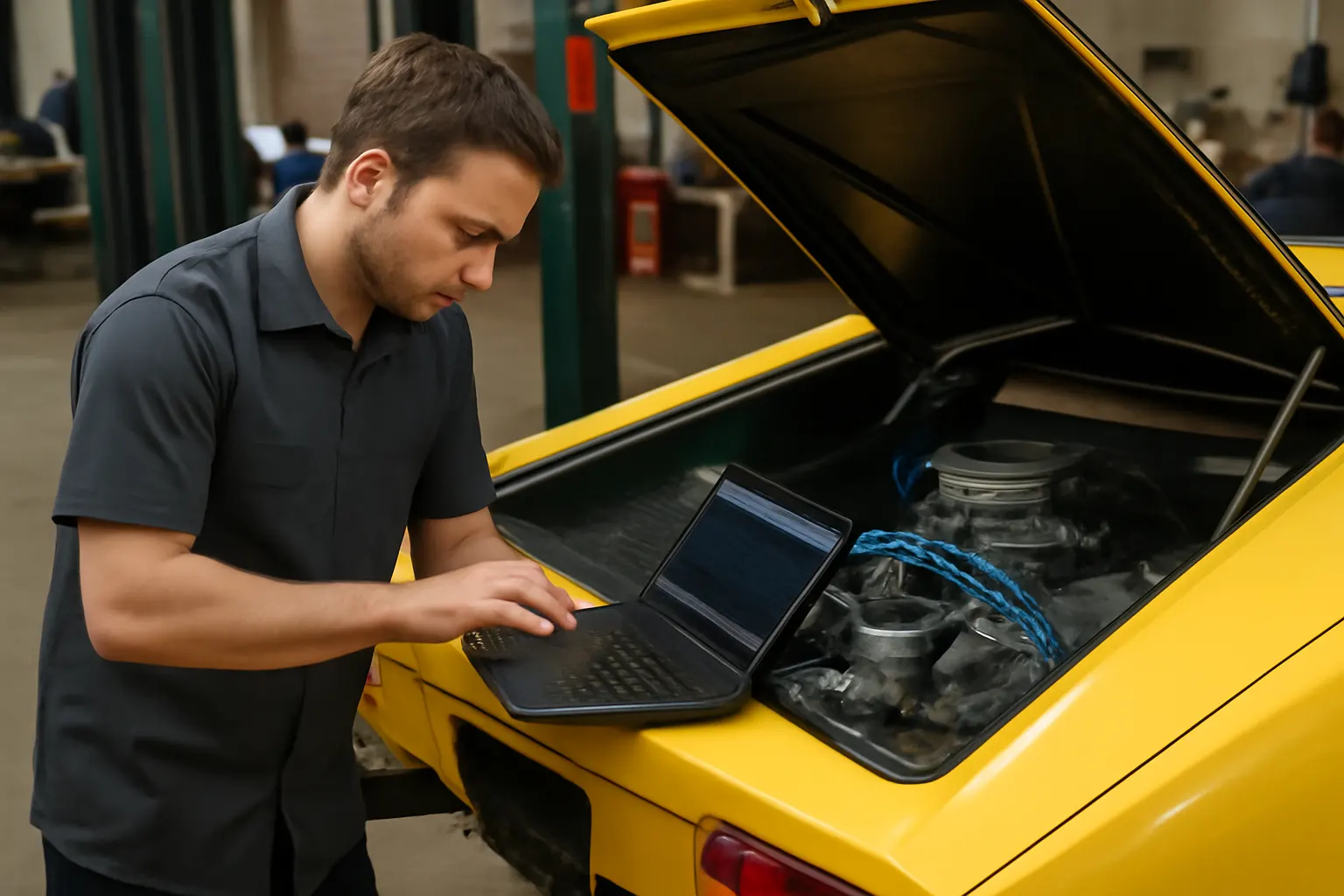
- Diagnostic Codes: Modern diagnostic tools may reveal irregular sensor readings or system faults if counterfeit electronic components are present.
- Physical Inspection: Remove and weigh the part; significant deviations from OEM specifications are a red flag.
If you suspect a part is counterfeit, remove it as soon as possible and replace it with a verified authentic component.
Buying Guidance: Sourcing Genuine Pantera Parts
To minimize risk, always source Pantera parts through reputable channels:
- Authorized Dealers and Specialists: These vendors have direct relationships with original manufacturers or recognized suppliers.
- Classic Car Clubs and Forums: Peer recommendations can help you avoid known counterfeit sources.
- Official Documentation: Request proof of authenticity, including batch numbers and manufacturer certification.
- Direct Importers: For rare parts, work with importers who provide traceable provenance.
Avoid deals that bypass these safeguards, even if they promise lower prices or faster delivery. The savings are rarely worth the risk.
Installation and Fitment: Ensuring a Perfect Match
Proper installation is critical not only for performance, but also for safety and longevity. Here’s how to ensure your Pantera parts are both genuine and correctly fitted:
- Pre-Installation Inspection: Compare new parts side-by-side with originals, checking dimensions, mounting points, and finish.
- Test Fitment: Dry-fit components before final installation to confirm alignment and compatibility.
- Torque Specifications: Use factory-recommended torque values to prevent overstressing or under-securing fasteners.
- System Checks: After installation, perform system tests (e.g., brake bleed, electrical continuity) to verify correct operation.
Improperly fitted counterfeit parts can cause alignment issues, leaks, or even system failures—emphasizing the importance of both authenticity and correct installation.
Advertisement
Maintenance Strategies: Preserving Authenticity and Performance
Routine maintenance is your opportunity to audit your Pantera for authenticity and performance. Incorporate these steps into your regular schedule:
- Visual Inspection: Regularly examine high-risk areas (brakes, suspension, engine bay) for signs of non-OEM parts.
- Documentation Review: Keep detailed service records, including supplier invoices and part numbers.
- Wear Pattern Analysis: Unusual wear can indicate counterfeit materials or improper fitment.
- Scheduled Replacement: Replace consumables (filters, gaskets, bushings) with certified authentic parts at recommended intervals.
For hands-on maintenance advice, see Real-World Pantera Maintenance: Lessons from the Shop.
The Role of Standards: Why SAE and NHTSA Compliance Matters
SAE International and the National Highway Traffic Safety Administration (NHTSA) set the benchmarks for automotive part quality and safety. Genuine Pantera parts are designed to meet these standards, which cover:
- Material Strength and Durability: Ensuring parts withstand real-world stresses and environmental conditions
- Dimensional Accuracy: Guaranteeing proper fitment and function within the vehicle system
- Safety Performance: Mandating minimum thresholds for crashworthiness, braking, and other critical systems
Counterfeit parts rarely, if ever, comply with these standards, putting your Pantera—and your safety—at risk. Always look for evidence of compliance in packaging, documentation, or markings.
Fuel Efficiency and Performance: The Hidden Costs of Counterfeit Parts
Beyond immediate safety risks, counterfeit Pantera parts can erode fuel efficiency and overall performance. According to the United States Department of Energy, even seemingly minor deviations in component design or material can:
- Increase friction or resistance in drivetrain and engine components
- Cause improper air/fuel ratios due to inaccurate sensors or gaskets
- Add unnecessary weight or reduce structural rigidity
- Lead to cascading failures that reduce overall vehicle efficiency
Protecting your Pantera’s performance means investing in authentic, properly engineered components at every stage.
The Value Proposition: Protecting Your Pantera Investment
Classic Panteras are appreciating assets, and their value hinges on authenticity, provenance, and condition. Counterfeit parts undermine this value in several ways:
- Market Perception: Vehicles with documented authentic components command higher resale and auction prices.
- Show and Competition Eligibility: Many concours events and clubs require proof of authenticity for entry or judging.
- Long-Term Reliability: Genuine parts reduce the likelihood of costly repairs, breakdowns, or restoration setbacks.
By rigorously verifying parts, you not only safeguard your investment but also contribute to the preservation of automotive history.
AutoPartEx: Your Partner in Authentic Pantera Parts and Technical Guidance
At AutoPartEx, we are committed to upholding the integrity of classic cars like the Pantera. Our platform connects you with trusted suppliers, technical resources, and community expertise to ensure every part you purchase is genuine and fit for purpose. Access our Pantera Auto Parts: Engineering Legacy, Genuine Fitment & Technical Guidance | AutoPartEx page for curated parts, detailed guides, and industry-leading support. Whether you’re performing a concours restoration or maintaining a cherished driver, we help you navigate the complex world of authenticity and quality.
Taking Action: What to Do If You Suspect a Counterfeit
If you suspect you’ve encountered or installed a counterfeit Pantera part:
- Stop Using the Vehicle: Especially if the part is safety-critical (e.g., brakes or suspension).
- Document Everything: Take photos of the part, packaging, and any correspondence with the seller.
- Contact the Supplier: Request proof of authenticity or clarification.
- Report to Authorities: Notify NHTSA, SAE, or relevant classic car clubs to help track counterfeit sources.
- Replace with Genuine Parts: Source replacements from verified channels and document the change in your maintenance records.
Conclusion: Vigilance Is Your Best Tool
Counterfeit Pantera parts are a real and evolving threat to owners, restorers, and the broader classic car community. By understanding the risks, mastering the art of authenticity verification, and sourcing only from trusted suppliers, you can protect your Pantera’s performance, safety, and value for years to come. Stay informed, share knowledge with fellow enthusiasts, and rely on resources like AutoPartEx to navigate this complex landscape with confidence.
References
- SAE Standards — SAE International
- Vehicle Safety and Equipment — National Highway Traffic Safety Administration
- Fuel Efficiency — United States Department of Energy
Advertisement