Advertisement
Spotting Counterfeit RollsRoyce Parts
Counterfeit auto parts threaten the safety, performance, and value of every RollsRoyce on the road. Whether you’re maintaining a classic Silver Shadow or a contemporary Ghost, knowing how to identify fake RollsRoyce parts is essential to protecting your investment and ensuring your vehicle’s legendary reliability. This comprehensive guide will equip you with expert strategies, practical checklists, and the latest insights to help you confidently spot counterfeits—and source authentic RollsRoyce components every time.
For an in-depth look at heritage, fitment, and authenticity, visit our RollsRoyce OEM & Aftermarket Auto Parts | Heritage, Fitment, and Authenticity Guide.
Why Counterfeit RollsRoyce Parts Are a Serious Threat
Counterfeit parts aren’t just a nuisance—they’re a direct risk to your safety, your vehicle’s mechanical integrity, and the value of your RollsRoyce. These imitation components may look convincing at first glance, but beneath the surface they often lack the engineering, quality control, and materials required to meet RollsRoyce’s demanding standards.
Immediate risks include:
- Compromised safety: Substandard braking, steering, or suspension components can fail unexpectedly.
- Reduced performance: Counterfeit parts may not deliver the precision and durability RollsRoyce engineering demands.
- Long-term damage: Improper materials or poor fitment can cause collateral damage to adjacent systems.
- Resale devaluation: Non-authentic parts can diminish your vehicle’s market value and provenance.
The stakes are high, making it critical to distinguish genuine from counterfeit components in every aspect of RollsRoyce maintenance and restoration.
The Hidden Problem: Counterfeits Are More Sophisticated Than Ever
Gone are the days of obvious knock-offs. Modern counterfeiters use advanced manufacturing, convincing packaging, and even forged documentation to mimic genuine RollsRoyce parts. Some fakes are so well-made visually that even experienced mechanics can be fooled—unless they know exactly what to look for.
Key hidden challenges:
- High-quality forgeries: Sophisticated counterfeits can pass a casual inspection.
- Online marketplace risks: Many fakes are sold through seemingly reputable online channels.
- Grey market imports: Parts sourced outside authorized channels may be genuine or counterfeit—without easy ways to verify origin.
- Legacy model risks: Older RollsRoyce vehicles, with harder-to-source parts, are prime targets for counterfeiters.
Understanding these hidden issues is the first step in building your defense against fake parts.
What Makes a RollsRoyce Part “Genuine”?
A genuine RollsRoyce part is designed, engineered, and manufactured to the exacting standards set by RollsRoyce Motor Cars or its official suppliers. These parts are tested for durability, fitment, and material quality, and typically carry:
- Official RollsRoyce branding and part numbers
- Authentic packaging with anti-counterfeit features
- Traceable supply chain documentation
- Conformance to safety, material, and fitment standards set by organizations such as SAE International
Aftermarket parts may be high quality, but only those from reputable manufacturers with transparent sourcing and certification can be trusted for critical systems.
How to Identify Counterfeit RollsRoyce Parts: The Essential Checklist
Use this expert-developed checklist every time you inspect or purchase RollsRoyce parts, especially from unfamiliar or online sources:
Visual Inspection
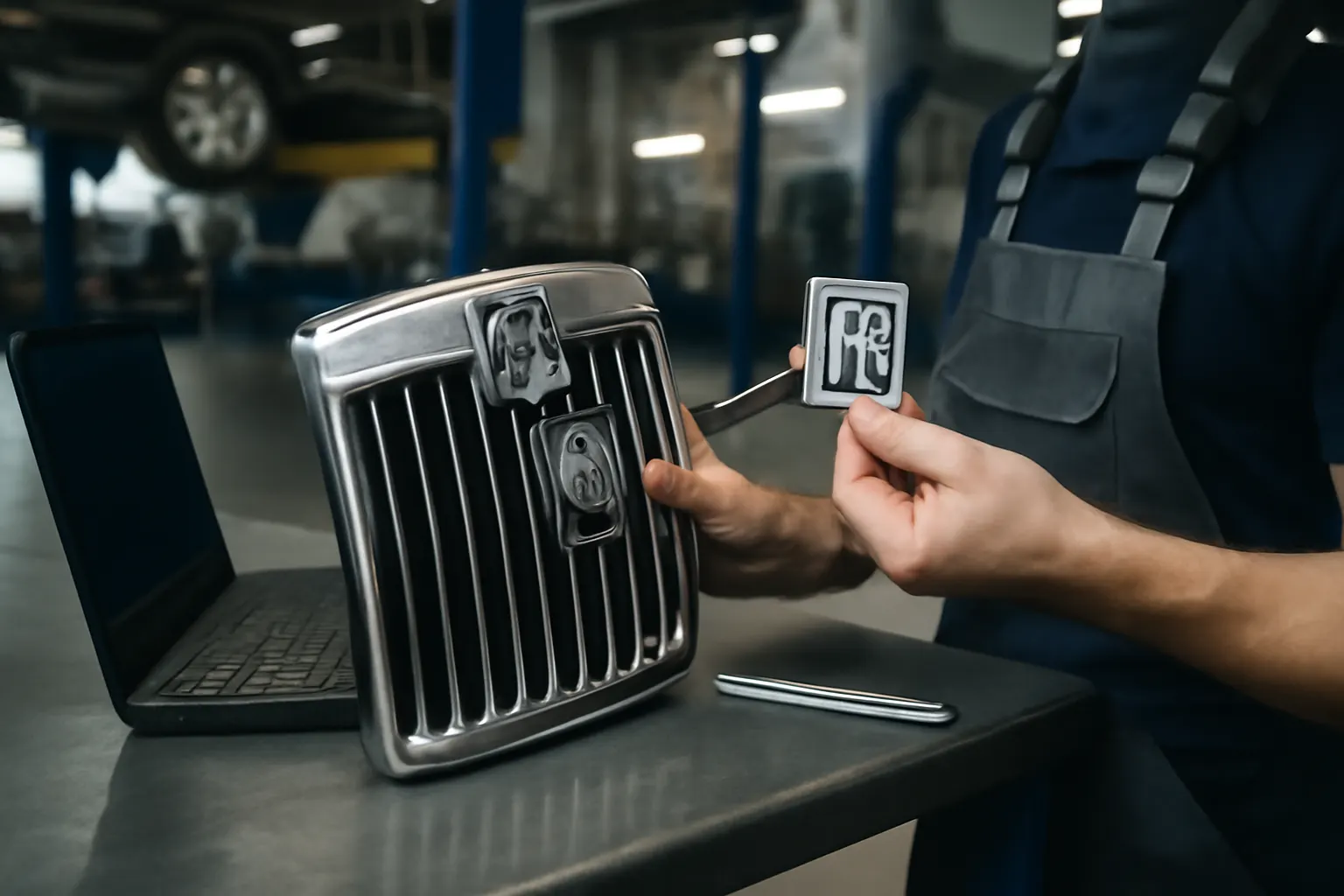
- Branding and Logos: Examine for crisp, accurate RollsRoyce logos. Look for off-center, misspelled, or blurry markings.
- Part Numbers: Verify that part numbers match official RollsRoyce documentation. Counterfeits often use incorrect or generic numbering.
- Packaging: Genuine parts use high-quality packaging with tamper-evident seals, holograms, or QR codes.
- Finish and Materials: RollsRoyce parts feature flawless finishes and precise machining. Rough edges, inconsistent paint, or unusual material weight are red flags.
Documentation
- Supplier Invoices: Only purchase from authorized RollsRoyce dealers or certified distributors. Insist on detailed invoices.
- Certificates of Authenticity: For high-value or rare parts, request certificates or documentation showing provenance.
Advertisement
Fitment and Compatibility
- Test Fit: Genuine parts fit precisely. Counterfeits may require force, show gaps, or misalign with mounting points.
- Technical Specifications: Cross-check specifications (dimensions, weight, material) against RollsRoyce technical manuals or RollsRoyce Fitment & Compatibility Guide.
Digital Verification
- Online Databases: Use manufacturer or NHTSA recall databases to verify part numbers and authenticity (NHTSA Equipment Database).
- QR Codes and Holograms: Scan any security QR codes or holograms with official RollsRoyce or supplier apps.
Where Counterfeit RollsRoyce Parts Lurk: High-Risk Categories
Certain RollsRoyce components are more frequently counterfeited due to their high replacement rates and value. Be especially vigilant with:
- Brake pads, rotors, and calipers
- Oil and air filters
- Suspension bushings and control arms
- Lighting assemblies and bulbs
- Electronic control modules (ECUs)
- Exterior trim, badges, and grilles
Counterfeiters target these categories because they’re often replaced outside dealer networks, making them easier to slip into the supply chain.
The Technical Cost of Counterfeit Parts: Safety, Performance, and Longevity
Counterfeit parts are not just an aesthetic issue—they pose real technical dangers:
Safety Risks
According to the National Highway Traffic Safety Administration, substandard materials and poor manufacturing in counterfeit parts can lead to catastrophic failures in brakes, steering, and restraint systems. These failures compromise both driver and passenger safety.
Performance Losses
RollsRoyce vehicles are engineered to exact tolerances. Counterfeit parts, even if they fit, often disrupt weight balance, suspension geometry, or engine performance. This reduces ride quality, increases wear, and can even lower fuel efficiency (DOE Fuel Efficiency).
Long-Term Damage
Poor-quality materials may corrode or fatigue quickly, causing damage to adjacent genuine parts. For example, a counterfeit oil filter may fail to screen contaminants, leading to engine wear that’s costly to repair.
Diagnosing Suspect Parts Already Installed
If you suspect a counterfeit part is already on your RollsRoyce, take these steps:
- Visual Reinspection: Remove and compare the part to official images and documentation.
- Check for Wear Patterns: Counterfeit parts often show premature wear, corrosion, or deformation.
- Diagnostic Scans: Use OBD-II or manufacturer-specific diagnostic tools to check for abnormal readings—especially for electronic modules.
- Consult Service Records: Trace the part’s installation history. Was it installed by an authorized RollsRoyce technician or an unknown source?
- Professional Evaluation: When in doubt, consult a RollsRoyce specialist or authorized dealer for expert assessment.
Sourcing Genuine RollsRoyce Parts: Pro Tips
Securing authentic RollsRoyce parts is not just about avoiding fakes—it’s about ensuring your vehicle’s continued excellence. Here’s how to source with confidence:
Buy from Authorized Channels
- Official RollsRoyce Dealerships: The safest option for both new and legacy models.
- Certified Distributors: Use only suppliers with documented relationships to RollsRoyce or its Tier 1 OEM partners.
- Reputable Aftermarket Brands: For non-critical components, seek brands recognized for quality, transparency, and compliance with SAE Standards.
Verify Before You Buy
- Request Serial Numbers: Cross-check with the manufacturer or through online verification portals.
- Demand Documentation: Insist on certificates of authenticity, especially for high-value or rare parts.
- Check Return Policies: Genuine suppliers offer clear, hassle-free return and warranty policies.
Beware of Too-Good-To-Be-True Prices
If a part is significantly cheaper than the market average, it’s likely a counterfeit or grey market item. RollsRoyce components command a premium for a reason—don’t compromise on quality.
The Role of Material Technologies in Authentic RollsRoyce Parts
RollsRoyce engineers select advanced materials—aluminum alloys, high-grade steels, and composites—for their unique performance and longevity benefits. Counterfeit parts often use inferior materials that compromise strength, weight, and corrosion resistance.
Referencing DOE Materials Technologies:
- Genuine parts: Meet strict standards for weight, structure, and durability.
- Counterfeits: May use recycled or substandard metals, increasing the risk of fatigue or failure.
Advertisement
Always compare the weight, finish, and feel of a part against a known genuine item.
The Impact of Counterfeits on Heritage and Legacy RollsRoyce Models
Owners of classic and legacy RollsRoyce vehicles face unique risks. As genuine parts become scarce, counterfeiters exploit the demand for rare trim, mechanical, and electrical components.
Heritage Risks
- Loss of provenance: Non-authentic replacements damage vehicle history and value.
- Fitment issues: Older models require precise dimensions and materials—counterfeits rarely match.
- Safety gaps: Outdated engineering tolerates even less deviation from spec.
For legacy models, use trusted sourcing guides like Legacy RollsRoyce Parts Sourcing and consult marque experts before committing to any purchase.
Fitment and Compatibility: The Subtle Signs of a Fake
One of the most reliable ways to spot a counterfeit is to focus on fitment and compatibility:
- Mounting Points: Genuine parts align perfectly with factory mounting holes and brackets.
- Gasket and Seal Fit: Authentic components include the correct gaskets, O-rings, and seals for leak-free installation.
- Connector Plugs: Electrical components should match factory harnesses with no need for modification.
- Weight and Balance: RollsRoyce engineers design parts for optimal weight distribution. Counterfeits may be heavier or lighter, affecting ride and handling.
Use the RollsRoyce Fitment & Compatibility Guide to verify part numbers and confirm precise fitment.
Installation and Maintenance: Avoiding Counterfeit-Induced Failures
Installation tips to avoid counterfeit failures:
- Pre-fit Inspection: Always inspect parts before installation for markings, finish, and packaging details.
- Torque Specifications: Use official RollsRoyce torque specs—counterfeits may fail under proper load.
- Post-Install Monitoring: After installing a new part, monitor for unusual noises, leaks, or warning lights.
- Scheduled Maintenance: Stick to the official maintenance schedule and use only trusted sources for parts and fluids.
If you experience premature wear or repeated failures, investigate the part’s origin immediately.
Keeping Records: Documentation as Your Best Defense
Maintain detailed records for every part purchased and installed:
- Supplier Details: Name, address, and contact information.
- Purchase Receipts: Include part numbers and descriptions.
- Installation Logs: Date, mileage, and technician details.
- Certification Copies: For high-value parts, retain certificates of authenticity.
This documentation is invaluable for future resale, warranty claims, and maintaining your vehicle’s value.
What to Do If You Suspect or Discover a Counterfeit Part
If you uncover a counterfeit part, act quickly to minimize risk and protect your RollsRoyce:
- Stop using the vehicle if the part affects a critical system (brakes, steering, suspension).
- Contact your supplier or installer to report the issue and request a return or refund.
- Report the counterfeit to RollsRoyce, the National Highway Traffic Safety Administration (NHTSA Recalls), and, if applicable, local law enforcement.
- Replace the part with a genuine or certified aftermarket component as soon as possible.
- Monitor for collateral damage—have a specialist inspect related systems for signs of wear or failure.
AutoPartEx: Your Partner in Authentic RollsRoyce Parts
At AutoPartEx, we are committed to preserving the integrity, safety, and value of every RollsRoyce. Our rigorous sourcing standards, direct relationships with official suppliers, and comprehensive fitment data ensure you always receive genuine or certified aftermarket components. Whether you need guidance on a rare Phantom part or routine maintenance items for a Ghost, our team is here to help.
Explore our RollsRoyce OEM & Aftermarket Auto Parts | Heritage, Fitment, and Authenticity Guide for more information, or visit RollsRoyce Service Bay Insights for expert installation and maintenance tips.
Conclusion: Protecting Your Investment with Knowledge and Vigilance
Spotting counterfeit RollsRoyce parts requires a blend of technical knowledge, careful inspection, and trusted sourcing. By following the expert tips and checklists in this guide, you can safeguard your vehicle’s performance, heritage, and value—ensuring your RollsRoyce remains the pinnacle of automotive excellence for years to come.
References
Advertisement