
Advertisement
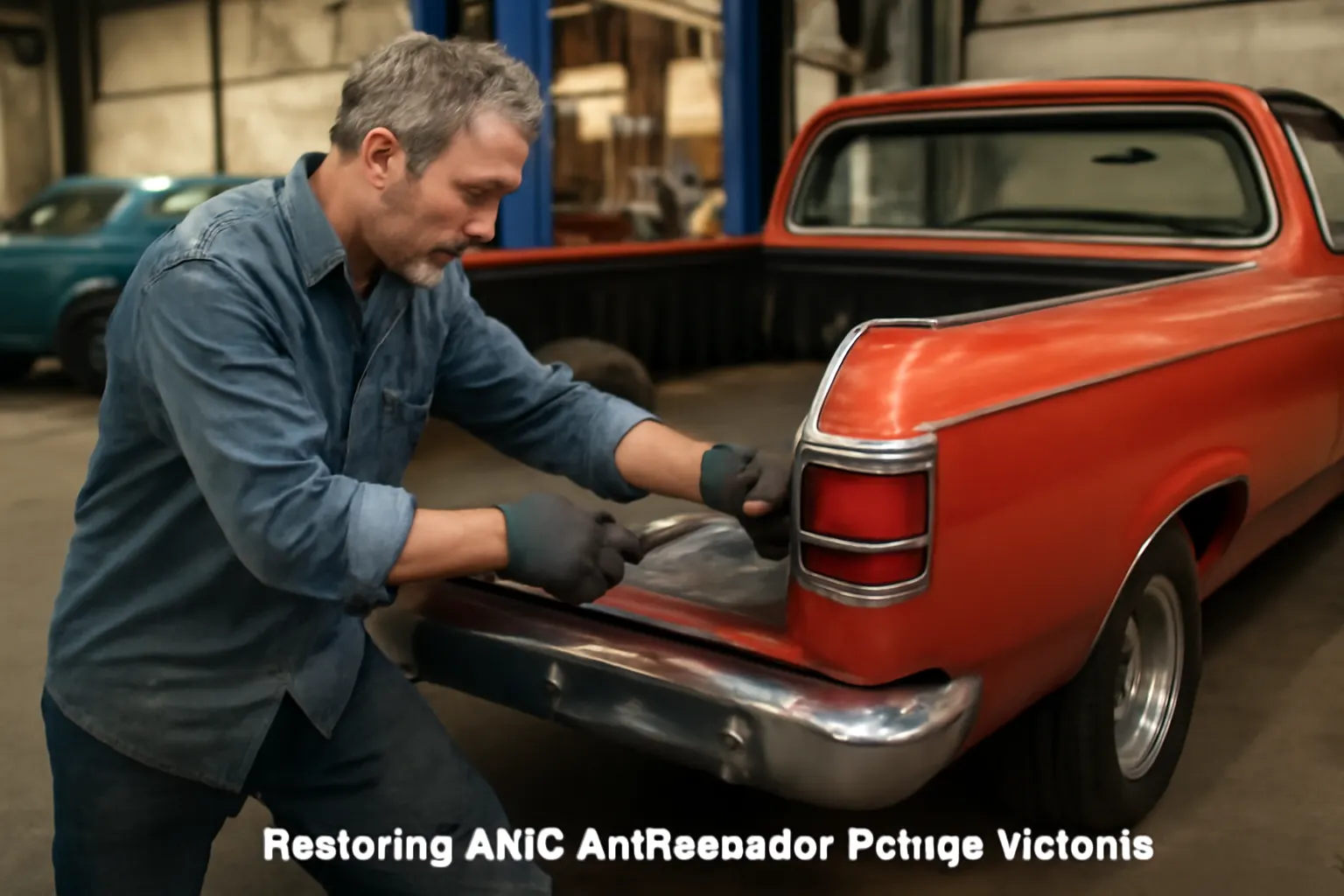
Restoring an AMC Ambassador pickup variant is a pursuit that blends passion, technical expertise, and respect for automotive history. These rare pickup conversions—often custom, always unique—pose restoration challenges beyond those of standard AMC Ambassador sedans or wagons. Whether you’re sourcing elusive bed panels, ensuring structural integrity, or achieving period-correct fitment, the path to a factory-fresh pickup demands specialized knowledge. This comprehensive guide delivers actionable advice, technical strategies, and insights from restoration professionals, empowering you to bring your Ambassador pickup back to life.
For a broader look at AMC Ambassador bed and pickup fitment, restoration, and service, visit the AMC Ambassador Bed & Pickup Parts: Fitment, Restoration, and Expert Service Guide.
Why AMC Ambassador Pickup Restorations Are Unique
Restoring an AMC Ambassador pickup variant isn’t just a matter of swapping parts—it’s a complex process shaped by the vehicle’s rarity and the bespoke nature of most conversions. Unlike factory-produced pickups, these vehicles were often custom-built by coachbuilders or aftermarket specialists, sometimes using donor parts from other AMC models or even unrelated makes. As a result, every restoration project presents a distinct set of challenges.
Key reasons for uniqueness:
- Non-standardized construction: No two Ambassador pickups are exactly alike, complicating parts interchangeability.
- Limited documentation: Factory manuals rarely cover conversion specifics.
- Obsolete and custom parts: Many components, especially bed panels and structural reinforcements, are unavailable off the shelf.
Understanding these factors is the first step toward a successful restoration.
The Hidden Problems: Structural and Materials Challenges
While surface issues like faded paint or worn trim are obvious, the true challenges of Ambassador pickup restoration lurk beneath. Many conversions involved significant modification to the original sedan or wagon body, including roof removal, bed fabrication, and frame reinforcement. These alterations impact safety, strength, and long-term durability.
Common hidden problems:
- Structural integrity: Unibody designs often lack the rigidity needed for pickup duty, leading to flex, cracks, or compromised crashworthiness.
- Corrosion hotspots: Poorly protected seams and custom welds are prone to rust.
- Material mismatches: Coachbuilders sometimes used non-OEM metals or fiberglass, complicating repairs.
These issues demand a methodical approach to inspection, diagnosis, and remediation.
Assessing the Starting Point: Inspection and Documentation
Before any restoration work begins, a thorough inspection is essential. Given the custom nature of Ambassador pickup conversions, you must document every aspect of your vehicle’s current condition.
Inspection checklist:
- Frame and substructure: Check for cracks, weld quality, and reinforcement adequacy.
- Bed assembly: Inspect for rot, corrosion, or non-OEM materials.
- Cab-to-bed transition: Evaluate weather sealing and structural support.
- Suspension and drivetrain: Verify load-handling upgrades (if any) were made.
- Electrical and lighting: Ensure all modifications meet safety standards per NHTSA equipment guidelines.
Photograph and record all findings. This documentation will guide sourcing, fabrication, and reassembly while serving as a reference for future maintenance.
Sourcing Rare Parts: Strategies for Pickup-Specific Components
Finding correct parts is arguably the most daunting aspect of AMC Ambassador pickup restoration. Many components—especially bed panels, tailgates, and cab reinforcements—were fabricated in small batches or as one-offs.
Effective sourcing strategies:
- Network with enthusiast groups: AMC forums and clubs often share leads on rare parts.
- Search salvage yards: Look for partial conversions or donor vehicles with usable components.
- Utilize specialty vendors: Some suppliers offer reproduction panels or custom fabrication services.
- Consult restoration shops: Experienced professionals may have templates or patterns for common pickup conversions.
Advertisement
For detailed removal and replacement procedures, see Amc Ambassador Bed Panel Removal.
Diagnosing and Addressing Structural Weaknesses
Because most AMC Ambassador pickups began life as sedans or wagons, their structural integrity may be compromised by the conversion process. Identifying and correcting these weaknesses is critical for safety and long-term reliability.
Key diagnostic steps:
- Visual inspection: Look for stress cracks, excessive flexing, or signs of prior repairs.
- Tap test: Gently tap suspected areas to detect thin metal or hidden corrosion.
- Frame measurement: Confirm the chassis is true and square, using factory specs as a baseline.
- Load simulation: Carefully apply weight to the bed and observe for sagging or deformation.
If issues are found, reinforcement may require custom fabrication—using modern high-strength steels or composites where appropriate, as outlined in DOE materials technologies.
Bed Restoration: Materials, Fabrication, and Fitment
Restoring the bed of an AMC Ambassador pickup often requires a blend of bodywork skill and creative problem-solving. Since factory bed assemblies were never mass-produced, you may encounter a mix of materials and construction techniques.
Common restoration scenarios:
- Steel bed panels: May be salvageable with patching, but severe rot requires full replacement or fabrication.
- Fiberglass or composite beds: Require specialized repair materials and techniques.
- Floor and sidewall fitment: Must be checked against the cab for alignment and sealing.
Careful measurement and test fitting are essential. When fabricating new panels, match original gauge and contour as closely as possible for both appearance and structural integrity.
For tips on preventing future corrosion, see Amc Ambassador Bed Corrosion Prevention.
Preserving and Improving Safety Systems
Vintage pickup conversions may lack modern safety features or have modifications that undermine original crash protection. Restorers should prioritize safety upgrades that preserve the vehicle’s character while meeting current standards.
Safety considerations:
- Seat belts: Upgrade to modern retractable units if possible.
- Lighting: Ensure all lamps and reflectors meet NHTSA standards.
- Brakes: Inspect for adequate stopping power, especially if payload capacity was increased.
- Cab structure: Reinforce B-pillars and crossmembers as needed to restore rigidity lost in conversion.
Consult SAE standards for guidance on best practices in retrofit safety engineering.
Drivetrain and Suspension: Tailoring for Pickup Duty
The added weight and altered weight distribution of a pickup conversion place new demands on the AMC Ambassador’s original drivetrain and suspension. Restoration should address these changes for both reliability and drivability.
Areas to address:
- Rear springs and shocks: Upgrade to handle increased loads.
- Differential: Inspect for correct gear ratios and signs of wear.
- Engine cooling: Ensure sufficient capacity for heavier-duty use.
- Fuel system: Check for leaks or modifications that could impact efficiency or safety.
Refer to DOE fuel efficiency guidelines to optimize performance and economy after restoration.
Electrical and Lighting Restoration
Custom pickup conversions often involve modifications to wiring harnesses, lighting circuits, and electrical accessories. Restoration must bring these systems up to reliable, safe, and code-compliant standards.
Checklist for electrical restoration:
- Inspect all wiring for splices, corrosion, and insulation breakdown.
- Replace or repair non-OEM connectors with automotive-grade components.
- Confirm operation of all exterior lights, including bed lighting if present.
- Upgrade to fused circuits where possible for added protection.
- Test all switches and relays, replacing any that show signs of wear or overheating.
Always route wiring through grommets and protective sheathing, especially where it passes through new or modified panels.
Advertisement
Interior and Trim: Balancing Authenticity and Comfort
Restoring the interior of an AMC Ambassador pickup variant can be especially challenging, as cab modifications often alter seat mounting, headliner fitment, and trim compatibility.
Interior restoration tips:
- Seats: Ensure mounting points are reinforced and seat belts are anchored to solid structure.
- Dash and controls: Retain original appearance where possible, but consider subtle upgrades for usability.
- Weather sealing: Use modern adhesives and seals to prevent leaks at cab-to-bed transitions.
- Trim and upholstery: Source period-correct materials, or commission custom work that matches original patterns.
Document any deviations from stock for future reference or resale value.
Paint and Finishing: Achieving a Cohesive Look
Because AMC Ambassador pickup conversions were often painted piecemeal or with non-factory colors, achieving a uniform, high-quality finish is crucial for a show-worthy restoration.
Best practices for paint and finish:
- Strip all panels to bare metal (or substrate) to assess prior work and repair as needed.
- Use epoxy primers for superior rust prevention.
- Color-match using period-correct codes, or select a custom finish that honors the vehicle’s heritage.
- Apply multiple coats of clear for depth and durability, especially on horizontal surfaces like the bed rails.
Don’t overlook trim, emblems, and badging—these details elevate the final result.
Verifying Fitment and Authenticity
Given the custom, undocumented nature of most AMC Ambassador pickups, verifying fitment and authenticity is both an art and a science. This step is critical for both driving satisfaction and long-term value.
Fitment verification steps:
- Test-fit all panels, doors, and bed components before final assembly.
- Measure body gaps and alignments against factory specs (where available).
- Consult period photos and documentation to confirm authenticity of modifications.
- Use Amc Ambassador Fitment Verification resources to cross-reference part compatibility.
When in doubt, seek input from marque experts or restoration professionals who have experience with similar conversions.
Final Assembly, Road Testing, and Ongoing Maintenance
With all major restoration tasks complete, careful final assembly and testing are the last steps before your AMC Ambassador pickup returns to the road.
Final assembly checklist:
- Torque all fasteners to specification.
- Confirm operation of all mechanical, electrical, and safety systems.
- Perform a thorough road test, listening for rattles, squeaks, or handling anomalies.
- Re-check all fluid levels and inspect for leaks after initial drive.
Establish a maintenance schedule tailored to your vehicle’s unique needs, including regular inspections of custom panels, reinforcements, and seals.
Expert Action: When to Seek Professional Help
While many enthusiasts can tackle aspects of AMC Ambassador pickup restoration, certain tasks demand professional expertise—especially structural repairs, custom fabrication, and advanced electrical work.
Call in the pros when:
- Structural integrity is in question (e.g., frame cracks, severe rust).
- Custom panels or reinforcements must be fabricated from scratch.
- Electrical systems have been heavily modified or show signs of overheating.
- You want a show-quality paint finish or interior retrim.
Leverage the deep experience of restoration shops with vintage AMC and custom pickup projects—they can save time, ensure safety, and protect your investment.
AutoPartEx: Your Resource for AMC Ambassador Pickup Restorations
Restoring an AMC Ambassador pickup variant is a journey that rewards patience, ingenuity, and a commitment to authenticity. Whether you’re hunting for rare parts, seeking technical guidance, or connecting with expert restorers, AutoPartEx is your partner at every stage. Our curated guides, fitment resources, and network of restoration professionals help you navigate the unique challenges of these rare conversions.
Explore more about AMC Ambassador bed and pickup parts, restoration techniques, and expert service in our primary guide.
References
Advertisement