
Advertisement
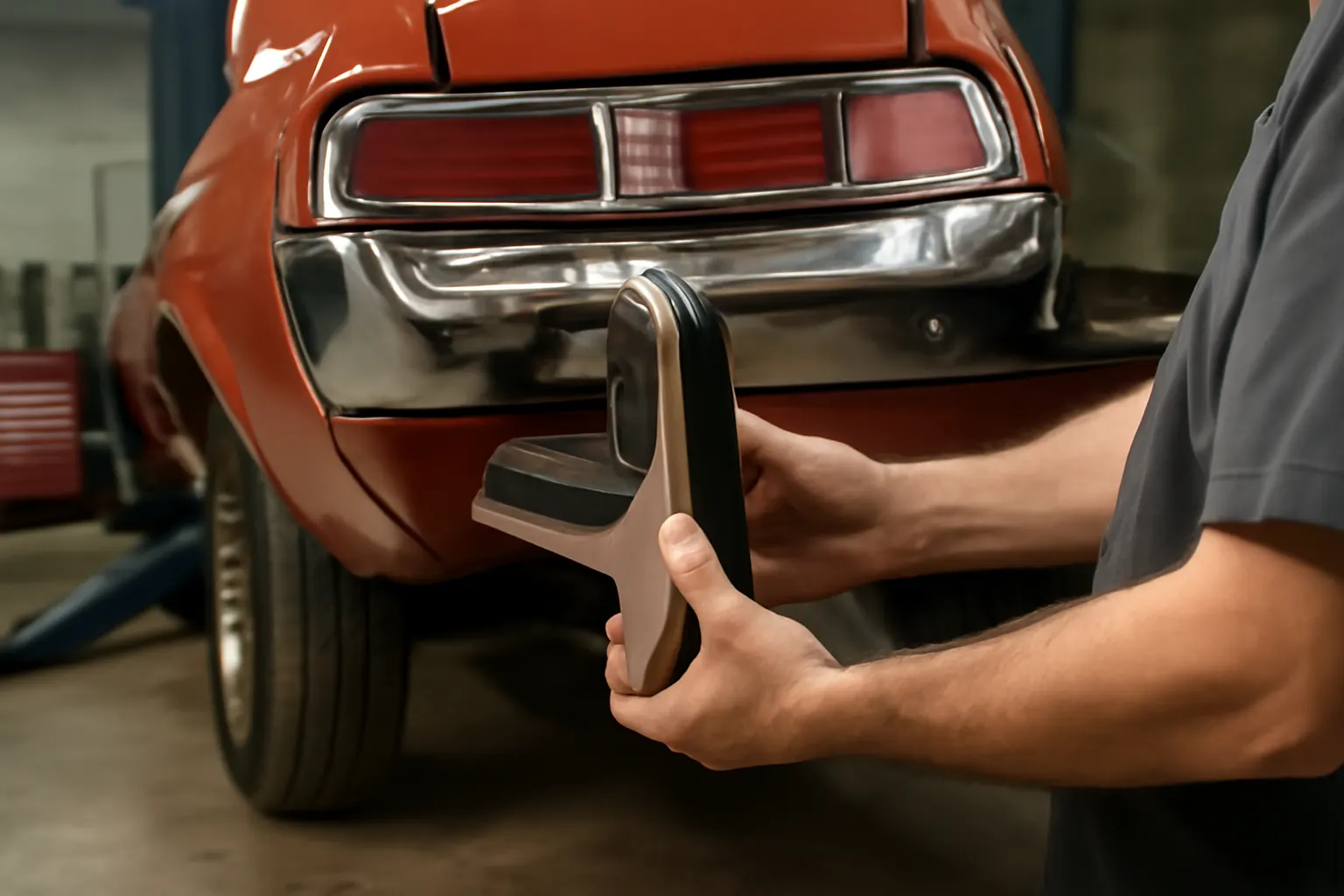
Rare AMC bumper guards—especially rear guards for models like the Javelin and AMX—are a focal point for restoration enthusiasts and preservationists. Sourcing these parts can be a daunting journey, but with the right strategies, you can secure New Old Stock (NOS), quality reproductions, or salvage originals that fit and function as intended. This guide delivers a comprehensive, technical roadmap to finding, vetting, and installing rare AMC rear bumper guards, drawing on industry standards and expert insights. For broader context on AMC rear bumper guards, including fitment and failure patterns, refer to our AMC Rear Bumper Guard: Technical Fitment, Failure Patterns, and Expert Sourcing hub.
Why Rare AMC Rear Bumper Guards Matter—Immediate Answers
Rear bumper guards on AMC classics like the Javelin, AMX, Ambassador, and Matador serve both a protective and an aesthetic function. These guards were designed to absorb minor impacts, shield the bumper from scratches and dents, and contribute to the vehicle’s period-correct appearance. For restorers aiming for authenticity or concours-level results, having the correct rear bumper guards is non-negotiable. Yet, original AMC guards are increasingly scarce due to decades of attrition, accident damage, and the fact that many were removed or discarded during past repairs.
Immediate sourcing options include:
- NOS (New Old Stock): Unused, original AMC-manufactured guards, often found through specialty vendors or auctions.
- Reproduction Guards: Newly manufactured parts closely matching original specs.
- Salvage/Used Parts: Carefully selected from donor vehicles, typically requiring inspection and possible restoration.
Each sourcing route has its own technical challenges and fitment considerations, making informed choices essential.
The Hidden Problem: Scarcity and Technical Fitment Issues
While the need for rare AMC rear bumper guards is clear, the real challenge lies in the intersection of scarcity, variable fitment, and evolving safety standards. Many AMC models had year-specific or trim-specific bumper guard designs, with subtle differences in mounting brackets, curvature, and materials. This means that even if you locate a guard labeled for your vehicle, it may not fit without modification—or may compromise safety and originality if improperly installed.
Complicating matters further, aging materials (especially chrome-plated steel or rubber inserts) can deteriorate, making even NOS parts susceptible to hidden flaws. Salvaged guards often require significant reconditioning, and reproduction options may not always meet the original’s structural integrity or finish.
Expanding the Problem: Technical and Practical Considerations
Model and Year Variability
AMC was known for iterative changes, sometimes mid-production. For example, the 1971 Javelin rear bumper guard differs from the 1972 version in mounting hole placement and profile. The AMX, while sharing some underpinnings, often had unique bumper guard shapes or finishes to distinguish its performance image. This variability means that sourcing must be precise—generic “AMC bumper guard” listings can mislead buyers into acquiring incompatible parts.
Material and Safety Standards
Original AMC bumper guards were typically constructed from stamped steel, chrome-plated for corrosion resistance, and sometimes included rubber impact strips. Over time, these materials are prone to pitting, rust, and delamination. Modern safety standards and materials technology have evolved, but restoration projects generally prioritize period-correct materials and construction, referencing sources such as the NHTSA’s safety equipment guidance and DOE’s materials technologies.
The Reproduction Conundrum
Reproduction bumper guards fill a critical gap, but not all are created equal. Some are reverse-engineered from worn originals, leading to subtle dimensional inaccuracies. Others use modern materials or finishes that may not match the original’s appearance or weight, affecting both aesthetics and performance. Ensuring that a reproduction guard meets or exceeds the original’s standards requires technical vetting and, ideally, hands-on inspection.
Sourcing Options: NOS, Reproduction, and Salvage
New Old Stock (NOS)
NOS parts are the gold standard for originality. They are original AMC-manufactured guards that were never installed on a vehicle. However, NOS inventory is extremely limited and typically commands premium prices. When sourcing NOS bumper guards:
- Verify Authenticity: Check for AMC part numbers, packaging, and documentation.
- Inspect for Age-Related Flaws: Even unused parts may have shelf wear, corrosion, or degraded rubber.
- Confirm Fitment: Cross-reference part numbers with AMC technical manuals to ensure correct application.
Reproduction Guards
Reproduction guards are manufactured by specialty suppliers, using original blueprints or reverse-engineered samples. The best reproductions:
Advertisement
- Match Original Materials: Chrome-plated steel with correct gauge and finish.
- Replicate Mounting Geometry: Accurate bracket placement and dimensions.
- Include Rubber Inserts: Where applicable, using period-correct durometer and finish.
However, some reproductions may use lighter-gauge steel, alternative finishes, or generic mounting kits, so buyer diligence is essential.
Salvage/Used Guards
Sourcing from salvage yards, online marketplaces, or AMC-focused swap meets can yield hidden gems. Key steps include:
- On-Site Inspection: Assess for rust, cracks, pitting, or prior repairs.
- Check Mounting Tabs/Brackets: Ensure they are intact and not bent or fatigued.
- Evaluate Chrome and Rubber: Surface pitting can sometimes be re-chromed, but deep rust or missing rubber inserts may require extensive refurbishment.
Diagnostic Checklist: Evaluating AMC Rear Bumper Guards
Before purchasing or installing a rare AMC rear bumper guard, use this step-by-step checklist to ensure technical suitability:
| Step | Diagnostic Action | Technical Reasoning |
|---|---|---|
| 1 | Confirm part number and model/year application | Prevents misfit and preserves originality |
| 2 | Inspect mounting brackets for cracks, bends, or fatigue | Ensures secure installation and safety |
| 3 | Assess chrome surface for pitting, peeling, or rust | Affects appearance and corrosion resistance |
| 4 | Check for presence and condition of rubber inserts | Maintains impact absorption and period-correct look |
| 5 | Measure bracket spacing and curvature | Guarantees correct alignment with bumper profile |
| 6 | Test fit on spare bumper if possible | Identifies potential fitment issues before installation |
| 7 | Evaluate for previous repairs or welds | May indicate hidden structural weakness |
| 8 | Research supplier reputation and return policy | Protects against misrepresented or defective parts |
This diagnostic approach helps avoid costly mistakes and ensures that your bumper guard will function and present as intended.
Technical Fitment: Ensuring a Secure and Authentic Installation
Understanding AMC Rear Bumper Guard Mounting
AMC rear bumper guards typically mount using pre-drilled holes in the bumper or frame extensions. The mounting hardware—usually bolts, washers, and sometimes spacers—must match the original specifications for both safety and appearance.
Fitment Best Practices:
- Reference Factory Manuals: Detailed diagrams and torque specs are essential.
- Use Correct Hardware: Avoid generic fasteners; source AMC-correct hardware or high-grade equivalents.
- Dry Fit First: Test the guard’s alignment and fit before final tightening.
- Seal Fastener Holes: Use anti-corrosion sealant to prevent water ingress and rust.
For additional fitment guidance, see our Amc Rear Bumper Guard Fitment article.
Materials, Durability, and Restoration Considerations
Original and Modern Materials
Most AMC bumper guards were made from stamped steel, chrome-plated for durability, and occasionally fitted with molded rubber strips. According to the Department of Energy’s materials technologies, advances in coatings and alloys have improved resistance to corrosion and impact, but restorers often prefer original materials for authenticity.
Restoring Salvaged Guards
Restoration may involve:
- Re-chroming: Professional shops can restore the luster and corrosion resistance, but deep pitting may require metal buildup or replacement.
- Rubber Insert Replacement: Sourcing period-correct rubber is challenging, but some specialty suppliers offer reproduction inserts.
- Metal Repair: Welding and reshaping bent brackets or tabs must be done carefully to maintain structural integrity.
For a deeper dive into materials and restoration, review Amc Bumper Guard Materials.
Sourcing Strategies: Where and How to Buy
Specialty AMC Vendors
The most reliable source for NOS and high-quality reproductions are specialty AMC parts vendors. Many maintain relationships with former AMC suppliers or have invested in accurate reproduction tooling. When buying:
- Request Detailed Photos: Especially of mounting areas and close-ups of chrome or rubber.
- Ask for Documentation: Original packaging, part numbers, and provenance add value and confidence.
- Check Return Policies: Even reputable vendors occasionally make mistakes in application listings.
Online Marketplaces and Auctions
eBay, Craigslist, and classic car forums often list AMC bumper guards. Exercise caution:
- Beware of “Universal Fit” Claims: AMC guards are rarely interchangeable across models or years.
- Inspect Seller Ratings: Prioritize experienced sellers with positive feedback on rare parts.
- Factor in Shipping: Bumper guards are bulky and can be damaged in transit if not packed professionally.
Salvage Yards and Swap Meets
For hands-on buyers, salvage yards and swap meets offer the chance to inspect parts in person. Bring tools for removal and a reference guide for correct fitment. Networking with AMC club members can also uncover leads on private stashes or upcoming part-outs.
Advertisement
Common Failure Patterns and What to Avoid
Corrosion and Chrome Failure
Most AMC rear bumper guards eventually succumb to corrosion, especially at weld seams and mounting points where moisture accumulates. Chrome plating can blister, peel, or flake, exposing the steel beneath to rapid rusting. Guards with extensive chrome loss or deep pitting may not be salvageable.
Fatigue and Impact Damage
Repeated minor impacts or improper installation can cause cracks or metal fatigue at mounting tabs. Guards with visible deformation or evidence of significant straightening are at higher risk of failure under load.
Rubber Deterioration
Rubber inserts harden, crack, or detach over decades. Missing or brittle rubber not only diminishes the guard’s protective function but also detracts from authenticity.
Installation Guidance: Step-by-Step Expert Process
A proper installation is critical for both safety and aesthetics. Here’s a technical walk-through:
- Preparation: Clean the bumper surface and mounting holes. Test-fit the guard to check alignment.
- Hardware Selection: Use AMC-specified bolts and washers. If originals are unavailable, Grade 8 hardware is an acceptable substitute for most applications.
- Mounting: Loosely install all fasteners to allow for adjustment. Align the guard so it sits parallel to the bumper and body lines.
- Torque to Spec: Tighten bolts to manufacturer torque specifications, usually found in AMC shop manuals.
- Final Inspection: Ensure the guard is firmly attached, with no movement or gaps. Check for interference with trunk operation or lighting.
- Seal and Protect: Apply anti-corrosion compound to fastener heads and exposed metal.
For a detailed illustrated guide, visit our Amc Rear Bumper Guard Installation Guide.
Maintenance and Longevity: Keeping Your Rare Bumper Guard in Top Shape
Routine maintenance will maximize the life and appearance of your rare AMC bumper guard:
- Regular Cleaning: Use non-abrasive cleaners and soft cloths to remove road debris and prevent scratching.
- Chrome Polishing: Apply chrome polish periodically to restore shine and create a protective barrier.
- Inspect Fasteners: Check for loosening or corrosion at each oil change or seasonal inspection.
- Monitor Rubber Condition: Replace inserts at the first sign of hardening or cracking to maintain impact absorption.
Advertisement
Prompt attention to minor issues prevents more costly repairs and preserves both function and value.
Authenticity and Value: Documentation and Provenance
Collectors and concours judges place a premium on documented originality. For rare AMC bumper guards:
- Retain All Documentation: Original boxes, AMC parts tags, and vendor receipts add provenance.
- Photograph Installation: Documenting the installation process and condition can aid future resale or judging.
- Log Part Numbers: Keep a record of all part numbers and sources for future reference or restoration.
The Role of Standards and Safety Regulations
While AMC bumper guards were designed to meet period safety standards, modern expectations have shifted. The National Highway Traffic Safety Administration (NHTSA) and SAE International provide ongoing guidance on vehicle equipment safety and testing. While restorers typically prioritize period correctness, understanding these standards can inform decisions about reinforcement or supplemental protection—especially if the vehicle will see regular road use.
AutoPartEx: Your Partner in Rare AMC Bumper Guard Sourcing
AutoPartEx specializes in technical fitment, failure pattern analysis, and expert sourcing for rare AMC rear bumper guards and related components. Our curated network of suppliers, restoration professionals, and technical resources ensures you have access to the best NOS, reproduction, and salvage options available. We provide:
- Verified Fitment Data: Cross-referenced part numbers and technical diagrams.
- Expert Installation Guides: Step-by-step, model-specific instructions.
- Material and Restoration Insights: Informed by the latest industry research.
For the full spectrum of AMC rear bumper guard resources, visit our AMC Rear Bumper Guard: Technical Fitment, Failure Patterns, and Expert Sourcing page.
Conclusion: Expert Actions for Sourcing and Installing Rare AMC Bumper Guards
Restoring or maintaining an AMC classic to its original glory demands diligence, technical knowledge, and a network of trusted sources. When searching for rare AMC rear bumper guards:
- Define Your Needs: Model, year, and trim-specific requirements are critical.
- Vet All Parts: Use diagnostic checklists and reference original documentation.
- Prioritize Authenticity: When possible, select NOS or high-quality reproductions with proper provenance.
- Install with Precision: Follow factory procedures and use correct hardware.
- Maintain Proactively: Regular inspection and care will protect your investment.
With the right approach and expert resources, you can secure and preserve these rare components—ensuring your AMC stands out for both authenticity and technical excellence.
References
Advertisement