Plymouth Service Intervals: Keeping Classics Roadworthy
Classic Plymouth vehicles, from the iconic Barracuda to the dependable Valiant, have earned a reputation for robust engineering and timeless design. However, the key to keeping your Plymouth on the road isn’t just nostalgia—it’s rigorous, informed, and consistent maintenance. This in-depth guide delivers immediate, actionable recommendations for Plymouth service intervals, highlights critical system checks, and provides technical advice grounded in industry standards. If you want authentic fitment and reliable operation for your classic, this is your essential resource.
To further streamline your maintenance journey, you can access the Plymouth Parts Catalog for OEM-grade and heritage-compatible parts, ensuring every service is done right.
Immediate Answer: Core Plymouth Service Intervals
For most Plymouth classics, the following service intervals are recommended to maintain roadworthiness and reliability:
- Engine Oil & Filter: Every 3,000 miles or 6 months, whichever comes first. Use high-zinc, classic-formulated oil for flat-tappet engines.
- Transmission Fluid: Inspect every 6,000 miles; replace every 24,000–30,000 miles.
- Coolant: Check level and condition at every oil change; flush and replace every 2 years.
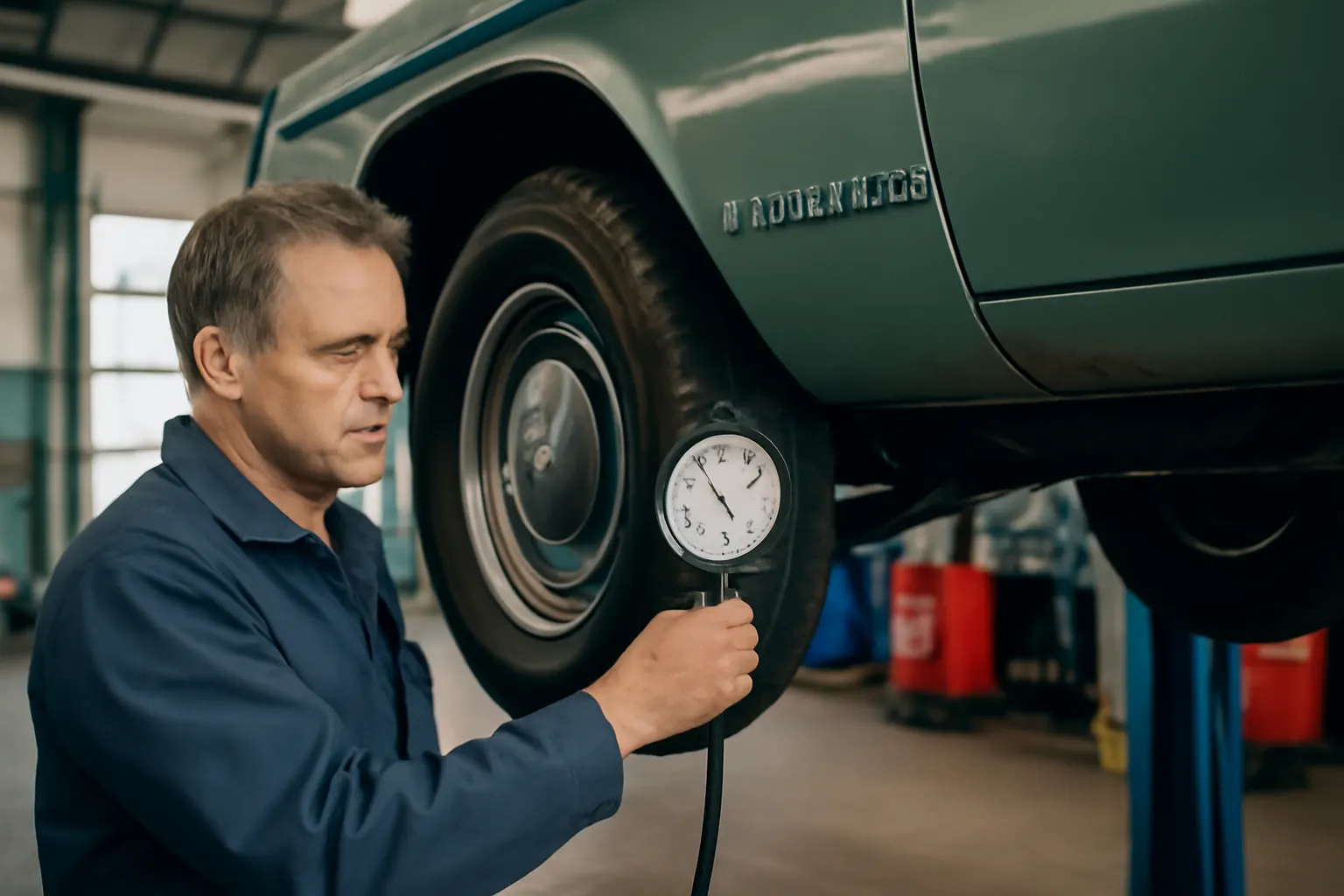
- Brake System: Inspect fluid, pads, shoes, and lines every 6,000 miles or annually.
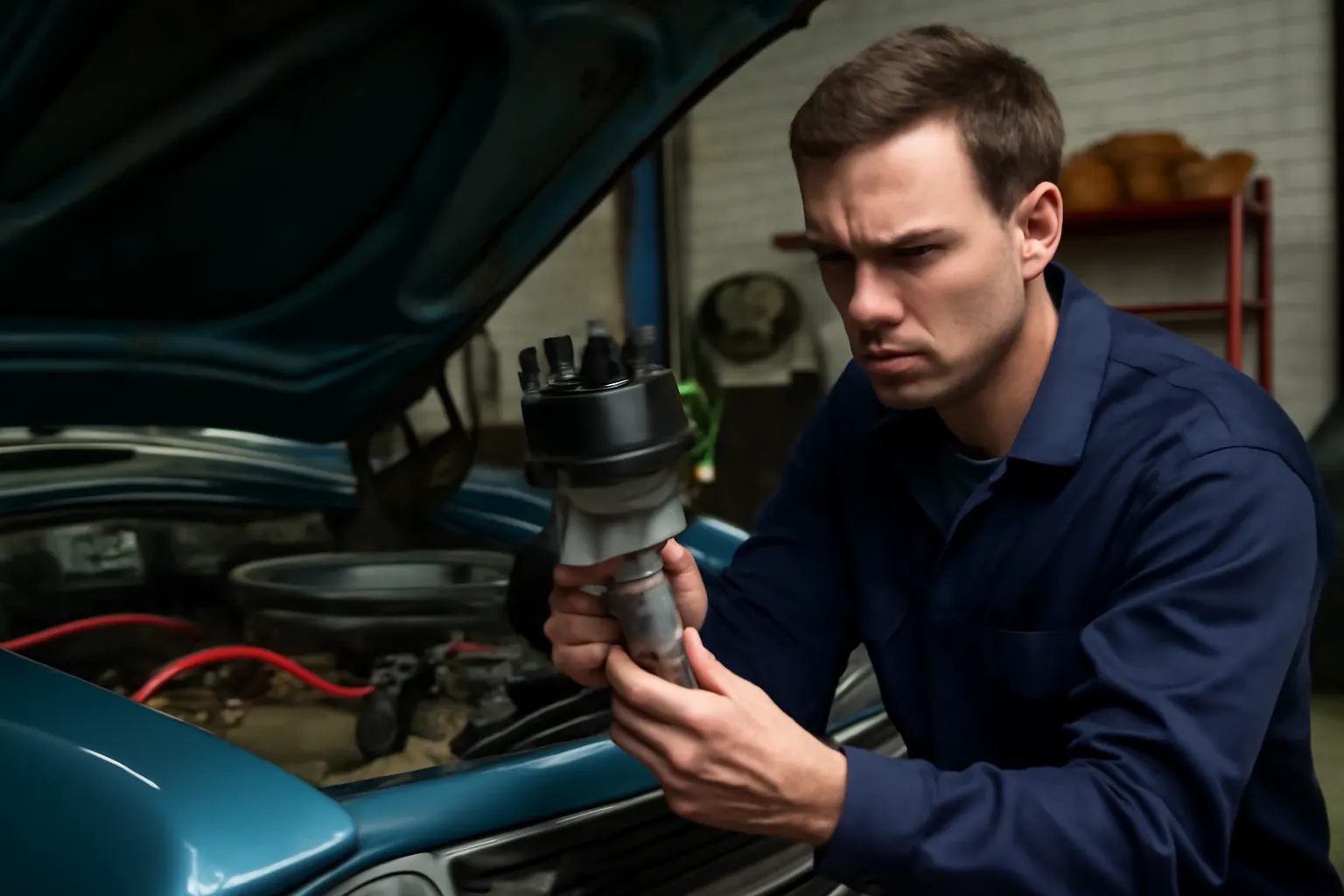
- Ignition System (Plugs, Points, Cap, Rotor, Wires): Inspect every 6,000 miles; replace as needed, typically every 12,000–15,000 miles.
- Belts & Hoses: Inspect every 6,000 miles for cracks, wear, or leaks.
- Fuel System: Replace filter every 12,000 miles; inspect carburetor and lines at every oil change.
- Chassis Lubrication: Grease all fittings every 6,000 miles.
- Differential & Rear Axle Fluid: Inspect every 12,000 miles; replace every 30,000–36,000 miles.
- Suspension & Steering Components: Inspect annually or at each major service.
These intervals are based on a blend of original Plymouth service data, SAE standards, and real-world experience with classic vehicles.
The Hidden Problem: Aging Components and Modern Driving Conditions
While these intervals provide a strong baseline, classic Plymouths face unique challenges that modern cars do not. Decades-old materials—rubber, gaskets, wiring—degrade over time, regardless of mileage. Meanwhile, modern fuels, road conditions, and driving expectations place new stresses on vintage systems.
Neglecting these realities can lead to:
- Sudden breakdowns from brittle hoses or corroded wiring.
- Compromised safety due to outdated brake fluid or worn suspension.
- Reduced efficiency as carburetors fall out of tune or ignition systems degrade.
- Accelerated wear on components not designed for today’s ethanol-blended fuels.
Owners who simply follow original maintenance intervals without adjusting for age and use risk unexpected failures that can threaten both safety and the vehicle’s long-term value.
Deeper Technical Explanation: Why Classic Plymouths Need Special Attention
Material Degradation Over Time
Even with low mileage, time is the enemy of many automotive materials. According to the National Highway Traffic Safety Administration, rubber and plastic components such as hoses, bushings, and seals can harden, crack, or shrink after years of exposure to air, heat, and fluids. This is why even “garage queens” require periodic inspection and replacement of these parts.
Lubricants and Fluids
Classic engines and transmissions were engineered for different oil formulations than those commonly available today. For example, flat-tappet camshafts in many Plymouth V8s require higher levels of zinc dialkyldithiophosphate (ZDDP) for adequate protection. Modern oils, designed for catalytic converter longevity, often lack sufficient ZDDP, increasing the risk of cam and lifter wear.
Brake and clutch fluids absorb moisture over time, leading to corrosion in hydraulic systems. Ethanol in modern gasoline attracts water, which can cause rust in fuel tanks and lines, and degrade carburetor components.
Engineering Standards and Testing
Modern service recommendations are informed by SAE International standards (SAE Standards), which emphasize regular inspection and preventive replacement of safety-critical parts. While Plymouth’s original manuals were based on 1960s-1970s technology and materials, today’s best practices integrate both heritage engineering and modern safety expectations.
Service Interval Checklist for Plymouth Classics
Use this checklist to guide your regular maintenance routine. Adjust intervals based on your specific model, usage, and storage conditions.
| System/Component | Inspect | Replace/Service | Notes |
|---|---|---|---|
| Engine Oil & Filter | Every 3,000 mi | Every 3,000 mi | Use high-zinc oil for flat-tappet engines |
| Transmission Fluid | Every 6,000 mi | 24,000–30,000 mi | Check for leaks, color, and odor |
| Coolant | Every 3,000 mi | Every 2 years | Use phosphate-free coolant for older radiators |
| Brake Fluid | Every 6,000 mi | Every 2 years | DOT 3 or DOT 4 as specified; flush if discolored |
| Spark Plugs | Every 6,000 mi | 12,000–15,000 mi | Gapped to spec; replace if fouled or eroded |
| Points/Condenser | Every 6,000 mi | 12,000–15,000 mi | Upgrade to electronic ignition for reliability |
| Belts & Hoses | Every 6,000 mi | As needed | Replace if cracked, swollen, or soft |
| Fuel Filter | Every 6,000 mi | 12,000 mi | Ethanol-resistant filters recommended |
| Chassis Lubrication | Every 6,000 mi | Every 6,000 mi | Grease all suspension and steering fittings |
| Differential Fluid | Every 12,000 mi | 30,000–36,000 mi | Use GL-4/GL-5 gear oil as specified |
| Suspension/Steering | Every 6,000 mi | As needed | Check for play, torn boots, or worn bushings |
| Battery | Every 3,000 mi | As needed | Clean terminals; check hold-downs |
Critical Checks: Beyond Basic Fluids and Filters
Electrical System
- Battery: Classic Plymouths often use conventional lead-acid batteries that are prone to sulfation if left discharged. Inspect terminals for corrosion and check voltage regularly.
- Wiring: Look for brittle insulation, especially under the hood where heat accelerates aging. Replace or re-wrap as necessary.
- Grounds: Ensure all ground straps are clean and secure to prevent starting and charging issues.
Brakes
- Drum Brakes: Inspect for shoe wear, leaking wheel cylinders, and drum scoring.
- Brake Lines: Check for rust, especially in steel lines running along the frame rails.
- Master Cylinder: If fluid is dark or contaminated, a full flush and possible rebuild may be necessary.
Suspension & Steering
- Ball Joints & Tie Rods: Excessive play can lead to vague steering and tire wear; replace if any looseness is detected.
- Bushings: Rubber bushings deteriorate with age; polyurethane replacements offer improved longevity but can alter ride quality.
The Impact of Modern Fuels and Driving Habits
Ethanol-blended fuels (E10 and above) can wreak havoc on older Plymouth fuel systems. Ethanol is hygroscopic, meaning it absorbs water, which can corrode tanks and lines, and cause carburetor varnish or gumming. Rubber fuel lines and accelerator pump diaphragms from the classic era are especially vulnerable.
If your Plymouth is a show car or is stored seasonally, always use a fuel stabilizer and consider non-ethanol gasoline when possible. Regularly inspect the fuel tank for rust and the carburetor for leaks or sticking floats.
Diagnosing Wear and Preemptive Replacement
Classic Plymouths rarely “fail gracefully.” Instead, a worn part can rapidly escalate from minor nuisance to roadside breakdown. Here’s how to spot trouble before it strikes:
- Engine Running Rough: May indicate ignition (plugs, wires, points) or fuel delivery issues.
- Soft Brake Pedal: Air in lines or failing master/wheel cylinders.
- Overheating: Clogged radiator, stuck thermostat, or failing water pump.
- Noisy Suspension: Worn bushings, dry ball joints, or loose sway bar links.
- Hard Starting: Weak battery, corroded terminals, or degraded ignition components.
Proactive replacement of known wear items—belts, hoses, ignition parts, and fluids—can prevent most breakdowns.
Sourcing Authentic Replacement Parts
The quality and fitment of replacement parts are critical for both safety and vehicle value. While reproduction and aftermarket options abound, not all meet original engineering or safety standards. The SAE Standards provide benchmarks for materials, tolerances, and performance, but adherence varies widely among suppliers.
For the most reliable fit and function, prioritize:
- NOS (New Old Stock) Parts: Original manufacturer parts, though rare, offer the best assurance of correct fitment.
- OEM-Quality Reproductions: Parts built to original specifications, using correct materials and manufacturing processes.
- SAE/ISO-Certified Aftermarket Parts: Seek out suppliers who meet recognized industry standards.
Be cautious with unbranded or “universal” parts, especially for critical systems like brakes and steering. For more on this topic, see Hidden Risks in Aftermarket Plymouth Parts.
Technical Fitment: Ensuring Compatibility
Classic Plymouths underwent numerous engineering changes across model years and even within the same platform. This makes accurate parts matching essential. Always confirm:
- VIN and Model Year: Use your VIN to decode engine, transmission, and trim specifics. See Decoding Plymouth VINs for Accurate Parts Matching.
- Component Variations: Many models had mid-year changes in brake sizing, ignition systems, or emissions equipment.
- Mounting and Connection Points: Even small differences in bracketry or wiring can cause installation headaches.
Keep detailed records of any modifications or upgrades, as these can affect future maintenance and parts selection.
Adapting Service Intervals for Modified or High-Use Plymouths
If your Plymouth has been modified with performance engines, modern transmissions, or electronic fuel injection, service intervals may need to be adjusted:
- High-Performance Engines: Increased power and heat generation typically require more frequent oil, coolant, and spark plug changes.
- Disc Brake Conversions: Use DOT 4 fluid and replace more frequently, as higher performance systems generate more heat.
- Electronic Ignition Systems: While these reduce maintenance, still inspect wiring and connections at regular intervals.
Track cars or those used for long road trips may benefit from shorter intervals on all fluids and critical wear items.
Storage and Seasonal Maintenance
Many Plymouth owners store their cars for part of the year. Proper storage maintenance is essential to prevent deterioration:
- Pre-Storage: Change oil, fill tank with stabilized fuel, disconnect battery, inflate tires to max sidewall pressure.
- During Storage: Place on jack stands if possible, cover with a breathable car cover, and periodically rotate tires.
- Post-Storage: Inspect for fluid leaks, check battery charge, and perform a full safety inspection before driving.
Failure to address these steps can result in flat-spotted tires, stale fuel, or even engine damage upon startup.
Safety and Regulatory Considerations
Classic Plymouths must meet basic safety standards, even if they’re not subject to modern emissions or crash regulations. The National Highway Traffic Safety Administration recommends regular inspection of:
- Lighting: Headlights, taillights, turn signals, and brake lights for function and lens clarity.
- Windshield Wipers: Blades and operation, especially if the car is driven in wet conditions.
- Seat Belts: Check for fraying or worn retractors; upgrade to modern belts if original units are compromised.
Regularly check for recalls, even on older vehicles, using the NHTSA recalls database.
Expert Solution Path: Building a Sustainable Maintenance Regimen
To keep your Plymouth roadworthy for the next generation, adopt a cycle of preventive maintenance and documentation. Here’s how:
- Establish a Service Log: Track all maintenance, repairs, and parts replacements. This helps you anticipate future needs and supports vehicle value.
- Use Quality Parts: Source from reputable suppliers and verify SAE or OEM compliance.
- Follow or Exceed Recommended Intervals: When in doubt, service more frequently, especially for critical systems.
- Inspect, Don’t Assume: Visual and tactile inspections often reveal issues before they become failures.
- Consult the Community: Leverage forums, clubs, and restoration guides like the Plymouth Restoration Guide: Common Pitfalls & Solutions for model-specific advice.
AutoPartEx: Your Technical Partner in Plymouth Preservation
As a dedicated partner to classic car enthusiasts, AutoPartEx delivers not only the right parts but also the technical expertise and resources needed to keep your Plymouth thriving. Our Plymouth Auto Parts: Authentic Replacement, Technical Fitment & Heritage Engineering hub connects you to:
- OEM and heritage-correct parts listings
- Fitment tools and VIN decoding
- Technical documentation and restoration resources
- Expert support for diagnostics and installation
Whether you’re performing a full restoration or simply keeping a cherished classic on the road, AutoPartEx is committed to your Plymouth’s continued legacy.