
Advertisement
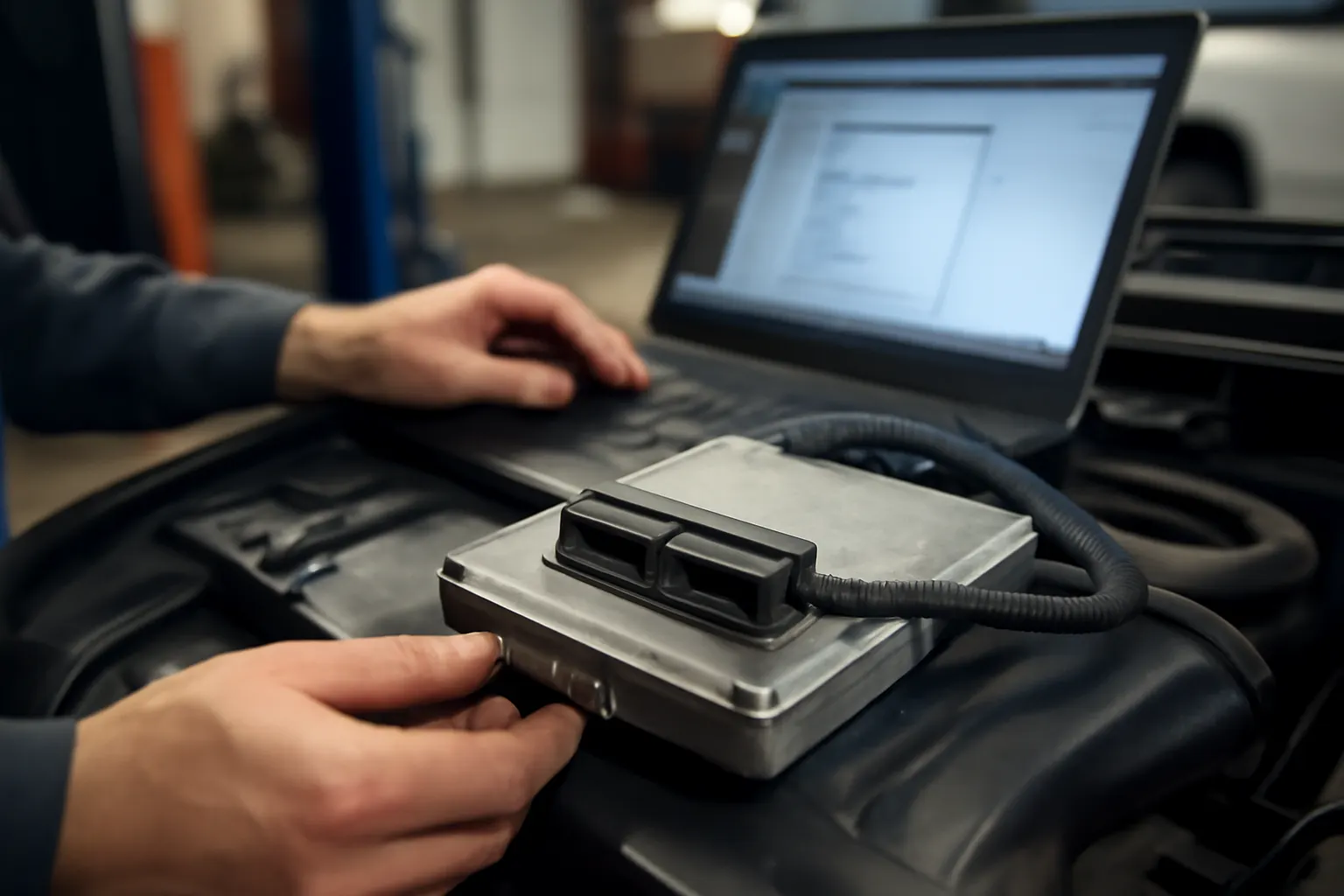
Diagnosing Power Control Module (PCM) and Powertrain Control Unit (PCU) issues in classic AMC vehicles is essential for reliable performance, safety, and efficient restoration. This guide delivers actionable strategies for PCM/PCU diagnostics, practical tips for identifying module failure, and a detailed approach to interpreting fault codes. Whether you’re troubleshooting a no-start condition, chasing elusive drivability issues, or restoring a vintage AMC to original specification, a structured diagnostic process is crucial. For a broader overview of AMC PCM fitment, failure patterns, and expert sourcing, visit the AMC Power Control Module (PCM/PCU): OEM Fitment, Failure Patterns, and Expert Sourcing category page.
Immediate Answer: Fast-Track PCM/PCU Diagnostics for Classic AMCs
When an AMC's PCM/PCU starts to fail, symptoms often include intermittent starting issues, erratic idle, stalling, poor fuel economy, unresponsive throttle, and persistent check engine lights. The quickest way to confirm PCM/PCU issues is by using a compatible OBD-I or OBD-II scan tool (for late AMC models), checking for stored trouble codes, and performing a visual inspection for corrosion, burnt traces, or connector damage. If fault codes point to multiple unrelated systems or if the module cannot communicate with a scan tool, PCM/PCU failure is likely.
- Step 1: Scan for codes and note any that recur after clearing.
- Step 2: Inspect wiring harnesses, grounds, and connectors.
- Step 3: Test module power and grounds with a multimeter.
- Step 4: Substitute with a known-good PCM/PCU if available.
- Step 5: Reference AMC-specific wiring diagrams and service literature for pinout and signal checks.
The Hidden Problem: Overlooked PCM/PCU Faults in AMC Vehicles
Many AMC enthusiasts and technicians overlook PCM/PCU faults because classic AMCs (especially pre-OBD-II) often lack standardized diagnostic connectors and may present symptoms similar to mechanical failures. For instance, a failing PCM/PCU might mimic a faulty ignition module, bad fuel pump relay, or even a weak alternator. This leads to unnecessary parts replacement and persistent drivability concerns.
The hidden danger is that intermittent or partial PCM/PCU failures can degrade vehicle safety systems, emissions controls, and even cause cascading damage to critical components. According to the National Highway Traffic Safety Administration (NHTSA), electrical equipment and control module failures are among the most common causes of vehicle recalls and safety-related defects, underscoring the importance of proper diagnostics NHTSA Equipment.
Understanding AMC PCM/PCU Architecture and Failure Patterns
To diagnose effectively, you must understand the PCM/PCU’s role in classic AMC vehicles. The PCM/PCU integrates engine, transmission, and sometimes body control functions. In 1980s and early 1990s AMCs, the PCM/PCU manages fuel injection, ignition timing, emissions controls, and communicates with onboard sensors and actuators.
Common AMC PCM/PCU Failure Patterns:
- Thermal Cycling: Repeated heat/cool cycles cause solder joint cracks or internal trace failures.
- Moisture Intrusion: Poor sealing leads to corrosion on circuit boards and connectors.
- Voltage Spikes: Alternator/regulator faults can send damaging voltage surges.
- Aging Capacitors: Electrolytic capacitors dry out, leading to signal instability or no-start conditions.
- Connector Wear: Frequent disconnects or vibration loosen pins and sockets, causing intermittent signals.
Recognizing these patterns helps differentiate between PCM/PCU faults and external sensor or actuator issues.
Step-by-Step Diagnostic Workflow for AMC Power Control Modules
A structured diagnostic workflow minimizes guesswork and prevents unnecessary parts replacement. Follow this step-by-step process:
1. Initial Visual Inspection
- Check for moisture, corrosion, burnt smells, or evidence of tampering.
- Inspect all PCM/PCU connectors for bent pins, loose sockets, or broken locks.
Advertisement
2. Electrical Supply Verification
- With ignition ON, verify battery voltage at the PCM/PCU’s main power supply pin.
- Confirm a solid ground at ground pins using a voltage drop test (<0.1V drop is ideal).
3. Scan for Fault Codes
- Use a compatible scan tool or manual flash code retrieval (for OBD-I AMC models).
- Record all diagnostic trouble codes (DTCs), noting if they involve unrelated systems (e.g., simultaneous fuel, ignition, and emission faults).
4. Sensor and Actuator Loop Checks
- Backprobe critical sensor circuits (MAP, TPS, CTS) for reference voltage and signal return.
- Test actuator outputs (injectors, ignition coil drivers) for PCM/PCU control signals.
5. Module Communication Test
- Attempt bidirectional communication with the PCM/PCU.
- A non-communicating module often indicates internal failure or power/ground loss.
6. Substitution Test
- If possible, substitute with a known-good PCM/PCU (matched by part and calibration code).
- If symptoms resolve, original module is faulty.
7. Re-Test After Repairs
- After repairs or replacement, clear codes, perform a drive cycle, and recheck for new or recurring faults.
Detailed PCM/PCU Failure Symptoms in Classic AMCs
Classic AMC PCM/PCU failures can manifest as:
- No-Start or Hard Start: Module fails to energize fuel pump relay or ignition coil.
- Random Stalling: Loss of PCM/PCU command to fuel or spark, especially when hot.
- Erratic Idle or Surging: PCM/PCU loses sensor input or outputs unstable signals.
- Transmission Shifting Issues: In vehicles with electronic transmissions, PCM/PCU failure disrupts shift solenoid control.
- Persistent Warning Lights: Check Engine or Service Engine Soon lights remain illuminated, often with multiple system codes.
- Poor Fuel Economy: Improper fuel mixture due to failed closed-loop control.
Tip: If multiple unrelated systems fail at once, suspect the PCM/PCU or its power/ground circuits.
Interpreting AMC Fault Codes: OBD-I and OBD-II Strategies
AMC vehicles transitioned from proprietary flash code systems to OBD-I and, in late models, to OBD-II. Accurate fault code interpretation is crucial:
OBD-I (Pre-1996 AMC Models)
- Codes are retrieved by cycling the ignition key and counting dashboard light flashes.
- Reference AMC service literature for code definitions.
- Codes may be less specific, often pointing to circuit or sensor groups.
OBD-II (1996+ AMC Models and Jeep Derivatives)
- Use a standard OBD-II scan tool.
- Codes are more granular (P0xxx format) and can pinpoint specific circuits or performance issues.
- Freeze frame and live data help correlate fault occurrence with engine conditions.
Interpreting Codes:
- Single Persistent Code: Usually sensor or actuator fault.
- Multiple Unrelated Codes: Often indicates PCM/PCU power, ground, or internal failure.
- No Codes, No Communication: Suspect PCM/PCU or main harness failure.
Common Diagnostic Pitfalls and How to Avoid Them
Even experienced technicians can fall into these traps:
- Assuming All No-Start Conditions Are Fuel or Spark Related: Always check PCM/PCU outputs before replacing fuel pumps or ignition components.
- Ignoring Grounds: Poor ground connections mimic PCM/PCU failure. Always perform voltage drop tests on all module grounds.
- Overlooking Fuse Panels: PCM/PCU supply fuses may appear intact but can have hairline cracks or corrosion.
- Substituting Modules Without Matching Calibration Codes: Installing a mismatched PCM/PCU can introduce new faults or immobilizer issues.
Checklist: Avoiding Diagnostic Pitfalls
- Confirm battery voltage at module
- Test all ground circuits for low resistance
- Inspect and test all relevant fuses
- Use correct scan tool or code retrieval method
- Match replacement modules by part and calibration code
Sourcing and Selecting Replacement AMC PCMs/PCUs
Finding a replacement PCM/PCU for classic AMCs can be challenging due to limited supply and the need for exact fitment. Here’s how to source the right unit:
Advertisement
OEM vs. Aftermarket
- OEM Units: Preferred for originality and compatibility. Often available as remanufactured units through specialist suppliers.
- Aftermarket Units: May require custom programming or wiring modifications. Use only if OEM is unavailable.
Fitment Verification
- Match part numbers, hardware revision, and calibration code.
- Confirm compatibility with engine, transmission, and emission package.
- For detailed fitment, consult our Amc Oem Fitment Guide.
Supplier Reputation
- Source from established suppliers with a track record of quality remanufacturing and warranty support.
- Avoid used modules from unknown sources, as internal damage may not be visible.
Installation and Setup Best Practices
Proper installation ensures long-term reliability. Follow these steps:
- Disconnect Battery: Prevent voltage spikes during module removal/installation.
- Inspect Harnesses: Clean and repair any corroded connectors or damaged wires.
- Install Module: Secure all connectors and mounting points to prevent vibration damage.
- Reconnect Battery: Follow recommended procedure to avoid surges.
- Clear Codes: Use scan tool to clear stored codes and reset adaptive memory.
- Perform Drive Cycle: Allow PCM/PCU to relearn idle, fuel trim, and transmission shift points.
For a step-by-step walkthrough, see our Amc Pcm Installation Guide.
Preventive Maintenance and Longevity Tips
With classic AMCs, preventive maintenance can extend PCM/PCU life and reduce the risk of sudden failure:
- Keep Electrical System Healthy: Maintain alternator, battery, and voltage regulator to prevent voltage spikes.
- Seal and Protect: Ensure PCM/PCU and connectors are protected from water intrusion and vibration.
- Regular Inspections: Annually inspect connectors and harnesses for corrosion or wear.
- Use Dielectric Grease: Apply to connector pins to resist moisture and oxidation.
- Address Warning Lights Promptly: Investigate and resolve check engine lights early to prevent cascading failures.
Advanced Diagnostic Techniques for AMC Enthusiasts and Pros
For those with advanced skills or access to lab scopes and specialized equipment:
- Oscilloscope Testing: Probe PCM/PCU input and output signals for amplitude, frequency, and noise.
- Thermal Imaging: Identify hot spots on circuit boards indicating failing components.
- EEPROM/Memory Checks: On some modules, verify firmware integrity or reflash with original software.
- Bench Testing: Some suppliers offer bench-testing services to confirm module health before installation.
The Role of PCMs/PCUs in AMC Vehicle Safety and Efficiency
A healthy PCM/PCU is critical not only for performance but also for safety and regulatory compliance. The NHTSA identifies control module failures as a leading cause of safety recalls, affecting engine management, emissions, and sometimes anti-lock brake or airbag systems NHTSA Equipment, NHTSA Recalls. Additionally, the United States Department of Energy highlights that efficient engine control directly impacts fuel economy and emissions output DOE Fuel Efficiency.
AutoPartEx: Your AMC PCM/PCU Diagnostic and Sourcing Partner
AutoPartEx supports classic AMC owners and restoration professionals with expert diagnostic resources, fitment guides, and a curated selection of OEM and remanufactured PCMs/PCUs. Our technical editorial team draws on industry standards, verified government resources, and decades of hands-on experience to deliver actionable guidance.
For comprehensive fitment data, failure patterns, and sourcing strategies, explore our AMC Power Control Module (PCM/PCU): OEM Fitment, Failure Patterns, and Expert Sourcing page. For installation and setup details, our Amc Pcm Installation Guide is an essential resource.
Expert Action: Next Steps for AMC PCM/PCU Diagnostics
- Suspect PCM/PCU issues? Begin with a structured diagnostic workflow—don’t rely on guesswork or parts swapping.
- Interpret codes carefully: Use AMC-specific reference material and consider multiple-code patterns as a sign of module failure.
- Source replacements wisely: Prioritize OEM or high-quality remanufactured units, ensuring exact fitment and calibration.
- Follow best practices: Use proper installation and preventive maintenance to maximize module lifespan.
- Leverage AutoPartEx: Tap into our resources, guides, and expert support to keep your classic AMC running strong.
References
- Vehicle Safety and Equipment – National Highway Traffic Safety Administration
- Fuel Efficiency – United States Department of Energy
- Vehicle, Car Seat, Tire, and Equipment Recalls – National Highway Traffic Safety Administration
Word count (body): ~2420
Advertisement