OEM vs. Aftermarket Mouldings: What You Need to Know
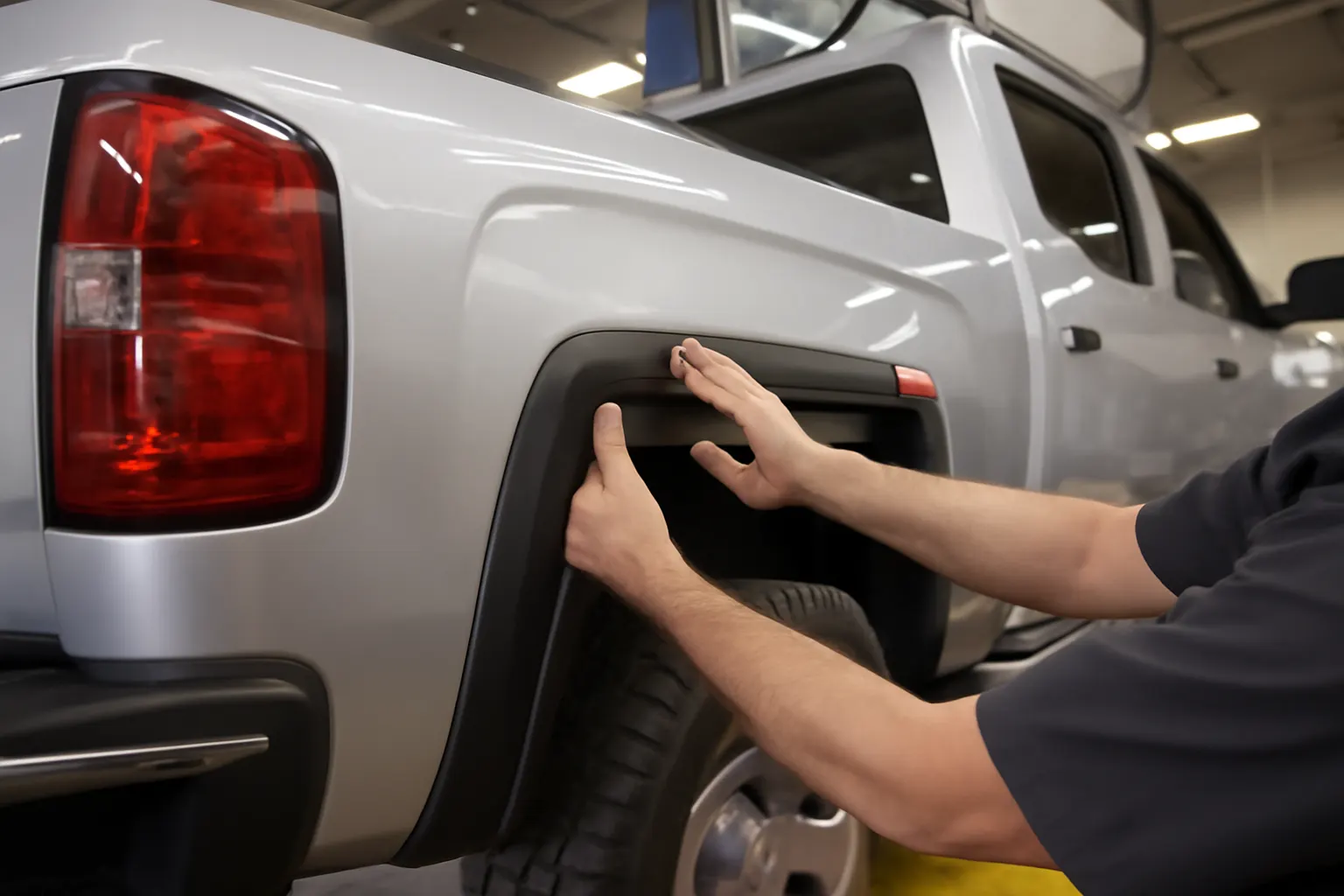
When it comes to replacing quarter panel and bed side mouldings, the decision between Original Equipment Manufacturer (OEM) and aftermarket options is crucial—not just for aesthetics, but for protection, fitment, and long-term value. This comprehensive guide delivers the technical insights you need to make an informed choice, whether you’re restoring a classic truck, repairing collision damage, or upgrading your daily driver. For a deeper dive into moulding categories, visit our Quarter Panel and Bed Side Moulding: Protection, Style, and Precision Fitment page.
The Fast Answer: OEM vs. Aftermarket Mouldings
OEM mouldings are designed and manufactured by the vehicle’s original maker or its official suppliers, ensuring a precise fit, matching materials, and adherence to strict quality standards. Aftermarket mouldings, produced by independent companies, offer a wider range of price points, materials, and styles, but can vary significantly in fitment, durability, and finish. For those prioritizing exact fit and original appearance, OEM is generally preferred. However, high-quality aftermarket mouldings can offer comparable performance and significant savings if chosen wisely.
The Hidden Problem: Not All Mouldings Are Created Equal
While the distinction between OEM and aftermarket seems straightforward, the real challenge lies in the variability of aftermarket products. Some aftermarket mouldings rival OEM in quality, while others fall short—leading to issues with installation, weather sealing, corrosion protection, and even safety. Misfit or subpar mouldings can also affect resale value and vehicle integrity, especially in trucks and SUVs where quarter panel and bed side mouldings play a critical protective role.
Why Fitment and Material Quality Matter
Quarter panel and bed side mouldings are more than decorative trim—they safeguard the vehicle’s bodywork from road debris, moisture, and minor impacts. The U.S. Department of Energy highlights the importance of material technologies in automotive body structures, emphasizing that even seemingly minor components contribute to overall vehicle performance and longevity [^1]. Mouldings that don’t fit precisely can leave gaps, trap water, and accelerate rust formation, undermining both appearance and structural integrity.
Technical Comparison: OEM vs. Aftermarket Mouldings
1. Fitment Precision
- OEM: Manufactured to the exact specifications of your vehicle’s make, model, and year. Installation is typically straightforward, with pre-drilled mounting holes and clips aligning perfectly.
- Aftermarket: Quality varies. Some are engineered for a universal fit or multiple models, which can result in imperfect alignment, requiring modification or additional hardware.
2. Material Composition
- OEM: Materials are selected to match the original bodywork, often using advanced polymers, stainless steel, or anodized aluminum. These choices are validated for UV resistance, impact absorption, and compatibility with the vehicle’s paint and structure.
- Aftermarket: Materials range from high-grade plastics and metals to lower-cost alternatives. Some aftermarket mouldings use recycled or less robust materials, potentially compromising durability and finish [^2].
3. Durability and Longevity
- OEM: Subjected to rigorous testing for weather resistance, corrosion, and impact. OEM parts must meet or exceed SAE and NHTSA safety and quality standards [^3][^4].
- Aftermarket: Durability can vary widely. Premium brands may match OEM performance, but bargain options may fade, crack, or detach prematurely, especially in harsh climates.
4. Aesthetics and Finish
- OEM: Color, grain, and finish are matched to the rest of the vehicle, ensuring a seamless appearance.
- Aftermarket: Some offer a close match, while others may differ in gloss, texture, or color, especially if intended for multiple models.
5. Value and Cost
- OEM: Typically more expensive due to higher material and production costs, as well as licensing and distribution through dealerships.
- Aftermarket: Wider price range. Quality aftermarket mouldings can offer significant savings, but extremely low-cost options may be false economy if they fail prematurely or require rework.
Understanding the Role of Mouldings in Vehicle Protection
Quarter panel and bed side mouldings are first lines of defense against common hazards:
- Debris Impact: Rocks, gravel, and road debris can chip paint and dent panels. Mouldings absorb or deflect these impacts.
- Moisture Intrusion: Properly fitted mouldings seal seams and prevent water ingress, which is critical for rust prevention.
- UV and Chemical Exposure: Quality materials resist fading, chalking, and chemical degradation from road salts and cleaning agents.
The U.S. Department of Energy’s research into automotive materials underscores the importance of selecting trim components that do not compromise the overall corrosion resistance and structural performance of the vehicle [^2].
Diagnosing Moulding Issues: When Replacement Is Needed
Before choosing between OEM and aftermarket, assess whether your mouldings need replacement or repair. Common signs include:
- Cracks, splits, or warping in the moulding
- Gaps or poor alignment with the body panel
- Fading, discoloration, or peeling finish
- Loose or missing clips and fasteners
- Evidence of water intrusion, such as rust or corrosion near moulding edges
If you encounter any of these issues, prompt replacement is recommended to prevent further body damage. For step-by-step instructions, refer to our How to Replace Quarter Panel Moulding: Step-by-Step Guide.
Installation Challenges: OEM vs. Aftermarket
OEM Installation
- Typically a direct bolt-on or snap-in replacement.
- Uses factory mounting points, clips, and adhesives.
- Minimal or no modification required.
- Factory service manuals provide detailed instructions.
Aftermarket Installation
- May require trimming, drilling new holes, or using non-OEM fasteners.
- Instructions can be less detailed or generic.
- Quality of included hardware varies.
- Fitment may need to be tested before final installation.
Checklist: Evaluating Moulding Fitment Before Installation
- Compare new moulding to the original part: Check length, width, curvature, and mounting points.
- Test-fit on the vehicle: Hold the new moulding in place to ensure proper alignment.
- Inspect mounting hardware: Confirm that clips, screws, and adhesives are compatible.
- Check finish match: Ensure color and texture are consistent with adjacent trim.
- Review installation instructions: Look for vehicle-specific guidance.
Material Technologies: Impact on Performance and Lifespan
Advancements in automotive materials have led to mouldings that are lighter, stronger, and more resistant to environmental damage. According to the U.S. Department of Energy, modern polymers and composites can outperform older metal-based mouldings in both corrosion resistance and weight reduction, contributing to better fuel efficiency and lower maintenance costs [^1][^2]. However, not all aftermarket manufacturers utilize these advanced materials, so it’s important to verify specifications before purchase.
OEM Advantages:
- Use of OEM-grade thermoplastics, stainless steel, or anodized aluminum.
- Proven resistance to UV, salt, and impact.
- Designed to complement vehicle crash safety and aerodynamics.
Aftermarket Variability:
- Some brands use high-quality materials similar to OEM.
- Others may use lower-grade plastics that are prone to fading and cracking.
- Always request material data or check for compliance with industry standards (such as SAE).
Safety and Regulatory Standards
Safety isn’t just about crash protection—it also involves the integrity of body components that prevent water intrusion, sharp edges, and the detachment of parts at speed. The National Highway Traffic Safety Administration (NHTSA) regulates equipment standards for replacement parts, including exterior trim and mouldings [^3]. OEM parts are certified to meet these standards, while reputable aftermarket brands often voluntarily comply. However, low-cost aftermarket options may not be tested to the same rigor, potentially introducing safety risks.
What to Look For:
- SAE or NHTSA compliance markings on packaging.
- Manufacturer-provided test data for impact, UV, and chemical resistance.
- Reviews or documentation confirming fitment and performance.
For more on how proper installation prevents rust and maintains safety, see Preventing Rust with Proper Moulding Installation.
Value Assessment: Upfront Cost vs. Long-Term Savings
While OEM mouldings can cost 30–100% more than aftermarket equivalents, the total cost of ownership includes potential rework, early failure, or collateral damage from poorly fitting parts. High-quality aftermarket mouldings can be a smart choice for older vehicles, work trucks, or when OEM parts are discontinued or backordered. However, beware of false savings—if a moulding fails early or allows water intrusion, repair costs can quickly exceed the initial savings.
Key Cost Considerations:
- Frequency of replacement (OEM may last the life of the vehicle)
- Cost of paint matching or additional bodywork if fitment is poor
- Labor time: Direct-fit parts save on installation costs
- Impact on resale value (OEM parts can maintain or increase value)
Sourcing: How to Choose the Right Moulding for Your Vehicle
- Research Your Vehicle: Know your exact make, model, year, and trim level. Even small differences can affect moulding fitment.
- Check Part Numbers: OEM mouldings have unique part numbers—use these to verify compatibility.
- Read Reviews: Look for feedback on fitment and durability from other owners of your vehicle.
- Ask for Material Specs: Reputable suppliers can provide details on materials and testing.
- Compare Warranty Terms: OEM parts often have a longer warranty; high-quality aftermarket brands may offer similar coverage.
For a technical breakdown of moulding materials and their pros and cons, see Choosing the Right Moulding Material for Your Truck or SUV.
Maintenance and Longevity: Getting the Most from Your Mouldings
Proper care extends the life of both OEM and aftermarket mouldings:
- Wash regularly to remove road salts and debris.
- Inspect for damage after harsh weather or off-road use.
- Use UV protectant sprays on plastic mouldings.
- Check attachment points and hardware annually.
- Replace damaged clips or fasteners immediately to prevent loss.
Periodic inspection and prompt repair can prevent small issues from turning into costly corrosion or body damage.
When to Choose OEM Over Aftermarket (and Vice Versa)
Choose OEM if:
- You want guaranteed fitment and factory appearance.
- Your vehicle is under warranty or you plan to sell it soon.
- The moulding is integral to crash safety or water sealing.
Choose Aftermarket if:
- You need a cost-effective solution for a work truck or older vehicle.
- OEM parts are unavailable or backordered.
- You want custom styles, colors, or materials not offered by the factory.
Always balance the value proposition with your vehicle’s usage, expected lifespan, and aesthetic priorities.
The AutoPartEx Advantage: Trusted Sourcing, Technical Support
At AutoPartEx, we understand the critical role that quarter panel and bed side mouldings play in vehicle protection, style, and value. Our catalog features both OEM and carefully vetted aftermarket options, with detailed fitment data and expert support. Whether you’re restoring a classic, repairing collision damage, or customizing your truck, our team can help you find the right part for your needs and budget. Explore our Quarter Panel and Bed Side Moulding selection or consult our technical guides for more in-depth installation and maintenance tips.
Expert Action: Your Next Steps
- Diagnose: Inspect your existing mouldings for signs of wear, damage, or poor fit.
- Research: Gather your vehicle’s exact details and check for OEM part numbers.
- Compare: Evaluate both OEM and reputable aftermarket options, focusing on material quality and fitment data.
- Verify: Ensure compliance with SAE and NHTSA standards for safety and durability.
- Install Carefully: Follow detailed instructions to avoid water leaks, corrosion, or misalignment.
- Maintain: Clean and inspect regularly to maximize lifespan.
When in doubt, consult the AutoPartEx technical team for personalized recommendations. Quality trim isn’t just about looks—it’s about protecting your investment for the long haul.