Advertisement
Norris Engineering stands as a pillar in the automotive industry, recognized for over a hundred years of relentless innovation in camshafts, timing systems, and engine component design. Whether you’re restoring a classic or optimizing a modern powertrain, understanding the Norris legacy is crucial for sourcing reliable, high-performance parts. This article explores the evolution of Norris, their impact on automotive engineering, and how enthusiasts and professionals can leverage authentic Norris parts for optimal results. For those seeking genuine Norris solutions, the Norris Auto Parts: Authentic OEM and Aftermarket Solutions | AutoPartEx page is your essential resource.
The Immediate Answer: Why Norris Engineering Matters Today
Norris Engineering’s reputation is built on a century of technical breakthroughs—especially in camshaft and timing system design. Their components are engineered to SAE standards, ensuring compatibility, safety, and efficiency for a vast array of vehicles. Today, Norris parts are the gold standard for restorers, performance tuners, and repair professionals who demand durability and precision. Whether you’re addressing timing issues, seeking improved fuel efficiency, or restoring a classic engine, Norris offers authentic, rigorously-tested solutions that meet or exceed modern expectations.
The Hidden Problem: Legacy Parts, Modern Demands
While Norris components are synonymous with reliability, the automotive landscape has changed dramatically. Many classic Norris-equipped engines are still on the road or in restoration shops, but sourcing genuine, high-quality Norris parts—and verifying their authenticity—has become increasingly challenging. Counterfeit and substandard alternatives circulate widely, risking performance, safety, and compliance with SAE and NHTSA standards. Additionally, as engines evolve with stricter efficiency and emissions requirements, even genuine legacy Norris parts must be evaluated for fitment and compatibility with modern upgrades.
The Evolution of Norris: From Early Camshafts to Advanced Timing Systems
Norris Engineering began in the early 20th century, pioneering camshaft grinding techniques that set new benchmarks for engine performance. By the 1940s and 1950s, Norris camshafts were favored by racers and manufacturers alike for their consistent metallurgy, precision profiles, and reliability under extreme conditions. Over the decades, Norris expanded into timing gears, chains, and complete timing system kits, adapting to changing engine architectures and materials technologies.
Today, Norris products are engineered to integrate seamlessly with both classic and modern powertrains. Their camshafts, timing gears, and related components are produced using advanced alloy formulations and manufacturing processes that balance durability, weight, and performance—aligning with the latest SAE Standards and Department of Energy guidelines for fuel efficiency.
The Technical Backbone: How Norris Components Drive Performance
At the heart of Norris’s legacy is their mastery of camshaft and timing system design. The camshaft is critical in dictating valve timing, which in turn influences power delivery, fuel efficiency, and emissions. Norris camshafts are engineered for precise lift, duration, and overlap, tailored to specific engine applications—from high-revving sports engines to torquey truck motors.
Timing gears and chains must synchronize crankshaft and camshaft movement, maintaining exact timing even under high loads and temperature variations. Norris uses proprietary heat-treating and surface finishing techniques to ensure long life and resistance to wear. Their products are tested to SAE and NHTSA standards, ensuring both performance and safety for end users (NHTSA Equipment).
Diagnosing the Need: When to Specify Norris Components
Knowing when to specify Norris parts is crucial for both reliability and performance. Consider Norris solutions if you encounter:
- Valve timing irregularities: Erratic idle, loss of power, or poor fuel economy can indicate worn or misaligned camshafts or timing components.
- Unusual engine noises: Rattling or knocking from the timing cover area often points to worn gears or chains.
- Restoration projects: Classic vehicles originally equipped with Norris parts benefit from OEM-spec replacements to maintain authenticity and value.
- Performance upgrades: Norris camshafts and timing kits are a proven path to increased horsepower and torque within safe operating limits.
Advertisement
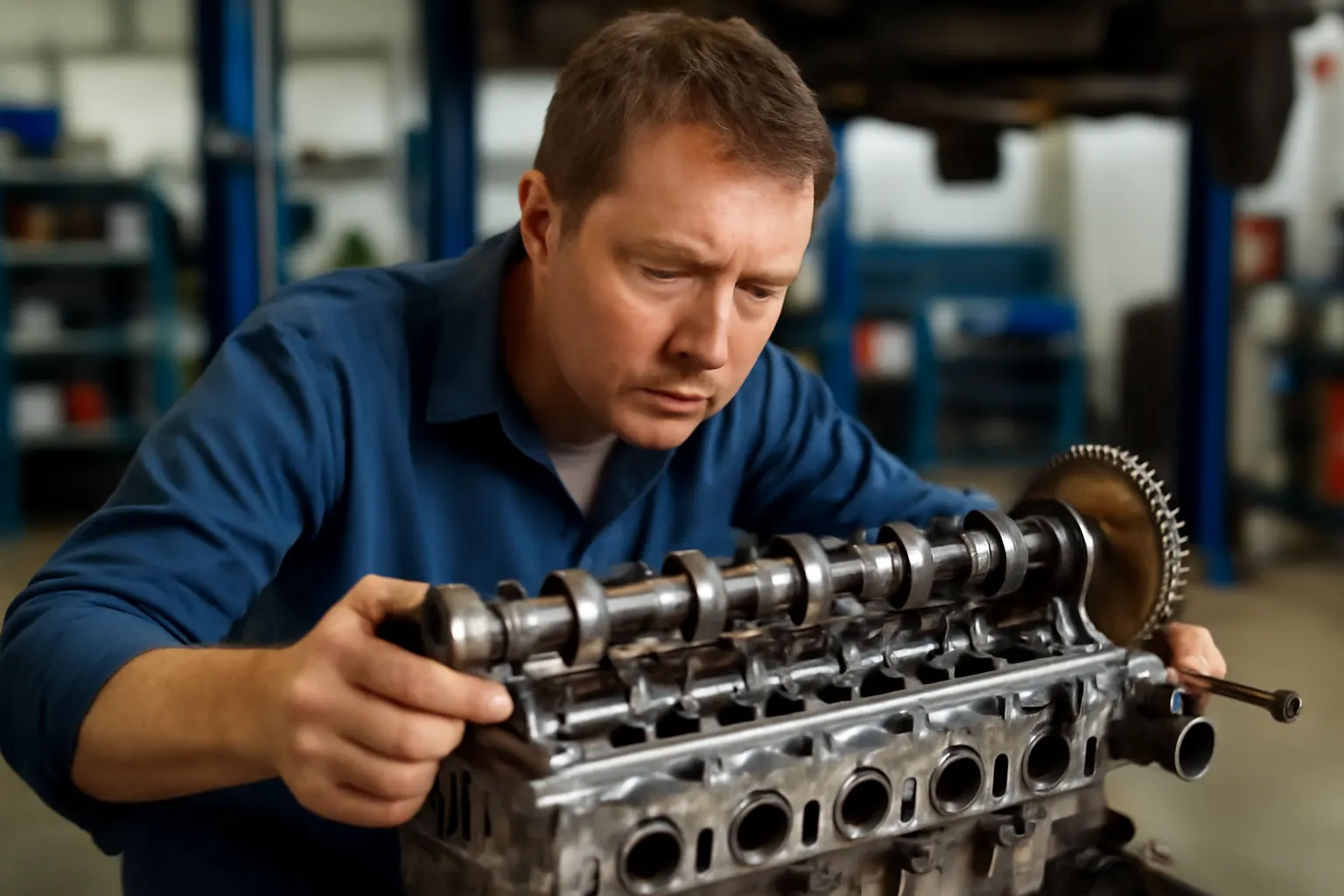
A thorough diagnostic process should include inspection of the camshaft lobes, timing gears, chain tension, and related wear surfaces. Use manufacturer specifications and SAE guidelines for acceptable tolerances.
Hidden Pitfalls: Counterfeits and Compatibility Challenges
The market for classic and performance parts is rife with imitation Norris components. Counterfeit parts may look similar but often use inferior materials, lack proper heat treatment, and fail to meet critical tolerances. These substandard products can cause catastrophic engine failure, void safety compliance, and even trigger NHTSA equipment recalls.
Additionally, not all genuine Norris parts are a direct fit for every application. Over the years, engine designs have changed, and even subtle differences in cam profiles or gear tooth geometry can impact performance and reliability. Always cross-reference part numbers, casting marks, and application data before installation.
For more on avoiding fakes, see Counterfeit Norris Parts: Recent Trends & Detection Tips.
Materials and Manufacturing: Norris’s Approach to Durability
Norris’s reputation for longevity stems from advanced materials science and precise manufacturing protocols. Their camshafts typically use high-nickel iron or billet steel alloys, selected for wear resistance and thermal stability. Timing gears and chains incorporate hardened surfaces and optimized tooth profiles to minimize friction and stretch over time.
Modern Norris parts often benefit from improved materials developed in line with the Department of Energy’s Materials Technologies initiatives. These materials not only boost durability but also help reduce overall engine weight, contributing to better fuel efficiency and responsiveness.
Installation Best Practices: Ensuring a Reliable Fit
Proper installation is key to realizing the benefits of Norris engineering. Follow these steps for camshaft and timing system installation:
Camshaft Installation Checklist
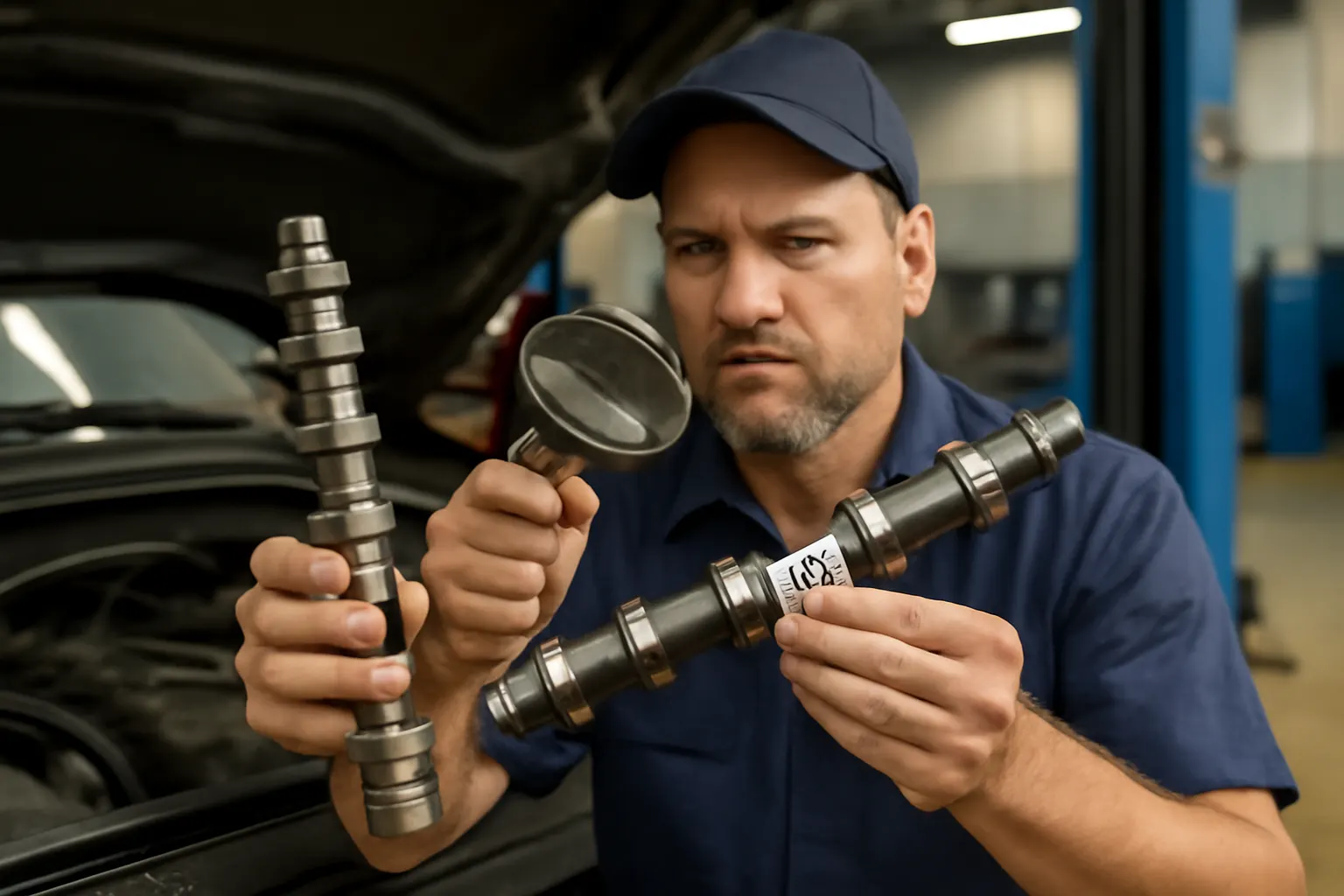
- Verify Part Authenticity: Inspect for correct Norris casting marks, part numbers, and packaging. Reference How to Identify Genuine Norris Timing Components.
- Inspect Mating Surfaces: Clean and check cylinder head, cam bearings, and journals for wear or pitting.
- Lubrication: Use assembly lube on cam lobes, journals, and timing gears to prevent dry start damage.
- Torque Specifications: Follow SAE torque specs for camshaft caps, timing gear bolts, and related fasteners.
- Timing Alignment: Use precision tools to set cam and crank timing marks. Double-check chain or belt tension.
- Initial Run-In: Follow Norris or engine manufacturer guidelines for break-in procedures to ensure proper lifter seating and wear pattern establishment.
Improper installation can lead to premature wear, noise, or catastrophic failure. Always refer to Norris and vehicle manufacturer service manuals.
Maintenance and Service Intervals: Protecting Your Investment
Norris-equipped engines, especially those in classics or high-performance applications, require diligent maintenance to maximize longevity and performance. Key maintenance tasks include:
- Regular Oil Changes: Use high-quality oil and change at intervals appropriate for the engine’s age and operating conditions.
- Timing Chain/Belt Inspection: Check for stretch, wear, or misalignment every 30,000–60,000 miles, or as specified.
- Valve Lash Adjustment: For solid-lifter camshafts, adjust valve lash at recommended intervals to maintain proper timing and lift.
- Component Replacement: Replace timing gears, chains, and tensioners at the first sign of wear or every 80,000–100,000 miles.
For classic engines, consult Service Intervals for Classic Norris-Equipped Engines for detailed schedules.
Sourcing Genuine Norris Parts: Where and How
The safest way to source authentic Norris components is through authorized distributors and reputable parts specialists. The Norris Auto Parts: Authentic OEM and Aftermarket Solutions | AutoPartEx page provides a curated list of genuine parts and fitment guidance. When buying, always:
- Request Documentation: Insist on proof of authenticity, such as invoices, manufacturer certificates, or batch numbers.
- Inspect Packaging: Genuine Norris parts use high-quality packaging with consistent branding, security seals, and detailed installation instructions.
- Check Online Resources: Use Norris and AutoPartEx databases to cross-reference part numbers and application data.
Avoid auction sites and unverified third-party sellers, as these are common sources of counterfeit or misrepresented parts.
The Role of Standards: SAE and NHTSA Compliance
Norris products are engineered and tested to SAE International standards, ensuring they meet rigorous benchmarks for material properties, dimensional tolerances, and performance under load (SAE Standards). This compliance is critical for:
Advertisement
- Safety: Properly engineered timing components prevent catastrophic engine failure and reduce the risk of accidents.
- Emissions and Efficiency: Accurate valve timing is essential for meeting modern emissions and fuel economy requirements (Fuel Efficiency).
- Legal Compliance: NHTSA mandates that replacement parts meet or exceed OEM safety requirements (NHTSA Equipment).
When sourcing Norris parts, always confirm that products carry the necessary certifications and documentation.
Fitment and Compatibility: Matching Norris Parts to Your Engine
One of the most common challenges in using Norris products is ensuring correct fitment. Over the decades, Norris has produced hundreds of camshaft grinds, gear sets, and timing kits, each with unique specifications. To ensure compatibility:
- Use VIN and Engine Codes: Reference your vehicle’s VIN and engine code when searching for Norris parts.
- Consult Application Guides: Cross-reference with Norris and AutoPartEx application catalogs.
- Measure Critical Dimensions: For custom or modified engines, measure cam journal diameter, gear tooth count, and timing chain length.
- Ask for Expert Help: If in doubt, consult with an experienced engine builder or Norris technical support.
Incorrect fitment can lead to poor performance, mechanical interference, or rapid wear.
Fuel Efficiency and Performance: Norris’s Modern Relevance
Norris’s engineering philosophy has always emphasized efficiency as well as power. Modern Norris camshafts and timing systems are designed to work with advanced fuel injection, variable valve timing, and emissions control technologies. This ensures:
- Improved Fuel Economy: Optimized valve timing reduces pumping losses and maximizes combustion efficiency (Fuel Efficiency).
- Reduced Emissions: Precise timing helps engines meet stringent emissions standards without sacrificing power.
- Enhanced Drivability: Smooth idle, responsive throttle, and consistent torque delivery are hallmarks of well-designed Norris timing components.
When upgrading or maintaining your engine, Norris products offer a proven path to balancing classic performance with modern efficiency demands.
Troubleshooting Common Norris Timing System Issues
Even the best components can experience issues over time. Common Norris timing system problems include:
- Chain/Gear Wear: Manifested as increased slack, noise, or skipped timing. Inspect for elongation, worn teeth, or excessive play.
- Cam Lobe Wear: Look for pitting, flattening, or scoring on cam lobes, often caused by insufficient lubrication or improper break-in.
- Misalignment: Incorrect installation can cause the timing marks to be off, resulting in poor running or valve-to-piston contact.
- Oil Leaks: Worn cam seals or gaskets can lead to oil seepage, risking lubrication loss.
Diagnose systematically, starting with visual inspection, then proceed to measurement (dial indicator, plastigage, or micrometer as appropriate), and finally, run the engine and listen for abnormal noises.
If issues persist after replacement or adjustment, re-examine installation procedures, part compatibility, and consider consulting a Norris specialist.
AutoPartEx: Your Partner in Authentic Norris Solutions
Navigating the legacy and modern applications of Norris Engineering requires technical insight and access to reliable parts. AutoPartEx is committed to supporting enthusiasts, restorers, and professionals with:
- Curated Norris Inventory: Only genuine, quality-verified Norris parts are listed.
- Technical Resources: Comprehensive guides, fitment charts, and troubleshooting support.
- Counterfeit Prevention: Up-to-date information on counterfeit trends and detection methods (Counterfeit Norris Parts: Recent Trends & Detection Tips).
- Community Expertise: Access to technical editorial content and expert Q&A.
Start your search at the Norris Auto Parts: Authentic OEM and Aftermarket Solutions | AutoPartEx page for the latest inventory and support.
Expert Action: Steps for Ensuring Norris-Engineered Performance
To maximize the value of Norris engineering in your project:
- Diagnose Carefully: Use systematic inspection and testing to pinpoint timing or camshaft issues.
- Source Authentically: Purchase from trusted sources and verify part numbers, casting marks, and documentation.
- Install Precisely: Follow best practices and manufacturer torque, alignment, and break-in procedures.
- Maintain Diligently: Adhere to service intervals and monitor for signs of wear or misalignment.
- Consult Experts: When in doubt, leverage AutoPartEx resources or contact Norris technical support for guidance.
By following these steps, you safeguard your engine’s performance, reliability, and value—while honoring a century of Norris innovation.
References
Advertisement