Restoring the Mercury Grand Marquis: Parts Sourcing Strategies
Restoring a Mercury Grand Marquis is a rewarding endeavor, but sourcing rare or discontinued parts can be the most daunting aspect. To keep your classic Mercury on the road—and ensure safety, reliability, and authenticity—you need a strategic approach to finding, verifying, and installing the right components. This guide dives deep into practical sourcing strategies, including salvage and remanufacturing options, while addressing hidden pitfalls and offering expert tips for success. For a comprehensive range of OEM and replacement Mercury parts, you can always begin your search at Mercury OEM & Replacement Auto Parts: Heritage, Fitment, and Sourcing | AutoPartEx.
The Immediate Answer: Where to Find Grand Marquis Parts Right Now
The quickest way to source Mercury Grand Marquis parts is to leverage a mix of specialized online retailers, local salvage yards, enthusiast forums, and professional remanufacturers. While some components—like filters, brake pads, and bulbs—are still widely available, others such as trim pieces, electrical modules, and body panels may require more creative sourcing. Here’s where to start:
- Online Parts Marketplaces: These include both OEM and aftermarket suppliers, many of which specialize in discontinued Mercury models.
- Local and Regional Salvage Yards: Ideal for locating unique or hard-to-find parts, especially for body and interior components.
- Enthusiast Forums & Social Media Groups: Community-driven platforms often have classifieds or group buys for rare Grand Marquis parts.
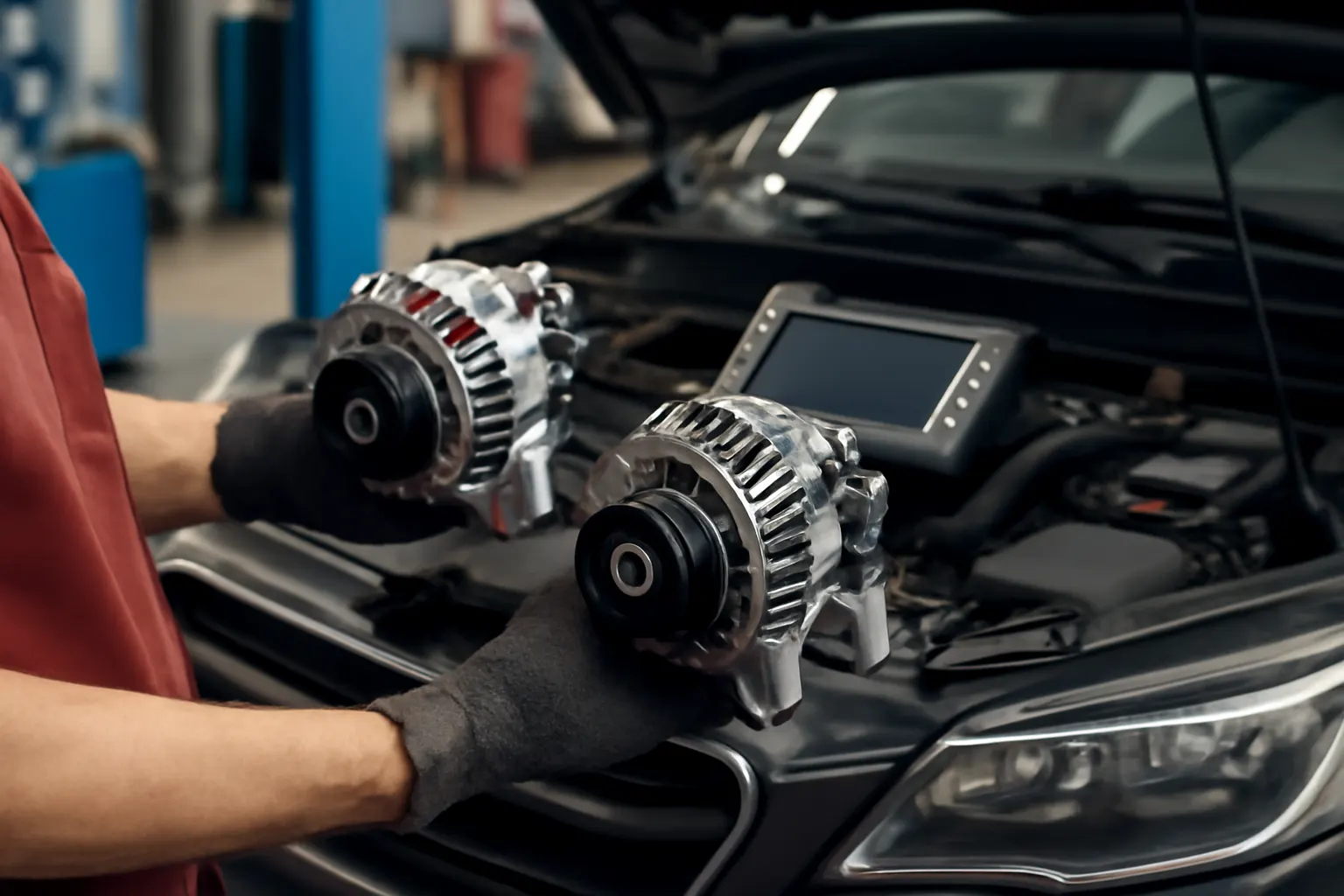
- Professional Remanufacturers: For critical systems (like ABS modules or instrument clusters), remanufacturing can be a viable option.
- AutoPartEx Catalog: Use the Mercury auto parts catalog to search for both OEM and quality-tested replacement parts.
The Hidden Problem: Discontinued Parts and Fitment Uncertainty
While some Mercury Grand Marquis parts are still in circulation, many have been discontinued by the manufacturer. This leads to several hidden challenges:
- Fitment Issues: Not all aftermarket parts are engineered to the original Mercury specifications, risking poor fit, malfunction, or even safety hazards.
- Counterfeit and Substandard Components: As demand rises for rare parts, so does the risk of encountering counterfeit or low-quality products.
- Safety and Compliance: Many replacement parts—especially those related to safety systems—must comply with strict regulatory standards NHTSA Equipment.
- Documentation and Traceability: Without accurate part numbers or VIN decoding, you risk ordering components that are incompatible with your Grand Marquis.
Understanding Why Sourcing Gets Harder Over Time
The Mercury Grand Marquis, produced from 1975 to 2011, shares its Panther platform with the Ford Crown Victoria and Lincoln Town Car. While this interchangeability helps, the unique trim, electronics, and bodywork of the Grand Marquis are increasingly scarce as time passes.
- OEM Production Ceased: When Mercury was discontinued in 2010, OEM parts production slowed or stopped altogether for many Grand Marquis-specific components.
- Aging Inventory: Salvageable cars are becoming older, meaning available used parts are more likely to be worn or damaged.
- Changing Materials Technologies: Advances in materials and manufacturing mean that new replacement parts may not be made to the same specifications as the originals DOE Materials Technologies.
Diagnostic Steps: Assessing What Your Grand Marquis Needs
Before you start sourcing, it’s critical to perform a thorough assessment to identify which parts need replacement, repair, or refurbishment. Here’s a step-by-step diagnostic checklist:
Grand Marquis Restoration Diagnostic Checklist
| System/Area | Inspection Focus | Common Issues Found |
|---|---|---|
| Engine & Drivetrain | Leaks, odd noises, performance | Oil leaks, worn mounts, misfires |
| Suspension & Steering | Play, noises, ride quality | Worn bushings, leaking shocks, loose joints |
| Brakes | Pedal feel, noise, stopping | Faded pads, warped rotors, ABS faults |
| Electrical/Electronics | Lighting, gauges, modules | Dead clusters, faulty sensors, wiring issues |
| Body & Trim | Rust, fitment, missing pieces | Corrosion, cracked trim, missing emblems |
| Interior | Upholstery, switches, HVAC | Torn seats, nonfunctional controls |
| Safety Equipment | Airbags, seatbelts, sensors | Deployed airbags, worn belts, sensor faults |
A systematic approach ensures you only source what’s truly needed—saving time and budget.
Salvage Yards: Maximizing Value and Authenticity
Salvage yards remain a treasure trove for authentic Grand Marquis parts, especially for discontinued or model-specific items. Here’s how to maximize your success:
- Target Specialty Yards: Search for yards specializing in Ford, Lincoln, and Mercury vehicles, as they are more likely to have compatible inventory.
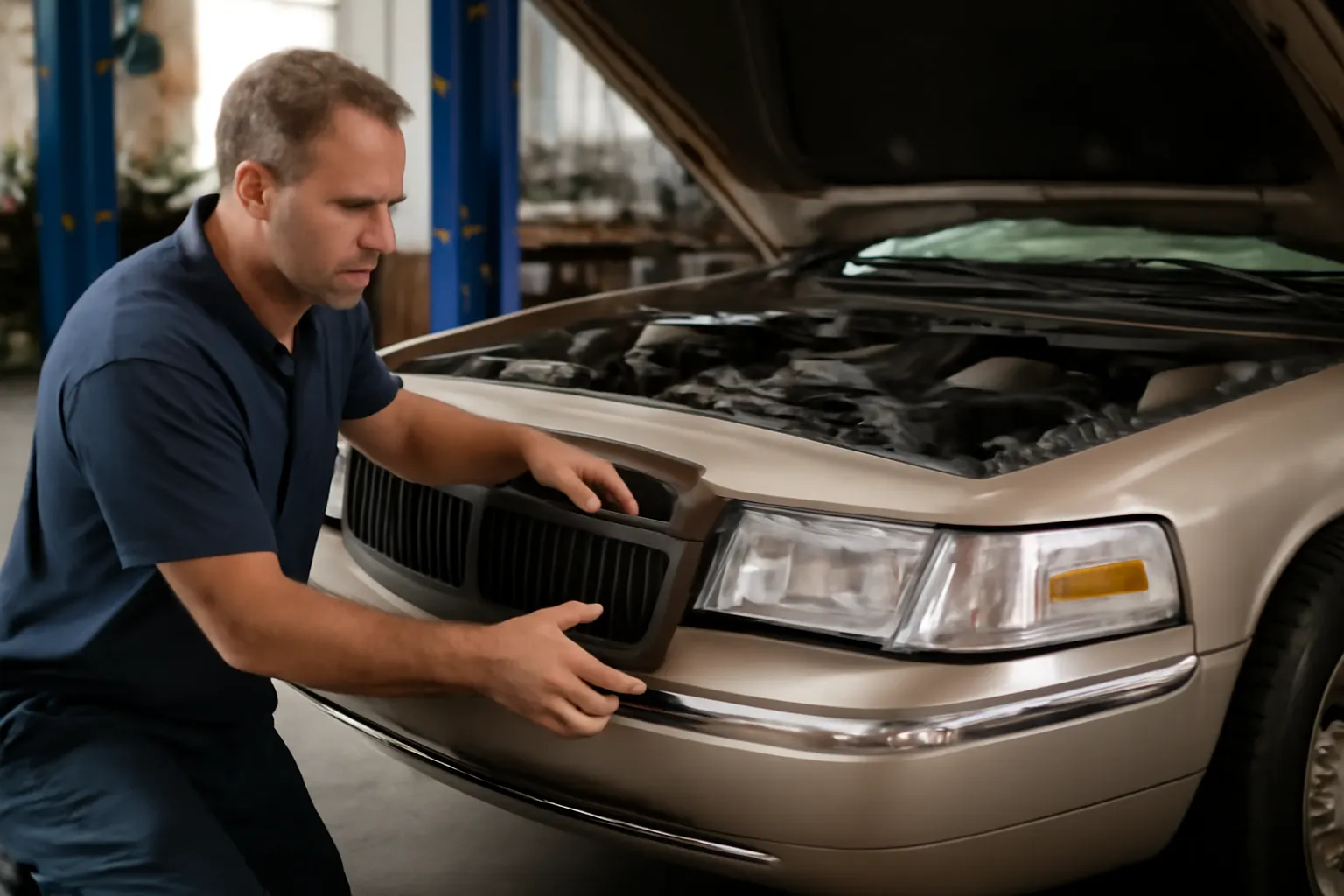
- Inspect Before You Buy: Always assess parts for wear, corrosion, and compatibility. Bring tools for on-site removal and fitment checks.
- VIN and Part Number Matching: Use your Mercury’s VIN to cross-check part numbers for exact fit. How to Decode Mercury VINs for Accurate Parts Sourcing offers guidance.
- Negotiate and Bundle: Salvage yards often offer better prices for bulk purchases or multiple parts from the same vehicle.
Pro Tip: Salvage yards are especially valuable for body panels, trim, glass, and interior parts that may no longer be manufactured.
Online Sourcing: Navigating Marketplaces and Specialist Retailers
Online platforms have revolutionized parts sourcing, but they come with their own set of pitfalls and opportunities:
- Reputable Retailers: Always use established online stores with clear return policies and fitment guarantees.
- Part Number Verification: Double-check all part numbers against your VIN or existing components to ensure compatibility.
- Enthusiast Forums: Communities like Mercury Marauder and Panther platform forums often have classified sections with rare parts.
- Watch for Counterfeits: Learn to spot counterfeit Mercury parts by referencing guides like Spotting Counterfeit Mercury Parts: A Visual Guide.
Checklist for Online Parts Buying:
- Confirm seller reputation and feedback.
- Request detailed photos of the actual part.
- Ask for part numbers and compare to OEM references.
- Review return and warranty policies.
- Use secure payment methods.
Remanufacturing and Rebuilding: Extending the Life of Irreplaceable Parts
For critical systems—ABS modules, instrument clusters, or electronic control units—remanufacturing is often the only viable option when new parts are unavailable. Here’s how to approach it:
- Select Certified Remanufacturers: Choose facilities that adhere to SAE standards and provide documentation of work performed.
- Understand the Process: Remanufacturing typically involves disassembly, cleaning, replacement of wear components, and functional testing.
- Warranty and Support: Ensure remanufactured parts come with a warranty and technical support.
- Core Returns: Many remanufacturers require your old part as a “core” for rebuilding—factor this into your logistics.
Key Benefits: Remanufactured parts can offer like-new reliability and performance, often at a fraction of the cost of NOS (new old stock) components.
Aftermarket vs. OEM: Making the Right Choice
With OEM Mercury parts becoming scarce, aftermarket options are increasingly common. But not all aftermarket parts are created equal:
- Fit and Finish: High-quality aftermarket parts may match or exceed OEM standards, but low-quality options can cause fitment and safety issues.
- Safety and Compliance: Only use parts that meet or exceed federal safety standards NHTSA Equipment.
- Warranty and Support: OEM parts often carry longer warranties and better support, but reputable aftermarket brands are closing the gap.
For a detailed comparison, see OEM vs. Aftermarket Mercury Parts: What You Need to Know.
VIN Decoding and Part Number Cross-Referencing
Accurate VIN decoding is essential for sourcing the correct parts, especially given the numerous running changes and trim variations across Grand Marquis model years.
- VIN Location: The Grand Marquis VIN is typically found at the base of the windshield and on the driver’s side door jamb.
- Decoding: Use online tools or manufacturer guides to decode model year, engine type, and trim level.
- Part Number Cross-Referencing: Once you have the correct part number, cross-reference with both OEM and aftermarket catalogs for availability.
For step-by-step decoding, refer to How to Decode Mercury VINs for Accurate Parts Sourcing.
Installation Tips and Technical Considerations
Once you’ve sourced your parts, proper installation is critical for safety and performance. Here are some best practices:
- Use the Right Tools: Invest in quality tools, including torque wrenches and specialty pullers, to avoid damaging new parts.
- Follow Service Manuals: Always consult the official Mercury service manual for correct procedures and torque specs.
- Test After Installation: For safety-critical systems (brakes, steering, suspension), perform a thorough test drive and inspection.
- Electrical Components: Disconnect the battery before replacing any electronic modules to prevent shorts or damage.
Pro Tip: When installing remanufactured or used parts, inspect for wear and test all electrical connections before final assembly.
Maintaining and Protecting Your Restored Grand Marquis
Restoration doesn’t end with installation. Ongoing maintenance is vital to preserve both value and reliability:
- Regular Fluid Changes: Use manufacturer-recommended fluids for engine, transmission, and brakes.
- Inspect for Rust: Pay special attention to underbody and wheel wells—common rust areas on Panther platform vehicles.
- Protect Trim and Upholstery: Use UV protectants and cleaners designed for classic car interiors.
- Monitor for Recalls: Check the NHTSA Vehicle, Car Seat, Tire, and Equipment Recalls database for any open recalls affecting your Grand Marquis.
Avoiding Counterfeit Parts: Visual and Technical Checks
The risk of counterfeit and substandard parts is rising, especially for discontinued models. To protect your investment:
- Visual Inspection: Look for mismatched logos, poor casting, or incorrect packaging.
- Technical Verification: Compare weights, materials, and dimensions to known OEM parts.
- Purchase from Trusted Sources: Use established retailers and always request documentation or proof of authenticity.
For more on this topic, see Spotting Counterfeit Mercury Parts: A Visual Guide.
Sourcing for Performance and Efficiency Upgrades
While authenticity is the goal for many restorers, others seek to enhance the performance or fuel efficiency of their Grand Marquis:
- Performance Upgrades: Suspension kits, upgraded brakes, and modern ignition systems can improve handling and reliability.
- Fuel Efficiency: Newer fuel injectors, oxygen sensors, and lightweight materials can help boost MPG DOE Fuel Efficiency.
- Aftermarket Support: Some aftermarket suppliers offer parts designed specifically to improve on original Mercury specifications.
Always balance upgrades with the need to maintain safety and compliance.
AutoPartEx Positioning: Your Mercury Restoration Partner
At AutoPartEx, we understand the unique challenges of restoring discontinued and classic Mercury models. Our curated catalog, technical guides, and VIN decoding resources empower enthusiasts and professionals alike to source, verify, and install the right parts with confidence. From OEM to quality aftermarket and remanufactured options, our commitment is to keep your Grand Marquis—and Mercury heritage—alive and thriving.
Begin your restoration journey with the Mercury OEM & Replacement Auto Parts catalog and tap into our technical expertise for every step, from sourcing to installation.
Expert Action: Steps to a Successful Grand Marquis Restoration
- Diagnose and Document: Thoroughly inspect your vehicle and create a prioritized parts list.
- VIN Decode and Cross-Reference: Use your VIN to ensure precise fitment and minimize sourcing errors.
- Source Strategically: Combine salvage, online, and remanufacturing options for best results.
- Verify Authenticity: Use internal guides and visual checks to avoid counterfeit or substandard parts.
- Install with Care: Follow technical manuals and best practices for every component.
- Maintain and Monitor: Protect your investment with regular inspections and by staying informed on recalls and upgrades.
- Leverage Community and Expertise: Join Mercury forums, consult AutoPartEx, and use available technical guides.
By following these steps, you’ll ensure your Mercury Grand Marquis restoration is both authentic and reliable—ready for many more miles of classic motoring.