Maserati Maintenance Intervals and Cost Planning
Owning a Maserati is a statement of passion and prestige—yet it comes with a unique set of maintenance expectations. For current and prospective owners, understanding Maserati maintenance intervals, typical service costs, and smart sourcing strategies is essential for preserving both performance and value. This guide delivers a practical, model-agnostic framework for planning your Maserati’s service schedule, estimating costs, and making informed decisions about parts and service providers. If you’re seeking a deeper dive into model-specific fitment, see our Maserati OEM & Aftermarket Auto Parts: Heritage, Fitment, and Technical Guide for authoritative parts compatibility resources.
Immediate Answer: Maserati Maintenance—Intervals, Costs, and Sourcing at a Glance
Typical Maserati maintenance intervals follow a 12,000-mile (or 12-month) cycle for routine service, with major maintenance at 24,000- and 48,000-mile marks. Annual maintenance costs range from $1,000 to $2,000 for routine service, with major services (timing belts, brakes, fluids, and spark plugs) potentially exceeding $4,000, depending on model and region. OEM vs. aftermarket parts sourcing can shift costs significantly, but careful planning and reputable suppliers keep your Maserati both authentic and roadworthy.
The Hidden Problem: Why Maserati Maintenance Catches Owners Off Guard
Many Maserati owners are surprised by the frequency, complexity, and cost of scheduled maintenance. Unlike mass-market brands, Maserati’s high-performance engines, advanced materials, and luxury features demand specialized care. This complexity means that a missed interval or overlooked component can quickly escalate into expensive repairs or performance issues. Compounding the challenge, parts sourcing for Italian luxury vehicles requires vigilance to avoid counterfeit or ill-fitting components, which can undermine safety and reliability.
Understanding Maserati Maintenance Intervals: The Core Schedule
Maserati’s recommended maintenance schedule is driven by both mileage and time, whichever comes first. The following table summarizes typical intervals for modern Maserati vehicles (GranTurismo, Quattroporte, Ghibli, Levante, and MC20). Always consult your owner’s manual for model-specific guidance.
| Interval | Service Items |
|---|---|
| Every 12,000 mi / 12 mo | Oil/filter, brake inspection, tire rotation, fluid top-off, safety diagnostics |
| Every 24,000 mi / 24 mo | Air/cabin filters, spark plugs (some models), brake fluid, detailed chassis check |
| Every 36,000 mi / 36 mo | Transmission fluid (model-dependent), cooling system check, suspension inspection |
| Every 48,000 mi / 48 mo | Major service: timing belt/chain check, full diagnostic, all fluids, drive belts, brake pads/discs |
Key Point: Maserati’s service schedule is more frequent than many mainstream brands, reflecting the performance focus and engineering complexity.
The True Cost of Maserati Maintenance: What Owners Should Expect
Routine Service Costs
- Annual Service (oil, filters, inspection): $900–$1,500
- Brake Pads/Rotors (all wheels): $1,200–$2,500
- Spark Plugs Replacement: $600–$1,200
- Fluid Flushes (brake, coolant, transmission): $350–$800 per system
Major Service Costs
- Timing Belt/Chain Replacement: $2,000–$4,000 (model-dependent)
- Suspension/Steering Components: $1,200–$3,000
- Full 48,000-Mile Service: $3,500–$5,500
Additional Costs
- Tire Replacement (performance tires): $1,200–$2,400 per set
- Battery (AGM or Li-Ion): $400–$900
Note: These are ballpark figures for U.S. markets as of 2026. Costs vary by model, dealer vs. independent shop, and parts sourcing.
Why Maserati Maintenance Is Different: Technical and Material Factors
Maserati vehicles utilize high-performance engines, lightweight materials, and advanced electronics. These factors drive both the frequency and complexity of service:
- Engine Technology: Twin-turbo V6 and V8 engines require precise oil and spark plug changes to maintain efficiency and avoid detonation or premature wear. See Fuel Efficiency, U.S. DOE for more on the impact of maintenance on performance and emissions.
- Braking Systems: Large, multi-piston calipers and carbon-ceramic options require specialized pads and rotors, and regular fluid flushes to prevent fade.
- Chassis and Suspension: Aluminum-intensive construction and adaptive suspension components are sensitive to wear and corrosion, demanding periodic inspection and precise torque specs.
- Electronics and Diagnostics: Advanced safety systems and infotainment require up-to-date diagnostics, often only available from Maserati-specific scan tools.
Diagnosing Common Maserati Maintenance Pitfalls
Warning Signs of Deferred Maintenance
- Irregular Engine Idle or Misfire: Often due to overdue spark plugs or coil packs.
- Brake Pulsation or Squeal: Indicates pad or rotor wear, or old brake fluid.
- Transmission Hesitation: Can result from neglected fluid changes or software updates.
- Check Engine or Warning Lights: May signal overdue service or component wear.
Checklist: Annual Maserati Maintenance Inspection
- Oil and Filter Replacement – Confirm correct spec and interval.
- Brake System Check – Inspect pad thickness, rotor condition, and fluid color.
- Tire Inspection/Rotation – Check tread depth, sidewall condition, and pressure.
- Battery Health – Test voltage and inspect for corrosion.
- Air/Cabin Filter Replacement – Replace as needed for air quality and HVAC efficiency.
- Coolant and Fluid Levels – Top off or flush as recommended.
- Suspension/Steering Components – Check for play, leaks, or bushing wear.
- Diagnostic Scan – Use Maserati-compatible tool for fault codes and software updates.
- Lighting and Safety Systems – Confirm all bulbs, sensors, and ADAS features function.
- Chassis Inspection – Look for corrosion, loose fasteners, or material fatigue.
Sourcing Maserati Parts: OEM vs. Aftermarket Strategies
OEM (Original Equipment Manufacturer) Parts
- Pros: Guaranteed fit, meets Maserati’s engineering standards, preserves resale value.
- Cons: Higher cost, sometimes longer lead times, risk of counterfeit if not sourced from authorized dealers.
Aftermarket Parts
- Pros: Lower cost, broader availability, performance upgrades possible.
- Cons: Variable quality, risk of improper fitment, may impact warranty or long-term value.
Expert Tip: Always verify part numbers and fitment using the vehicle’s VIN. For authoritative fitment guidance, consult our Maserati Parts Fitment Guide: Ensuring OEM Precision.
Avoiding Counterfeit and Substandard Parts
- Source from reputable suppliers with clear return policies.
- Cross-check packaging, labeling, and serial numbers.
- Use NHTSA’s Vehicle Safety and Equipment resource to verify recalls and compliance.
Budgeting for Maserati Maintenance: A Proactive Approach
Annual and Long-Term Planning
- Set Aside a Maintenance Fund: Allocate $2,000–$3,000 per year for routine and unexpected repairs.
- Track Service History: Maintain a digital or paper log of all services, parts, and repairs.
- Schedule Preventative Maintenance: Don’t wait for failures—replace wear items proactively.
Regional Cost Adjustments
- Dealer vs. Independent Shop: Dealer service is pricier but ensures Maserati-trained technicians and genuine parts. High-quality independents can offer savings, especially for out-of-warranty vehicles.
- Urban vs. Rural: Costs may be higher in urban areas due to labor rates and Maserati dealer density.
Example: Annual Maserati Maintenance Budget
| Item | Estimated Cost (USD) |
|---|---|
| Oil/Filter Service | $450 |
| Brake Inspection/Fluid | $300 |
| Tire Rotation/Balance | $150 |
| Spark Plugs (every 2 years) | $600 |
| Misc. (bulbs, wipers, etc.) | $200 |
| Total (Annual Average) | $1,700 |
Major Service Years (24k/48k mi): Add $2,000–$3,500 for timing belt/chain, full fluid flushes, and additional wear items.
Technical Deep Dive: Materials, Performance, and Service Implications
Maserati’s use of advanced materials—aluminum alloys, carbon fiber, and high-strength steel—reduces weight and boosts performance, but also demands specialized service techniques. For instance, improper torque on aluminum suspension components can lead to premature wear or failure. Refer to Materials Technologies, U.S. DOE for insights into how these material choices impact longevity and serviceability.
Performance engines generate higher temperatures and stresses, making oil quality and cooling systems critical. Neglecting fluid changes can result in sludge, overheating, or catastrophic failure. Adhering to SAE and Maserati engineering standards is non-negotiable for both safety and performance (SAE Standards).
Sourcing Strategy: How to Find the Right Maserati Parts
Step-by-Step Sourcing Checklist
- Identify the Exact Part – Use your VIN and consult official Maserati diagrams.
- Cross-Reference Part Numbers – Confirm OEM numbers and check for authorized aftermarket equivalents.
- Select a Reputable Supplier – Favor established Maserati parts specialists or authorized dealers.
- Verify Fitment – Use fitment guides and, if possible, consult with a technician.
- Check for Recalls or Safety Bulletins – Reference NHTSA Recalls before installation.
- Inspect Upon Arrival – Check for manufacturer’s markings, quality of materials, and packaging integrity.
- Retain Purchase Documentation – For warranty or resale purposes.
Online vs. Local Sourcing
- Online: Broader selection, competitive pricing, but requires diligence to avoid counterfeit parts.
- Local: Immediate availability and easier returns, but potentially higher prices and limited stock.
For a real-world look at sourcing and compatibility, see our editorial: Real-World Maserati Service: Compatibility & Sourcing.
Diagnostic Tools and Shop Selection: Making Smart Choices
Diagnostic Equipment
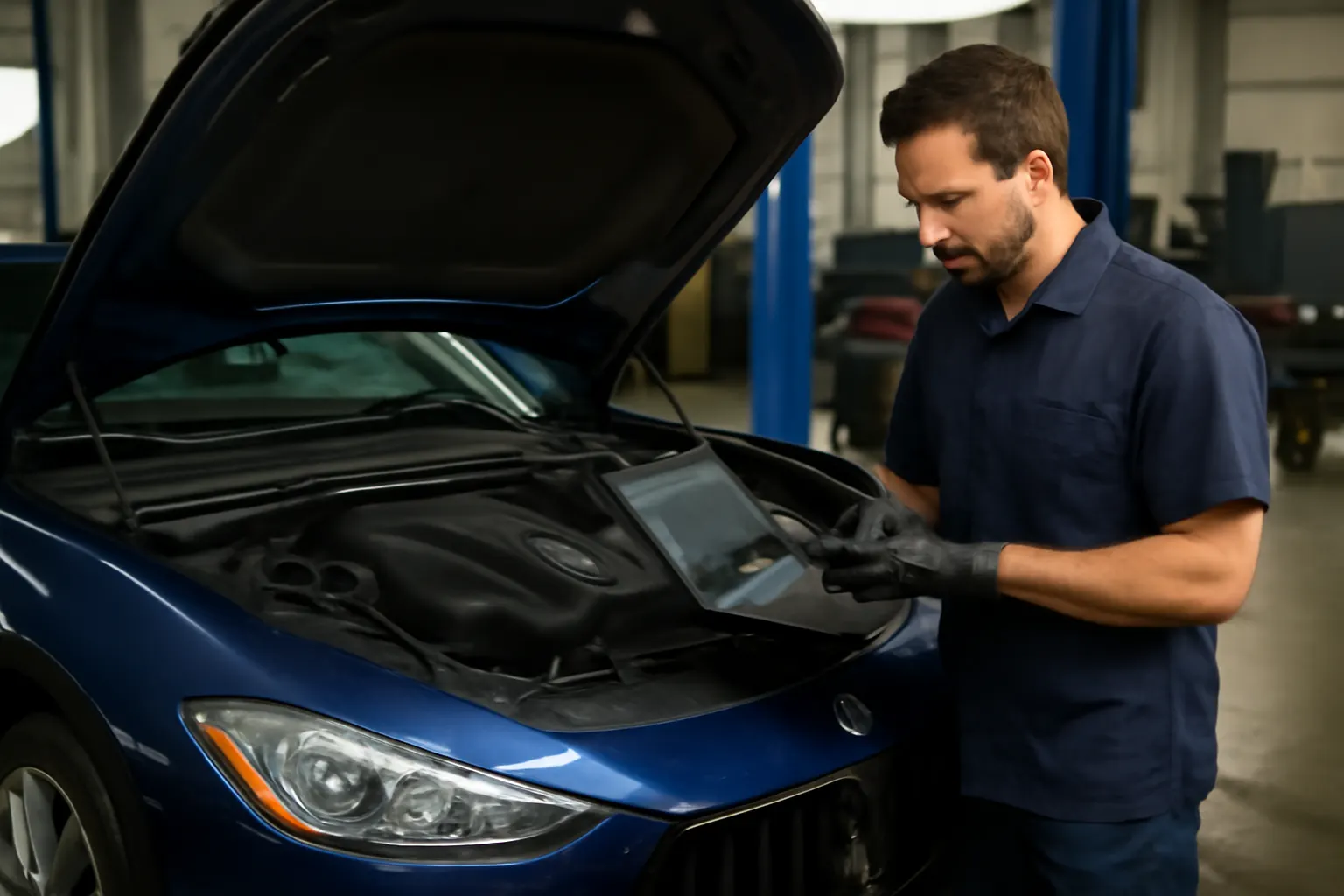
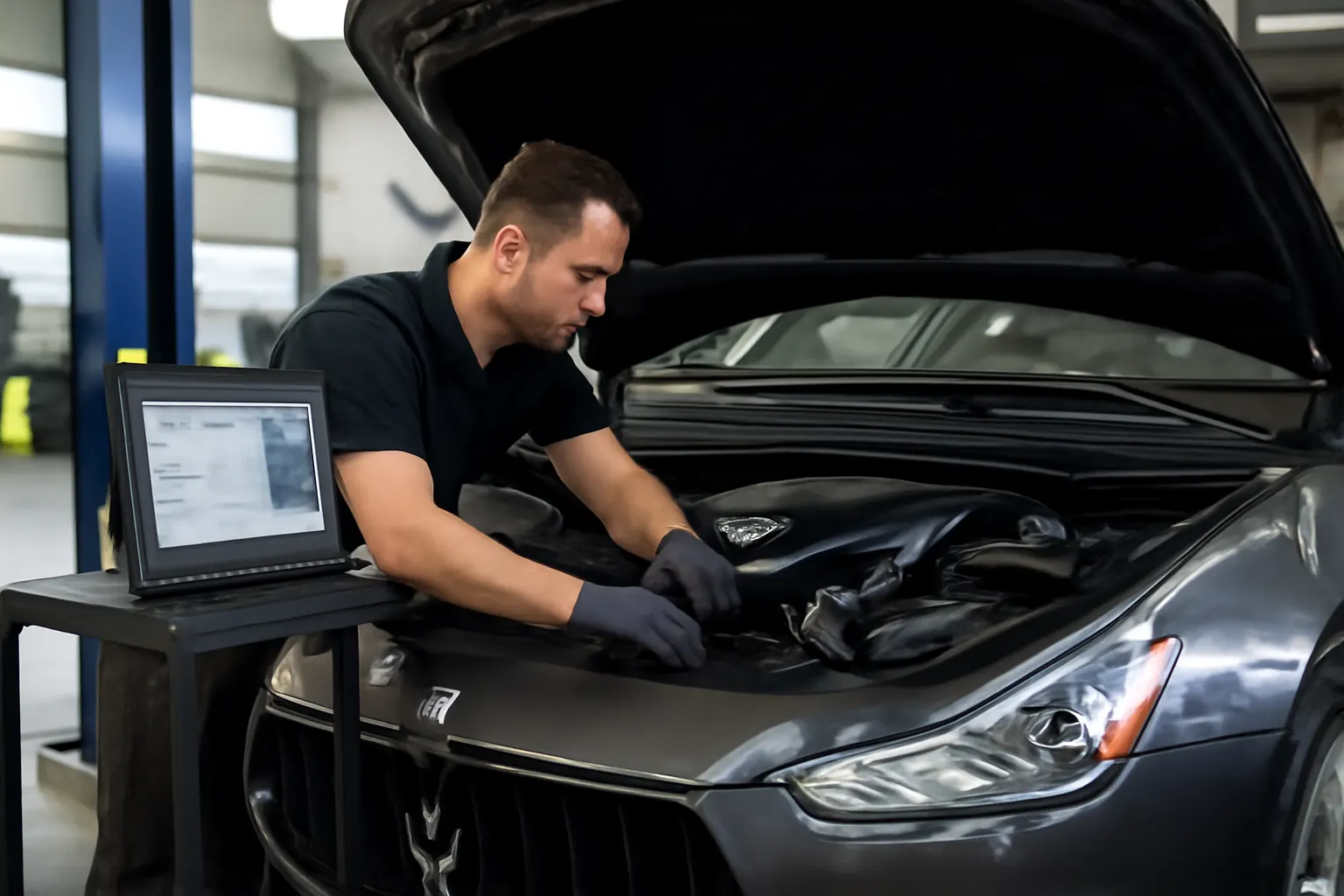
Modern Maseratis require advanced diagnostic tools to access ECU codes, reset service lights, and update software. Generic OBD-II scanners may not suffice; ensure your shop utilizes Maserati-compatible systems.
Choosing a Service Provider
- Dealer Service Centers: Best for warranty work, recalls, and the latest technical updates.
- Independent Maserati Specialists: Often employ former dealer technicians, use OEM parts, and can provide significant savings.
- General European Repair Shops: May handle basic maintenance but could lack Maserati-specific expertise or tooling.
Checklist: Vetting a Maserati Service Provider
- Maserati-trained technicians on staff
- Access to Maserati diagnostic equipment
- Transparent parts sourcing (OEM or high-quality aftermarket)
- Strong reviews and Maserati owner references
Maintenance for Maserati Hybrids and New Technologies
As Maserati expands its lineup with hybrid and electric models, maintenance requirements are evolving. High-voltage battery systems, regenerative braking, and complex cooling loops require specialized knowledge and safety protocols. Owners should:
- Ensure technicians are certified for hybrid/electric systems.
- Schedule battery health checks with every annual service.
- Monitor for software updates impacting drivability or charging.
Maximizing Maserati Longevity: Preventative Mindset
Consistent, proactive maintenance is the key to enjoying your Maserati for decades. This includes:
- Adhering to Service Intervals: Skipping or delaying service accelerates wear and devalues the vehicle.
- Using Correct Fluids and Parts: Always match Maserati’s specifications for lubricants, coolants, and components.
- Documenting All Work: Complete records enhance resale value and simplify future diagnostics.
For collectors and enthusiasts, authenticity matters. For a thorough authenticity checklist, see Italian Luxury Car Parts: Authenticity Checklist.
The AutoPartEx Advantage: Your Maserati Maintenance Partner
At AutoPartEx, we understand the intricacies of Maserati ownership—from sourcing genuine and high-quality aftermarket parts to providing technical fitment guidance. Our catalog and editorial resources are tailored for enthusiasts and professionals seeking clarity, reliability, and performance. Explore our Maserati OEM & Aftermarket Auto Parts: Heritage, Fitment, and Technical Guide for in-depth fitment data, or consult with our experts for sourcing and installation support.
Expert Action: Take Control of Maserati Maintenance
- Review your Maserati’s service schedule and set reminders for every 12,000 miles or 12 months.
- Build a relationship with a qualified Maserati specialist—dealer or independent.
- Source only verified, fitment-guaranteed parts using VIN-based lookup tools.
- Document every service and repair for future reference and resale value.
- Budget proactively for both routine and major services to avoid financial surprises.
By following these steps, you’ll preserve the performance, safety, and value that define the Maserati experience—mile after exhilarating mile.