Advertisement
Restoring a classic Lada is a uniquely rewarding pursuit, but the process hinges on finding the right parts—many of which are rare, discontinued, or only available through specialized channels. Whether you’re reviving a Lada 2101, Niva, or another Soviet-era model, this guide delivers actionable strategies for sourcing authentic and high-quality components, ensuring your restoration meets both safety and performance standards. If you’re ready to bring your Lada back to life, read on for expert tips, a sourcing checklist, and practical guidance, all grounded in the best industry resources.
For a comprehensive view of available Lada parts, visit Lada OEM & Aftermarket Auto Parts: Authenticity, Fitment, and Technical Guidance | AutoPartEx. This resource anchors your restoration journey with up-to-date fitment, compatibility, and technical support.
Why Sourcing Lada Parts Is Different
Unlike mainstream brands, classic Ladas present unique sourcing challenges. The combination of limited global distribution, frequent technical updates across model years, and the prevalence of counterfeit or substandard parts means that a restoration project requires more than just patience—it demands informed strategy and technical diligence.
Many Lada models, especially those from the 1970s and 1980s, were built to robust, utilitarian standards but saw limited parts exports outside Russia and Eastern Europe. As a result, the global inventory of genuine components is finite. Moreover, Lada’s modular engineering approach—while simplifying some mechanical repairs—means that subtle part variations can affect fitment, safety, and vehicle authenticity.
The Hidden Risks: Counterfeits, Fitment Errors, and Safety
One of the most underestimated threats to a successful Lada restoration is the prevalence of counterfeit or low-quality aftermarket parts, especially for high-demand items like suspension bushings, brake components, and electrical hardware. These parts may look authentic but can compromise safety, longevity, and even fuel efficiency—contravening standards outlined by the National Highway Traffic Safety Administration (NHTSA).
Another risk is fitment error. Lada models often share outwardly similar parts that differ in small but critical ways—such as thread pitch, mounting points, or material composition. Even seasoned mechanics can struggle with these differences without access to precise technical data or compatibility guides.
Understanding Lada Parts Categories: OEM, Aftermarket, and NOS
When sourcing parts, it’s crucial to distinguish between Original Equipment Manufacturer (OEM), aftermarket, and New Old Stock (NOS):
- OEM Parts: Produced by Lada or its contracted suppliers, these ensure the closest match to original specifications, particularly for safety-critical systems.
- Aftermarket Parts: Manufactured by third parties, these range from budget alternatives to high-performance upgrades. Quality varies widely, so vetting is essential.
- New Old Stock (NOS): Genuine parts produced during the vehicle’s original production run but never used. These are often prized for authenticity but may require inspection for age-related degradation.
Understanding these categories not only helps you maintain originality but also ensures compliance with safety and equipment standards (NHTSA Equipment).
Core Sourcing Strategies for Classic Lada Parts
A successful restoration hinges on a multifaceted sourcing approach. Here are the primary channels:
- Specialist Lada Parts Distributors: Niche suppliers in Europe and select regions offer curated inventories of both OEM and quality aftermarket parts. Many operate online and provide technical consultation.
- Enthusiast Forums and Clubs: Online communities such as Lada forums and social media groups are invaluable for leads on rare parts, cross-references, and trusted vendors.
- International Marketplaces: Platforms like eBay, Allegro, and Avito list NOS and used parts, but require careful vetting for authenticity and condition.
- AutoPartEx and Category Guides: Internal resources like the Lada Parts Categories page provide structured inventories, compatibility data, and verified supplier links.
- Local Salvage Yards: In areas with historical Lada presence, breakers and junkyards can yield restorable components—especially for body panels, trim, and interior parts.
Advertisement
Diagnosing What You Need: Inspection and Documentation
Before buying any parts, conduct a methodical assessment of your Lada’s current condition. This step minimizes wasted effort and ensures you order the correct components:
- Visual Inspection: Identify corrosion, wear, and missing items. Pay special attention to structural elements (sills, floor pans), suspension mounts, and braking systems.
- Component Testing: For electrics, use a multimeter to check wiring continuity and switch function. For engine and drivetrain, assess compression, leaks, and abnormal noises.
- Reference Documentation: Cross-check your model’s VIN, build year, and variant. Many Lada parts differ by market or year, so refer to technical manuals and parts catalogues.
- Photographic Records: Document existing parts and assemblies. Photos help when comparing potential replacements and during reassembly.
Sourcing Checklist: A Step-by-Step Guide
Use this checklist to streamline your classic Lada parts hunt:
| Step | Action | Key Details |
|---|---|---|
| 1 | Identify exact model, year, and variant | Use VIN and factory documentation |
| 2 | List required parts by system (engine, brakes, body, etc.) | Prioritize safety-critical items |
| 3 | Research OEM part numbers | Cross-reference with online databases and catalogues |
| 4 | Check Lada Parts Categories and specialist suppliers | Validate availability and authenticity |
| 5 | Inspect NOS/used parts for age, wear, and compatibility | Request detailed photos and measurements |
| 6 | Confirm return policy and supplier reputation | Read reviews and forum feedback |
| 7 | Document all purchases and keep receipts | Essential for warranty and tracking |
Evaluating Part Authenticity and Quality
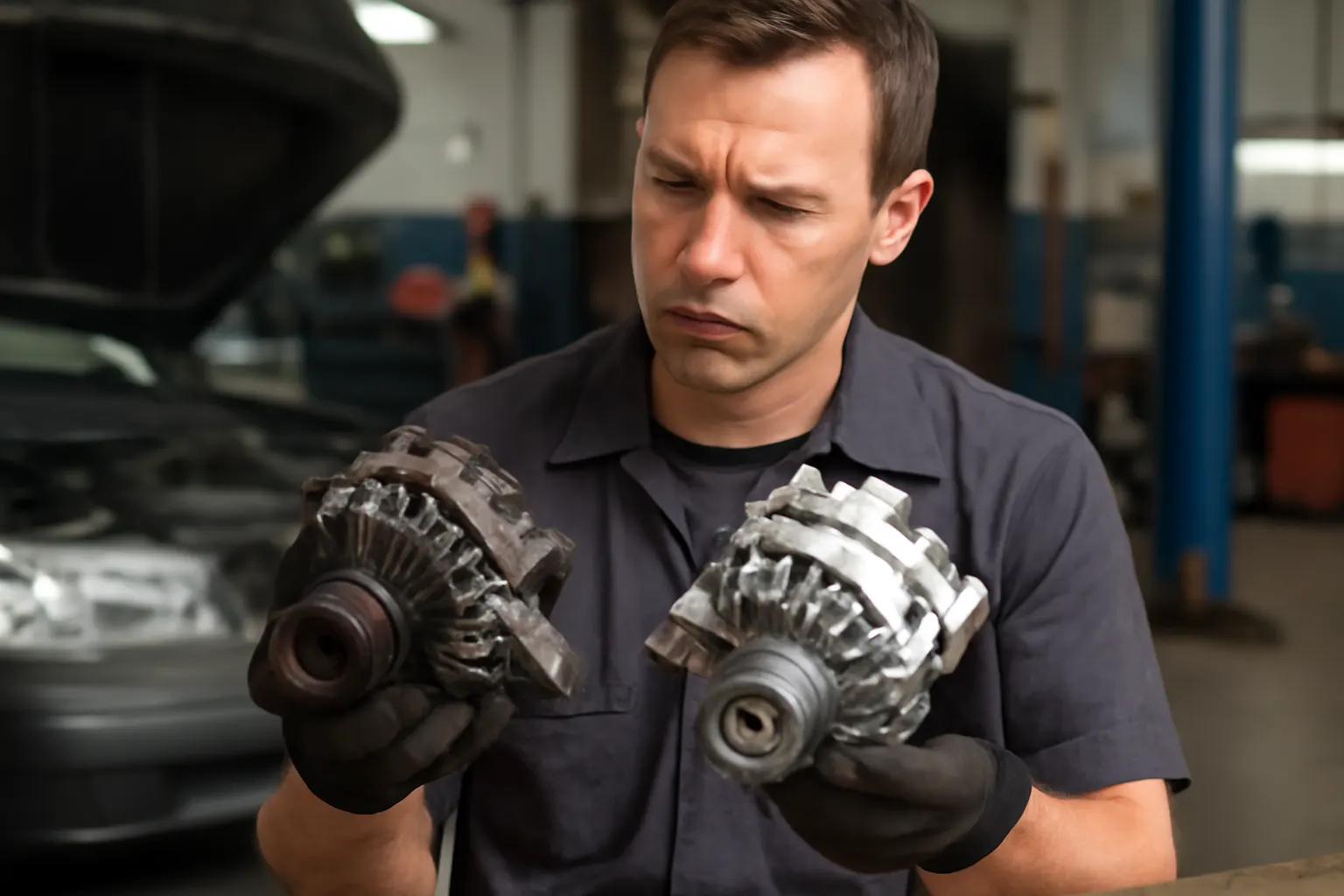
Counterfeit and substandard parts are a real threat to restoration integrity. Use these techniques to verify what you’re buying:
- Supplier Reputation: Prefer established vendors with documented expertise in Lada parts.
- Packaging and Markings: OEM parts should include manufacturer stamps, holograms, or part numbers. Aftermarket items should declare their origin and meet recognized standards (e.g., SAE, ECE).
- Material Quality: For critical systems (brakes, suspension), inspect for proper material composition—referencing Materials Technologies for baseline standards.
- Community Reviews: Search forums and social groups for real-world feedback on part longevity and fitment.
For a deeper dive into counterfeit detection, see Spotting Counterfeit Lada Parts.
Fitment and Compatibility: Avoiding Restoration Pitfalls
Ensuring correct fitment is non-negotiable. Lada’s design evolution means that even small discrepancies—such as a revised mounting bracket or wiring connector—can derail your project.
- Cross-Reference Part Numbers: Always compare OEM numbers from your vehicle’s documentation with supplier listings.
- Consult Compatibility Guides: Use resources like the Lada Parts Compatibility Guide to confirm interchangeability.
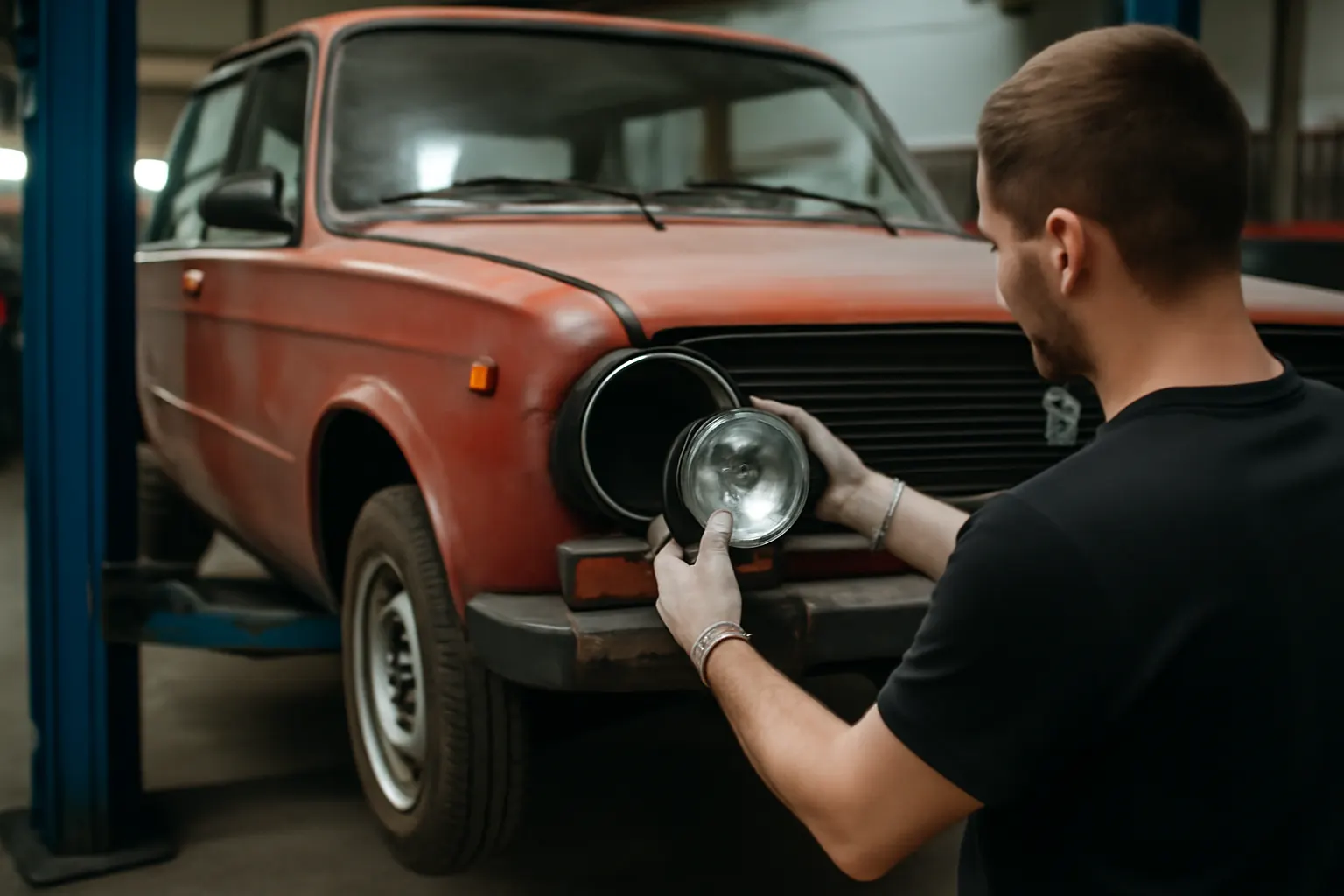
- Test-Fit Before Final Assembly: Whenever possible, loosely install parts to verify alignment and interface before full tightening or painting.
Attention to compatibility not only preserves authenticity but also aligns with safety and performance benchmarks outlined by NHTSA Equipment.
Installation Tips: Getting the Most from Sourced Parts
Proper installation is as important as sourcing the right part. Classic Lada restorations often involve:
- Pre-Installation Cleaning: Remove protective coatings, old grease, and any corrosion from mating surfaces.
- Hardware Replacement: Use new fasteners, bushings, and gaskets where possible—age and fatigue can compromise reused hardware.
- Torque Specifications: Refer to factory manuals or trusted online resources for correct torque values, especially for suspension, steering, and engine components.
- Functional Testing: After installation, test all systems (brakes, lights, electrics) before road use.
Advertisement
Document your installation steps for future reference and to assist in troubleshooting.
Maintenance Considerations for Restored Ladas
Once your classic Lada is back on the road, proactive maintenance is crucial for reliability and longevity:
- Service Intervals: Follow or exceed the recommended schedules found in resources like Essential Service Intervals for Lada Vehicles.
- Fluid Checks: Regularly inspect engine oil, transmission fluid, and coolant for level and contamination.
- Rust Prevention: Lada bodies are prone to corrosion—apply rustproofing treatments to sills, arches, and underbody.
- Electrical System TLC: Clean and protect connectors, and monitor for voltage drops or intermittent faults.
Fuel Efficiency and Materials Upgrades: Modernizing with Care
Restorers often seek to subtly improve efficiency or performance without sacrificing classic character. Consider these approaches:
- Engine Tuning: A well-maintained carburetor or fuel injection system can restore factory fuel economy, as per Fuel Efficiency guidelines.
- Materials Upgrades: Where appropriate, use modern materials (polyurethane bushings, stainless hardware) for improved durability—see Materials Technologies.
- Weight Management: Avoid unnecessary add-ons that increase mass and reduce efficiency.
Always balance upgrades with originality and ensure any modifications remain reversible for future purists.
Safety and Regulatory Compliance
Restored vehicles must meet minimum safety standards, especially if used on public roads:
- Brake System Integrity: Inspect lines, cylinders, and pads for wear; replace with certified components.
- Lighting and Signaling: Upgrade to modern bulbs or LEDs only if housings and wiring can safely accommodate them.
- Seat Belts and Restraints: Replace old belts with new, regulation-compliant units—refer to NHTSA Equipment for safety guidance.
- Recall Checks: Consult the NHTSA Recalls database for any outstanding manufacturer recalls relevant to your model.
Common Pitfalls and How to Avoid Them
Restorers frequently encounter these setbacks:
- Ordering Incorrect Parts: Avoid by double-checking part numbers and consulting compatibility guides.
- Overlooking Small Components: Fasteners, clips, and seals are often omitted from orders—compile a comprehensive list before purchasing.
- Neglecting Documentation: Failing to track purchases and installation steps can complicate future repairs or authenticity verification.
- Rushing Assembly: Take time to test-fit and verify each part; hasty work can lead to costly rework.
Leveraging Community Knowledge and Technical Networks
The Lada restoration community is a global, collaborative resource. Tap into this network by:
- Joining Regional Clubs: Many clubs offer member discounts, technical days, and swap meets.
- Participating in Online Forums: Share your experiences, ask for sourcing advice, and contribute to collective knowledge.
- Attending Shows and Meets: These events are excellent for networking and finding rare parts in person.
Peer feedback can often identify reputable suppliers or alert you to common part issues.
AutoPartEx: Your Partner in Lada Restoration
At AutoPartEx, we recognize the passion and precision required for classic Lada restorations. Our platform offers:
- Curated Parts Catalogues: Browse OEM, aftermarket, and NOS options by model and year.
- Technical Guidance: Access fitment data, installation tips, and compatibility checks.
- Vetted Supplier Network: We partner with trusted distributors to minimize counterfeit risk.
- Editorial Support: Our in-depth guides—including Spotting Counterfeit Lada Parts and Lada Parts Compatibility Guide—empower restorers at every skill level.
Explore the full spectrum of Lada parts and support at Lada OEM & Aftermarket Auto Parts: Authenticity, Fitment, and Technical Guidance | AutoPartEx.
Conclusion: Building a Restoration That Lasts
Restoring a classic Lada is more than a mechanical project—it’s a journey into automotive history, craftsmanship, and community. By adopting a structured approach to parts sourcing, prioritizing authenticity and safety, and leveraging both modern materials and expert networks, you can ensure your Lada not only returns to the road but does so with confidence and style. Document your process, share your successes, and keep the Lada legacy alive for future generations.
References
Advertisement