Advertisement
Kenworth Service Bay Case Study: Preventing Downtime with OEM Parts
Downtime is the enemy of every trucking fleet—especially when a single Kenworth truck off the road can mean thousands in lost revenue and missed delivery windows. In this real-world case study, we examine how one regional fleet cut unplanned downtime by 37% in one year by standardizing on OEM Kenworth parts, implementing rigorous fitment validation, and leveraging best practices for sourcing. Their approach offers practical, actionable guidance for fleet managers, service bay technicians, and anyone responsible for keeping Kenworths rolling.
If you’re seeking to optimize uptime, reduce costly breakdowns, and improve overall fleet reliability, this deep dive provides the blueprint. For further insights on Kenworth parts sourcing and fitment, see our Kenworth OEM & Aftermarket Truck Parts: Fitment, Compatibility, and Sourcing | AutoPartEx hub, which links to essential guides and resources for every Kenworth operator.
The Immediate Solution: Why This Fleet Chose OEM Kenworth Parts
The core of this case study centers on a 50-truck regional distribution fleet operating Kenworth T680s and T880s across mixed city and highway routes. After a year plagued by unexpected breakdowns, repeat part failures, and warranty headaches, the fleet’s maintenance manager made a decisive shift: all critical repairs and scheduled maintenance would use only genuine OEM Kenworth parts, sourced through validated channels.
Within six months, the results were striking:
- 37% reduction in unplanned downtime across the fleet.
- Fewer repeat repairs for the same failure mode.
- Simplified diagnostics and faster part identification in the service bay.
- Improved driver confidence and fewer roadside incidents.
This outcome wasn’t just luck—it was the product of a disciplined approach to parts sourcing, fitment validation, and a service bay culture that prioritized long-term reliability over short-term savings.
The Hidden Problem: Aftermarket Parts and Fitment Failures
Many fleet managers assume that aftermarket or “will-fit” parts are a cost-effective substitute for Kenworth OEM components. However, this fleet’s experience revealed the hidden costs:
- Subtle fitment mismatches—even a 1mm difference in a suspension bushing or sensor connector can trigger premature wear, fault codes, or mechanical failure.
- Increased diagnostic complexity—non-OEM parts may not align with Kenworth’s diagnostic procedures or electronic control systems, complicating troubleshooting.
- Warranty and recall coverage gaps—using non-genuine parts often voids OEM warranties and may exclude the truck from recall campaigns or service bulletins (NHTSA Equipment).
- Safety and compliance risks—aftermarket parts not tested to Kenworth or SAE standards can jeopardize vehicle safety, regulatory compliance, and even insurance coverage (SAE Standards).
In the fleet’s 2024 maintenance audit, 68% of their unplanned downtime events involved a non-OEM replacement part that failed prematurely or didn’t fit to Kenworth’s original engineering tolerance.
The Deep Technical Impact: How Fitment Errors Multiply Downtime
Why do even minor part differences cause such outsized problems in modern Kenworth trucks? The answer lies in the integration of advanced materials, electronics, and engineering tolerances:
- Tight Tolerances: Modern Kenworth components—especially in the T680 and T880 platforms—are engineered to precise SAE and Kenworth standards. Even minor deviations in dimensions or materials can accelerate wear or cause cascading failures (Materials Technologies).
- Electronic Integration: Sensors, actuators, and harnesses are designed to operate within strict voltage and resistance parameters. Non-OEM sensors may trigger false codes or fail to communicate with the truck’s ECU.
- Structural and Safety Systems: Cab mounts, steering components, and braking hardware must meet NHTSA and Kenworth safety standards. Aftermarket parts may lack the required certifications or testing (Vehicle Safety and Equipment).
- Fuel Efficiency: Engine and drivetrain components must work in harmony to maintain Kenworth’s class-leading fuel economy. Poorly matched parts can reduce efficiency and increase operating costs (Fuel Efficiency).
The fleet’s most costly downtime incident in 2023 was traced to a non-OEM turbocharger whose mounting bracket was just 2mm out of spec—resulting in a cracked manifold, exhaust leak, and three days off the road.
Standardizing Sourcing: Building a Bulletproof Kenworth Parts Pipeline
After a string of costly failures, the fleet overhauled its parts sourcing process. The new protocol:
Advertisement
- Centralized Sourcing: All critical parts were ordered through authorized Kenworth dealers or vetted OEM suppliers. No more “spot buys” from online marketplaces.
- Serial Number Validation: Each part was cross-referenced against the truck’s VIN to ensure exact fitment, using Kenworth’s official parts catalogs and databases.
- Batch Tracking: Every part installed was logged with its batch/lot number, supplier, and install date for future traceability.
- Training and Accountability: Service bay staff received training on identifying counterfeit or “will-fit” parts. Any deviation from the protocol required manager approval.
This approach not only improved fitment accuracy but also enabled faster warranty claims and recall compliance by maintaining a clear audit trail.
Fitment Validation in the Service Bay: A Practical Checklist
A critical success factor was the introduction of a rigorous fitment validation checklist for every Kenworth repair. Here’s the protocol the fleet adopted—and recommends for any operation seeking to reduce downtime:
Kenworth OEM Parts Fitment Checklist
- VIN-Based Part Lookup: Confirm the part number matches the truck’s VIN and model year.
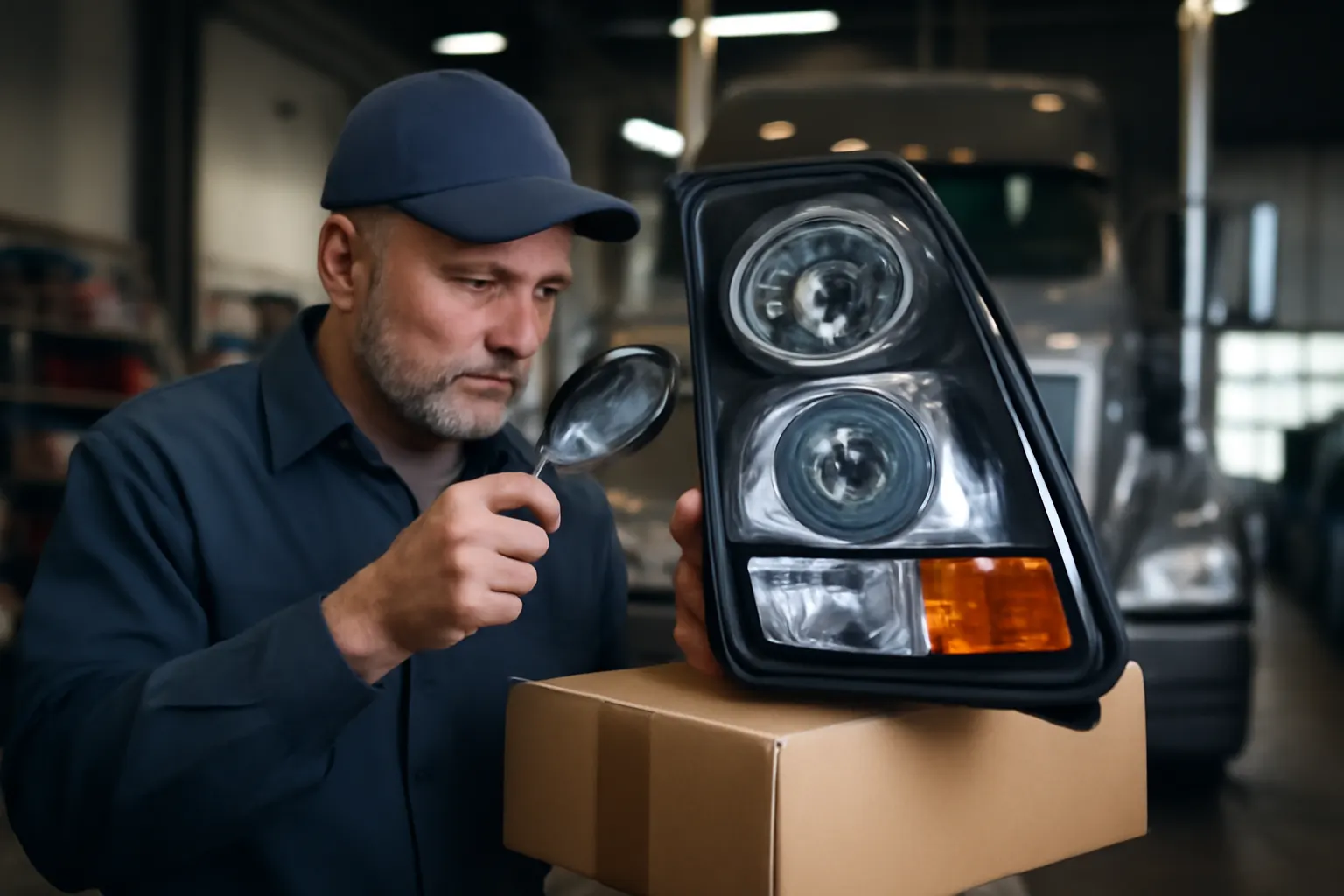
- Physical Comparison: Before install, compare new part to the original for dimensions, connectors, mounting points, and material.
- Certification Markings: Verify OEM logos, batch numbers, and certification stamps (e.g., SAE, NHTSA compliance).
- Electronic Compatibility: For sensors or modules, check for correct wiring, pinouts, and diagnostic compatibility.
- Torque and Fastener Specs: Use Kenworth’s published torque specs and fastener grades for installation.
- Post-Install Function Test: Run system diagnostics, check for error codes, and perform a visual inspection under load.
- Documentation: Log the install in the fleet’s maintenance system, including part source and batch number.
This checklist, now laminated and posted at every service bay workstation, reduced “wrong part” incidents by 90% in the first quarter of implementation.
Diagnostics: How OEM Parts Streamline Troubleshooting
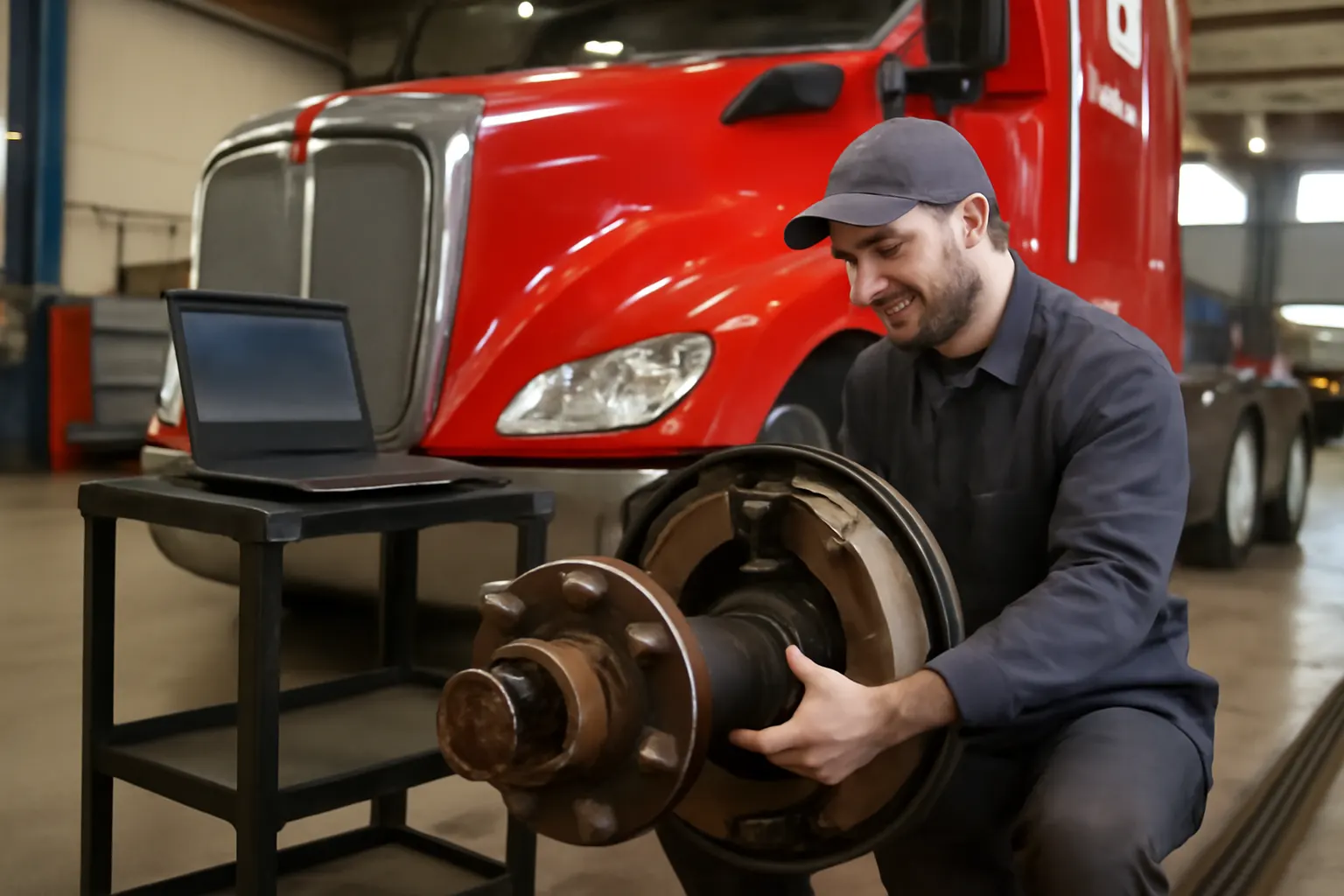
One of the least obvious—but most valuable—benefits of using OEM Kenworth parts is the simplification of diagnostic workflows:
- Predictable Behavior: OEM parts are engineered to Kenworth’s exact specifications, ensuring that diagnostic procedures and fault codes remain consistent across the fleet.
- Quick Reference: Technicians can rely on Kenworth’s service manuals and electronic diagnostic tools without second-guessing part compatibility.
- Reduced False Positives: Non-OEM sensors and actuators are a leading cause of nuisance fault codes and “no trouble found” repair tickets.
The fleet’s service manager noted a 30% reduction in average diagnostic time per job after standardizing on OEM parts, freeing technicians to focus on root-cause analysis rather than chasing compatibility issues.
Safety and Compliance: Meeting NHTSA and SAE Standards
Safety is non-negotiable in commercial trucking. By committing to OEM Kenworth parts, the fleet ensured:
- NHTSA Compliance: All replacement equipment met federal safety standards for heavy vehicles (Vehicle Safety and Equipment).
- Recall Readiness: Trucks remained eligible for manufacturer recalls and safety bulletins, as all components could be traced and verified (Vehicle, Car Seat, Tire, and Equipment Recalls).
- SAE Certification: Critical systems—brakes, steering, lighting, and suspension—were maintained to SAE engineering standards (SAE Standards).
The alternative—using unverified aftermarket parts—exposed the operation to regulatory fines, insurance gaps, and even potential litigation in the event of a failure-related accident.
The Economics: Calculating the True Cost of Downtime vs. OEM Parts
Fleet managers often ask: “Aren’t OEM Kenworth parts more expensive?” On the surface, yes. But this case study’s numbers tell a different story:
- Average cost of unplanned downtime: $1,100–$1,800 per day (lost revenue, driver wages, emergency repairs).
- Typical OEM part price premium: 15–25% vs. aftermarket.
- Annualized savings: By reducing breakdowns and repeat repairs, the fleet saved $78,000 in the first year, far exceeding the incremental cost of OEM components.
When factoring in improved fuel efficiency, longer part life, and reduced administrative overhead, the economics clearly favor a disciplined OEM sourcing strategy—especially for mission-critical components.
Buying Guidance: How to Source Genuine Kenworth OEM Parts
For operators ready to follow this fleet’s lead, here’s a practical guide to sourcing genuine Kenworth parts:
Advertisement
- Authorized Kenworth Dealers: Start with your local or regional Kenworth dealership. They offer VIN-based lookup, warranty support, and direct access to the latest OEM bulletins.
- Vetted Online Suppliers: If buying online, use only platforms that verify part provenance and offer batch/serial number tracking. Avoid “marketplace” sellers without direct Kenworth affiliation.
- Cross-Reference Tools: Use official Kenworth parts catalogs or trusted lookup tools to match part numbers to your truck’s VIN and build date. See our Kenworth Parts Cross-Compatibility Reference for detailed interchange guidance.
- Counterfeit Avoidance: Inspect packaging, holograms, and certification markings. For a detailed checklist, read Spotting Counterfeit Kenworth Parts: A Fleet Manager’s Checklist.
- Batch Tracking: Always record supplier, batch number, and install date for every part in your maintenance management system.
These best practices not only reduce the risk of fitment errors but also streamline warranty claims and regulatory compliance.
Installation and Maintenance: Best Practices for Service Bay Success
The fleet’s service bay culture was transformed by a top-down commitment to OEM fitment and documentation. Their best practices included:
- Pre-Job Planning: Technicians reviewed the maintenance history and confirmed OEM part numbers before disassembly.
- Tooling and Torque: Only factory-approved tools and torque specs were used, especially for safety-critical systems (steering, brakes, suspension).
- Post-Repair Diagnostics: Every repair concluded with a full electronic scan and test drive, validating system performance under real-world conditions.
- Continuous Training: Quarterly workshops ensured technicians stayed current on Kenworth engineering updates and new part introductions.
This disciplined approach not only reduced rework but also boosted technician morale and professional pride—key factors in reducing staff turnover and maintaining a high-quality service operation.
Counterfeit Parts: The Silent Threat
Counterfeit and “gray market” parts are a growing threat in the heavy truck sector. The fleet in this case study encountered several fake parts—brake chambers, sensors, and even air bags—that were visually identical to OEM but failed early or posed significant safety risks.
Key warning signs included:
- Misspelled brand names or missing certification stamps
- Unusual packaging or lack of batch numbers
- Noticeably lighter or heavier weight than OEM
- Inconsistent fitment or connector shape
Their solution: Every incoming part was inspected by a trained technician, and any suspicious component was quarantined and reported to procurement. For more on this topic, see Spotting Counterfeit Kenworth Parts: A Fleet Manager’s Checklist.
Fleet-Wide Impact: From Downtime to Uptime
By year’s end, the results were clear:
- Uptime: The average truck saw 22 fewer hours of unplanned downtime per quarter.
- Driver Satisfaction: Fewer breakdowns translated to higher driver retention and better safety scores.
- Regulatory Performance: The fleet passed all DOT and safety audits with zero violations related to parts or maintenance.
- Cost Control: Reduced parts churn and repeat repairs delivered a measurable boost to the bottom line.
Perhaps most importantly, the service bay team developed a culture of precision and accountability that extended beyond parts—improving every aspect of fleet operations.
AutoPartEx: Your Partner for Kenworth Parts Fitment and Sourcing
At AutoPartEx, we believe that reliable uptime starts with the right part, the right fit, and the right supplier. Whether you manage a 5-truck operation or a 500-unit fleet, our Kenworth Parts Category and Kenworth OEM & Aftermarket Truck Parts: Fitment, Compatibility, and Sourcing | AutoPartEx pages offer the latest cross-reference tools, fitment guides, and sourcing best practices.
Our editorial team rigorously vets every supplier and part recommendation to ensure your Kenworths stay compliant, efficient, and on the road. For model-specific maintenance, see our Kenworth T680 Maintenance Guide.
Expert Action Steps: Implementing a Downtime-Reduction Protocol
Ready to implement the lessons from this case study in your own operation? Follow these expert steps:
- Audit Your Current Parts Inventory: Identify all non-OEM parts in critical systems and assess their performance history.
- Centralize and Standardize Sourcing: Work with authorized Kenworth dealers or trusted suppliers. Eliminate “spot buys” and gray market channels.
- Train Your Technicians: Implement a fitment validation checklist and provide ongoing training on counterfeit detection and OEM standards.
- Document Everything: Track every part’s batch, source, and install date for warranty and recall readiness.
- Monitor and Adjust: Regularly review downtime incidents and maintenance records to identify trends and opportunities for further improvement.
By following this disciplined approach, you’ll not only reduce costly downtime but also build a safer, more reliable, and more profitable Kenworth fleet.
References
Advertisement