Restoring Classic Jaguars: Sourcing Rare Parts
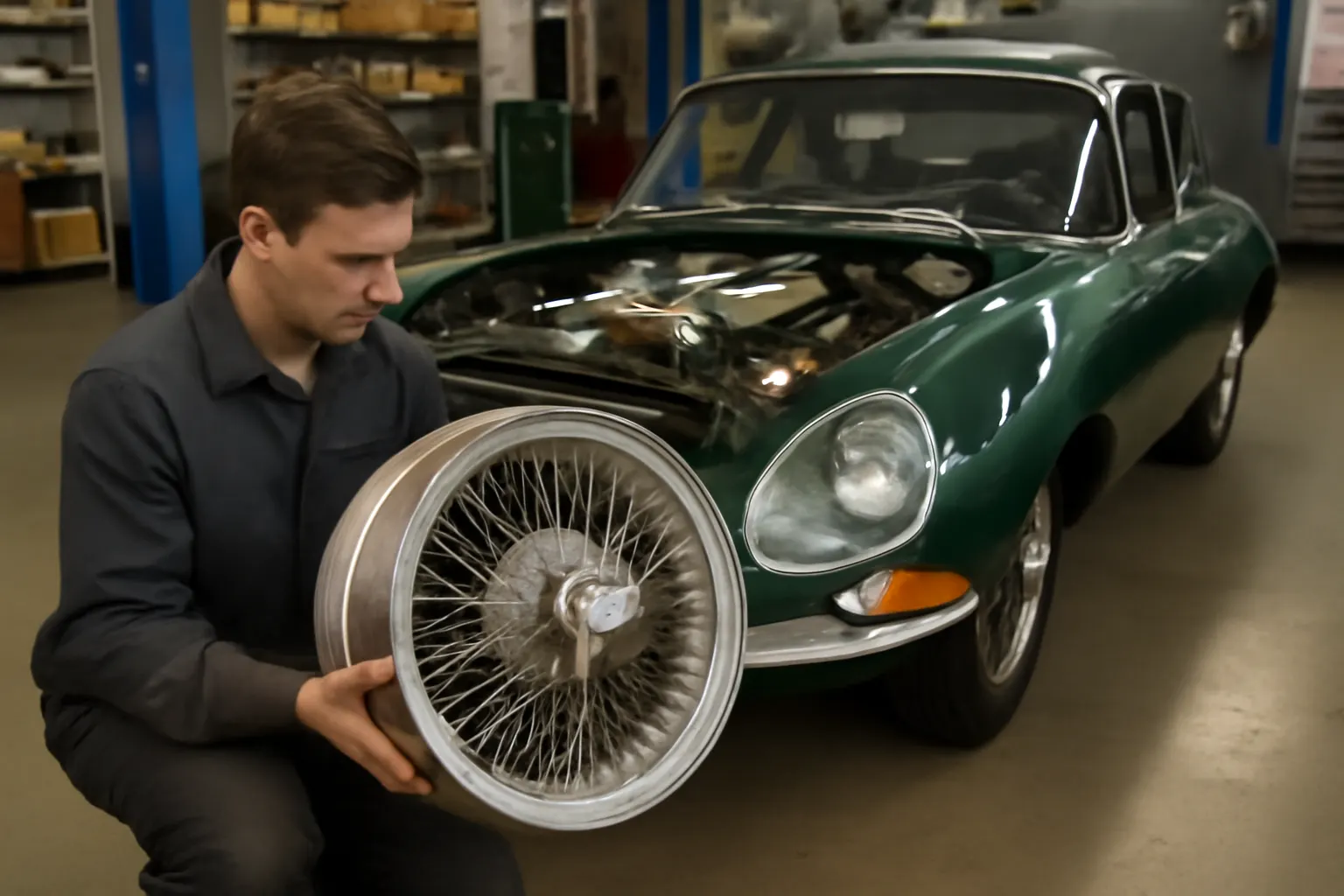
Restoring a classic Jaguar—whether it’s an XK120, E-Type, XJ6, or Mark 2—is a journey that demands patience, technical knowledge, and, most critically, the ability to source rare and obsolete parts. The difference between a show-winning restoration and a project that stalls in the garage often hinges on finding authentic, high-quality components. This guide delivers expert strategies for tracking down those elusive Jaguar parts, performing authenticity checks, and ensuring your restoration project meets both safety and heritage standards.
For a comprehensive catalog of available Jaguar parts, including OEM and aftermarket options, start by exploring our Jaguar parts catalog.
The Immediate Answer: Where to Find Rare Jaguar Parts
The fastest and most reliable way to source rare Jaguar parts is to combine multiple channels: specialist Jaguar dismantlers, reputable classic car parts suppliers, international Jaguar clubs, and digital platforms dedicated to vintage vehicles. Always verify authenticity using manufacturer markings, part numbers, and—when available—original documentation. For critical components, prioritize safety and fitment by referencing standards from organizations like the National Highway Traffic Safety Administration (NHTSA) and consulting Jaguar-specific technical guides.
The Hidden Problem: Scarcity and Authenticity Risks
While Jaguar’s classic models have a passionate global following, many key parts have been out of production for decades. This scarcity drives up prices and fuels a market for reproductions and, unfortunately, counterfeits. Even experienced restorers can be caught out by parts that appear genuine but lack correct materials, tolerances, or safety compliance. In some cases, using non-authentic or substandard parts can compromise not only the vehicle’s value but also its operational safety and reliability.
Why Sourcing Jaguar Parts Is So Challenging
Classic Jaguars are renowned for their unique engineering—think of the XK engine’s twin-cam design, the E-Type’s independent rear suspension, or the intricate Lucas electrical systems. Each era and model presents distinctive parts challenges:
- Obsolete OEM components: Many parts are no longer supported by Jaguar or their original suppliers.
- Batch and revision changes: Subtle differences in brackets, switches, or trim across model years can affect fitment.
- Limited aftermarket support: While some high-volume components are reproduced, many trim, interior, and body parts are not.
- Safety and compliance: Older parts may not meet modern safety standards, as outlined by the NHTSA Equipment guidelines.
Understanding these challenges is the first step to building a successful sourcing strategy.
Mapping Out Your Jaguar Restoration: Parts Needs Assessment
Before you begin hunting for rare parts, conduct a thorough needs assessment. This involves:
- Disassembly and Inspection: Carefully document each part, noting condition, part numbers, and any missing items.
- Reference Original Parts Catalogs: Use model-specific Jaguar parts books to verify part numbers and supersessions.
- Prioritize Safety-Critical Components: Focus on items affecting brakes, suspension, steering, and electrical systems, as these directly impact vehicle safety and roadworthiness.
- Create a Sourcing Checklist: Organize your list by urgency, rarity, and potential sources.
Jaguar Restoration Parts Checklist
| Part Type | Commonly Sought Items | Authenticity Concerns | Typical Sources |
|---|---|---|---|
| Engine & Drivetrain | Carburetors, pistons, gaskets, mounts | Castings, stampings, serials | Dismantlers, NOS suppliers, clubs |
| Electrical | Switches, gauges, wiring looms | Lucas markings, correct connectors | Specialists, club swaps, repro vendors |
| Body & Trim | Chrome, emblems, glass, lights | Plating, logo detail, fit | OEM, NOS, reputable repros |
| Suspension & Brakes | Bushings, shocks, calipers | Material spec, casting marks | Aftermarket, OEM, rebuilders |
| Interior | Seats, dash, panels, carpets | Stitching, color, grain | Trimmers, club connections |
Sourcing Channels: Where to Look for Rare Jaguar Parts
1. Jaguar Specialist Dismantlers and Breakers
These businesses focus exclusively on classic Jaguar vehicles, often with extensive inventories of used, reconditioned, and sometimes new old stock (NOS) parts. Key advantages include:
- Access to large, model-specific inventories.
- Staff with deep Jaguar expertise.
- Ability to provide photos and part numbers for verification.
When dealing with dismantlers, always request detailed images and, if possible, original Jaguar part numbers. Confirm that safety-critical items (like brake calipers or steering racks) have been inspected or rebuilt to modern standards.
2. Reputable Classic Car Parts Suppliers
Many companies specialize in remanufacturing or sourcing Jaguar parts to original specifications. Look for suppliers who:
- Offer clear documentation of part provenance.
- Adhere to established engineering and safety standards (such as those set by SAE International or NHTSA).
- Are recommended by Jaguar clubs or restoration forums.
Some suppliers will provide certification or written guarantees of authenticity, especially for high-value items like chrome trim, emblems, or engine components.
3. Jaguar Owners Clubs and Forums
Clubs are invaluable for networking with other restorers, accessing swap meets, and learning about trusted suppliers. Many clubs maintain their own parts caches or offer member-to-member sales of rare items.
- Join both local and international Jaguar clubs.
- Participate in online forums and classified sections.
- Attend club events, where rare parts often change hands.
4. Online Marketplaces and Auctions
Platforms like eBay, Bring a Trailer, and dedicated classic car parts sites can yield rare finds—but require caution:
- Scrutinize listings for detailed photos and part numbers.
- Avoid sellers who cannot provide provenance or guarantee authenticity.
- Be wary of reproduction parts masquerading as genuine OEM.
5. International Sourcing
Some rare Jaguar parts are more readily available in the UK or Europe, given Jaguar’s heritage. Consider:
- Importing from overseas suppliers or club members.
- Factoring in shipping costs, duties, and possible fitment differences (e.g., RHD vs. LHD components).
Authenticity Checks: How to Spot Genuine Jaguar Parts
Authenticity is critical for both value and safety. Here’s how to check:
1. Visual Inspection
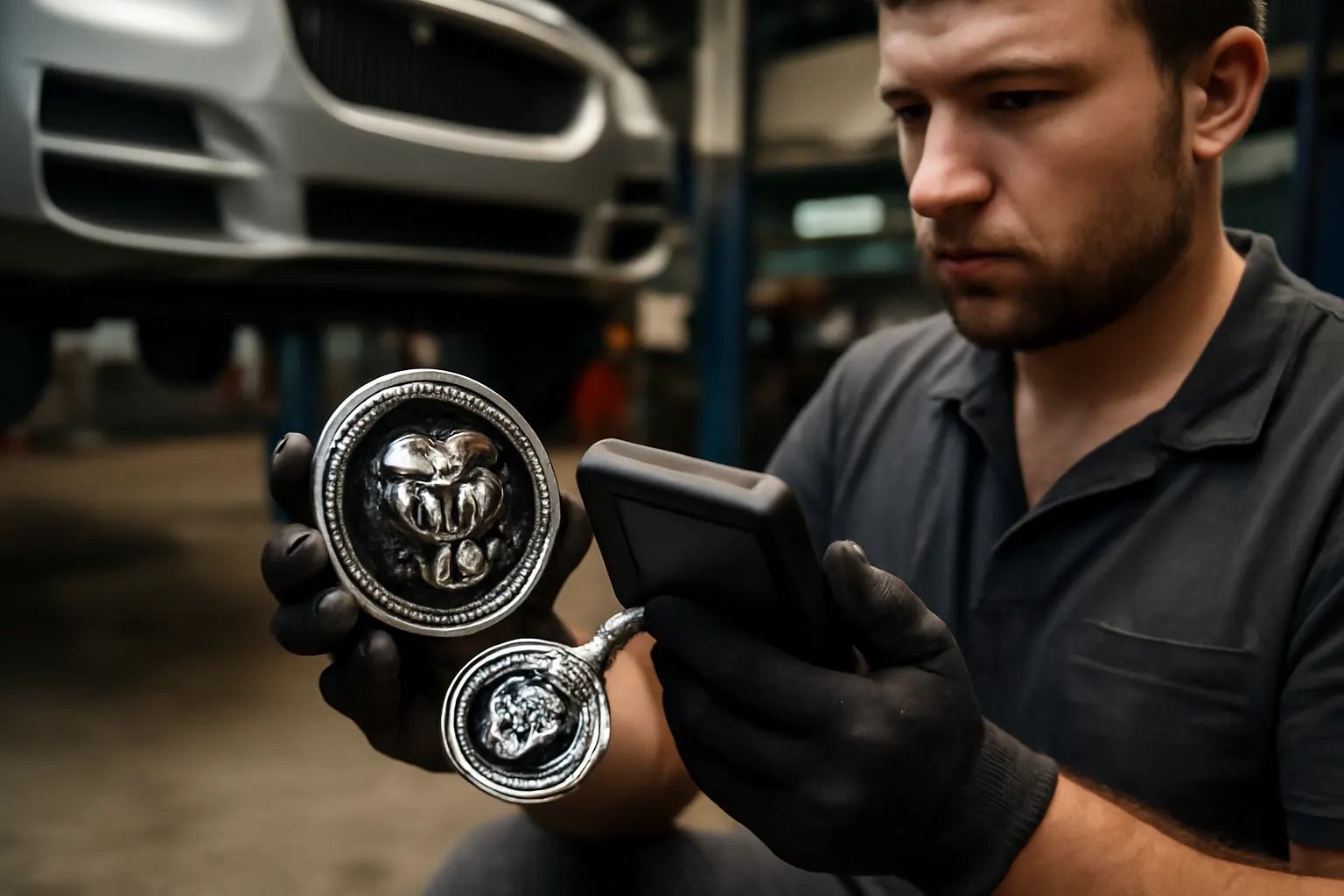
- Markings and Stamps: Genuine Jaguar parts often feature specific casting numbers, logos, or supplier marks (e.g., Lucas, Girling).
- Material Quality: Inspect for correct metal finishes, plating, or plastics typical of the era.
- Wear Patterns: NOS parts may show age-related patina but not wear.
2. Documentation
- Original Packaging: NOS parts in Jaguar or period supplier boxes add credibility.
- Paperwork: Look for original invoices, catalogs, or supplier sheets.
3. Technical Verification
- Cross-reference Part Numbers: Use period-correct catalogs or resources like the Jaguar parts catalog.
- Fitment Guides: Compare dimensions, mounting points, and connector types with your vehicle.
4. Expert Consultation
- Jaguar Specialists: When in doubt, consult with marque experts or restoration shops.
- Club Members: Experienced owners often spot fakes or incorrect reproductions quickly.
Safety, Standards, and Compliance in Classic Jaguar Restorations
Classic Jaguar restorations must balance authenticity with safety. Many original parts—especially rubber, brake, and electrical components—may have deteriorated or fall short of modern safety expectations. Always:
- Reference NHTSA Equipment guidelines for critical safety systems.
- Replace perishable items (hoses, bushings, brake lines) with modern equivalents where invisible or where safety is paramount.
- Confirm that any replacement meets or exceeds original engineering standards, referencing SAE Standards where possible.
Diagnosing and Selecting the Right Jaguar Part
Selecting the correct part goes beyond matching a part number. It requires understanding:
- Model Variations: Jaguar often made running changes during production years (e.g., Series 1 vs. Series 2 E-Type).
- Superseded Parts: Some part numbers changed; always check for the latest compatible revision.
- Fitment Issues: Some reproduction parts require minor modifications; always test-fit before final installation.
Diagnostic Steps for Part Selection
- Identify the exact model and year, including chassis and engine numbers.
- Consult original Jaguar parts manuals for your VIN range.
- Check for technical service bulletins or recalls that may affect part selection.
- For critical systems, cross-reference with Vehicle Safety and Equipment recommendations.
Restoring Jaguar Components: When to Rebuild vs. Replace
Not all rare parts need to be replaced—some can be restored or rebuilt to as-new condition. Common examples:
- Carburetors and fuel pumps: Rebuild kits are widely available; original castings can often be restored.
- Gauges and switches: Specialist services can refurbish original instruments, preserving authenticity.
- Chrome trim: Rechroming original pieces is preferable to using ill-fitting reproductions.
However, for safety-critical parts like brake calipers or steering racks, prioritize replacement or professional rebuilding to meet modern standards.
Material Technologies and Their Role in Jaguar Restoration
Jaguar’s use of advanced materials—such as aluminum body panels or lightweight alloys—complicates restoration. Sourcing correct-grade materials is essential for structural integrity and authenticity. Refer to Materials Technologies guidelines for:
- Body panel repair or replacement: Ensure new panels match original gauge and alloy.
- Suspension and drivetrain components: Use materials with equivalent or improved fatigue resistance.
When using reproduction panels or components, verify the supplier’s material specifications and compare them to original Jaguar standards.
Fuel Efficiency and Engine Component Sourcing
Classic Jaguars are admired for their performance, but restoring them to optimal fuel efficiency requires attention to detail:
- Carburetor and fuel injection parts: Sourcing correct jets, needles, and diaphragms ensures proper fueling.
- Ignition components: Use period-correct distributors and coils, or upgrade with hidden modern equivalents for reliability.
- Gasket and seal materials: Modern materials may improve sealing but should be visually discreet.
For guidance on maximizing efficiency without compromising authenticity, consult Fuel Efficiency resources and classic Jaguar tuning guides.
Installation and Fitment Tips for Rare Jaguar Parts
Proper installation is as important as sourcing the right part. Tips include:
- Test-fit all parts before final assembly, especially body and trim items.
- Use period-correct fasteners and hardware where visible.
- Torque critical components (suspension, drivetrain) to Jaguar specifications.
- Document all work with photos and notes for future reference or resale.
For detailed installation and maintenance intervals, see our Jaguar Maintenance Intervals & Service Checklist.
Avoiding Common Pitfalls: Counterfeit and Poor-Quality Parts
The classic Jaguar market is unfortunately rife with counterfeit or substandard parts. Red flags include:
- Too-good-to-be-true pricing.
- Lack of provenance or original packaging.
- Inconsistent markings or poor-quality finishes.
- Vague or evasive sellers.
Always buy from trusted sources, seek recommendations from Jaguar clubs, and consult How to Spot Genuine Jaguar Parts: An Owner’s Guide for more tips on avoiding fakes.
Building a Network: The Value of Community in Jaguar Restoration
Successful Jaguar restorers rarely work in isolation. Building relationships with:
- Local and online Jaguar clubs
- Specialist restoration shops
- Experienced parts suppliers
…will help you find rare parts, share technical advice, and avoid costly mistakes. Community connections often yield leads on unobtainable items or expert repair services.
AutoPartEx: Your Partner in Jaguar Restoration
At AutoPartEx, we understand the unique demands of Jaguar restoration projects. Our technical editorial team curates the latest guidance for sourcing, authenticating, and fitting rare Jaguar parts. Explore our Jaguar OEM & Aftermarket Auto Parts: History, Fitment, and Technical Guidance for an authoritative resource on Jaguar models and parts compatibility. Our Jaguar parts catalog is continually updated with hard-to-find components and trusted suppliers.
Whether you’re a first-time restorer or a seasoned Jaguar enthusiast, AutoPartEx is your go-to source for accurate, actionable information and parts sourcing support.
Taking the Next Step: Expert Action for Jaguar Restorers
Ready to move forward? Here’s how to put this guide into action:
- Assess your restoration’s parts needs with a detailed checklist.
- Prioritize safety and authenticity in every sourcing decision.
- Leverage Jaguar specialist networks, clubs, and trusted suppliers for rare finds.
- Verify every part’s provenance, markings, and compatibility before purchase.
- Document your restoration for future reference and to maximize your Jaguar’s value.
For additional technical troubleshooting, explore Diagnosing Jaguar Electronic Faults: Common Patterns to address common issues in classic Jaguar electrical systems.
With diligence, technical rigor, and the right support, you can bring your classic Jaguar back to its original glory—ensuring both authenticity and safety for years to come.